Shopping Mall Accidents: What Should Injured Visitors Know About Their Rights?
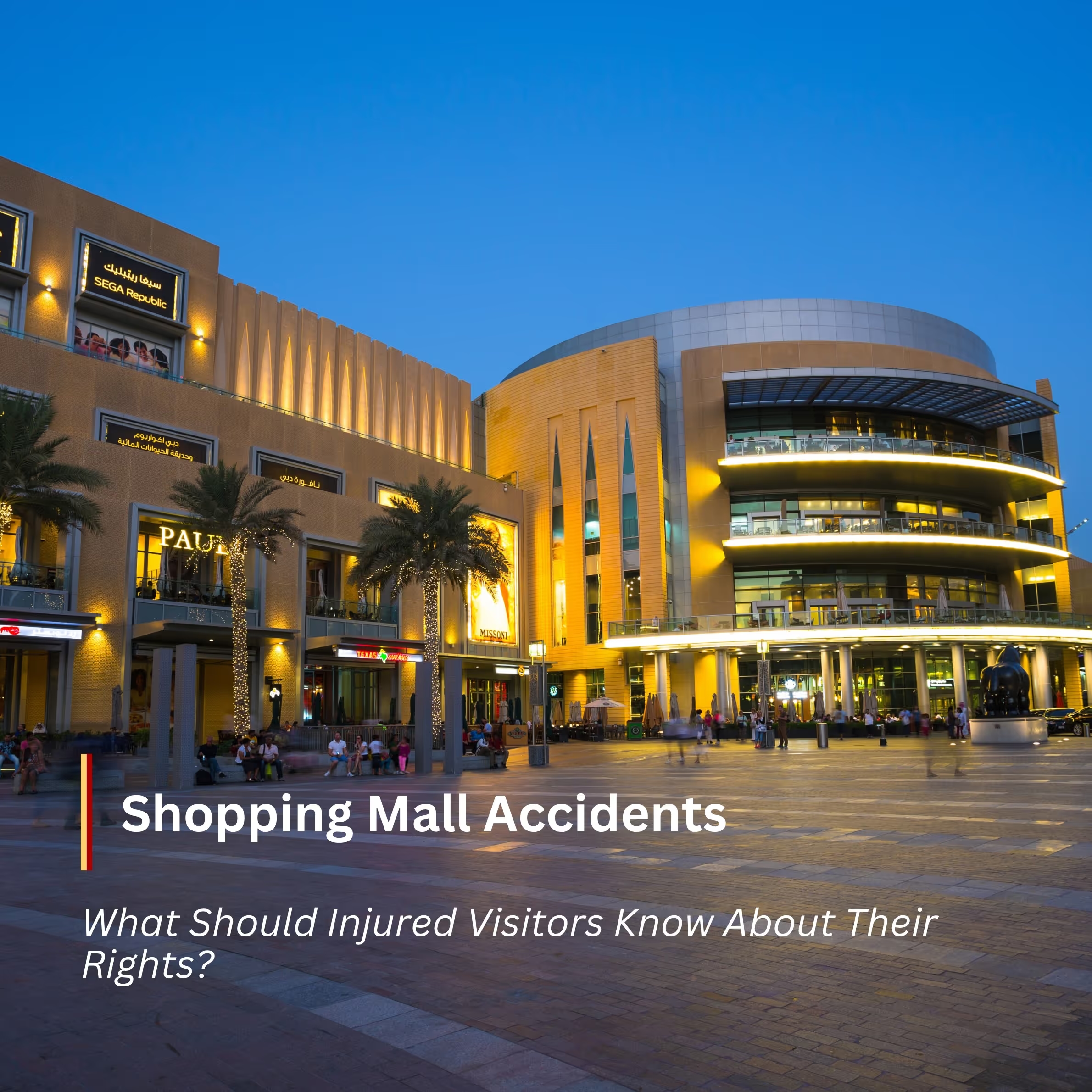
Shopping malls are popular destinations for shopping, dining, entertainment, and social gatherings. Visitors generally expect these spaces to be reasonably safe, whether they are walking through a department store, using an escalator, or navigating a parking structure. However, accidents can happen when hazardous conditions, inadequate maintenance, or other safety concerns put visitors at risk. Understanding the rights of injured visitors under California law can help individuals make informed decisions about medical care, documenting an accident, and exploring potential legal options.
How a Shopping Mall Accident May Occur
Shopping malls contain numerous areas where accidents may occur. Some incidents result from unexpected circumstances, while others may involve conditions that could have been addressed through reasonable safety precautions. Common shopping mall accidents include, but are not limited to, the following.
- Slip-and-Fall Accidents: Wet floors, spilled beverages, recently cleaned surfaces, and slippery entrances may create hazards for pedestrians.
- Escalator and Elevator Accidents: Mechanical malfunctions, inadequate maintenance, or defective components may contribute to injuries.
- Parking Lot Accidents: Poor lighting, damaged pavement, unsafe pedestrian pathways, or vehicle collisions may lead to injuries.
- Falling Merchandise or Objects: Improperly secured displays, shelving, or decorations may fall and injure individuals.
Each accident involves different circumstances. The existence of a dangerous condition does not automatically establish that a property owner or business is legally responsible.
Who Is Liable?
Determining responsibility for shopping mall accidents often requires examining who owned, occupied, maintained, or controlled the area where the injury occurred. Shopping malls usually involve multiple businesses and property management arrangements. Depending on the circumstances, potentially responsible parties may include, but are not limited to, the following.
Shopping Mall Property Owners
Mall owners may have responsibilities regarding common areas such as corridors, entrances, parking facilities, and shared walkways. Their legal duties depend on the extent of their control and the circumstances surrounding the hazard.
Individual Store Operators
A retailer may be responsible for certain unsafe conditions within its leased premises. For example, a store employee's failure to address a known spill could become relevant if a visitor slips and becomes injured.
Property Management Companies
Management companies may oversee inspections, repairs, maintenance, and safety procedures. Their contractual responsibilities and actual control over the property can be important when evaluating potential liability.
Maintenance Contractors and Other Third Parties
Cleaning companies, elevator maintenance providers, security contractors, or other service providers may be involved when their negligent conduct contributes to an accident. More than one party may share responsibility, depending on the available evidence and applicable California law.
Premises Liability Laws
California premises liability law usually requires property owners and others responsible for maintaining property to exercise reasonable care under the circumstances. In evaluating a shopping mall accident, relevant questions may include but are not limited to the following.
- Did a dangerous condition exist?
- Did the responsible party create the condition?
- Did the responsible party know, or should they reasonably have known, about the hazard?
- Were reasonable steps taken to inspect, repair, or warn visitors about the condition?
- Did the dangerous condition contribute to the visitor's injury?
It is important to note that not every accident establishes negligence. Liability depends on the specific facts, the applicable duty of care, and the evidence connecting the alleged negligence to the injury.
The Necessary Steps to Take After a Shopping Mall Accident
The steps taken after an accident may affect both a person's recovery and the availability of evidence. The following steps may be important to get back on the road to recovery.
1. Seek Medical Attention
Medical care should be a priority following an injury. Some conditions, including concussions and certain soft-tissue injuries, may not show symptoms immediately. Medical records can also help document the nature and timing of injuries.
2. Report the Accident
Notify mall security, property management, or the store manager, depending on where the incident occurred. Request that an incident report be prepared and ask how to obtain a copy.
3. Document the Accident Scene
Photographs or videos may help preserve evidence of conditions such as spilled liquids, broken flooring, damaged stairs, or inadequate lighting. Since hazardous conditions can change quickly, documenting the scene when it is safe to do so may be useful.
4. Collect Witness Information
If anyone witnessed the incident, consider requesting their contact information. Witness accounts may help clarify how the accident occurred.
5. Preserve Relevant Records
Keep medical bills, receipts, photographs, correspondence, and documents relating to missed work or other accident-related expenses. These records may become relevant when evaluating a potential claim.
Receiving Compensation for the Damage
Depending on the circumstances, visitors injured in shopping mall accidents may be able to pursue compensation through a premises liability or negligence claim. Potentially recoverable damages may include, but are not limited to, the following.
- Medical expenses associated with the injury
- Reasonably anticipated future medical care
- Lost wages or reduced earning capacity
- Physical pain and suffering
- Emotional distress related to the accident
- Other legally recoverable losses
The availability and amount of damages depend on the evidence, the extent of the injuries, applicable legal standards, and other case-specific factors. California also follows a comparative fault system. This means an injured visitor's own behavior may be considered when determining responsibility. A person's recovery may be reduced according to their percentage of fault.
If a visitor is found partially responsible for an accident, that finding may affect the amount of damages recoverable from other responsible parties.
Legal Guidance for Shopping Mall Accident Victims
After a shopping mall accident, it may be helpful to seek legal guidance and support to better understand your rights throughout the legal process. Oftentimes, these types of accidents may cause serious injuries, leaving victims in a state of shock and worry. That is where we come in. Our legal team is ready to support victims and help them work towards recovery.
The Legal Team at KAASS LAW
The qualified personal injury attorneys are determined to help victims and their families understand their rights and legal options after suffering injuries from a shopping mall accident. We may review the facts of your case, preserve important pieces of evidence, and determine potentially responsible parties. Call KAASS LAW today for a confidential consultation.
Related Articles
View All Posts
Learn who may be responsible for elevator accidents caused by poor maintenance, how liability is determined, and what injured passengers can do next.
Learn who may be responsible for injuries caused by uneven sidewalks in California and how liability may depend on property control and local laws.
Learn common causes of bike lane accidents, who may be liable, and what legal options may be available to injured California bicyclists.