Elevator Accidents: Who Is Responsible for Maintenance-Related Injuries?
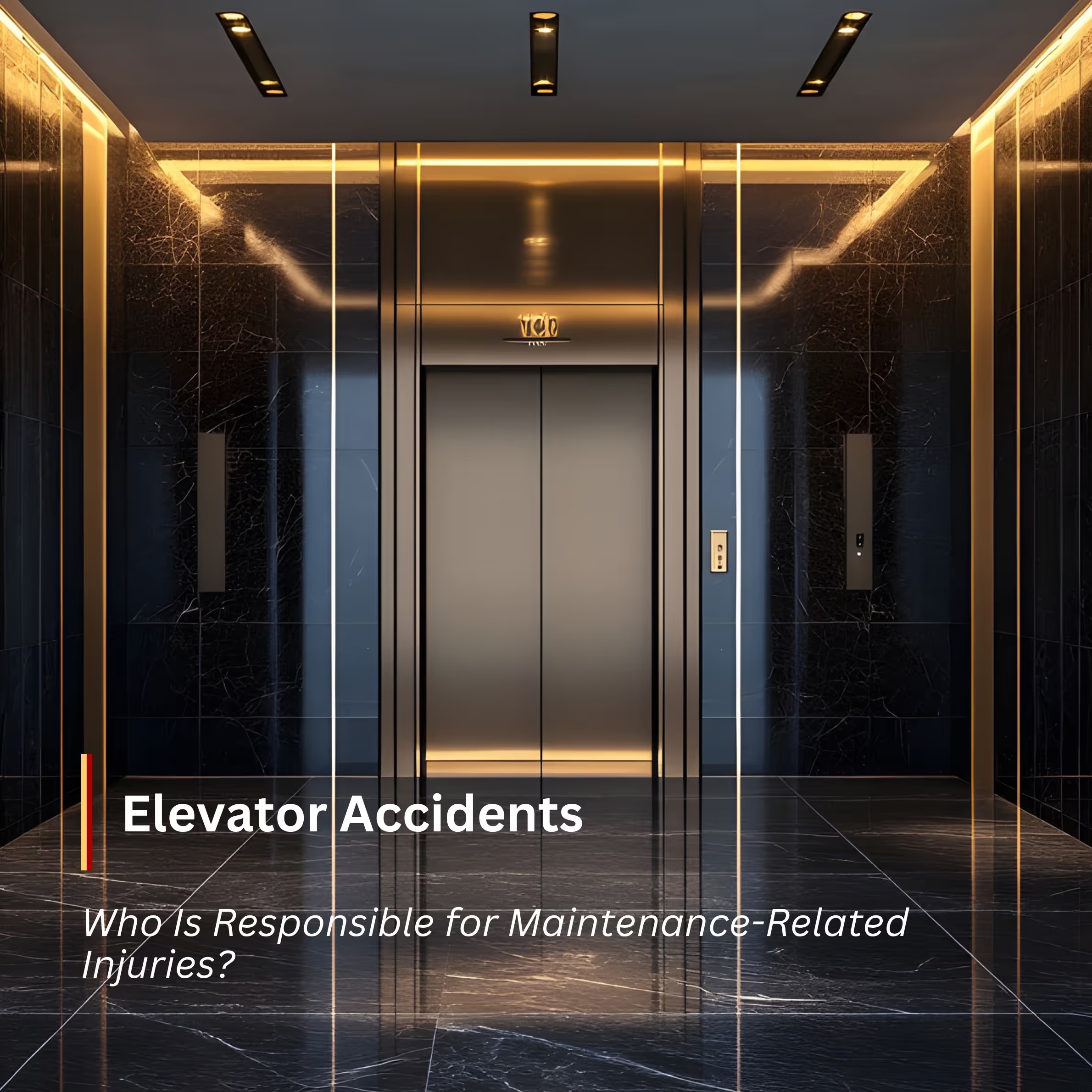
Elevators are part of everyday life in apartment buildings, hotels, shopping centers, hospitals, and office buildings. Most people step into an elevator without thinking twice about its safety. However, when an elevator malfunctions, passengers may face unexpected and sometimes serious injuries. Understanding how elevator accidents happen and who may be legally responsible can help injured individuals evaluate their options under California personal injury law.
What can cause an Elevator Accident?
Elevators contain complex mechanical and electrical systems that require regular maintenance and inspections. When these systems are not properly maintained, potentially dangerous conditions can develop. Some common causes of elevator accidents may include, but are not limited to, the following.
- Sudden stops or unexpected movements: Mechanical or electrical problems may cause an elevator to stop abruptly or move unpredictably.
- Malfunctioning doors: Doors that close unexpectedly or fail to detect passengers may cause injuries.
- Faulty cables or mechanical components: Worn or damaged parts can interfere with an elevator's operation.
- Inadequate inspections: Failure to identify or address developing problems may allow unsafe conditions to continue.
Not every elevator malfunction results from negligence. However, when an accident occurs because a responsible party failed to exercise reasonable care, liability issues may arise.
Who is Liable?
Determining responsibility for a maintenance-related elevator accident often requires reviewing maintenance records, inspection reports, repair histories, and the circumstances surrounding the incident. Depending on the facts and circumstances of the specific accident, the following individuals may share responsibility after an elevator incident.
Property Owners
Property owners usually have a responsibility to exercise reasonable care in maintaining their premises. This may include, but is not limited to, the following.
- Taking appropriate steps to ensure elevators are reasonably safe for visitors, tenants, employees, and other lawful occupants.
Elevator Maintenance Contractors
Many commercial and residential properties hire specialized contractors to inspect, service, and repair elevators. These contractors may be responsible for identifying worn components, performing necessary repairs, and maintaining equipment according to applicable safety requirements.
A maintenance contractor may face liability if negligent servicing, improper repairs, or failure to identify a reasonably discoverable hazard contributes to an accident.
Elevator Manufacturers
Some elevator accidents involve defective equipment rather than improper maintenance. Manufacturers, distributors, or other parties involved in supplying elevator components may face product liability claims when a defective product causes injuries.
Potential defects may involve elevator doors, sensors, control systems, or mechanical components. Determining whether an accident occurred from defective equipment, negligent maintenance, or a combination of factors often requires technical investigation.
Types of Injuries
Elevator accidents can cause injuries ranging from relatively minor bruises to conditions requiring extensive medical treatment. Potential injuries include but are not limited to the following.
- Broken bones
- Head injuries
- Back and neck injuries
- Soft-tissue injuries
- Injuries caused by falls or sudden movements
Passengers may also experience emotional distress following a frightening elevator malfunction, especially when the incident involves being trapped or a sudden mechanical failure. It is also important to understand that he severity of an injury depends on the circumstances of the accident. Medical evaluation can help identify injuries and document their effects.
Who May Be Held Responsible?
California negligence law usually requires an injured person to establish that another party owed a duty of care, breached that duty, and caused legally recognized harm. In elevator accident cases, evidence may include but is not limited to the following.
- Elevator maintenance and repair records
- Inspection reports and safety certifications
- Previous complaints about elevator malfunctions
- Surveillance footage or witness statements
- Photographs of the elevator and accident location
- Medical records documenting the injuries
California's comparative fault principles may also apply when more than one party contributed to an accident. Additionally, California regulations establish requirements relating to elevator inspections, permits, and safe operation. Whether a specific requirement was violated may be relevant to evaluating responsibility. Since elevators involve specialized equipment, some cases may require analysis by engineers or other qualified professionals.
The Necessary Steps to Take after an Elevator Accident
Taking appropriate steps following an elevator accident may help protect your health and preserve important information. It may be beneficial to seek medical attention if you have been injured. Some injuries may not be immediately obvious, especially those involving the head, neck, or back. Victims should consider reporting the incident to the building owner, property manager, or appropriate personnel. Additionally, taking photographs of the elevator, floor alignment, damaged components, or surrounding area may also be useful. If witnesses observed the accident, their contact information may help establish what happened. Victims should also avoid trying to inspect or repair malfunctioning elevator equipment yourself.
Seeking Legal Counsel
Seeking legal guidance and care may be extremely important after suffering injuries from an elevator accident. This is crucial as a legal professional may be able to explain applicable deadlines, review the facts of your case, and help you understand your rights moving forward.
The Legal Team at KAASS LAW
Our qualified personal injury attorneys are determined to help victims and their loved ones recover from an elevator accident. Our legal team may explain the options you may have, preserve important pieces of evidence, and determine potentially liable parties. Call KAASS LAW today for a confidential consultation.
Related Articles
View All Posts
Learn who may be responsible for injuries caused by uneven sidewalks in California and how liability may depend on property control and local laws.
Learn common causes of bike lane accidents, who may be liable, and what legal options may be available to injured California bicyclists.

Learn how premises liability may apply to swimming pool accidents, including unsafe conditions, owner responsibilities, and legal options.