
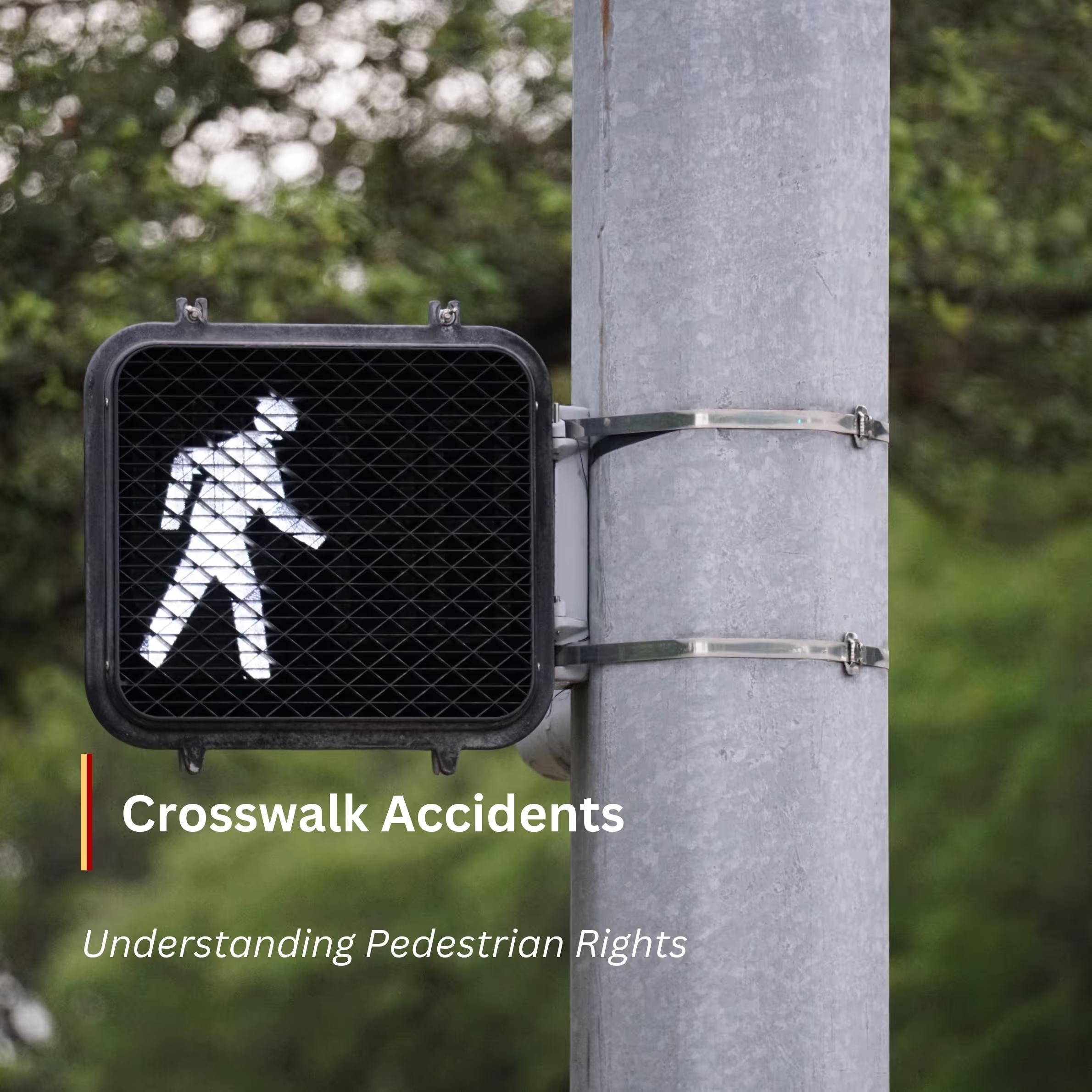
Crosswalks are meant to provide pedestrians with a designated place to cross the road, but they do not eliminate the risk of an accident. A pedestrian may be struck by a vehicle when a driver fails to yield, turns through a crosswalk without checking for people, becomes distracted, or travels too fast for surrounding conditions. California law establishes responsibilities for both motorists and pedestrians when using crosswalks. Understanding these rules may help an injured pedestrian determine what happened, what evidence may be relevant, and what legal options may be available after a crosswalk accident.
Drivers approaching a crosswalk should remain alert and exercise appropriate care. A motorist may create a dangerous situation by failing to notice a pedestrian who has entered the crosswalk or by attempting to pass through before the pedestrian has safely cleared the vehicle's path. Common driver behaviors that may contribute to crosswalk accidents include, but are not limited to, the following.
Whether a driver may be legally responsible depends on the specific facts surrounding the collision.
Pedestrians have important rights, but California law also requires them to exercise reasonable care. Pedestrians should not suddenly leave a curb or other place of safety and walk or run into the path of a vehicle that is so close that it creates an immediate hazard. Pedestrians also should not unnecessarily stop or delay traffic while using a crosswalk. However, these responsibilities do not automatically excuse a driver from exercising care.
Distracted driving can contribute to pedestrian collisions. A driver looking at a phone, navigation system, passenger, or another distraction may fail to notice someone entering a crosswalk. Visibility may also play a role. Crosswalk accidents can occur at night, during poor weather, or in locations with inadequate lighting. Parked vehicles, landscaping, construction equipment, and other objects may further block a driver's view. Speed can be especially dangerous in pedestrian accidents. A driver traveling too quickly may have less time and distance available to recognize a pedestrian and respond appropriately.
The following injuries may occur after a crosswalk accident.
Establishing liability may involve determining whether someone failed to exercise reasonable care or violated an applicable traffic rule. Evidence can play an important role in this process. Depending on the accident, relevant information may include the following.
In some cases, more than one party may share responsibility. California usually follows a comparative-fault system. This means that responsibility may be distributed among the people or parties involved based on their overall percentage of fault. In addition, a pedestrian's potential contribution to an accident does not necessarily mean that the pedestrian has no ability to pursue a claim.
Medical attention should be a priority following a pedestrian collision. Some injuries may not be immediately visible, especially when a person is experiencing shock or adrenaline after an accident. When circumstances allow, pedestrians may also want to report the collision, obtain the driver's identifying and insurance information, photograph the accident location, and collect contact information from witnesses. Preserving evidence may be especially important. Video from nearby businesses, residences, traffic cameras, or dashboard cameras may help establish how an accident occurred, but some recordings are only kept for a short period of time. Individuals should also consider keeping copies of the following.
Depending on the circumstances and applicable law, an injured pedestrian may be able to seek compensation for certain losses associated with an accident. Potential damages can include but are not limited to the following.
In fatal pedestrian accidents, eligible surviving family members may have separate legal rights under California's wrongful death laws. The availability and amount of compensation depend on the evidence, insurance coverage, liability, injuries, and other circumstances. No particular outcome or amount of recovery can be guaranteed.
Speaking to a legal professional may be beneficial after dealing with a crosswalk accident! An attorney may be able to review the facts of your case and preserve necessary pieces of information that may be useful in the future.
Crosswalk accidents may cause serious or sometimes life-threatening injuries and can leave victims fearful of their future. Oftentimes, these types of accidents may also cause legal and insurance challenges, making the legal process difficult to understand on your own. That is why the KAASS LAW legal team is here to help. Call KAASS LAW today for a confidential consultation and to learn more about your rights moving forward.

Property owners and others who control property generally have a responsibility to maintain their premises with reasonable care. When unsafe property conditions are left unaddressed, visitors, tenants, customers, and others may be exposed to preventable risks of injury. In California, premises liability often depends on the circumstances surrounding the dangerous condition, the property owner’s knowledge of the hazard, the degree of control over the property, and whether reasonable steps were taken to address the risk.
Unsafe property conditions can take many forms. Some hazards develop suddenly, while others may exist for weeks or months before an accident occurs. Examples may include but are not limited to the following.
.avif&w=3840&q=100)
On September 15th, three people suffered a fatal accident when an NBC4 news helicopter crashed. This accident occurred in Chatsworth and was near another accident where an SUV collided with a Metro bus, trapping individuals inside and killing two. This tragedy has left many in a state of fear and shock about the necessary steps to take to recover. This article will discuss the dangers of a serious accident as well as the importance of understanding your legal rights if one occurs.
Bus accidents can present more complicated legal questions than collisions involving only privately owned vehicles. When a public transit vehicle is involved, an investigation may examine the conduct of multiple individuals and parties.
Depending on the circumstances, relevant evidence may include, but is not limited to, the following.
Power tools are usually used on construction sites, in manufacturing facilities, workshops, and homes. Drills, circular saws, nail guns, grinders, sanders, and other powered equipment can make difficult tasks faster and more efficient. However, when a power tool contains a defect or lacks adequate safety features, it may cause serious injuries. Dangerous power tool injuries may occur in both workplace and consumer settings. Depending on the circumstances, an injured person may have questions about whether the manufacturer, distributor, retailer, employer, or another party may be legally responsible. In addition, understanding the steps to take and the ways to seek recovery are crucial for the future.
Power tools often operate at high speeds and may contain sharp blades, rotating components, electrical systems, or mechanisms that are capable of generating significant force. As a result, accidents involving these products can cause significant injuries. Power tool injuries may include the following.
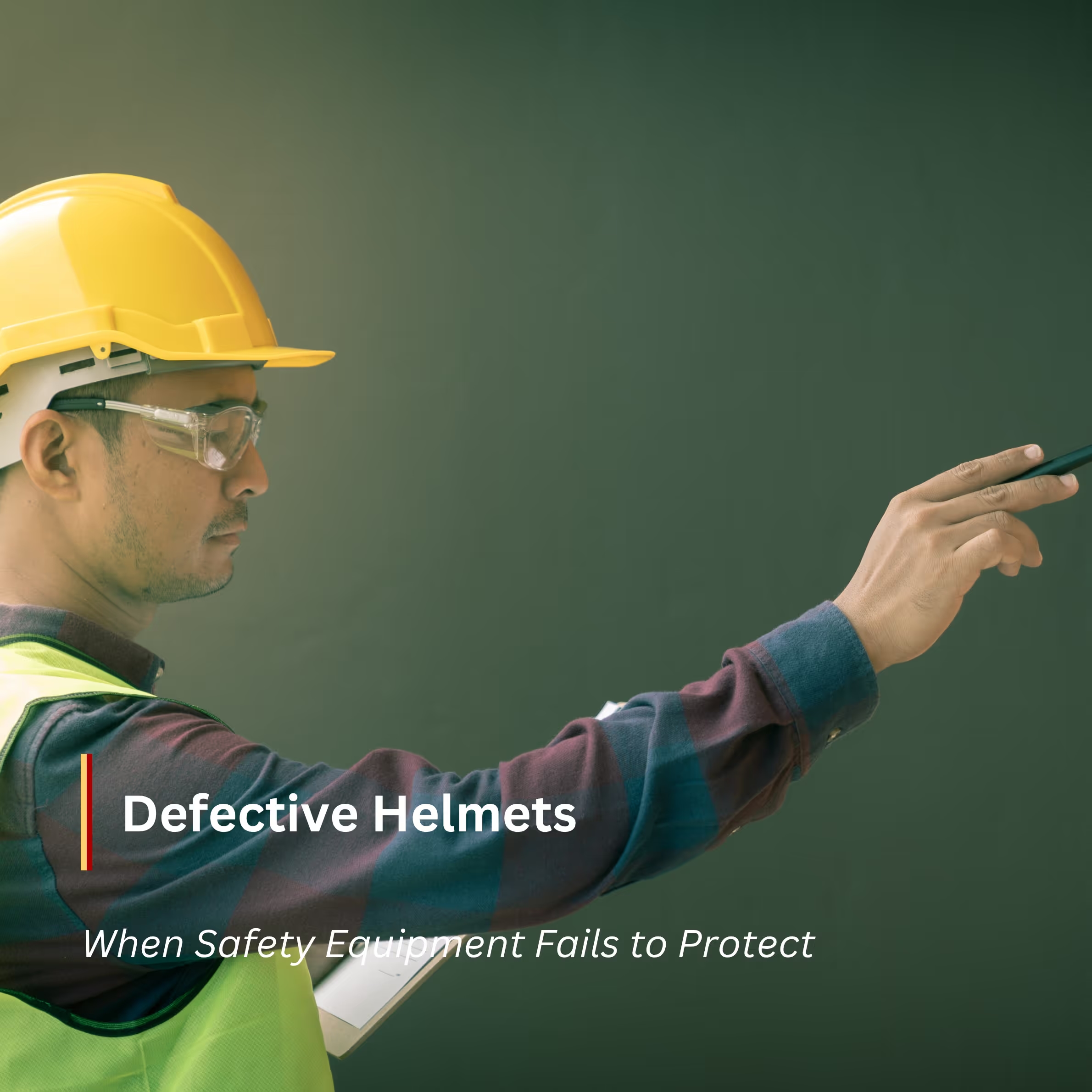
Helmets are meant to provide a sense of safety and security for individuals, especially children. However, when helmets malfunction or are not properly maintained, serious injuries may occur. Understanding your rights and the necessary steps to take to work towards recovery is crucial to maintaining your safety the next time you need to wear a helmet.
A helmet can potentially be defective in several ways. California product liability claims generally examine whether a product had a manufacturing defect, design defect, or inadequate warnings or instructions.
A manufacturing defect occurs when an individual product does not conform to its intended design or is very different from other properly manufactured products in the same line.
In some cases, the issue may involve the helmet's underlying design rather than a mistake during manufacturing. Potential concerns could include the following.
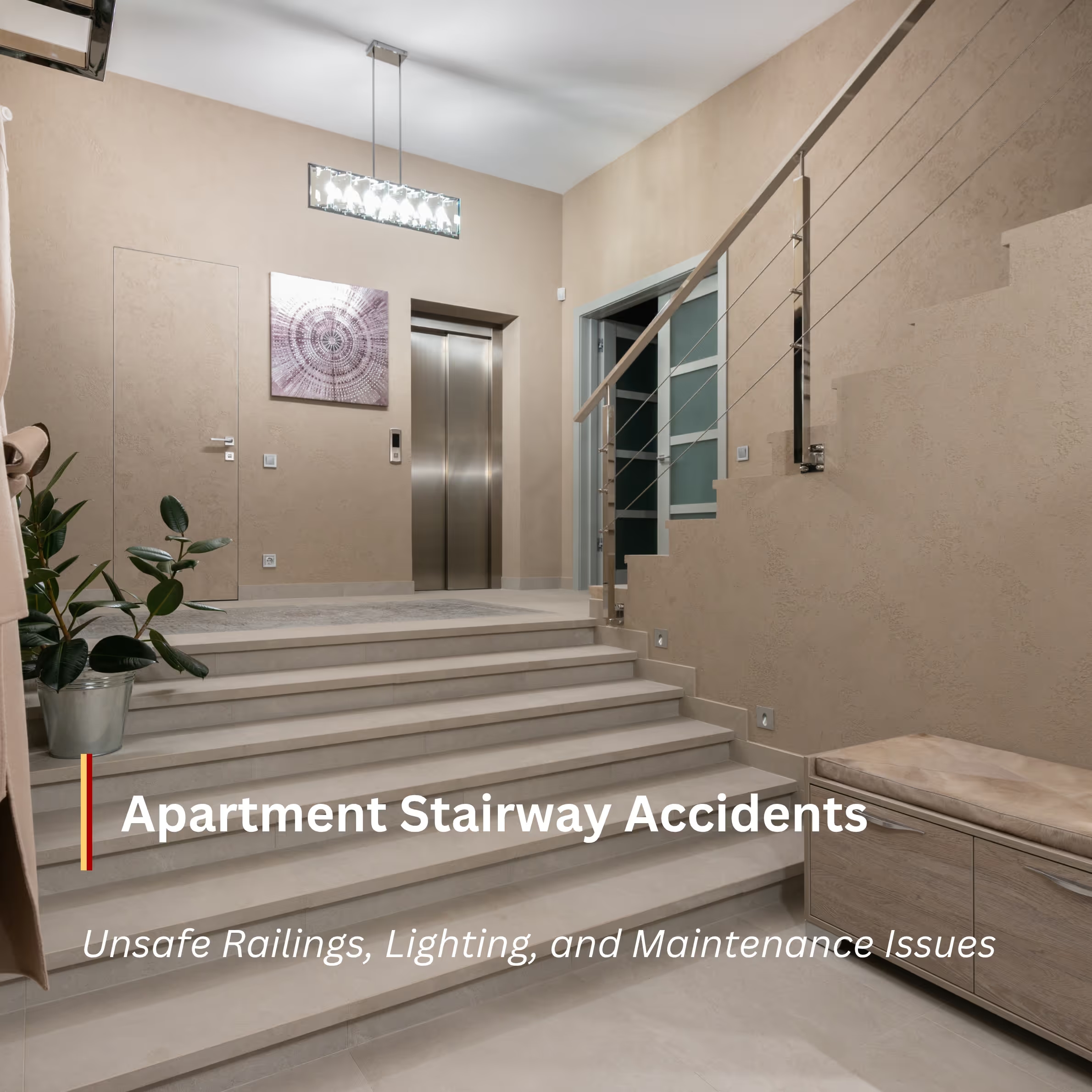
Apartments are a popular choice for many young individuals and students. However, apartment stairway accidents due to unsafe railings, inadequate lighting, and maintenance issues may cause serious injuries to all parties involved. Understanding the responsibilities of property owners as well as the necessary steps to take if you are involved in an apartment stairway accident is important to maintaining your safety and well-being moving forward.
Apartment stairway accidents can occur for many reasons. Some falls result from an individual's misstep, while others may involve a dangerous property condition. Common stairway hazards may include, but are not limited to, the following.
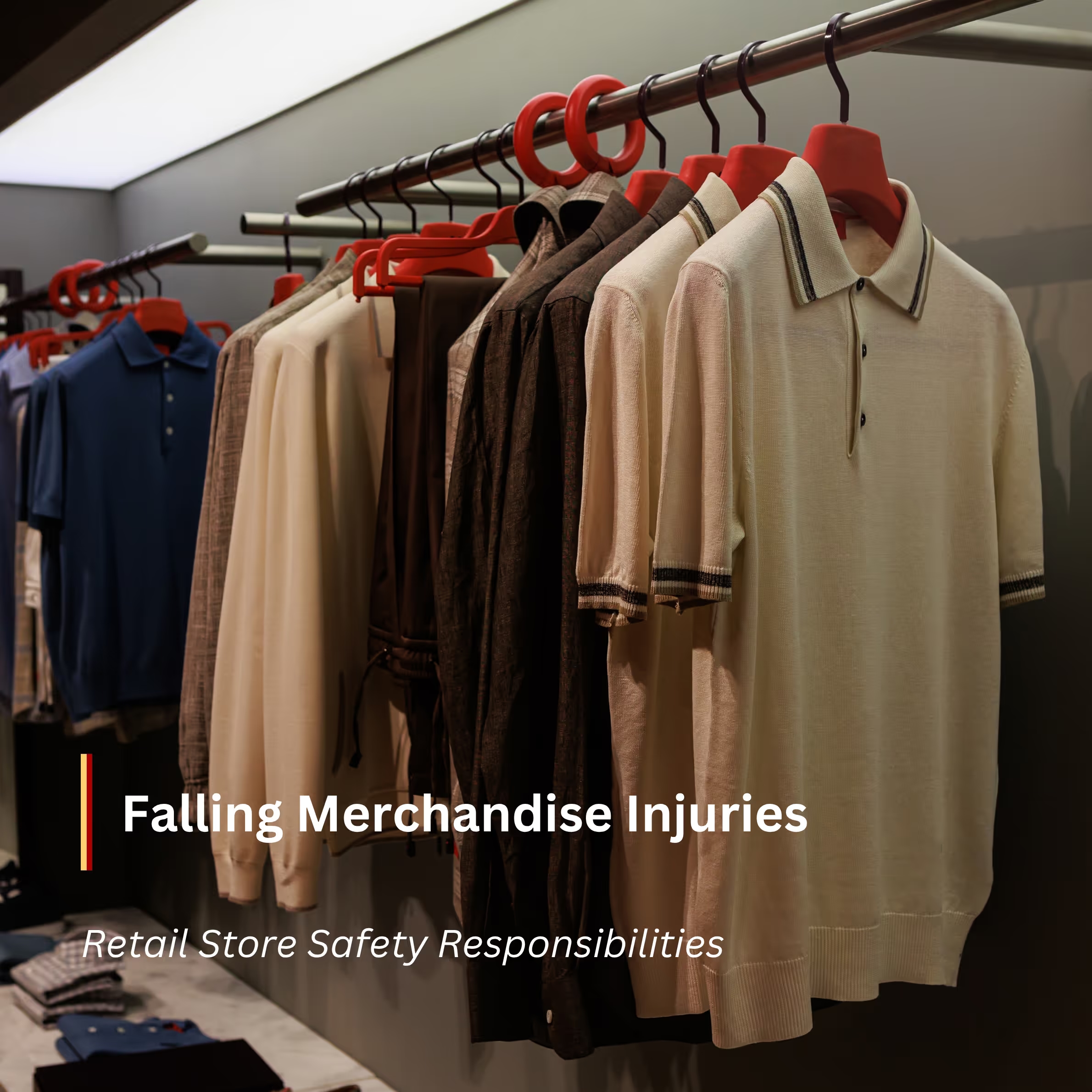
Merchandise in a store is usually not something individuals are concerned about. However, falling merchandise may cause serious injuries to individuals and nearby employees. Merchandise that is stacked and properly, unstable, or not adequately secured may fall and cause serious injuries that may require medical care. Understanding these types of accidents and how to prevent them is important the next time you go shopping.
Merchandise can fall for many reasons. Some incidents involve products that were stacked too high or placed unevenly. Others may result from damaged shelving, overloaded racks, unstable displays, or merchandise being stored in a way that allows it to move. Common circumstances may include, but are not limited to:
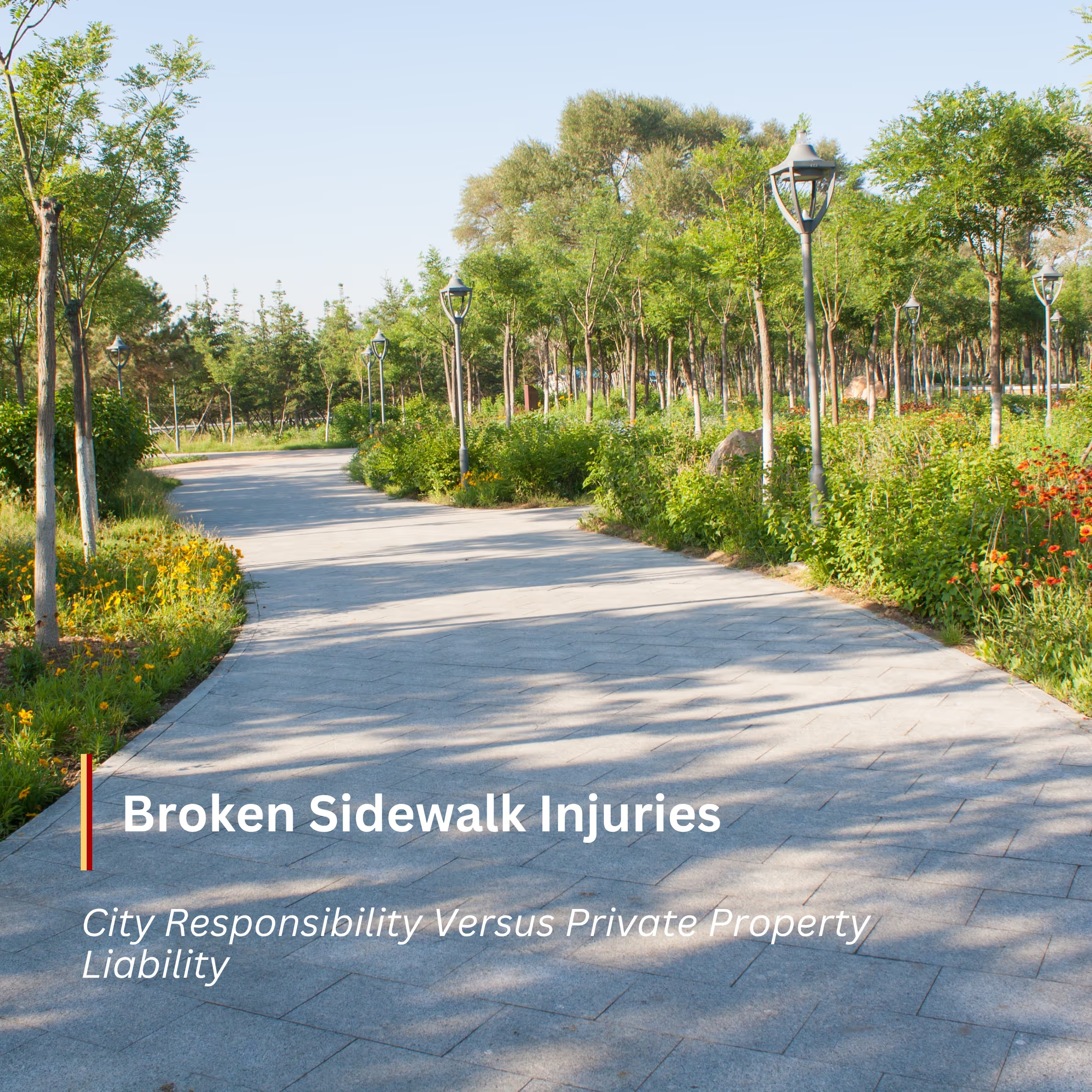
Sidewalks are meant for individuals and loved ones to enjoy the warm weather and spend time with one another. However, when sidewalks are broken or uneven, many pedestrians can suffer from severe injuries, leaving them in a state of fear and panic. Understanding the dangers of sidewalks and what to do if an injury occurs is important in making sure you maintain the safety of yourself and those around you.
Sidewalks can deteriorate gradually or become hazardous due to surrounding conditions. The following are common sidewalk hazards that may pose dangers to pedestrians.
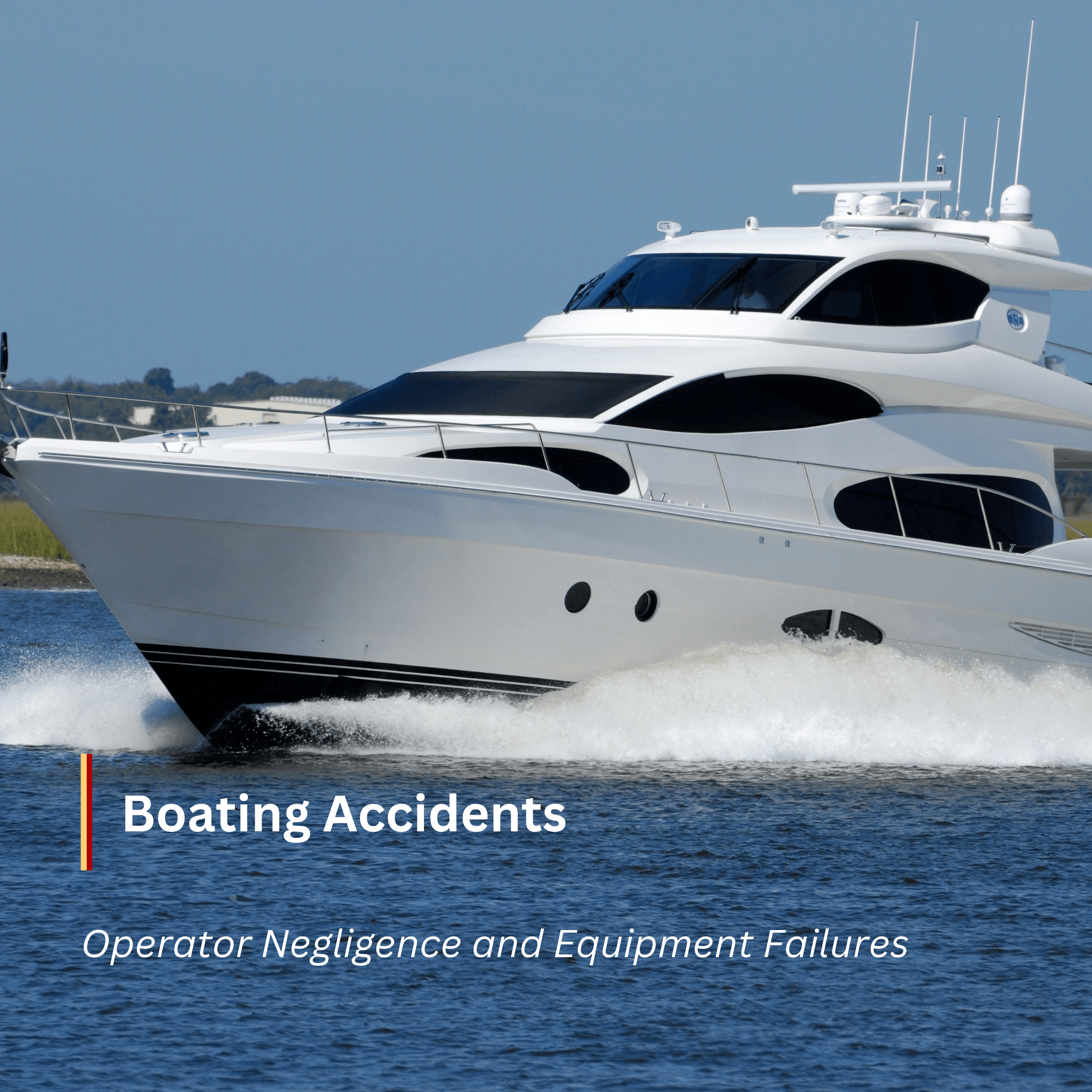
Boating is meant to be a fun and exciting experience for families, friends, and surrounding community members. However, when inadequate equipment and proper safety precautions are not taken, hazards and injuries may occur. Understanding the dangers of poor boating practices and the steps to take to reduce the risk of injuries is important in maintaining one’s safety and the safety of others the next time you are on the water.
Boating accidents can happen for many reasons. Some involve collisions between vessels, while others involve passengers falling overboard, boats striking docks or fixed objects, fires, flooding, capsizing, or injuries involving propellers. Potential contributing factors may include, but are not limited to, the following.
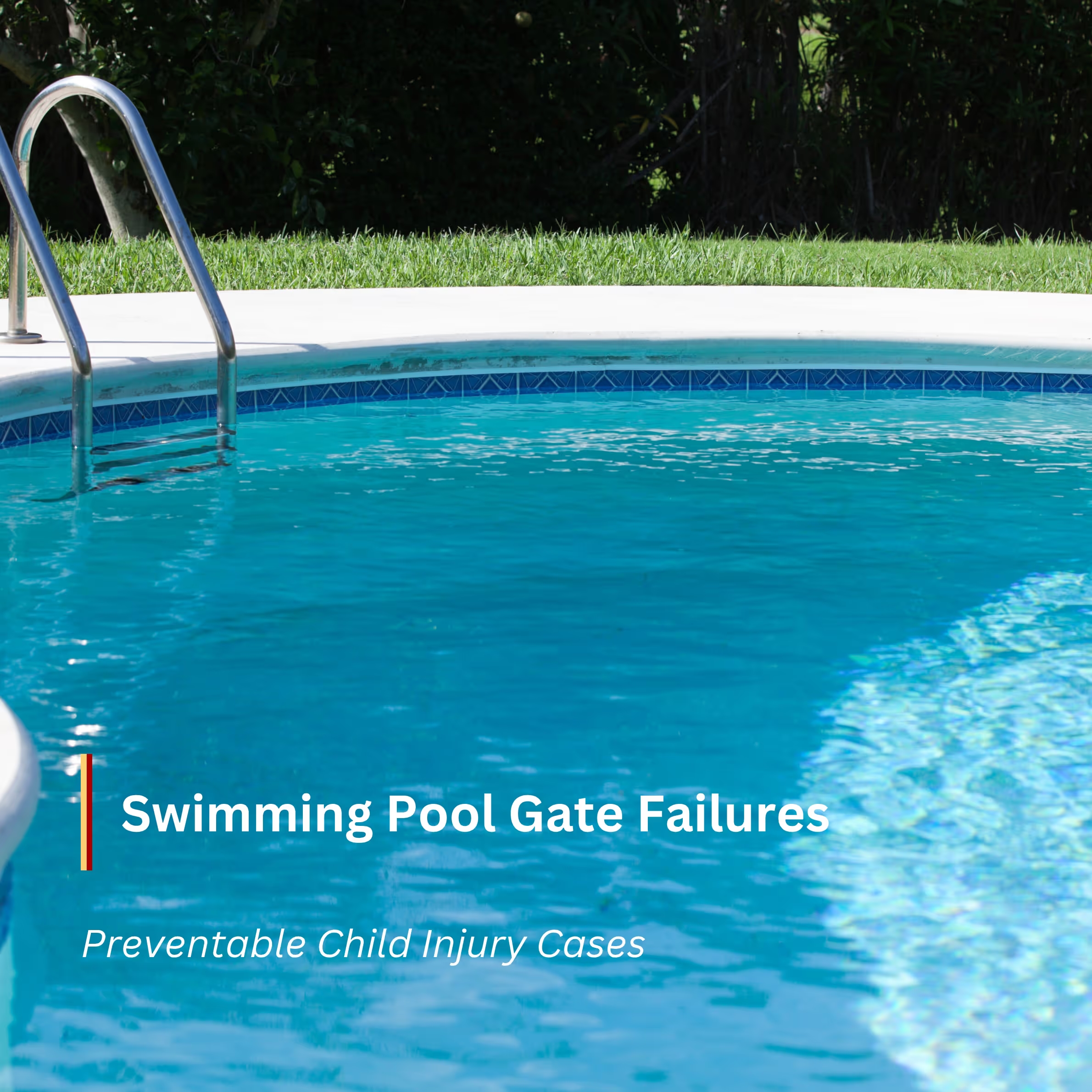
Swimming pools are a great way for families and friends to enjoy the warmer months, especially during the summer. Children are able to laugh and play with pool toys and create moments that will last forever. However, when swimming pool gate failure accidents occur, they may pose serious threats to children and their families. Understanding how a swimming pool gate failure may contribute to injuries is important the next time you go inside a pool.
Pool gates are intended to create a physical barrier between children and the water. Young children may not recognize the danger associated with entering a pool area without adult supervision. As a result, a properly functioning gate can be an important component of a broader pool-safety system.
A gate may appear safe while still creating a safety concern. Problems can develop because of age, weather exposure, improper installation, damaged hardware, or a lack of maintenance. Common pool gate problems may include, but are not limited to, the following.
Not every defect will necessarily result in property owner liability. California law generally examines whether the condition created an unreasonable risk of harm and whether the person or entity responsible for the premises acted reasonably under the circumstances.
California premises liability is based on negligence. A person pursuing a premises liability claim usually must establish that the individual who owned, leased, occupied, or controlled the property was negligent in its use or maintenance. Property owners and others controlling premises generally have a duty to use reasonable care to keep the property in a reasonably safe condition. This can include taking reasonable steps to discover unsafe conditions and repairing them, protecting people from them, or providing an adequate warning.
One important question in many unsafe property condition cases is whether the owner knew or reasonably should have known about the hazard. Actual knowledge may exist when an owner, manager, or employee was directly aware of the condition. This issue can be particularly important in stores, restaurants, apartment complexes, shopping centers, hotels, and other properties where conditions can change throughout the day.
The existence of a dangerous condition alone does not necessarily establish negligence. The circumstances surrounding how the hazard occurred and whether there was a reasonable opportunity to discover and address it may need to be examined.
Property hazards can cause injuries ranging from relatively minor to significant. Slip-and-fall accidents may result in the following injuries.
Medical records can be important in documenting the nature of an injury and connecting treatment to the accident. Seeking appropriate medical attention can also help identify injuries that may not be immediately apparent.
Evidence can change or disappear quickly after a premises accident. A spill may be cleaned, damaged flooring may be repaired, surveillance footage may eventually be overwritten, or warning signs may be moved. When possible, an injured person should document the area where the accident happened. Photographs or videos may help show the condition of the property at the time of the incident. The accident should also be reported to the property owner, manager, landlord, or appropriate employee. If an incident report is prepared, victims should keep a copy when available.
It may also be helpful to obtain contact information from witnesses and preserve damaged shoes, clothing, or personal property related to the accident. Medical bills, treatment records, photographs, correspondence with the property owner, and other documentation should also be retained. Additionally, victims should avoid making assumptions about who is legally responsible before the circumstances have been investigated. Ownership and responsibility for maintaining a particular area are not always the same.
Depending on the circumstances, more than one person or entity may have responsibility for maintaining a property. Potentially involved parties may include but are not limited to the following individuals.
Control can be especially important in premises liability cases. A person or company does not necessarily have to own the property to potentially have legal responsibility for its condition. Determining responsibility may require reviewing the following pieces of information.
Unsafe property conditions may cause serious injuries to victims and their loved ones. Understanding the importance of maintaining the conditions on your property is crucial to ensuring you are keeping yourself and the one’s around you safe and free of unnecessary harm. Additionally, it may be helpful to seek the help of a legal professional who can explain applicable laws, preserve documents, and help you work towards recovering from your injuries.
The legal team at KAASS LAW is determined to help victims understand their rights and responsibilities throughout the personal injury process. Oftentimes, dealing with the aftermath of an accident may include additional legal and insurance challenges. That is why we are here to help. The qualified personal injury attorneys of KAASS LAW can provide support and guidance to individuals and allow them to focus on the recovery process. Contact KAASS LAW today to learn more.
It may also be important to understand if negligent behaviors were involved. Negligence usually involves determining whether a person or entity owed a duty of reasonable care, whether that duty was breached, and whether the breach caused injuries or other losses.
When a collision involves a government-operated bus or another public entity, additional procedural requirements may apply. California law usually sets specific requirements and deadlines for claims against governmental entities. These deadlines may be much shorter than the time limits that apply to some ordinary personal injury lawsuits. The circumstances of each accident are different. Liability could potentially involve the following individuals or parties.
Following a helicopter crash, investigators may examine the following.
Until investigators reach their findings, conclusions about mechanical failure, pilot error, maintenance issues, or other possible causes should not be treated as facts. Depending on the eventual findings, a civil aviation matter could potentially involve an aircraft operator, maintenance provider, manufacturer, employer, property owner, or other responsible party. Whether any specific individual or party is responsible often depends on the facts and applicable law.
Depending on the circumstances, recoverable damages may include but are not limited to the following.
Families who lose a loved one may also have potential wrongful-death or related claims. The persons entitled to bring such claims and the damages potentially available depend on California law and the individual circumstances.
After an accident, medical needs should come first. Injuries may not always be fully obvious immediately after a collision. When possible, injured individuals may also want to preserve documents and evidence related to the incident. This can include, but is not limited to, the following.
Preserving documents and evidence is crucial as it can help investigators understand how the accident happened. In addition, it may also be important to avoid discarding damaged personal property or other evidence that could later become relevant. Since evidence can disappear, and legal deadlines may apply, obtaining information about applicable rights and deadlines early can help an injured person make informed decisions.
Seeking legal assistance after suffering injuries from a bus or helicopter accident may be important in getting back on the road to recovery. Oftentimes, these types of accidents may present serious legal or insurance challenges. That is why the proper legal counsel may be important moving forward.
Our qualified personal injury attorneys may be able to review the specific facts of your case, preserve important pieces of evidence, and assist throughout the legal process. In addition, an attorney reviewing an accident may investigate available evidence, identify potentially responsible parties, determine applicable filing requirements, communicate with insurance companies on your behalf, as well as explain the legal options available based on the circumstances. These may be crucial components of the recovery process and for the future of your personal injury claims. If you have suffered injuries from an accident, don’t wait. Call KAASS LAW today for a confidential consultation and to learn more about your rights moving forward in the claims process.
Not every injury involving a power tool means that the product was defective. Determining whether a potential product liability claim exists usually requires examining the tool itself, its design, manufacturing history, warnings, instructions, maintenance, and the circumstances surrounding the accident.
Product liability claims may involve several different theories. In California, product liability may be based on a manufacturing defect, design defect, or inadequate warnings or instructions.
A manufacturing defect may occur when a specific product is different from its intended design because of an error during production or assembly.
Possible concerns could involve inadequate guarding around moving components, unexpected activation, unsafe placement of controls, or safety mechanisms that do not adequately address future risks.
A warning-related claim may arise when a manufacturer or seller allegedly fails to adequately communicate a risk that users may not reasonably recognize.
Construction workers, carpenters, mechanics, electricians, maintenance employees, warehouse workers, and manufacturing employees may regularly work around power tools. When an employee is injured while performing job duties, workers' compensation may be one potential source of benefits. Workers' compensation and third-party product liability matters involve different legal principles. An attorney can evaluate how these issues may apply to the facts of a particular workplace accident.
Power tool accidents are not limited to professional workplaces. Consumers frequently purchase drills, saws, nail guns, pressure washers, lawn equipment, and similar products for home repairs and maintenance.
An accident may occur even when someone is attempting to use a product for its intended purpose. For this reason, investigators may consider how the tool was being used, whether it had been modified, what warnings came with it, and whether its condition changed after purchase.
Depending on the facts and applicable law, several individuals within a product's chain of distribution may need to be evaluated. These may include but are not limited to the following individuals.
The potentially responsible parties will be very different from case to case. Identifying the manufacturer and model of the tool and preserving the actual product may be important when investigating an accident.
The condition of the power tool after an accident may provide important information about what happened. If possible, the tool should be preserved rather than repaired, altered, discarded, or returned before legal advice is obtained.
Other potentially relevant materials may include photographs and videos of the tool and accident scene, receipts, packaging, model and serial numbers, instruction manuals, warning labels, maintenance records, witness information, workplace incident reports, and medical documentation.
After a dangerous power tool accident, it may be beneficial to speak to a legal professional who can help you understand your rights and responsibilities throughout your personal injury claims. Oftentimes, product liability laws may cause additional challenges to individuals who have already suffered from the aftermath of a power tool accident. As a result, seeking legal guidance and support may provide a sense of ease while progressing through the legal process.
The qualified personal injury attorneys at KAASS LAW are determined to help victims and their loved ones recover from a dangerous power tool accident. Our legal team may review the facts of your case, preserve important pieces of evidence, and help you move forward with the legal process. If you have suffered injuries from a dangerous power tool accident, you are not alone. Call KAASS LAW today for a confidential consultation.
Whether a particular design is legally defective depends on the facts and circumstances of the case and may require evaluation by engineers or other qualified professionals.
Manufacturers and sellers may also have responsibilities regarding warnings and instructions for reasonably possible risks associated with their products. Helmet instructions may address issues such as proper sizing, correct positioning, strap adjustment, replacement after an impact, maintenance, and limitations on the types of activities for which the helmet was designed. If important safety information was missed, failure-to-warn issues may become relevant to a product liability investigation.
Potential helmet defects can involve numerous components. Examples may include the following.
The existence of one of these issues does not automatically establish legal liability. A product defect usually must also have contributed to the person's injury.
When a helmet does not provide its intended level of protection, the individual wearing it may experience significant injuries. Depending on the circumstances and severity of the accident, these may include, but are not limited to, the following.
In addition, an injury occurring while someone was wearing a helmet does not necessarily mean the helmet was defective. As a result, a product liability investigation may examine both the accident itself and the condition and performance of the helmet.
After a defective helmet accident, potentially liable parties may include the following individuals.
California product liability law recognizes several theories under which manufacturers or sellers may potentially be held responsible for injuries caused by defective products. Determining which parties may have legal responsibility requires an examination of how the helmet was designed, manufactured, distributed, sold, and used.
Preserving evidence can be especially important after an accident involving safety equipment. If possible, an injured person should avoid throwing away, repairing, modifying, or continuing to use the helmet involved in the accident. The helmet itself may become important evidence for evaluating whether a component broke, separated, deteriorated, or failed completely. Other potentially relevant evidence may include, but is not limited to, the following.
In addition, qualified experts may be able to inspect the helmet and evaluate its materials, construction, design, or performance.
A product recall may provide relevant information about known safety concerns, but a recall does not automatically establish liability in every individual case. In addition, the absence of a recall does not necessarily mean that a specific helmet could not have been defective.
Individuals can check federal safety agencies and manufacturer notices to determine whether a specific helmet model has been associated with a recall or safety warning. If a recall applies, documentation identifying the specific model, production date, lot number, or serial number may be useful when investigating the circumstances surrounding an injury.
It may be beneficial to speak to a legal professional after suffering injuries from a defective helmet accident in order to understand your rights and responsibilities moving forward. Oftentimes, these types of accidents may cause serious injuries, leaving individuals in a state of fear. Legal support may minimize that fear and provide a sense of security for the future.
The qualified personal injury attorneys at KAASS LAW are ready to help victims understand their rights and responsibilities for their personal injury claims. Our legal team may be able to review the specific facts of your case, speak to insurance companies, and help you understand the legalities throughout the claims process. Call KAASS LAW today for a confidential consultation.
Determining what caused a fall is an important part of evaluating a potential premises liability claim. Photographs, maintenance records, witness statements, inspection reports, surveillance footage, and prior complaints may help establish what the stairway looked like and whether the condition had existed before the accident.
Handrails can provide stability when someone walks up or down a staircase. When a railing is loose, broken, improperly secured, or missing, a person may have difficulty stopping a fall or maintaining balance. California premises liability principles usually require people who own, lease, occupy, or control property to use reasonable care in maintaining it.
However, the existence of a damaged railing does not automatically establish liability. The specific facts surrounding the condition and accident must be evaluated in detail.
Adequate lighting can be especially important in apartment stairwells, exterior staircases, parking structures, and hallways. Poor lighting may make it difficult to see the following.
Lighting problems may result from the following.
When investigating an accident involving poor lighting, evidence showing the conditions at approximately the time of the incident may be relevant. Since lighting conditions can quickly change, photographs or videos taken right after an accident may help document exactly what happened and how the accident occurred.
Routine inspection and maintenance can help identify potentially dangerous conditions before someone is injured. Apartment staircases are exposed to repeated foot traffic and, in some properties, rain, moisture, temperature changes, and other environmental conditions that may cause deterioration over time.
California makes it clear that landlords must conduct reasonable inspections in certain circumstances and take reasonable precautions regarding unsafe conditions that should have been discovered. This can be especially relevant to shared apartment staircases because these areas are often maintained or controlled by a landlord or property management company rather than an individual tenant. The legal analysis can become more complicated when maintenance responsibilities are divided among a property owner, management company, contractor, or other party.
Depending on the circumstances, potentially responsible parties may include, but are not limited to, the following individuals.
Under California premises liability principles, a claim usually involves questions regarding the following.
A key issue is often whether the responsible party knew or reasonably should have known about the dangerous condition and had a reasonable opportunity to address it.
Falls on stairs can cause injuries ranging from relatively minor bruising to conditions requiring significant medical treatment. Depending on the circumstances, injuries may include fractures, sprains, head injuries, back or neck injuries, shoulder injuries, knee injuries, cuts, or soft-tissue injuries.
Medical evaluation after an accident may help identify injuries and establish documentation regarding symptoms and treatment. Some injuries may not be immediately apparent following a fall.
Individuals who have been involved in an apartment stairway accident should consider the following steps to help them recover.
A legal professional may be able to explain applicable laws, review the specific facts of your case, and help you understand your rights moving forward after being involved in an apartment stairway accident. Oftentimes, unsafe railings, poor lighting, and serious maintenance issues may cause individuals to suffer long-term injuries and damage. The appropriate legal advice may be beneficial to provide a sense of support and guidance for individuals, especially during this challenging time.
The qualified personal injury attorneys at KAASS LAW may be able to preserve the necessary pieces of evidence and help you move towards recovery after being involved in an apartment stairway accident. Our legal team is determined to provide support to victims and their loved ones when they face difficult insurance and legal questions throughout the claims process. If you have suffered injuries from an apartment stairway accident, call KAASS LAW today for a confidential consultation.
Liability usually requires consideration of what happened, who controlled the condition, what the store knew or reasonably should have known, and whether reasonable precautions were taken.
California premises liability law usually requires property owners and businesses controlling property to use reasonable care in managing and maintaining their premises. A retail store is not automatically responsible whenever someone is injured on its premises. California courts have recognized that a store owner is not an insurer of every customer's safety. However, a store must still maintain its products. For falling merchandise, reasonable precautions may include, but are not limited to, the following.
Regular inspection can be important in retail environments because merchandise and displays change throughout the day. Employees stock products, customers move items, and shelves may become disorganized. As a result, a store's inspection practices may become relevant after an accident. Questions may include when the area was last inspected, whether employees noticed an unstable display, whether similar problems had previously occurred, and whether store policies regarding stocking and shelving were followed.
The retailer may be one potential party, but falling merchandise cases can also involve other individuals. For example, a merchandising company or product distributor may have created or maintained a display. A shelving manufacturer or installer could potentially become relevant if a defective or improperly installed shelving system contributed to the incident. Contractors responsible for stocking or maintaining merchandise might also be involved. Determining responsibility may require reviewing contracts, surveillance footage, maintenance records, employee statements, stocking procedures, and other evidence.
The severity of an injury may depend on the weight of the object, the height from which it fell, and the part of the body it struck. The following injuries may occur after merchandise falls inside a store.
It is also important to note that some symptoms may not be immediately obvious. Someone who has been struck by falling merchandise should consider obtaining appropriate medical evaluation, especially when experiencing pain, dizziness, headaches, limited mobility, or other concerning symptoms.
After an accident, health and safety should come first. When it is safe to do so, victims should also consider the following steps.
It may also be important to identify potential video surveillance as soon as possible. Retail security footage can sometimes show how merchandise was positioned before an accident or document the incident itself.
Evidence can be particularly important because a store may rearrange or restock the area shortly after an accident. Potential evidence may include, but is not limited to, the following.
Individuals who have been hit by falling merchandise from a store may consider speaking to a legal professional to better understand their rights and legal considerations moving forward. An attorney may be able to review the facts of your case, help you preserve important pieces of evidence, and explain applicable laws that may be useful later on.
Our qualified personal injury attorneys at KAASS LAW are determined to help you feel supported after suffering injuries from a falling merchandise accident. Oftentimes, individuals are unaware of their rights and the necessary steps they may need to take to recover from this type of accident. That is where KAASS LAW comes in. Call us today for a confidential consultation.
It is important to note that not every sidewalk defect automatically creates legal liability. The circumstances surrounding the defect, including its size, visibility, location, and the conditions at the time of the incident, may affect whether it is considered legally dangerous.
California Government Code Section 835 provides a framework for claims involving dangerous conditions of public property. A public entity may be liable when a person establishes that the property was in a dangerous condition, the condition caused the injury, and the condition created a reasonably foreseeable risk of that type of injury.
California Streets and Highways Code Section 5610 usually places responsibility on owners of lots fronting public streets to maintain adjoining sidewalks so that they do not endanger individuals or properties. However, a statutory maintenance obligation does not necessarily mean that an adjacent property owner is automatically liable to an injured pedestrian.
A different issue may arise when the property owner's own conduct contributed to or created the sidewalk hazard. Potential liability may need to be evaluated when an owner alters a sidewalk for the benefit of the property, performs construction that damages the pavement, or creates a dangerous condition.
A pedestrian may see a raised sidewalk next to a private residence and assume the homeowner is responsible. But determining liability can require investigating who owns or controls the tree, who planted it, who maintains it, whether its roots caused the defect, and whether a local law changes certain responsibilities to the neighboring owner.
It is important to note that just because a tree is located near private property may not resolve these questions. The circumstances that caused the sidewalk displacement should be investigated before responsibility is granted to a particular party.
A city or property owner may argue that the injured pedestrian should have noticed and avoided the dangerous sidewalk condition. However, California follows comparative negligence principles. This means that an injured person's behavior may be considered when determining responsibility and damages. The following are issues that may arise.
Falls caused by defective sidewalks can result in injuries ranging from relatively minor conditions to injuries requiring significant medical treatment. Depending on the circumstances, these injuries may include but are not limited to the following.
Medical documentation can help establish the nature of an injury, the treatment received, and whether additional care may be necessary.
Individuals who may be involved in a broken sidewalk accident should consider seeking legal guidance and support to better understand their rights and responsibilities moving forward. Oftentimes, broken or uneven sidewalks can cause severe injuries to individuals and pedestrians on the road. These accidents may also pose serious challenges and complications to those pedestrians and their loved ones. A legal professional may be able to explain applicable California laws, review the facts of your case, and help you understand your rights throughout the claims process.
At KAASS LAW, we understand the challenges and difficulties individuals may face after suffering injuries from a broken sidewalk accident. Our qualified personal injury attorneys may be able to speak to insurance companies on your behalf, help determine potentially liable parties, and preserve necessary pieces of evidence that can be used later on. If you or a loved one has been involved in a broken sidewalk accident, you are not alone. Call KAASS LAW today to learn more about your potential options moving forward.
The circumstances surrounding each accident are different. In some cases, more than one person or company may have contributed to the incident.
Boat operators usually have a responsibility to operate their vessels with reasonable care under the given circumstances. This includes paying attention to surrounding vessels, maintaining an appropriate speed, following applicable navigation requirements, and responding appropriately to changing conditions. Alcohol can also become an important factor in boating accident investigations. Alcohol may affect judgment, coordination, reaction time, and the ability to safely navigate a vessel.
Whether an operator was legally negligent depends on the specific facts of the incident. Evidence such as witness statements, photographs, law enforcement reports, vessel data, and boating records may help investigators understand what happened.
Maintaining awareness of the surrounding environment is an important part of safe boating. Operators should watch for other boats, swimmers, personal watercraft, docks, floating objects, and changing water conditions. Distractions may include mobile phones, conversations with passengers, adjusting onboard equipment, or other activities that take the operator's attention away from navigation.
Not every boating accident results from operator conduct. Sometimes the vessel or one of its components may malfunction. Potential equipment problems may involve the following.
Determining why equipment failed often requires more than simply identifying the damaged component. The investigation may need to consider whether the equipment was defective when manufactured, improperly installed, inadequately repaired, or poorly maintained.
Some boating accidents may involve questions of product liability. A manufacturer, distributor, or another party associated with a product may potentially face liability when a defective product contributes to an injury, depending on the circumstances and applicable law. Potential defects can involve the design of a product, the manufacturing process, or warnings and instructions provided with the product.
As a result, preserving the boat and damaged components after an accident can be important. Repairing, modifying, or disposing of the vessel too quickly may make it more difficult to determine whether a mechanical or product-related problem contributed to the incident.
Mechanical failure does not necessarily mean that a product was defective. Boats require regular inspection and maintenance. Engines, fuel lines, steering systems, batteries, electrical systems, and safety equipment may deteriorate over time.
If an owner knew or reasonably should have known about a mechanical problem but continued using the vessel without addressing it, maintenance practices may become relevant to the liability analysis. Maintenance records, repair invoices, inspection reports, and prior complaints involving the vessel may help determine whether a known problem existed before the accident.
Liability following a boating accident depends on the facts and applicable law. Potentially responsible parties may include but are not limited to the following individuals.
California also follows comparative fault principles, which may affect how responsibility and damages are distributed when multiple parties contributed to an incident.
Victims may benefit from seeking legal guidance and support after suffering injuries from a boating accident as a way to better understand their rights and legal options moving forward. Often, these types of water accidents may present significant dangers and cause serious injuries. A qualified attorney may be able to review the specific facts of your case and provide you with the support you need to get back on the road to recovery.
The professional personal injury attorneys at KAASS LAW are ready and determined to help victims and family members understand the crucial steps to take after being involved in a boating accident. Our legal team wants to make sure you are aware of your rights and applicable laws that may be beneficial to you throughout the claims process. Call KAASS LAW today for a confidential consultation.
Whether any specific condition violates applicable law or establishes liability requires an evaluation of the specific property, applicable codes, and facts surrounding the accident.
California's Swimming Pool Safety Act establishes drowning-prevention requirements for certain residential pools and spas. California Health and Safety Code Section 115922 usually requires at least two specified drowning-prevention safety features. Potential measures include qualifying enclosures, removable mesh fencing with a self-closing and self-latching gate, safety pool covers, exit alarms, certain self-closing and self-latching door devices, and qualifying pool alarms.
A pool gate is only useful as a safety barrier when it functions as planned. The following are common types of injuries that may occur after a swimming pool accident.
Potential responsibility depends on who controlled the property and who had responsibility for installing, inspecting, maintaining, or repairing the pool barrier. A property owner may potentially face liability if evidence shows that the owner knew or reasonably should have known about a dangerous condition and failed to take appropriate steps. In rental or commercial settings, landlords, property management companies, homeowners associations, maintenance companies, or other entities may also have responsibilities depending on their control over the premises.
Evidence can be especially important after a swimming pool accident because a defective gate may be repaired or replaced shortly afterward. Photographs or videos of the gate, latch, hinges, fence, and surrounding pool area may help document the condition that existed near the time of the incident. Surveillance footage may also provide information about whether the gate was closing properly or how the child entered the pool area. Other potentially relevant evidence may include, but is not limited to, the following.
Medical records may document the nature and extent of the child's injuries and treatment.
When another party is legally responsible for a child's injuries, California law may permit recovery of certain damages depending on the facts and applicable law. Potential damages may relate to the following.
Cases involving significant neurological or physical injuries may also require evaluation of anticipated long-term care. The type and amount of damages available depend on the evidence and circumstances of the individual case. No particular outcome or amount of compensation can be predicted or guaranteed.
Legal guidance and support after you have faced a swimming pool gate failure accident is important in making sure you are aware of your rights throughout your personal injury case. A legal professional may be able to review the specific facts, speak to insurance companies on your behalf, and help you understand applicable laws.
The legal team at KAASS LAW is ready to help families understand the importance of swimming pool gates. When a swimming pool accident occurs due to a faulty gate or other unsafe property conditions, it may cause serious damage to children and their loved ones. Our qualified personal injury attorneys understand the challenges that may come after a swimming pool gate failure accident and want to help victims move forward. Call KAASS LAW today to discuss your potential options.