

Proposition 64 has brought major changes in the state of California. However, it hasn't completely stopped all legal complexities, especially when it comes to driving. While anyone at the age of 21 and over can legally possess and use marijuana within certain limits, operating a vehicle while in possession of it still carries legal challenges. Understanding these layers of law is important for CA drivers so we may avoid any legal penalties. At KAASS LAW, we are committed to providing anything that requires clarifications on these evolving laws. Furthermore, we strive to protect your rights on the road.
Even if you're not actively under the influence while driving, just having it in your vehicle can lead to legal issues, given the circumstances. Here are a couple of violations worth mentioning:
Driving under the influence is a serious charge. You can have a citation for an open container violation even if you're dead sober. However, if law enforcement suspects you are driving impaired, they will conduct a DUI search. These can be stressful and, if convicted or arrested, financially costly, in addition to wasting a lot of your time.
A police officer can only search an individual's car if:
Should a police officer do an unlawful search and then find marijuana inside the car, that marijuana, which is deemed to be evidence, can be excluded for purposes of the case. Additionally, the case may also be dropped as a result of an unlawful search.
If you are pulled over and questioned about marijuana in your vehicle, it's essential to remain calm and exercise your rights:
Navigating California's marijuana laws, especially in the context of driving, can be complex. If you're in a legal dilemma for driving in possession of marijuana or a marijuana DUI, it's crucial to have experienced legal representation on your side. At KAASS LAW, we have a thorough understanding of these laws and can provide you with a strong defense. We will:
Don't think you can do this alone! Contact KAASS LAW today for a scheduled consultation service. Our office and its expert members can help and discuss your case so we may learn how we can help you navigate the legal complexities of driving in possession of marijuana in California.
Cultivating marijuana in California was treated as a felony offense under Health and Safety Code Section 11358 before Proposition 64. A felony is a criminal offense punishable by serving one year or longer in prison.
Proposition 64 went into effect on January 1, 2018, making it legal for individuals 21 years or older to grow marijuana for recreational purposes. Additionally, the sale of marijuana has also been legalized for those business entities that have been licensed to do so.
The following is a list of crimes related to marijuana that has been affected by Prop 64 Adult Use of Marijuana Act:
California is a state that has been at the forefront of the marijuana legalization movement. The passing of Proposition 64 has led to some new changes that may impact those who grow marijuana there. If you are looking to grow marijuana and have been wondering what your options are now, read on.
Yes, it is legal to grow marijuana in the state of California as per the passing of Proposition 64.
Proposition 64 is formerly known as the Control, Regulate, and Tax Adult Use of Marijuana Act. Per Proposition 64, adults ages 21 years or older may possess and grow a specified amount of marijuana for recreational use only. Under Prop 64, individuals are only allowed to grow up to only six (6) marijuana plants for recreational use. It is important to keep in mind, however, that possession of recreational marijuana is still a crime if it violates the Health and Safety Code Section.
Health and Safety Code 11358 HS is one of the associated codes associated with growing marijuana. Specifically, this code section defines the crime of illegal cultivation of marijuana if someone aged between 18 to 20 years old cultivates marijuana. This crime is considered an infraction that is punishable by a maximum fine of $100. An infraction is a violation of the law but is it is not considered to be a crime, unlike a felony or misdemeanor.

Health and safety code 11365 governs unlawful presence during unlawful controlled substance use. Getting arrested for HS 11365 can feel a lot like, being in the wrong place, at the wrong time.
Life is full of surprises, some good and some that just cause headaches. The law, on the other hand, is designed to be as unsurprising as possible. It has clear cut guidelines for what is, and what isn’t, legal. However, how the law gets used against you is another matter entirely. What could have been an honest mistake or an unfortunate coincidence can be damning in some respects of the law and California Health and Safety Code 11365 is one such law.
HS 11365 states that it is a misdemeanor to willingly and knowingly be somewhere that controlled substances are being used, given that you actually helped out or supported that usage. The law itself is sound, but many problems arise when this particular law is put into effect. This is because one can get charged with violating HS 11365 without ever having possessing any controlled substance or been under their influence. The way this typically works is that you may get arrested if you happened to be somewhere where controlled substance were being used; in practice this means that people can get charged with an HS 11365 violation for simply being in the wrong place, at the wrong time.
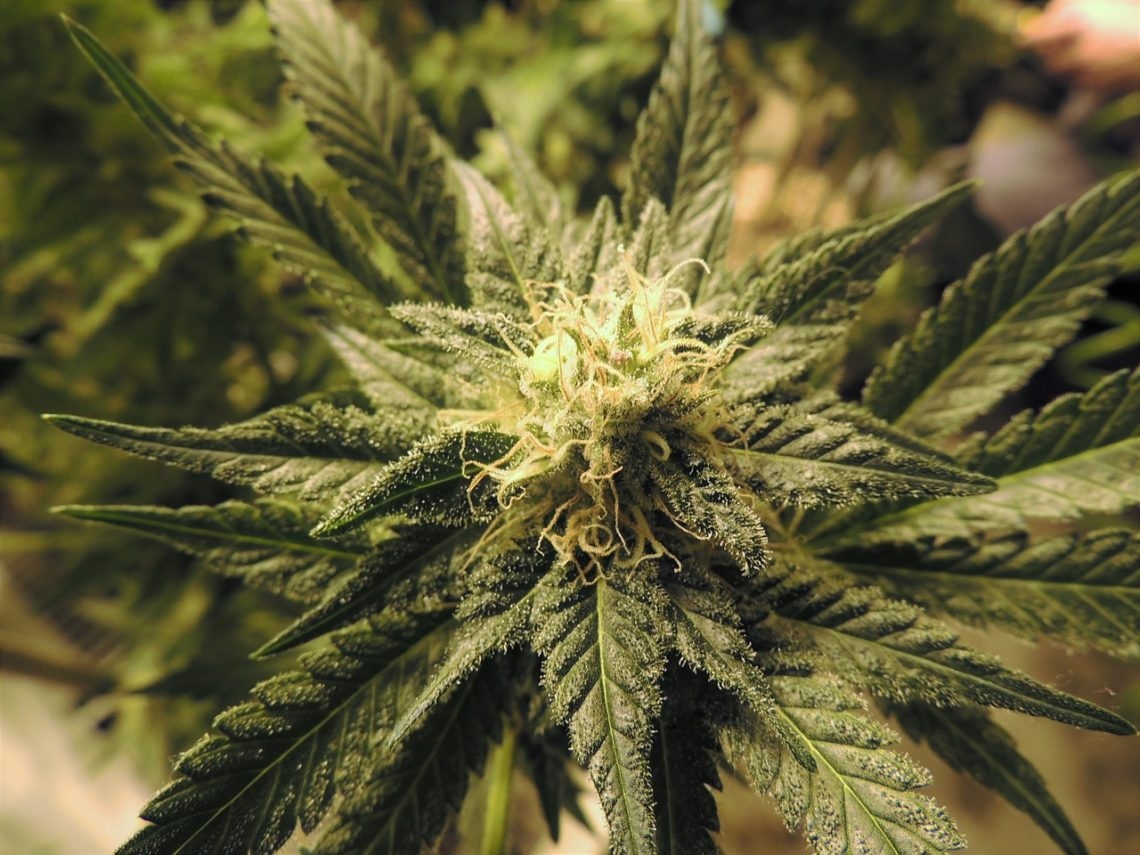
Under California Health and Safety Code 11358, individuals who are 21 and older can not only use marijuana recreationally, but they can also legally cultivate and grow their own marijuana plants. These new freedoms come with restrictions and regulations built into the very laws that grant their legal status, effectively limiting the amount of marijuana that one can legally own or cultivate for personal use. These limitations are designed to prevent excessive amounts from being created and distributed. Understanding these complex laws is a feat in itself, but being aware of them is important to all consumers of marijuana. In what follows, we break these laws down for you as simply as we can.
Health and Safety Code 11358 in relevant part, "...Each person who plants, cultivates, harvests, dries, or processes cannabis plants, or any part thereof, except as otherwise provided by law..."
It is legal to grow marijuana in California under H&S 11358, for person's over the age of 21 can grow up to 6 mature marijuana plants for their own personal use and cultivation. There are some strings attached, though. You will have to follow any additional local laws and ordinances that further regulate the cultivation of marijuana plants.
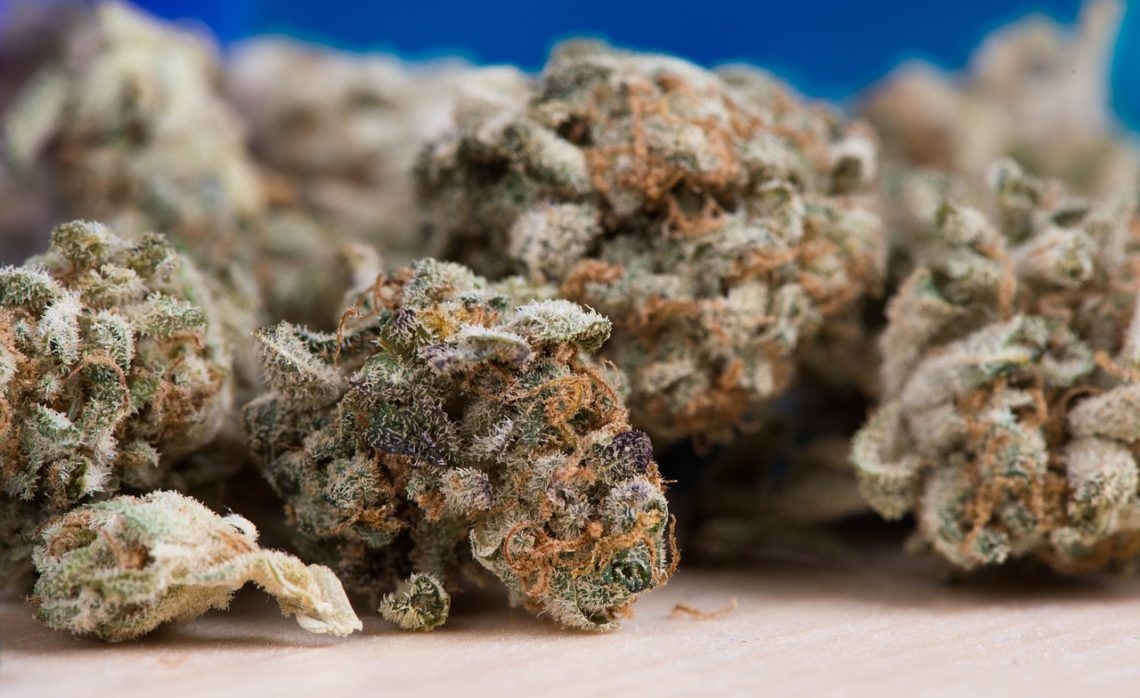
Beginning January 2018, recreational use of marijuana became legal in California, allowing persons 21 years and older to possess up to one ounce, or 28.5 grams of marijuana. The law was a direct result of Proposition 64 the Adult Use of Marijuana Act, which was approved in November of 2017. This new law does not change any statues or regulations pertaining to medicinal marijuana use, nor does it completely legalize marijuana use in every situation. As all laws, there are some strings attached that you should be aware of as a consumer.
The legalization of marijuana in California does not extend indefinitely, and you can still get incriminated for surpassing its limits. According to California Health and Safety Code § 11357, those limits are as follows:
HS 11357 Possession Offense
Type of Offense
Penalty Incurred
Possession of marijuana and/or concentrated cannabis by individuals under the age of 21
Infraction
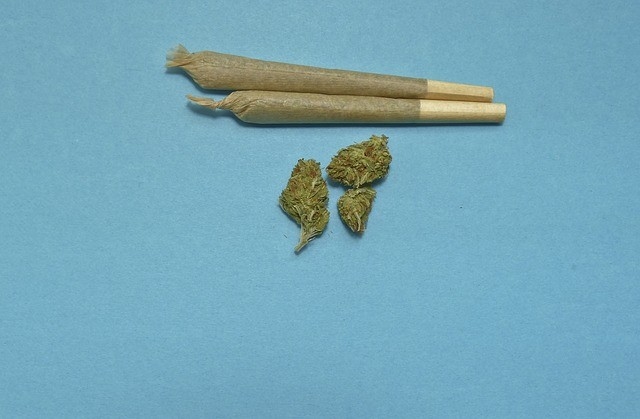
The gradual process of legalizing marijuana in California reached its climax in January of 2018, when marijuana became legalized. Once this new law came into effect, it changed the ways that some laws apply and affect cases surrounding the possession, utilization, and acquisition of marijuana. On the other hand, many procedures and statutes have not changed despite the legalization of marijuana. One such instance is the penalty one may accrue if they are caught with marijuana in their car while driving, which is detailed by the California Vehicle Code 23222(b) Driving In Possession of Marijuana.
California Vehicle Code 23222(b) maintains that it is illegal to possess marijuana while conducting a vehicle. In order to be charged with this, a law enforcement agent must be able to prove that you were in illegal possession of marijuana while driving. Thus, there are three primary components at play in this code. The keywords here are illegal, possession and driving. If even one of those three things does not apply, then you cannot be charged with violating California Vehicle Code 23222(b). However, it should be noted that just because one of those three elements may not apply, does not mean that you cannot be charged with violating another statute or law. For instance, California Health and Safety Code 11357(b) may still apply to you. Also, if it is determined that you were driving under the influence of marijuana, you can also be charged with a DUI pursuant to California Vehicle Code Section 23152(a)(b).
Individuals convicted prior to the passing of Proposition 64 may apply for resentencing. Resentencing under Proposition 64 may lead to an immediate release from jail. However, this may be contigent on how much time you have served.
An individual can make an application to the court to have their sentence reduced. This is true for individuals who are currently serving time related to marijuana crimes they were convicted of before the passing of Proposition 64. Typically, judges presume that individuals applying for such a request have met the criteria for Proposition 64 resentencing. However, this may not be the case should the prosecutor oppose the petition by proving clear and convincing evidence that the individual does not meet the criteria for resentencing. However, judges are supposed to resent individuals so long as the individual does not pose an unreasonable risk of danger to public safety.
Are you in need of legal advice or services from an attorney? We invite you to contact our Los Angeles criminal defense attorney at (310) 943-1171 for assistance. KAASS Law is always standing by and ready to provide legal assistance.
Some of the restrictions associated with growing marijuana pertain to the individual’s age who decides to grow marijuana. As previously mentioned, individuals aged between 18 to 20 years old may be cited with an infraction. Additionally, an individual is not permitted to grow more than six (6) hash plants. This would lead to county jail time of up to six (6) months as well as possibly being fined up to $500. Further, an individual must grow the hash plant indoors or on the premises of their own private property, lock the space efficiently, and grow the plants in an area that is not visible from a public place.
If you or someone you know is interested in growing marijuana for recreational use, contact our KAASS LAW firm at (310) 943-1171. Our attorneys can provide you with a consultation on your case and provide legal assistance to make sure you are in compliance.
Technical elements constitute the legal definition of presence during unlawful use of controlled substances, which means that for the HS 11365 charges to hold, the following five elements must be true:
Therefore, while HS 11365 has wording that focuses primarily around the idea of someone being ‘present’ while the use is happening, there is actually to show than merely being at the scene of the crime. You would additionally have to take an action or say something that helps or abets the use of the controlled substance.
Lending a ‘Helping Hand’ isn’t Always a Good Thing
To understand what ‘helping’ or ‘encouraging’ use of a controlled substance means in legal terms, we must know that it entails these critical points:
Clearly, there are a lot of principles and points that a violator of this statute would have to meet. To better illustrate these in a more real-world situation, let’s consider to different scenarios which may end with two very different results.
The following are examples of HS 11365 charges and how they might play out in court.
In the first scenario, suppose you went to a party with some friends where some people were snorting coke. You notice and become aware that some people are doing coke, but you choose not to say or do anything about it. You are clearly uneasy and you walk away whenever someone offers you a chance to do a line yourself. Given this scenario, you would not be found guilty of violating HS 11365 because even though you were present at a venue where drugs were being used, you did nothing to help or encourage the use of those drugs, nor did you partake in it yourself.
Conversely, let’s say the scene played out a bit differently. You’re still at a party with your friends where some people are using coke. Throughout the night, you dance with someone and have a few drinks with them. You take a liking to them and want to see them after the party. One of their friends interrupts by offering some coke. The person you liked looks at you for approval and you, not wanting to be a buzzkill, encourage them to go ahead and have fun. If that person then goes ahead and takes a hit of coke, then you may later be found guilty of violating HS 11365 since you encouraged the use of a controlled substance while at a place where they were being used.
California Health and Safety Code 11365 applies solely to a select group of ‘controlled substance’. These substances are:
As you may have noticed, marijuana is ostentatiously absent from the list. This is because California’s HS 11365 law does not apply to marijuana and thus you cannot be guilty of violating HS 11365 if you are present and encourage marijuana use.
As we alluded to at the beginning, knowingly being in a place where controlled substances are used is considered a misdemeanor. As such, the potential consequences are:
It is imperative to keep in mind that even if you are convicted of being present at the time of controlled substance use under Health and Safety Code 11365, you may still be eligible for California’s ‘deferred entry of judgement’ or pretrial diversion program. In a nutshell, deferred entry of judgement suspends the charged placed against you while you complete a state-approved drug rehabilitation program. Upon successfully finishing it, the charges get dismissed. However, to qualify for this option, there are some requirements. For example, you typically will need to have no previous controlled substance related charges and the charges need to not have involved violence.
There are a few legal defenses to California Health and Safety Code 11365. Despite possibly having the option of drug diversion, sometimes it may be far more sensible to fight the charges that are posed against you directly. This is typically done by using some of the common legal defenses, such as lack of knowledge.
As an example, if you weren’t aware of the illegal controlled substance use, and/or had no knowledge that your actions or words may have indirectly encouraged use of those substance, then you are not guilty of helping or supporting the use of controlled substances, even if you were present at the location. Alternatively, another method is to argue that you flat did not say or do anything to aid or support someone in using the controlled substance. These are just two of the many possible ways of defending an HS 11365 case.
For answers to any other questions you may still have about California Health and Safety Code 11365, about being present while controlled substances are used, or to discuss your case confidentially with our team of experienced California criminal defense attorneys, give us a call at (310) 943-1171. Our lawyers in Glendale, Los Angeles County, CA, are highly dedicated to serving the needs of our clients.
KAASS LAW is authorized to practice law in California. The above content is intended for California residents only. This content provides only general information which may or may not reflect current legal developments. KAASS LAW expressly disclaims all liability in respect to actions taken or not taken based on any of the contents of this website. The above content DOES NOT create an attorney-client relationship. KAASS LAW does not represent you unless you have expressly retained KAASS LAW in person at the KAASS LAW office. KAASS LAW helps clients in: Los Angeles, Burbank, Hollywood, Glendale, Van Nuys, North Hollywood, Studio City, Highland Park, Eagle Rock, Sunland, Tujunga, Sylmar, San Bernardino, La Crescenta, La Canada, Beverly Hills, Westwood, Santa Monica, Brentwood. Pacoima, Montebello, Commerce, Alhambra, Downey, Bell, Maywood, Walnut Park, Vernon, Lynwood, Echo Park, Silverlake, Mission Hills, Northridge, Woodland Hills, Encino, Canoga Park, North Hills, Porter Ranch, Chatsworth, Reseda.
Can you grow marijuana outdoors in California is a frequently asked question. In California you cannot grow marijuana outdoors, nor can it be plainly visible to the naked eye from a public place. In other words, you can’t realistically grow pot in your backyard, because if your neighbors can see it with their unaided vision, then it’s still technically illegal. Due to these restrictions, you will typically want to cultivate your marijuana indoors and somewhere that is not easily visible from the outside. Furthermore, if there is more than one person living in that residence, you are still limited to no more than 6 marijuana plants. In other words, you and your spouse cannot grow twelve plants together, because the 6 plant limit applies per residence, not per person.
You’ll have noticed pretty quickly that all of these official legal definitions and restrictions utilize the word ‘cultivate’ when referring to growing of marijuana plants. This is because it gives a sense of consistency to the semantics that are at play in the law. However, the word ‘cultivate’ in these legal contexts is a bit more encompassing than you might usually expect. Here, to cultivate can mean any or all of the following:
As you can see, the definition of ‘cultivate’ is heavily expanded in these contexts for simplicity’s sake and for the sake of being able to capture more meaning into the word itself. These additional meanings of ‘cultivate’ are significant because the wording of the law is key to understanding what you may be accused of or charged with. Because of the expanded meaning, you do not even have to be physically present to ‘cultivate’ marijuana—even just being indirectly involved with its process is sufficient to be accused. This means that if you were to help your friend remove the leaves, you’d still be ‘cultivating’ marijuana.
This is where things get a bit more murky. Cultivating marijuana for medicinal use is different than for personal use. Even the laws used to denote them are distinct. The one that matters most here is California’s “Compassionate Use Act of 1996”, which came into law through Proposition 215; its provisions are further outlined in California Health and Safety Code 11362.5 and other subsequent sections. In a nutshell, the Compassionate Use Act gives exemptions to the following groups from the usual California laws that govern and regulate the possession and cultivation of marijuana:
Medicinal marijuana patients and their primary caregivers can grow or cultivate 6 mature marijuana plants, 12 immature marijuana plants, or, with a doctor’s recommendation, an even greater number of plants, relative to the patients’ needs for treatment.
Now that marijuana legalization in California has kicked in, most violations of Health and Safety Code 11358 will be considered misdemeanors. The punishments for breaking this statute may include:
You should, however, keep in mind that violating HS 11358 does have more severe consequences if:
In these situation, you would instead be convicted of a felony and you could be sentenced up to 3 years in county jail and be fined a maximum fine of $10,000.
Provided that your arrest was solely for cultivating excessive amounts of marijuana for personal use, you are a non-violent first or second time offender, and/or you are a minor, you can qualify for deferred entry of judgement or a pretrial diversion (enter links to article here). In this case, you will have your sentencing put on hold while you participate and complete a state-approved drug counseling or treatment course. This procedure is due to California Penal Code 1000 and upon successfully completing it, the charges will be dismissed. Crucially, this means that the arrest and the charges will not exist on your record for most purposes, like applying for a job, school, housing, and other applications. However, it does require that you plead guilty first and foremost, as well as meeting the eligibility requirements. Only then will the court consider and accept your case for pretrial diversion. Whether or not your case may qualify for pretrial diversion is something your lawyer will discuss with you.
Proposition 64, now that it is fully in effect, has greatly changed the way that California handles marijuana cases as they pertain to use, possession, and cultivation. As a result of this, the law does work retroactively. In other words, if you were convicted of marijuana cultivation prior to the passing of Prop 64, you may now not be found guilty of convicting a crime at all. In fact, even if you had grown more than the legal limit of 6 marijuana plants, you would still have a reduced punishment since you would have been guilty of a misdemeanor, not a felony. Prop 64, through Health and Safety Code 11361.8 permits those who were convicted under the old version of HS 11358 to appeal for redesignation or resentencing of their violation. For the most part, the court will grant the resentencing without much thought, unless they feel that you would pose some serious risk to public safety. Based on how much of your sentence has already been served, you might even be subject to immediate release. This also holds true for those that were convicted of a marijuana cultivation or use felony under older laws; you can apply to have your crime redesignated from a felony to a misdemeanor, or possibly even get it expunged entirely if you would not been found guilty of any crime under these new laws.
A skilled criminal defense lawyer will get the details of your case and use them to shield you. The following are just some of the possible defenses that may be used in your situation:
f you or a loved one has been accused of violating California Health and Safety Code 11358, or any marijuana law, we invite you to give us a call at (310) 943-1171 to speak to a skilled Los Angeles marijuana defense attorney with confidentiality today.
Location & Directions KAASS LAW Location: 701 North Brand Blvd. Suite 100 Glendale, CA 91203 Telephone: (310) 943-1171 Email: [email protected]
Our lawyers in Glendale, Los Angeles, CA at KAASS LAW are authorized to practice law in California. The above content is intended for California residents only. This content provides only general information which may or may not reflect current legal developments. KAASS LAW expressly disclaims all liability in respect to actions taken or not taken based on any of the contents of this website. The above content DOES NOT create an attorney-client relationship. KAASS LAW does not represent you unless you have expressly retained KAASS LAW in person at the KAASS LAW office. KAASS LAW helps clients in: Los Angeles, Burbank, Hollywood, Glendale, Van Nuys, North Hollywood, Studio City, Highland Park, Eagle Rock, Sunland, Tujunga, Sylmar, San Bernardino, La Crescenta, La Canada, Beverly Hills, Westwood, Santa Monica, Brentwood. Pacoima, Montebello, Commerce, Alhambra, Downey, Bell, Maywood, Walnut Park, Vernon, Lynwood, Echo Park, Silverlake, Mission Hills, Northridge, Woodland Hills, Encino, Canoga Park, North Hills, Porter Ranch, Chatsworth, Reseda.
Drug counseling and community service hours for minors and a fine of $100 for those 18 and older
Owning more than 28.5 grams of marijuana and/or more than 8 grams of concentrated cannabis for minors (under 18 years of age)
Infraction
Drug counseling and community service hours
Having marijuana and/or concentrated cannabis in a K-12 institution while a minor (under 18 years of age)
Infraction
Drug counseling and community service hours
Owning more than 28.5 grams of marijuana and/or more than 8 grams of concentrated cannabis (18 years of age and up)
Misdemeanor
A maximum sentence of 6 months in county jail as well as a $500 fee
Having marijuana and/or concentrated cannabis in a K-12 institution (18 years of age and up)
Misdemeanor
Up to a $250 fee for the first offense, with subsequent offenses incurring additional penalties
Possession of more than 28.5 grams of marijuana or more than 8 grams of concentrated cannabis (hashish) is still illegal under California’s Health and Safety Code 11357. The above chart summarizes the consequences one may face for having excessive amounts of marijuana. Typically, for adults these consequences are deemed misdemeanors and will usually result in a fine of no more than $500 and/or 6 months in county jail, while for minors the crime is merely an infraction and the penalties are to attend drug counseling sessions and community service hours.
Having marijuana on school grounds is also illegal: for adults it is a misdemeanor and for minors it is an infraction. The penalties for minors who commit this crime are identical to the penalties that a minor may face if they possess excessive amounts of marijuana. For adults, it will usually result in a $250 fee for the first offense. Bear in mind that possessing any amount of marijuana at all as a minor is still illegal even in California, and the consequences range from paying a fine to facing drug education or counseling programs and community service.
There are several legal defenses that a skilled Los Angeles marijuana defense attorney can provide in cases that involve charges of illegal marijuana possession in California. These defenses include:
-You didn’t own the marijuana in question
-You were not aware that you had any marijuana
-The marijuana in question was procured in an illegal search or seizure
If you or someone you know is accused of violating California Health and Safety Code 11357 or California Vehicle Code 23222(b) illegal to possess marijuana while driving a vehicle we welcome you to give us a call at (310) 943-1171 to speak to a defense attorney for a free consultation.
KAASS LAW is authorized to practice law in California. The above content is intended for California residents only. This content provides only general information which may or may not reflect current legal developments. KAASS LAW expressly disclaims all liability in respect to actions taken or not taken based on any of the contents of this website. The above content DOES NOT create an attorney-client relationship. Our Los Angeles litigation lawyers do not represent you unless you have expressly retained KAASS LAW in person at our office.
An experienced Glendale marijuana lawyer will understand that there are several powerful avenues that may be explored in order to demonstrate your innocence before the law. Some of those possible options are:
The consequences of being convicted of violating California Vehicle Code Section 23222(b) include a fee of up to $100 plus court costs. We can help you avoid all of those. Give us a toll free call today to speak to one of our attorneys at (310) 943-1171 or email us at [email protected]
KAASS LAW is authorized to practice law in California. The above content is intended for California residents only. This content provides only general information which may or may not reflect current legal developments. KAASS LAW expressly disclaims all liability in respect to actions taken or not taken based on any of the contents of this website. The above content DOES NOT create an attorney-client relationship. KAASS LAW does not represent you unless you have expressly retained KAASS LAW in person at the KAASS LAW office. KAASS LAW helps clients in: Los Angeles, Burbank, Hollywood, Glendale, Van Nuys, North Hollywood, Studio City, Highland Park, Eagle Rock, Sunland, Tujunga, Sylmar, San Bernardino, La Crescenta, La Canada, Beverly Hills, Westwood, Santa Monica, Brentwood. Pacoima, Montebello, Commerce, Alhambra, Downey, Bell, Maywood, Walnut Park, Vernon, Lynwood, Echo Park, Silverlake, Mission Hills, Northridge, Woodland Hills, Encino, Canoga Park, North Hills, Porter Ranch, Chatsworth, Reseda.