

Okay, so you received a cease and desist letter, huh? Well, first thing’s first. Don’t panic! A cease and desist letter does not automatically mean that you’re being sued, or that a lawsuit is pending. It is merely a clear warning that you have been partaking in illegal actions and it further informs you that if you do not stop that behavior, further consequences may follow. Typically, if you receive a cease and desist letter, it means that you have infringed upon the rights and properties of someone else. Some ways that you may have violated the intellectual property of others would be to:
On the other hand, if you feel someone else is doing these things against you, the first step you should take to begin addressing the issue is to send a cease and desist letter. The letter puts the person or company that is violating your rights on notice that they have engaged in illegal and unsanctioned use of property. It advises them to stop doing so immediately, otherwise further action will take place. Essentially, a cease and desist letter is a formal letter warning someone to stop their illegal activity.
The primary difference between a cease and desist letter and a cease and desist order is legality and authority. Letters have virtually no legal standing or backing. Order, however, most certainly do. This is because a cease and desist order is granted by a court, not an individual. It functions much like a temporary injunction. The party that gets the order must stop whatever it is that they are doing until a trial is held, at which point, a permanent injunction may get ordered. Libel and defamation are two of the most common reason why you would want to request a cease and desist order from a court of law. Libel is when you are attacked in print. Defamation is when you and your reputation are attacked verbally.
There are many situations that may lead someone to issue a cease and desist, including:
Lastly, you should be aware that a cease and desist can be used to stop contributory infringement. This is when a person knowingly contributes to infringement, but does not actively participate in it. It’s also referred to as contributory liability or secondary liability.
As previously mentioned, the three major ways of protecting your intellectual property are to register trademarks, copyrights, and patents. Trademarks and copyrights usually come into effect the moment you create a work, or when you begin to use a specific phrase or brand in association with your professional work. It is entirely optional to file official paperwork to get them recognized by the government, however, it is worth doing so because they get far more protection when they are registered. Patents, on the other hand, must be registered for protection and the process for their registration is much more convoluted. It calls for protection for inventions, physical creations, and their processes.
You’ll want to send a cease and desist notice if you want to formally warn someone to stop doing something. This includes utilizing your property, harassing you, or illegally using your content. It also serves the important role of being a step to begin further legal processes, should the need arise. Another compelling reason to send a cease and desist is that it’s a lot quicker than formal legal proceedings; oftentimes, it can stop the problematic actions and behaviors without needing to go through the long and costly process of trial.
To start, make sure you are clear in what it is you want to stop and include as many details of the violation as possible when sending a cease and desist letter. You’ll want to include:
If the cease and desist is regarding copyright, trademark, or patent infringement, include details about:
Technically, a cease and desist letter has no legal backing or authority behind it; for all intensive purposes, it is merely a letter requesting that someone stop doing something. However, it does serve an important function in the legal process. This is because it establishes that you have made the offender aware of their violation and have tried to get them to stop, which is crucial because they no longer can claim to be unaware of the violation. Effectively, a cease and desist letter places an informal injunction on the actions of whoever is in violation of your rights, to which they can then choose to:
In the event that the letter is legitimate but gets challenged, the next step is a formal hearing to review the validity of the claims and the demands in the letter. A judge will say whether the defendant needs to stop their actions and behavior. After that, failing to comply is punishable by law.
The catch with all of this is that sending out a cease and desist letter can backfire on the sender in some situations. For instance, if there are threats in the letter, then that can be seen as extortion, blackmail, and other crimes. Additionally, if the violations and accusations turn out to be untrue, then the party who received the letter can counter-sue for judgement and damages. They can do so by declaring that there is no violation and treat the cease and desist letter as its own defamation attempt. So, basically, just be very careful with what you are saying in your letter.
It’s worth mentioning that you can file a civil suit without ever having to write up and send a cease and desist letter. In other words, a cease and desist letter is not a prerequisite to suing someone. However, there are some key advantages to sending the letter as it can begin negotiations to settle the issue without a drawn out court battle. Also, most importantly, it puts the violator on notice. This makes it hard very for them to claim ignorance should the situation escalate to a lawsuit. It’s more difficult to sue someone for something if they were never made aware that what they were doing was illegal. By sending the letter and requiring signature upon delivery, you can at the very least demonstrate that you made attempts to reach out and inform the violator that they are infringing upon your rights.
When you get a cease and desist letter, you do still have several options, including:
Regardless of what you end up doing, here are some essential pieces of advice if you have received a cease and desist letter:
You don't necessarily need a lawyer to write a cease and desist letter for you. You can write it yourself, since these letters aren’t legal orders. However, don’t ever send a threatening letter as that can harm your case and seek legal counsel if you have any doubts.
If you received a cease and desist order you do need an intellectual property lawyer because a cease and desist order is the first step in a lawsuit. Thus, a court of law must grant an order and there is no one better equipped to handle that process than a lawyer.
You will need to hire a lawyer when dealing with cease and desist orders because lawsuits are incredibly complex and you probably don’t know all of the ins and outs that are associated with intellectual property and civil law. This is where an attorney is invaluable because they can pen an effective cease and desist letter as well as advising you about your claim. In short, having a good lawyer on your side greatly increases your odds of succeeding.
At KAASS LAW, we understand the importance of smart legal advice and action. Often, one can take steps preemptively to ensure their rights are not being infringed or violated. However, in the event that it does happen, we are always there to guide our clients. We know how to write an effective letter that will achieve its purpose, and we also know how to help our clients who have been presented with a cease and desist letter as well. If you need help getting someone to stop using your property, to stop harassing you, or to respond effectively to a letter, we invite you to give us a toll free call at (310) 943-1171 to speak to our experienced civil and intellectual property lawyers today.

Independent Contractor Agreements are an effective way to clearly detail the scope of a project and services rendered, payment schedules and deadline expectations of both parties in a freelance arrangement. These types of agreements are legally binding and they serve the important purpose of specifying the details of a service so that both sides are shown to be aware of the agreement. This allows for both sides to be held accountable for their actions and their respective responsibilities. Independent Contractor Agreements are also sometimes referred to as Freelancer Contractor Agreements, Contract Labor Forms, or Independent Contractor Contracts, but they all amount to the same thing from a legal perspective.
You’ll want to utilize an Independent Contractor Agreement if:
By far, the most significant and noteworthy distinguishing factor about these types of contracts and agreements is that they are NOT for employees. It is instead specifically for drafting up an agreement between you–or your company–and an independent or freelance worker. An example of this would be paying a handyman to fix some stuff in the office, or hiring a freelance IT person to optimize your website or office space, or even taking on a consultant to get another expert opinion or counsel on a business move that you are considering.

Now more than ever, intellectual property comprises an irreplaceable and crucial part of any company’s success and its competitive edge. IP embodies many different forms, such as patents for innovative and handy features which make products more desirable, or design patents which protect how the products looks; trademarks which protect names, logos and symbols used to identify and distinguish a company and its products; trade secrets which protect customer information, supply chain info, formulae and recipes; copyrights which protect software, artwork, written work, marketing materials and guides. For these reasons and many others, properly managing the intellectual property that your business has access to is absolutely vital for paving the road to both short term and long term success in your industry.
It used to be the case that most businesses actively focused on acquiring tangible assets but in recent years the trend has shifted such that the acquisition and management of intangible assets, like intellectual properties, has become far more important for most businesses. This trend owes itself to the importance of internet business and e-commerce. Now, businesses increasingly understand and recognize the need to garner their intellectual property as that may very well be the unique asset that sets apart their brand from all the others.
So, you successfully submitted your trademark application and you’re so excited to hear that your trademark is now officially registered!
Except, instead of that notice, you get another letter from the U.S. Patent and Trademark Office called an ‘Office Action’. The letter seems confused and complicated and at this point you’re not even sure if your trademark was outright denied or put on hold. You begin to wonder if this was all a huge mistake.
Well, we’re here to clear up some of the confusion for you. First of all, it’s not a huge mistake. Taking the steps to protect your brand, idea, or design is a huge one and submitting the application for it is no small feat! The truth is, it’s actually quite common for trademark applications to not get accepted immediately. Importantly, this does not mean that your application has been denied. It just means that the USPTO needs some more information before granting you your trademark. After you submit your application, an examining attorney at USPTO will review it and they will determine if there are any problems with your application. If there are any, you will receive an ‘Office action’ letter, detailing what went wrong.
A business’s intellectual property has the potential to be its most important asset, granting it a huge competitive edge over competitors across industries. This is because intellectual property is uniquely created by creativity and innovation and it ought to be protected as such.
Intellectual property rights can be broadly grouped into four categories which are trademarks, copyrights, patents, and trade secrets. As an initial gesture of protection, a business should protect its intellectual property rights by registering a trademark or filing for a patent application. These are examples of the first, but by no means last, steps involved in protecting a business’s valuable and intangible assets.
Once registered, a business should remain aware and continue to monitor its intellectual property in order to identify and put a stop to infringement and unfair use. In fact, taking the time to review both proactive and protective measures is essential to securing your intellectual property; it’s best to think of this time spent as a crucial investment to ensure your company’s competitive standing and financial success. A common misconception is that once intellectual property rights and protections are granted, no one will dare to infringe upon your work. The reality couldn’t be any more different. Nobody is going to look for copyright violations or trademark infringement on your behalf: it’s always up to you to actively protect your work. Trademarks, copyrights, and patents merely make it so that in the event of a lawsuit, you will have a far more compelling case on your side since the government acknowledged your intellectual property.

Understanding how to patent your creations is crucial because patents protect your ideas from others imitating and profiting off of your original work. The only downside to patenting your work is that the process of registering for a patent is arduous. Taking your idea from conception to patent requires a huge investment of time and energy to research and submit all of the necessary materials. However, to begin the process in the first place, you must first know what exactly a patent entails.
Put simply, a patent is a grant issued by the U.S. government which gives the creator or inventor the right to prevent all others from producing, utilizing, or selling their invention. In order to acquire a patent, either the inventor or the business for which the invention was produced must file a patent application with the U.S. Patent and Trademark Office, or USPTO for short. The exact cost of the filing fees varies depending on the type of patent application. But even before thinking of filing a patent with the USPTO, you should research already existing patents at the Trademark Depository Library and the California State Library Patent to determine whether your invention is already patented.

Intellectual property (IP) has become a bit of a buzzword in the legal world. The thing is that even though most people have some idea about the concept of intellectual property, they may not fully understand what it exactly it includes. In its simplest form, intellectual property is basically anything that is not tangible property. In other words, while tangible property would be things like your car, house, or jewelry, intellectual property instead covers art, photos, videos, poetry, inventions, music, films, designs, software, logos, graphics, designs, brands, and secrets.
Naturally, establishing ownership over those types of intangible assets is just as important as having ownership over tangible ones, if not even more valuable. As an example, take into consideration the value of the Apple logo and branding, the copyrights and respective royalties of Game of Thrones, and the many patents that go into making a new product for consumer use. All of these instances involve invaluable intellectual property that must be protected to ensure profitability and ownership. In fact, intellectual property just gets more and more crucial to our economy, especially with the boom of mobile tech and software.
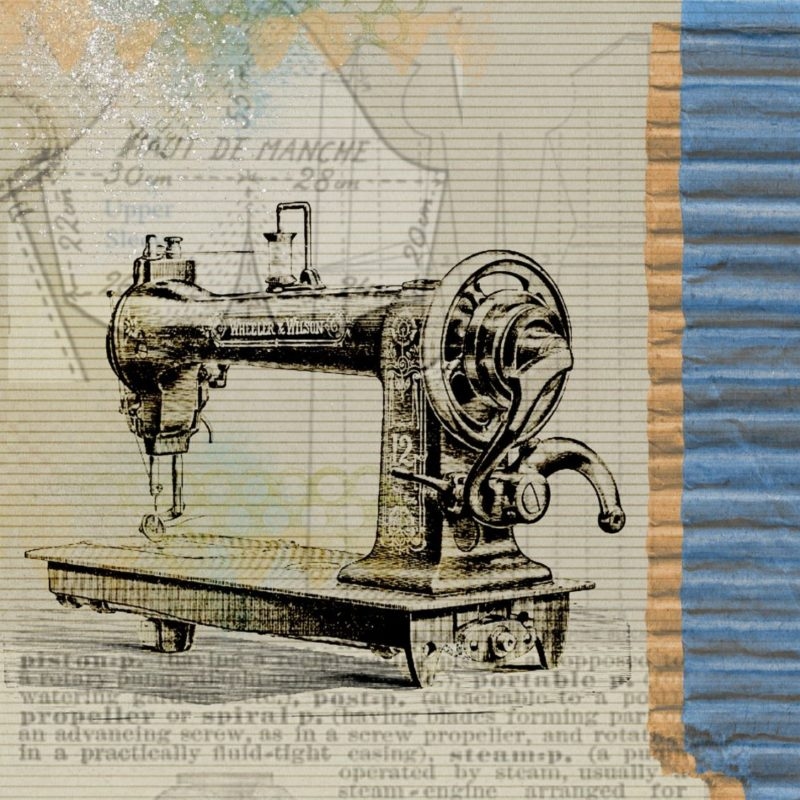
A design patent acts as a form of legal protection given to an ornamental design of a functional item. In practice, what this means is that a design patent prevents others from using, selling, or copying an object with a design that is substantially similar to the design you claimed in the patent. As a result, you have exclusive rights over ownership and distribution of the design. This is a tremendous right to have, particularly since you put in a lot of hard work and effort into creating the design. Some examples of patentable designs include jewelry, furniture, containers, and computer icons.
It goes without saying that there exist different categories, or types, of patents. In the United States, there are three which occur most frequently and which offer the most utility and practicality. The first type is a utility patent, which covers new inventions and creations. The second is a plant patent, which enables an applicant to patent new strains of plants, and finally, the last type of patent is for design. This is the one you will want to apply for if what you created is a style, form factor, or design that has a practical utility to it. Fortunately, due to the vague wording regarding US patent law, there are lots of design creations that can be covered.
You have probably heard of trademarks before, but what you almost certainly haven’t learned about is the process by which you can get something trademarked. The trademark submission process is a federally regulated, highly specialized endeavor that requires lots of detailed information to show how your product, company, good, or service is unique enough to warrant a trademark. The application goes through the United States Patent and Trademark Office, or USPTO for short.
Upon filing a trademark application with the USPTO, you will have to wait through a three to four month period for them to begin the initial assessment and consideration of your application. During this time, there is not much else you can do and, therefore, you ought to ensure that your application is presented as clearly and as succinctly as possible so as to avoid any further delays in the process. At that point, an examining attorney reviews your application and compares it to other, pre-existing trademarks to ensure that there are no conflicts of interest. After this initial overview, the attorney will forward your trademark for publication.
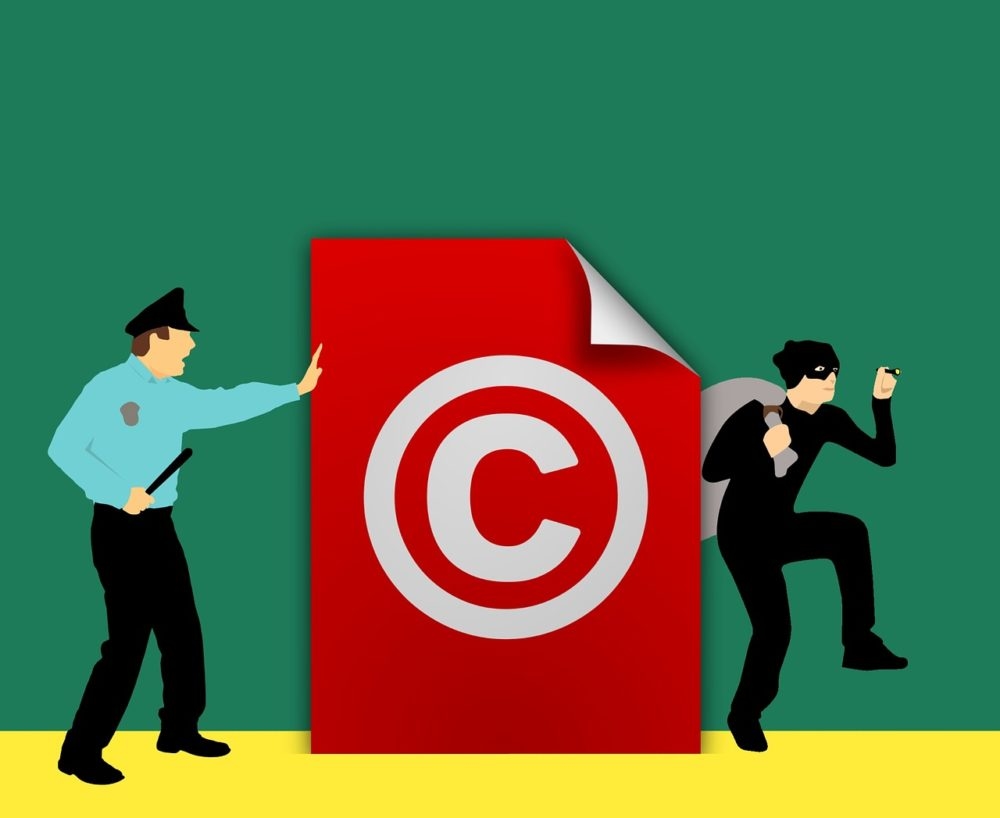
The reason copyright registration exists is to establish a formal, verifiable record of the date of creation and the contents of a work, so that, in case of a lawsuit, infringement, or plagiarism, the copyright owner can point to an official government source. The idea is that having the government officially document and recognize your work will add legal credibility should the issue ever surface in court. However, helping to resolve legal disputes is just one reason why someone may want to copyright their work. There are many motivations one may have for it, but first, it’s a good idea to understand what exactly a copyright entails.
Copyrights protect intellectual works, both published and unpublished, tangible and intangible. Copyrights can be used to protect everything from literary works, to songs, to computer programs, to photographs and films. Because of how broadly copyrights can apply, it would be a nightmare to have to manually copyright every new creation or work. Fortunately, that no longer is the case. In most countries across the world, copyright gets granted automatically at the moment of ‘fixation’, or the moment in which the work is fixed in some tangible medium. This is largely thanks to the international Berne convention, which provides rights at a global level without a need for national registration. Therefore, it is also important to avoid confusing copyright registration with the mere granting of copyright. The granting of copyright happens automatically once a work undergoes ‘fixation’, while copyright registration is a formal process that must be completed by filing a request through your government. The U.S. still does provide certain legal advantages for registering works of U.S. origin through the formal copyright registration process. For instance, having a registered copyright is still a prerequisite to filing an infringement lawsuit. Furthermore, other important remedies rely on prompt registration and verification, such as attorney fees and statutory damages. Therefore, for most people in the U.S. it is still extremely beneficial to have your work undergo the copyright registration. Also noteworthy to consider is that under U.S. copyright law, the protection that is granted to the owner of the work allows them exclusive rights to make and distribute copies of the work, to perform or display the work publicly, to produce derivative or iterative works such as translations, sequels, or adaptations, and to digitally transmit recordings of the copyrighted material.
Importantly, all of these examples are regarding independent workers and because they are not your employees, the freelancers themselves are responsible for their taxes. However, since they are not your employees, you cannot have as much control over their actions. For instance, you can’t stop them from taking on other clients while they are working with you, nor can you dictate their day-to-day schedules or tell them how to do their job. In other words, they have far more freedom than your employees because they don’t express work for you, rather they work with you on a specific issue or situation.
The first and most obvious reason is that the agreement will help to protect your business and financial interests while you are doing work with a freelancer. The contract will detail exactly what work needs to get done, when it has to be completed by, and how much you are going to pay for that work. Another reason is that protects you from liability issues and helps to shield your personal assets. Also, should you ever go to court, you will have the signed agreement to easily show the judge what your expectations were for the service.
On the other hand, if you are the freelancer, having the agreement can help you get paid properly should you end up in a disagreement with the client over the payment. You also appear far more professional by providing a contract for your clients to review and sign. Lastly, the agreement demonstrates your willingness and commitment to work and get your job done with high quality, which can be very reassuring to the client.
As we alluded to, there are several key advantages to hiring an independent contractor, such as:
Here’s the thing. If the person you have contracted to work for you is entirely self-employed, then you will need to make sure that they complete a W-9 Form and you will need to fill out a 1099-MISC form, both of which can be electronically downloaded from the IRS website. You’ll want the W-9 form to gather your freelancer’s contact information and tax ID number, while the 1099 form is how they will report income their unique tax return. You are required to do this if you pay them more than $600 in a fiscal year. Your deadline is to submit those documents to the IRS and the contract worker by January 31st on the following year from when you hired them.
Bear in mind that the burden of proof is on you since the IRS typically assumes that someone is an employee, unless shown proof otherwise. Therefore, it is wise to keep all of those records and documentation in the event that the IRS asks for further proof that the contracted worker was not an employee of yours. This is for your own benefit as it results in your own protection from any audits or inquires from the IRS.
Freelance workers are becoming increasingly commonplace and the future for most small business is one in which preference will probably be given to simply take on independent contractors and freelancers instead of a full team of employees. More and more small businesses are going along with this model of having only a few core employees and many other freelance workers for their business. This is a lucrative model, especially for smaller businesses, because it is far more cost efficient and flexible. Therefore, it is in your best interest to look and see what kinds of reviews your freelancer worker has prior to signing into an agreement with them; having an idea of what previous companies have said regarding their work ethic is like having references during an interview with an employee–it can definitely help you to make the right decision as to who to hire for the job. Furthermore, by building positive and friendly relations with freelancers, you are setting yourself up for many good working relations for years to come, especially since those workers may also have other freelancer friends that they can refer you to if you ever need some extra work done in a pinch.
At KAASS LAW, our Glendale business lawyers are all about building long-lasting and meaningful relations with our clients and their associates. We believe in the ever-changing and evolving models of the future of business and we are here to make sure our clients have the smoothest experiences going forward with their brands and ideas. Whether you are a business looking to hire some freelancers and independent contractors, or whether you are a freelance worker who is self-employed, we are here to guide you along your financial journey. We have years of experience with connecting the right people for the job, and always stand by our clients. If you are thinking of drafting up an Independent Contractor Agreement, we definitely do not want you to go through that process alone. Contract law is a very complex area of law and we can greatly simplify your business by helping you with your goals. We work with small businesses and freelancers alike to ensure that effective contracts and agreements are written and agreed upon. We invite you to give us a toll free call at (310) 943-1171 to speak to our experienced contract lawyers today and to see just how much we can help your business out. So that way, you can keep doing more of what you love: stress-free.
KAASS LAW is authorized to practice law in California. The above content is intended for California residents only. This content provides only general information which may or may not reflect current legal developments. KAASS LAW expressly disclaims all liability in respect to actions taken or not taken based on any of the contents of this website. The above content DOES NOT create an attorney-client relationship. KAASS LAW does not represent you unless you have expressly retained KAASS LAW in person at the KAASS LAW office.
KAASS LAW helps clients in: Los Angeles, Burbank, Hollywood, Glendale, Van Nuys, North Hollywood, Studio City, Highland Park, Eagle Rock, Sunland, Tujunga, Sylmar, San Bernardino, La Crescenta, La Canada, Beverly Hills, Westwood, Santa Monica, Brentwood. Pacoima, Montebello, Commerce, Alhambra, Downey, Bell, Maywood, Walnut Park, Vernon, Lynwood, Echo Park, Silverlake, Mission Hills, Northridge, Woodland Hills, Encino, Canoga Park, North Hills, Porter Ranch, Chatsworth, Reseda.
It is important to understand intellectual property rights and laws when auditing your intellectual property. With the rising significance of IP assets, most companies can greatly benefit from an IP audit, which is a complete, systematic review of a company’s intellectual property assets and its associated risk and opportunities. IP audits are so vital because they can assess and enhance a company’s IP assets, correct any issues in intellectual property rights, put underutilized IP to better work, identify any risks that a company’s products may infringe upon another’s IP rights, and put forth more efficient IP management habits and practices. A truly thorough IP audit will not only review and assess a company’s IP acquisitions, but also its IP-related agreements, contracts, policies, and even its competitors’ IP assets in a related industry or field.
Since intellectual property rights and laws are very complex and vague, IP audits by a lawyer or law firm that specializes in intellectual property law can conduct these matters. The company will appoint someone for the lawyer to work with, ideally someone from the company that is aware of the technical details of the company’s business and their IP assets. Typically, most companies will not know much about IP so the lawyer will usually provide an educational overview of IP and make some suggestions on how the company’s existing IP rights can have protection and improved based on the preliminary information they are provided regarding the company’s IP.
At this point, the audit continues to go more in-depth, potentially involving other key employees with involvement in the creation or acquisition of current and prospective intellectual property or technology for the company, with each person contributing their knowledge surrounding its research, development, sales potential and marketing outlook. If the company already has a greater awareness of IP, the lawyer can engage in discussions surrounding the company’s IP portfolio and its competitive positioning in their industry with relation to market trends and future demand.
IP audits have huge potential benefits for companies but their scope and purposes can change to better suit the company audit. For instance, general use purpose audits are wider and “bigger picture” in scope and they can be hugely helpful to start-ups and established corporations alike to both assess and protect their IP in addition to clearly outlining their future IP development needs. On the other hand, event-specific IP audits can be incredibly useful for companies that need to:
The thing about intellectual property is that it’s here to stay. Because it’s now more important an ever before to protect and look after your company’s IP assets, it pays huge dividends to understand how to best care for it. Any successful business, with well management and meticulously careful regarding its branding, products, and customer experience–of which intellectual property plays a more involving role with each passing year. So, since intellectual property is part of business, it necessitates management just like inventory, equipment, and company productivity. If a company doesn’t know what IP it has access to, then it can’t manage that IP nor protect it from infringement.
As such, perhaps one of the most important things an IP audit can offer any company is also perhaps one of the most basic pieces of knowledge and awareness–informing the company about which IP it owns and has exclusive rights to, so that the company can make effective executive decisions regarding its protection, development, and licensing.
Further, any already-existing IP contracts, like licensing agreements, independent contractor or consultant agreements, transfer and settlement agreements, and joint ventures can all have a review to make sure that your IP rights isn't dealing with a misusage.
Having your company’s IP protection by the law is a vital step towards pre-emptively preventing any future infringement, as well as protecting your assets in the event that it does happen. Intellectual property has a melange of state and federal laws which uphold and protect it so long as the government recognizes the IP. Thus, an IP audit can serve to identify any kind of error or mishandling on the company’s part toward its own IP. That way, the IP audit can shed light on which errors that needs correction and which pieces of intellectual property still need a patent, copyrighted, etc. These seemingly simple fixes are crucial to making sure your company maintains the exclusive rights to your IP.
Intellectual property law is intentionally vague and has many loopholes and cracks that can have exploitation. Many executives, businesspeople, and even non-IP lawyers will not fully understand the subtle differences between copyrights, patents, trademarks, and trade secrets, much less which are relevant and applicable to your company’s assets.
Further, they would not know the creativity and craftiness that is in need to obtain a U.S. patent or even which things are capable of being a patent, or where the limitations of the patent would lie. Since they aren’t aware of any of the aforementioned, they also would not be aware that new commercial and business opportunities in both domestic and global markets can have access into through clever IP licenses and that competitors’ efforts to obtain IP can stop and monitor along the way. Therefore, a huge value of IP audits is that it teaches executives, inventors, and marketers of your company about the value of IP and how to actively protect your IP opportunities before they lose to another company or brand.
Because intellectual property litigation is very costly and consulted, the stark reality is that most smaller companies oftentimes goes to forgo litigation even when they have a winnable position. IP audits can assist these companies in anticipating future areas of dispute and can aid them in planning effective avoidance strategies. For instance, an audit may identify a need for a freedom-to-operate study, which determines competitors’ conflicting IP rights and options such as designing around, licensing, or anonymously challenging competitors’ rights to the designs themselves. As such, an audit identifies weaknesses in the audited company’s IP rights that addresses and remedied with timely actions, resulting in stronger rights that are far less likely to challenge.
Because intellectual property has become such a huge player in modern industries and in online commerce, its monetary value is more important than ever. Since an IP audit provides companies with an up-to-date understanding of their IP assets and its value, the companies’ leadership is better equipped to deal with opportunities which may come up, such as a third-party offer to buy up the company, or a new sales or expansion opportunity that requires financing.
In conducting these kinds of IP audits, it’s most useful to may attention to:
Valuable product features that can be but aren’t yet patented, fixable issues in existing patents, invalid or incomplete employee agreements that pose a risk to competitors’ access to trade secrets, trademarks that are crucial to companies’ identities that are not yet sufficiently protected from copying, product designs, builds, and configurations that can be but still aren’t protected by design patents, patent and trademark royalty payment terms that have been ignored or violated, missing notices of patent, trademark, and copyright that limit the company’s authority to enforce IP rights and to claim damages, and lucrative opportunities for licensing IP into new markets. IP audits are directly responsible for millions of dollars worth of quantifiable benefit and profit to companies and corporations, especially for payment of patented tech that was not originally thought of as patentable.
Here at KAASS LAW, we value our clients’ intellectual property above all else because we recognize the innovation and creativity that it takes to create new and groundbreaking ideas, inventions, and designs. We protect our clients’ IP like our own because we understand its true value to the company and to the company’s morale and identity. We have worked with many individuals, entities, and businesses to assess, evaluate, defend and diversify their IP assets.
If you feel that your company has been underplaying the value of their IP, or even been completely unaware of just how significant a role that kind of asset can play, then we definitely encourage you to give us a toll free call at (310) 943-1171 to speak to our experienced intellectual property lawyers today. We work with our clients to make sure they always have the competitive edge in their respective industries and to ensure they understand their own worth and value. Knowledge and awareness can make all the difference when dealing with intellectual property so please do not hesitate to get in touch with us about any questions or concerns you may have.
KAASS LAW, 701 N Brand Blvd Suite 100, Glendale, CA 91203, (310) 943-1171
KAASS LAW is authorized to practice law in California. The above content is intended for California residents only. This content provides only general information which may or may not reflect current legal developments. KAASS LAW. expressly disclaims all liability in respect to actions taken or not taken based on any of the contents of this website. The above content DOES NOT create an attorney-client relationship. KAASS LAW does not represent you unless you have expressly retained KAASS LAW in person at the KAASS LAW office.
KAASS LAW helps clients in: Los Angeles, Burbank, Hollywood, Glendale, Van Nuys, North Hollywood, Studio City, Highland Park, Eagle Rock. Sunland, Tujunga, Sylmar, San Bernardino, La Crescenta. La Canada, Beverly Hills, Westwood, Santa Monica, Brentwood. Pacoima, Montebello, Commerce, Alhambra, Downey, Bell, Maywood, Walnut Park, Vernon, Lynwood, Echo Park, Silverlake, Mission Hills, Northridge. Woodland Hills, Encino, Canoga Park, North Hills, Porter Ranch, Chatsworth, Reseda.
There are really only two kinds of trademark Office actions that we need to know about: non-final and final. If the issue is detected for the first time, the USPTO will issue a non-final Office action. In that letter, they explain what problems persist with your application and they give you, the applicant, a chance to address and fix those problems. If, on the other hand, you have failed to address the issues that the USPTO raised in a previous Office action letter, then they will send out a final Office action letter to you. The crucial difference is that you have more limited rights to respond to final Office actions. Thus, it’s important to take action earlier on.
There are plenty of reason you may have received an Office action during the trademark process, including:
Your Response Should Be...Prepared.
In your Office action letter from USPTO, they will specify how long you have to respond to their concerns. Typically, your response needs to get back to them within 6 months of the mailing date of the Office action letter, but you should still check because they can choose to give you a much smaller window of time. Importantly, whatever deadline they give you cannot be extended or prolonged, so it’s very important to know the exact date and to act before it passes. This is because if you do not respond to an Office action by its deadline, then the USPTO will think that you have abandoned your application. In other words, you won’t get your trademark registered, nor will you get your filing fees back. Thus, prompt and timely responses to an Office action letter are essential to getting your trademark or patent registered.
Another important thing to keep in mind is what exactly the letters says that the examining attorneys takes issue with in your application. Oftentimes, an Office action letter wants you to fix or address simple problems that are quite easy to deal with, like submitting a different specimen, or paperwork. Other times, the issues are much more convoluted and those will require a much more detailed response. For example, if the examining attorney think that there is a high likelihood of confusion between your mark and another registered one, then you will have to send in legal arguments that illustrate the differences between the marks.
When you do respond to an Office action letter, it’s of utmost importance that your response is well-thought out and that it actually addresses each and every single concern that the examining attorney has with your application. If you only address and respond to one of the issues that they raised but completely ignore or fail to respond to the rest, then you’ll probably receive a final Office action surrounding the rest of the issues. You should know that you can contact the examining attorney to ask for clarification on any of the issues they have raised, but they are not your lawyer and they will not help you create a response to those problems. Lastly, in the event that you do receive a final Office action, then the only way to appropriately respond is to address its concerns or to file an appeal with the Trademark Trial and Appeal Board.
While it can be incredibly demoralizing to receive an Office action letter instead of a notice that your trademark application was approved, you should not despair or lose hope. An Office action letter, does not mean that your trademark cannot ever be registered, just that there are some problems that need to be dealt with first.
At KAASS LAW, we work tirelessly with our clients to ensure that they send out the best possible application for their trademarks and patents, because we value the incredible originality and innovation in our clients’ work. By working with us, you already greatly reduce the chance that you will ever receive an Office action letter. But even if you do, we have your back. We will help you to break down the letter to make sure you understand what is being asked of you, and to respond effectively, ensuring that each of the points in the letter are appropriately addressed. If you or a loved one have received an Office action letter, or are considering submitting a trademark or patent application, we invite you to give us a toll free call at (310) 943-1171 to speak to our experienced Patent and Trademark lawyers today.
KAASS LAW, 815 E Colorado St #220, Glendale, CA 91205, (310) 943-1171
While registering your work isn’t a guarantee of protection, it is still the best thing to do first and foremost. To review, the protections and benefits granted by each type of registration are:
You will want to ensure you maintain your protective measures, too. This means taking the time to do some basic upkeep, such as documenting your first use to make it easier to defend in court, should the need arise, and renewing your trademarks on time, using them continuously and filing any paperwork needed to document its use. Bear in mind also that if you choose to begin marketing or otherwise disclose your invention publicly before filing for patent protection, remember that you have to file your patent application within one year of disclosure and you must be the first to file, or you will lose the right to protection. For this reason, you may wish to consider starting with a provisional patent application to protect your rights.
If you intend on marketing your invention, product, or design in other countries, then you may want to look into registering your intellectual property in those countries, as well. This will ensure maximum protection and profit for your company. Fortunately, the U.S. has several treaties and conventions which make it easier for U.S. citizens and businesses to register patents and trademarks in multiple countries with one application. You’ll still have to follow each country’s law, though. For instance:
Many foreign countries also have agreements with the United States to recognize your copyright registration automatically. Check to see if the countries you’re interested in have this type of agreement, and if they do not, look into what the requirements are for you to register.
Oftentimes, the best way of protecting your intellectual property is simply by keeping quiet about it. This is especially the case if your work isn’t patentable or if you plan to protect it by using the trade secrets law. In those cases, you definitely want to limit the amount of people you tell about it. Whenever possible, get your partners and investors to sign off on non-disclosure agreements and make sure to specify in those agreements what exactly must be kept confidential and for how long. As another measure, you might want to still keep quiet about your idea even after filing a patent application since in most cases protection only begins once the United States Patents and Trademark Office actually grants your patent.
All of the laws and registrations we discussed offer you legal avenues for remedies after your work has been infringed or used illegally, but they do not actually prevent your work from being stolen in the first place. This is because some people may not be aware of the law and others just may not care. Sometimes, even a thorough patent or trademark search misses something. As such, it is your job to keep an eye on your industry trends and developments. In particular, you will want to keep a close eye on your industry developments:
When Push Comes to Shove...Pushback! At the worst case scenario, you would locate instances of actual infringement and it is at this point that you must stand up for yourself by taking action. What you ought to do in each case will vary, contingent upon a few circumstances, like:
In these types of strenuous situations, experienced intellectual property lawyers can make all the difference. At KAASS LAW, we have helped many clients manage and defend their patents, trademarks, and copyrights. We believe in the spirit of innovation and originality and we go out of our way to protect our clients’ work and property. We can help you to evaluate and determine which protections are best for your case as well as deciding upon which avenues to take to uphold and defend your rights. We invite you to give us a toll free call at (310) 943-1171 to speak to our experienced Los Angeles intellectual property attorney today.
KAASS LAW, 815 E Colorado St #220, Glendale, CA 91205, (310) 943-1171
If the invention is not patented, your next move should be to determine which type of application to file for your creation. There are three types of patents available and they are:
Prototyping an Invention While each of the aforementioned types of patents have their distinct uses, unless your innovation has to do with plants or ornamental designs, you will most likely end up filing for a utility patent as that is by far the most common type of patent to apply for. It’s also extremely beneficial for you to keep an accurate record of how you came up with the idea of your invention along with an outline of the step by step process. Those pieces of evidence will prove invaluable during the patent application process. Further, if you happen to have a prototype of your invention on hand, then you should also submit that along with the other records.
This is where it gets a bit murky, but technically, no. Ideas by themselves cannot be patented. You can only patent an invention or creation that was developed from an idea. The invention must be produced or a description of the creation must be included with your patent application for the consideration to hold any weight. It also goes without saying that in order to file for a patent, you must be the original inventor or creator, or have been assigned the invention by another person or serve as the legal representative of the original inventor. Ultimately, you may patent inventions, designs, and even plants so long as your inventions is:
How Our Los Angeles Patent Registration Attorney Can Help In order to obtain the actual patent that protects your invention or design, you need to file a non-provisional application, known as a Regular Patent Application (RPA). To get this patent approved, you will have to submit an application that demonstrates how to make and use the invention, why it is different from all other inventions, and describe what exact aspects of the invention or design should be patented. That process will require many hours of research and preparation in order to avoid having your application delayed or outright denied, both of which would significantly impede your chances of protecting your creation. We can help you to ensure your patent application has all of the necessary elements to get your creations under protection as quickly as possible. At KAASS LAW, we value originality and individuality above all else and we invite you to contact our firm to see just how easy we can make obtaining your patents and protections for your inventions and designs. Give us a toll free call at (310) 943-1171 to speak to our Trademark and Patent lawyers today. Our lawyers in Glendale, Los Angeles, CA, are fully dedicated to help you with any legal matters you may need assistance with. KAASS LAW, 815 E Colorado St #220, Glendale, CA 91205, (310) 943-1171
KAASS LAW is authorized to practice law in California. The above content is intended for California residents only. This content provides only general information which may or may not reflect current legal developments. KAASS LAW expressly disclaims all liability in respect to actions taken or not taken based on any of the contents of this website. The above content DOES NOT create an attorney-client relationship. KAASS LAW does not represent you unless you have expressly retained KAASS LAW in person at the KAASS LAW office. KAASS LAW helps clients in: Los Angeles, Burbank, Hollywood, Glendale, Van Nuys, North Hollywood, Studio City, Highland Park, Eagle Rock, Sunland, Tujunga, Sylmar, San Bernardino, La Crescenta, La Canada, Beverly Hills, Westwood, Santa Monica, Brentwood. Pacoima, Montebello, Commerce, Alhambra, Downey, Bell, Maywood, Walnut Park, Vernon, Lynwood, Echo Park, Silverlake, Mission Hills, Northridge, Woodland Hills, Encino, Canoga Park, North Hills, Porter Ranch, Chatsworth, Reseda.
If you created and own intellectual property, you’ll want to protect and profit from it. There are two primary ways of achieving that. One way is by making use of the intellectual property yourself; for example, you could manufacture a patented product or sell original copyrighted products you have ownership of. Alternatively, you can choose to license the intellectual property to another entity, effectively granting them the right to manufacture your patented product or make use of your copyrighted material in some way. That’s exactly where licenses come into play. They are basically contracts which help you regulate, manage, protect, and profit from your intellectual property and creations.
A licensing agreement permits an intellectual property rights holder (AKA the licensor) to make profit from an invention, creation, or novel work by charging a user (AKA the licensee) for the product’s use, distribution, or commercialization. Licenses also serve to protect proprietary rights in other related fields, like software development and other OS or virtual products. Importantly, you should know that you have the ability to use licenses to give someone permission to utilize your intellectual property in a certain way for a specific period of time for a particular price.
For the most part, all kinds of intellectual property that you will encounter fall nicely into one of the following four categories.
Since intellectual property law is one of the most complex areas of law, requiring tons of cross referencing with both state, federal and international law, it’s in your best interest to ensure you have an intellectual property lawyer in place to safeguard your rights and creations. Outside of that, the US Patent and Trademark Office (USPTO) and the US Copyright Office also offer invaluable information about the intellectual property registration process. A few intellectual property safety measures, such as copyrights, happen automatically in certain scenarios but even those should get formally registered with the government. Several other protective measures, like patents and trademarks, are granted by the USPTO and for those the application process is even more convoluted. As for trade secrets, those often don’t get “registered” formally at all, but they can still be subject to some protective measures in place through a variety of state and federal laws.
Despite all those intricacies, licensing agreements do not always have to be so long and hard to understand. If you think about it, an effective agreement is one that is upfront and transparent because it is more likely to be agreed upon and respected by both parties, and, ultimately, it’s more likely to be upheld and enforced by the courts. As such, there are certain terms, condition, and factors that you’ll always want to address in the majority of licensing agreements surrounding intellectual property.
The first major issue you’ll want to address is the scope of the license. For example, do you want the licensee to have unlimited use of your intellectual property, or do you want the licensee to only use your intellectual property in specific ways for a limited period of time? In this sense, you can think of licensing as assigning limited use rights for property to the leaser. The rights that the agreement provides should be broad enough so the buyer is interested in their stake in the deal, but narrow enough that you do not relinquish permanent, uncontrollable power over your valuable creation or asset. Imagine that you created a great song track that a company wants to use in the intro and outro of their latest ad campaign. You’d want to draft up a licensing agreement that limits the edits that the company can make to your original track, sets a time limit for how long the track can be utilized by the company, and ensures that the company provides credit to you somewhere in the ad or the website so that viewers can be aware of your work and your name.
Besides the scope, drafting up terms that describe and regulate the profits and revenue that your creation will generate is crucial. Some license agreements will simply work by having a one-time licensing fee, paid out in full. In this version of the deal, the licensor will immediately pay you some agreed upon amount and then they will be able to use your creation for a fixed period of time. Another way it could go down, is through recurring payments and profits such as royalties or monthly leases. In this scenario, the licensor has to pay you quarterly payments over over the course of the entire leasing period. It’s up to you to think about which of those arrangements would work best for your given needs and situation.
While the scope and revenue aspects are arguably the two most relevant parts of any licensing agreement, there is a plethora of other factors to consider mentioning as well. These can include:
Problems can always emerge in the realm of intellectual property and even after a licensing agreement is signed, sometimes the licensor may use your creation in a way that violates the terms of your agreement. They can breach the contract if they fail to compensate you fairly as per the agreed upon terms in the licensing agreement, by sub-licensing your property elsewhere against your agreement, or by any number of other means that can violate your terms. In these scenarios, you have the right to file a lawsuit against the party that committed the breach of your agreement in an attempt to enforce your intellectual property rights. You can seek remedies through damages, losses, or other harm that you may have sustained as a result of the licensee breaking your agreement.
As we have seen, intellectual property law is unfairly complex and tricky to navigate–especially on your own. This is because licensing agreements and intellectual property management requires specialized knowledge of state and federal laws pertaining to your rights as well as a strong awareness of business practices and judgements. To make sure you have the best experience with your new creation and to honor the integrity of your intellectual property, it is vital that you have access to skilled Glendale intellectual property lawyers in this particular field of law. We at KAASS LAW believe in your ability to produce meaningful novel works of art and innovation and we fight to ensure our clients receive the correct treatment and compensation for their intellectual and artistic property. If you or a loved one need legal counseling or help surrounding an issue regarding intellectual property, licensing, trademarking, or copyrighting, then do not hesitate to contact us. We invite you give us a call at (310) 943-1171 to speak to our Trademark and Patent lawyers today. KAASS LAW, 815 E Colorado St #220, Glendale, CA 91205, (310) 943-1171
KAASS LAW is authorized to practice law in California. The above content is intended for California residents only. This content provides only general information which may or may not reflect current legal developments. KAASS LAW expressly disclaims all liability in respect to actions taken or not taken based on any of the contents of this website. The above content DOES NOT create an attorney-client relationship. KAASS LAW does not represent you unless you have expressly retained KAASS LAW in person at the KAASS LAW office. KAASS LAW helps clients in: Los Angeles, Burbank, Hollywood, Glendale, Van Nuys, North Hollywood, Studio City, Highland Park, Eagle Rock, Sunland, Tujunga, Sylmar, San Bernardino, La Crescenta, La Canada, Beverly Hills, Westwood, Santa Monica, Brentwood. Pacoima, Montebello, Commerce, Alhambra, Downey, Bell, Maywood, Walnut Park, Vernon, Lynwood, Echo Park, Silverlake, Mission Hills, Northridge, Woodland Hills, Encino, Canoga Park, North Hills, Porter Ranch, Chatsworth, Reseda.
Another way that U.S. design patents stand out from others, is that they allow for the applicant’s work to remain hidden or secret. This can be particularly vital if the design is for a new, revolutionary product or software. With more and more emphasis being placed on smart technology, innovation in the field is going to rely more and more on intelligently designed products to captive consumer interest and to garner positive feedback to an ever-increasing amount of press outlets. For the competitive edge alone, having a guarantee that a design patent application will remain secret and not be published until after it is granted can be massive for both large companies and small, independent businesses and startups.
A great example of design patents playing a huge role in modern day product placement and marketing is how it can be a decisive factor in lawsuits. For example, in Apple v. Samsung, the pre-emptive design patents that Apple had applied for turned out to be the huge ace card in the dilemma, winning Apple the lawsuit and millions of dollars from Samsung. A great of relating utility and design patents is by considering Apple’s iPhone: the way it works is the result of many utility patents and the way it looks and displays information is the result of many design patents. As technology changes and adapts, the role of product design will continue to blur function and ergonomics, making novel designs more and more valuable.
Prior to thinking about how to file your design patent application, you’ll want to ensure that your design is, indeed, novel. For this, you’ll have to search through prior art and this step is one of the most grueling as the archive is very expansive and it can feel overwhelming to search through such a huge amount of patents. You’ll want to look closely for the combination of design elements that you wish to protect with your patent to make sure it hasn’t already been claimed. Even down to the font that you use can be subject to a design patent.
This is where you will need to put together all of your findings to present to the USPTO in your application. Here, you’ll want to mention what sets your design apart from others, highlighting its novel features. Further, you should include drawings and diagrams demonstrating this. Putting everything together, you’ll have everything you need to file your design patent application...but why go through all of that headache alone? At KAASS LAW, we are constantly inspired by the beautiful and innovative designs and creations of artists and visionaries. We have years of experience in filing for design patents. We work directly with you to document, record, gather, and showcase all of the novel features of your product design so that the application process is quick and successful. We invite you to give us a call at (310) 943-1171 to speak to our Trademark and Patent lawyers today. KAASS LAW, 815 E Colorado St #220, Glendale, CA 91205, (310) 943-1171
KAASS LAW is authorized to practice law in California. The above content is intended for California residents only. This content provides only general information which may or may not reflect current legal developments. KAASS LAW expressly disclaims all liability in respect to actions taken or not taken based on any of the contents of this website. The above content DOES NOT create an attorney-client relationship. KAASS LAW does not represent you unless you have expressly retained KAASS LAW in person at the KAASS LAW office. KAASS LAW helps clients in: Los Angeles, Burbank, Hollywood, Glendale, Van Nuys, North Hollywood, Studio City, Highland Park, Eagle Rock, Sunland, Tujunga, Sylmar, San Bernardino, La Crescenta, La Canada, Beverly Hills, Westwood, Santa Monica, Brentwood. Pacoima, Montebello, Commerce, Alhambra, Downey, Bell, Maywood, Walnut Park, Vernon, Lynwood, Echo Park, Silverlake, Mission Hills, Northridge, Woodland Hills, Encino, Canoga Park, North Hills, Porter Ranch, Chatsworth, Reseda.
Publication does not actually mean that you are out of the woods just yet. Rather, it refers to a 30-day comment period which every aspiring trademark must undergo. Within that 30-day time frame, anyone from the public can voice their opposition to your trademark request. What that means is that even if the U.S. government has no issue with your trademark application, any person can theoretically state that your trademark may bring damages to their own brand and with that statement they could make their opposition to your trademark. However, once the 30-day window is over, the application gets sent back to the examining attorney for the final review stage. Once the application reaches this state, and provided that you correctly filed the paperwork indicating that your trademark is in use (meaning that your products and services were still being sold at the time the application got filed) then the examining attorney will issue your trademark registration and a certification will get sent out to you through the mail.
The entirety of this registration process for your trademark will take anywhere from 6-8 months time. It is a slow and steady process that involves a lot of down time while you wait for the next stages of the application to undergo final review but once it is all over, you will have successfully trademarked your product, brand, or service through the federal government. So, why would you want to go through that grueling process in the first place?
There are several major reasons why someone would want to obtain a federal trademark. Some of those important reasons include:
[video width="1280" height="720" mp4="https://kaass.com/wp-content/uploads/2019/11/output_HD7202-1.mp4"][/video]
At KAASS LAW, we believe in the spirit of individuality and in the power of originality. Your brand, your ideas, and your products deserve the protection and exclusivity that only a trademark registration can offer them, because it was your hard work and intellect that enabled you to create those ideas and services. Our team of experienced intellectual property and trademark lawyers will ensure the process is as quick and efficient as possible. We invite you to give us a toll free call at (310) 943-1171 to speak to our team today. Let us help you in this critical moment of your enterprise’s expansion.
Copyrights can be bought, sold, or given away to others. A transfer of copyright or an exclusive grant or license to utilize the work is possible only if it is conveyed in writing from the original owner of the copyrighted material. Also, copyrights do not protect the underlying ideas or concepts in the creator’s work. The legal terminology here gets a bit vague but basically ideas, facts, methods, titles, discoveries, works which do not have original authorship, and works with expired copyrights are not protected under U.S. copyright law. Bear in mind also that copyright law is intrinsically territorial and the information which we have talked about only applies to U.S. copyrights, which themselves are granted only to works of U.S. origin. The final aspect of copyrights that we should discuss is their length, or period of effect. The law regarding the length of copyright says the following for:
As previously mentioned, nearly all original works created after 1978 have some form of automatic copyright protection. To recap the important points, bear in mind that any original work automatically gets copyright protection once it is ‘fixed’, however, formally registering your copyright with the U.S. Copyrights Office still offers certain lucrative advantages, such as unlimited and exclusive control and ownership of the work, allowing for increased security and easier time dealing with any potential legal matters in the future, should the need ever arise.
At KAASS LAW, we believe in the spirit of genuine creativity. For that reason, protecting your original works is something we treat very seriously. If you or a loved one have created an original work, we invite you to call us at (310) 943-1171 to speak to one of our intellectual property lawyers today. Our team will ensure your works get registered with the U.S. Copyrights Office in the quickest and most efficient way possible so that you can keep creating beautiful works.
KAASS LAW, 815 E Colorado St #220, Glendale, CA 91205, (310) 943-1171
Our lawyers in Glendale, Los Angeles, California, at KAASS LAW are authorized to practice law in California. The above content is intended for California residents only. This content provides only general information which may or may not reflect current legal developments. KAASS LAW expressly disclaims all liability in respect to actions taken or not taken based on any of the contents of this website. The above content DOES NOT create an attorney-client relationship. KAASS LAW does not represent you unless you have expressly retained KAASS LAW in person at the KAASS LAW office.