

Knowing what accident mistakes to avoid is essential for protecting your legal rights. Here's what not to do after an accident to prevent compromising your claim. If you find yourself in such a situation, having experienced legal representation like that offered by KAASS LAW can make all the difference in safeguarding your interests.
One of the most critical accident mistakes is leaving the scene prematurely. Fleeing the scene can have serious legal consequences. In California, for example, leaving the scene of an accident where someone was injured or property damage can result in hit-and-run charges. You could face fines, imprisonment, and even lose your driver's license. Stay on-site, assess the situation, and ensure everyone is safe. Only leave after the proper authorities have arrived and you’ve exchanged information with the other party. Learn more about California's hit-and-run laws.
Admitting fault is another common accident mistake. Even if you’re unsure of what happened, it’s important not to apologize or admit fault, as it can severely damage your ability to recover compensation for damages or injuries. Under California's comparative fault system, your compensation can be reduced by the percentage of fault attributed to you. Admitting fault could jeopardize your entire claim. Remain calm and avoid discussing the details of the accident or speculating on the cause. When speaking to the police, stick to the facts without admitting fault.
Failing to call the police is a significant accident mistake. Even in minor accidents, a police report provides an official record, which is valuable when filing an insurance claim or a legal case. California law requires you to report any accident resulting in injury, death, or property damage exceeding $1,000 to the DMV within 10 days. Without a police report, you risk losing important documentation that could support your claim. Request a copy of the police report for your records and refer to it during your claim process. Find out how to obtain a police report in California.
A common accident mistake is declining medical attention. Even if you feel fine, some injuries, like concussions or internal damage, may not be immediately noticeable. Delaying medical treatment can impact your ability to seek compensation, as insurance companies may argue that your injuries were not caused by the accident. Always seek medical attention after an accident and keep records of all treatments. These documents will be essential when filing your claim. Check the importance of medical documentation in personal injury claims.
Failing to gather evidence at the scene is another common accident mistake. Evidence is critical for building a solid case. Try to take photos of the accident site, vehicle damage, and any visible injuries. Collect contact information from any witnesses, as their statements could be valuable in proving your side of the story. Also, gather details such as the other party's insurance information, license plate number, and driver’s license. This will be useful for both insurance purposes and potential legal proceedings.
One of the biggest accident mistakes is speaking to the other party’s insurance company without legal representation. Their goal is to minimize the payout, often leading them to push for a quick, lower settlement. Do not provide recorded statements or sign any documents without consulting an attorney. A skilled lawyer, like those at KAASS LAW, can ensure you are not tricked into accepting an offer far less than you deserve. Contact KAASS LAW for expert personal injury assistance.
Sharing details about the accident on social media is a critical accident mistake. Anything you post can be used against you. If you claim injuries but post pictures of yourself engaged in physical activities, the opposing party may argue that your injuries are not as serious as you claim. To protect your claim, avoid discussing the accident, your injuries, or any legal proceedings on social media. Read more about how social media can affect your personal injury case.
Accepting a quick settlement is another common accident mistake. Insurance companies may pressure you into settling quickly, often offering far less than what you deserve. A rushed settlement may not account for long-term medical treatments or other damages that have not yet been fully realized. Be patient and allow your attorney to negotiate a fair settlement that covers all your losses, including future medical expenses and lost earnings.
Delaying the filing of your claim is a serious accident mistake. Each state has specific statutes of limitations for personal injury cases. In California, the statute of limitations is two years from the date of the accident. Failing to file within this time can result in losing your right to recover compensation. It’s essential to begin the process as soon as possible, ensuring evidence is preserved and witnesses are available. Learn more about California's statute of limitations.
Perhaps the most costly accident mistake is attempting to handle the case without legal representation. Navigating the legal process alone can lead to mistakes, lower compensation, or even losing your case. An attorney can help you understand your rights, negotiate with insurance companies, and represent you in court. At KAASS LAW, we specialize in personal injury cases and have extensive experience helping clients recover the compensation they deserve after an accident. Contact our experienced attorneys today.
Knowing what accident mistakes to avoid is just as important as knowing what steps to take after an accident. By steering clear of these common errors, you can protect your rights and improve your chances of a successful claim. If you’ve been involved in an accident, having an experienced legal team like KAASS LAW by your side can make a significant difference. For more information on how to handle accidents and claims, refer to resources provided by the California Department of Insurance, which offers guidelines on claims and your legal rights.

Slip and fall accidents are among the most common personal injury claims, but they can be surprisingly difficult to prove. Whether the incident occurred in a grocery store, restaurant, or on a public sidewalk, securing the proper injury evidence is critical to establishing liability and maximizing your compensation. In California, property owners have a legal obligation to maintain safe premises. However, simply being injured on someone's property does not automatically guarantee that you’ll win your case. To build a robust slip-and-fall claim, you need solid injury evidence to prove that the property owner was negligent. In this blog, we’ll explore the types of injury evidence that can help strengthen your case and give you the best chance of success.
The incident report is one of the most critical pieces of injury evidence in a slip-and-fall claim. If your accident occurred in a commercial setting, like a store or restaurant, it’s important to immediately report the incident to management. Most businesses have standard procedures for documenting accidents on their premises. Why it’s essential: Incident reports are often the first formal record of your accident. They may include details about the time, date, and location of your fall and statements from employees or witnesses. If you don’t report the fall immediately, the property owner may argue that your injuries aren’t as serious as claimed or that the accident didn’t happen at all. : After your fall, ask the manager or employee on duty to create an official incident report. Be sure to get a copy for your records.

Explore the Adjustment Process for U.S. immigration, including timelines, fees, eligibility, and common challenges. Learn how to navigate the Green Card application efficiently.
Adjustment of status is a process through which individuals in the U.S. on a temporary visa can become lawful permanent residents without needing to return to their home country for visa processing. This option is typically available to individuals who qualify through family, employment, or humanitarian programs like asylum.
The timeline for adjustment of status varies depending on factors such as processing backlogs and the applicant’s eligibility. Here's a typical overview:

Learn how to avoid common workers' compensation mistakes that can affect your claim. Get expert advice from KAASS LAW to ensure you receive the benefits you deserve. Workers’ compensation is an essential program designed to protect employees who suffer injuries or illnesses due to their jobs. However, many workers make avoidable workers' compensation mistakes that can hinder their claims. At KAASS LAW, we are committed to helping you navigate the complexities of workers’ compensation. In this blog, we will outline five familiar workers' compensation mistakes to avoid to ensure you receive the benefits you deserve.
One of the most significant workers' compensation mistakes is not reporting an injury immediately. Most states require employees to notify their employers of a workplace injury within a specific timeframe, often 30 days. Delaying this can lead to complications or even the denial of your claim.
When you report your injury promptly, it creates a crucial record for your claim. It also allows your employer to begin filing a workers' compensation claim on your behalf. If you wait too long, your employer may dispute your claim, arguing that your injury did not occur at work or that you failed to follow proper protocols. This is one of the easiest to avoid with timely action.

Injury settlements can vary significantly in Los Angeles, depending on several key factors. Understanding these elements helps individuals manage their expectations and build stronger claims. Below are the critical factors that influence the value of an injury settlement.
The more severe the injury, the higher the injury settlement tends to be. Serious injuries often require extensive medical treatment, longer recovery times, and have a greater impact on the victim's life.
If injuries prevent the victim from working, they may recover compensation for lost wages. If the injury affects future earning potential, they can claim for reduced earning capacity.

Purchasing a new car is an exciting achievement, but it also comes with the responsibility of finding the right car insurance. In California, car insurance is mandatory, making it an essential part of the car purchase process. This blog will explain the requirements for new car insurance, including mandatory coverages, optional policies, and recommendations for getting the best insurance after a car purchase.
In California, every driver must have a minimum level of car insurance. This is critical to ensure that drivers can cover damages from accidents, including injuries and property damage. When making a car purchase, drivers must meet the state's minimum liability insurance requirements, often referred to as 15/30/5 coverage:
These minimums are intended to protect other drivers and pedestrians but may not cover all costs, especially in severe accidents. It’s common for new car buyers to opt for additional coverage.

When you get behind the wheel, you expect other drivers to have insurance. Unfortunately, not all drivers are responsible, and some lack insurance altogether. This is where uninsured motorist (UM) coverage becomes essential. Understanding this coverage can help you protect yourself and your family from significant financial burdens after an accident. Here’s why you should consider it seriously.
Uninsured motorist coverage is an important part of your auto insurance policy. It compensates you for damages and injuries caused by uninsured drivers. This coverage typically has two key components:
Some policies may also include underinsured motorist (UIM) coverage, which kicks in when the at-fault driver's insurance doesn't fully cover your losses. For more detailed information on these types of coverage, you can refer to the Insurance Information Institute.

Personal injury settlements can be a saving grace for individuals who have suffered. The harm can be physical, emotional, or financial, caused by others' negligence. Whether it's compensation for medical expenses, lost wages, or pain and suffering, these settlements aim to provide relief and justice to the injured party. However, regarding taxes, things can get a bit murky. Are there tax implications in personal injury settlements? Let's delve into the complexities of this issue.
Before we tackle the tax implications, it's essential to understand what constitutes a personal injury settlement. These settlements arise from legal claims filed by individuals injured due to another party's actions or negligence. They can stem from various incidents, including car accidents, slip and falls, medical malpractice, or workplace injuries.
Personal injury settlements typically involve compensation for various damages. Medical Expenses: Reimbursement for medical bills incurred due to the injury. Lost Wages: Compensation for income lost during the recovery period. : Damages awarded for physical or emotional distress caused by the injury. : Additional compensation aimed at punishing the responsible party for egregious behavior. Tax Treatment of Personal Injury Settlements
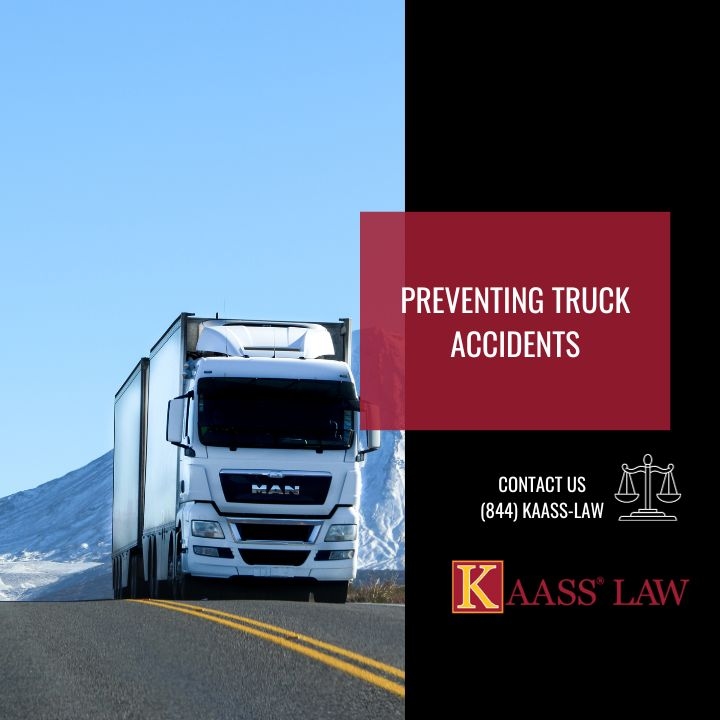
Truck accidents, often resulting in serious injuries and fatalities, have a profound impact on road safety. Preventing truck accidents is a collective responsibility that involves various stakeholders, including truck drivers, regulators, also other road users. Therefore, we'll explore essential strategies and best practices for truck accident prevention.
Preventing truck accidents, we first need to understand what contributes to them. Common factors include driver fatigue, distracted driving, weather conditions, mechanical failures, blind spots. Long hours on the road can lead to fatigue, impairing a driver's judgment and reaction time. Mobile phone use and other distractions divert a driver's attention from the road, increasing the risk of accidents. Adverse weather, such as rain, snow, or fog, can reduce visibility and traction, increasing accident risks. Neglected maintenance can lead to brake failures, tire blowouts, and other mechanical issues. Trucks have significant blind spots, where smaller vehicles can go unnoticed by the driver.
Regular truck maintenance plays a pivotal role in accident prevention. Routine checks and repairs ensure that a truck can stop safely and maintain traction. Properly functioning lights and signals enhance visibility, especially during adverse weather conditions. Well-maintained steering and suspension systems contribute to stability and control.

In the world of transportation, the trucking industry serves as a backbone for the movement of goods across the country. However, with the sheer volume of trucks on the road, safety concerns have always been paramount. The good news is that technology is playing a pivotal role in making trucking safer and reducing accidents. In this blog, we'll explore the innovative technologies that are transforming the trucking industry and contributing to a safer road environment.
One of the most significant advancements in trucking safety technology is the implementation of collision avoidance systems. These systems use sensors and cameras to monitor the space around a truck, detecting potential collisions and warning the driver in real-time. Some advanced systems can even automatically apply the brakes to prevent or mitigate a collision. By providing an extra layer of protection, collision avoidance systems are instrumental in reducing rear-end collisions, a common type of trucking accident.
Visual evidence can be one of the most persuasive elements in a slip-and-fall case. Photographs and video footage capture the accident scene and show hazardous conditions, such as spills, broken stairs, or uneven surfaces, that may have caused your fall. Why it’s essential: Photographs and videos can provide indisputable injury evidence of unsafe conditions. They allow you to demonstrate the state of the property at the time of the accident, preventing the property owner from disputing the hazard's existence or claiming it was promptly addressed after your fall. What to do: Take photos or videos of the area where you fell immediately after the incident. Focus on capturing what caused the fall, such as a wet floor, clutter, or poor lighting. If the property has security cameras, request that footage be preserved before it’s overwritten or deleted.
After any slip and fall, seeking medical attention as soon as possible is crucial. Even if you think your injuries are minor, symptoms may worsen over time, and early medical intervention could prevent complications. Medical records are key injury evidence in showing the severity of your injuries and their connection to the fall. Why it’s essential: Medical records document the nature and extent of your injuries and the treatment you received. These records validate your claim and help quantify damages, such as medical bills and ongoing care needs. What to do: Visit a doctor or healthcare provider as soon as possible after your fall, and follow all recommended treatment plans. Keep detailed records of your medical visits, prescriptions, physical therapy, and any related expenses. These documents will be critical in proving your injuries and the costs of your recovery.
If there were any witnesses to your slip and fall, their testimony can significantly bolster your case. Witnesses provide an unbiased account of what happened. They may be able to corroborate your version of events, such as the presence of a hazardous condition or the property owner’s failure to address the problem. Why it’s important: Witnesses offer independent confirmation that the property was unsafe and that your actions didn’t cause your fall. In cases where there’s a dispute over liability, witness testimony can help clarify how the accident occurred. What to do: Get the names and contact information of anyone who saw your fall or noticed the hazardous condition. Ask them to provide a written or recorded statement describing what they saw.
Expert testimony can be precious in some slip-and-fall cases, particularly those involving complex safety issues or building codes. Experts in fields like safety, engineering, or medicine can offer professional opinions on whether the property owner acted negligently or if specific conditions contributed to your fall. Why it’s crucial: Experts lend credibility to your claim by providing objective, fact-based analyses of the hazard and its potential to cause injury. Their testimony can clarify technical issues, such as whether a surface was too slippery or a handrail was improperly installed. What to do: Your personal injury lawyer will help determine if expert testimony is necessary and coordinate with qualified professionals to strengthen your case.
A key aspect of proving negligence in a slip and fall claim is showing that the property owner either knew about the hazard or should have known about it but failed to take appropriate action. Maintenance and inspection records can reveal whether the property owner regularly checks the premises for hazards and promptly addresses any issues. Why it’s important: These records can demonstrate whether the property owner had a history of neglecting maintenance or was aware of a specific hazard before your fall. If the owner fails to take reasonable steps to prevent accidents, these records could help establish liability. What to do: Your attorney can request maintenance and inspection logs during the discovery phase of your case. This evidence is especially important if the hazardous condition was not immediately obvious or if the property owner claims they were unaware of the problem.
California follows a comparative negligence system in personal injury cases, meaning that your compensation may be reduced if you’re found partially responsible for the accident. The property owner’s legal team may argue that you were texting while walking, wearing inappropriate footwear, or not paying attention. Why it’s essential: The defendant’s legal team will likely try to shift some of the blame to you to reduce their liability. Strong injury evidence to counter these claims can help you receive fair compensation. What to do: Work with your attorney to gather evidence demonstrating you acted reasonably during the accident. Witness testimony, video footage, and a detailed account of the incident can help refute the comparative negligence defense.
Slip and fall cases can be complex, mainly when gathering and presenting evidence. An experienced personal injury lawyer can help you navigate the legal process, ensure crucial injury evidence is preserved, and advocate to maximize your settlement. Why it’s important: A skilled attorney can determine the best legal strategy for your case, from negotiating with insurance companies to taking the case to trial if necessary. Your lawyer will also be able to counter any arguments that the property owner’s legal team may present, such as claims of comparative negligence or disputing the severity of your injuries. If you’ve been injured in a slip-and-fall accident, don’t wait to seek legal advice. KAASS LAW can help you collect the required injury evidence to build a strong case and fight for the compensation you deserve. Contact us today for a free consultation and learn how we can assist with your slip and fall claim. For more details on maintaining a safe environment and preventing slip-and-fall accidents, check out the Occupational Safety and Health Administration (OSHA) website for valuable safety resources.
Several fees are associated with the adjustment of status process, including:
Additional fees may apply if the applicant needs to file forms for work authorization (Form I-765) or travel authorization (Form I-131). The full breakdown of USCIS fees can be found on their official fee schedule.
To qualify for adjustment of status, applicants must meet several key requirements:
If you're unsure whether you meet the eligibility criteria, it's best to consult an immigration attorney. Our blog on waivers of inadmissibility explains eligibility issues and inadmissibility.
Several challenges can arise when applying for an adjustment of status:
We have detailed more about potential challenges in our blog on U.S. immigration interviews and what to expect.
USCIS may require an interview as part of the adjustment process, especially in family-based cases. This is a crucial step, and the immigration officer will verify the information provided in your application. Preparation tips include:
For more tips on preparing for your interview, check out our blog post on U.S. immigration interviews.
Applicants often ask whether they can work or travel while their Form I-485 is pending. To work legally, you can apply for employment authorization (Form I-765); to travel outside the U.S., you will need advance parole (Form I-131). It’s important not to leave the U.S. without advance parole, as it may result in your application being considered abandoned. Our blog on advance parole and work permits during pending Green Card applications covers this topic more fully. Adjusting your immigration status is a significant step toward permanent residency in the U.S. At KAASS LAW; we offer personalized legal guidance to ensure you understand every aspect of this process, from eligibility to interview preparation. Our team is ready to help you avoid pitfalls and confidently move forward with your application. For personalized assistance with your adjustment of status or any other immigration matters, contact KAASS LAW to schedule a consultation.
Always inform your supervisor or HR department about your injury as soon as it happens. Document the details of the incident, including the date, time, and any witnesses.
Failing to seek immediate medical attention is another common workers' compensation mistake. Even if your injury seems minor, getting a professional evaluation is essential. A timely medical examination ensures your health and safety and creates documentation crucial for your claim.
Medical records serve as key evidence in your workers' compensation case. They establish the extent of your injuries and the necessary treatment. Delaying medical treatment can worsen your condition and may be interpreted as a lack of seriousness regarding your injury, which could lead to complications in your claim.
Visit an approved medical provider as soon as possible. Follow their recommendations and maintain thorough records of all visits, treatments, and medications.
Another mistake that can jeopardize your claim is underreporting the severity of your injury. Some workers may downplay their symptoms, thinking it will expedite the process or make them seem less problematic. However, this can lead to inadequate benefits and insufficient support during recovery.
When you fail to describe your injuries accurately, you risk receiving less compensation than you deserve. Workers' compensation covers medical expenses, lost wages, and rehabilitation costs. Not being forthright about your condition may result in medical bills or other expenses that could have been covered. This is one of the more serious workers' compensation mistakes that can cost you.
Be honest and comprehensive when detailing your symptoms. Document all aspects of your injury, including pain levels and limitations in daily activities. Accurate reporting ensures you receive the full range of benefits available.
Every workers’ compensation claim has specific deadlines that must be adhered to. These can include the deadline for reporting the injury and filing your claim. Missing these deadlines is a common workers' compensation mistake that can result in losing your right to benefits.
Each state has its own set of regulations for filing workers' compensation claims. For instance, California generally allows you to file a claim within one year from the date of the injury or within five years for cumulative trauma injuries. However, some deadlines may be shorter depending on your situation.
To avoid missing critical deadlines, maintain a calendar to track important dates related to your claim. It’s advisable to consult with a workers' compensation attorney to ensure you are aware of all applicable timelines and avoid this frequent workers' compensation mistake.
Many injured workers attempt to handle their workers' compensation claims without legal assistance, believing they can manage the process themselves. However, the system can be complex, and missteps can be costly.
A skilled workers' compensation attorney can help you navigate the intricacies of your claim. They can assist in gathering evidence, completing paperwork, and representing you in negotiations with insurance companies. An attorney can also provide valuable advice regarding your rights and options. Avoiding the mistake of not seeking legal counsel can make a significant difference in the outcome of your claim.
If you experience complications with your claim, such as a denial or insufficient benefits, it's crucial to consult an attorney as soon as possible. This ensures you don’t fall into one of the most critical workers' compensation mistakes of handling the process alone. Avoiding these common workers' compensation mistakes can significantly improve your chances of obtaining the benefits you deserve. If you have been injured on the job, KAASS LAW is here to assist you through every step of the claims process, ensuring your rights are protected. For more resources on workers' compensation and related topics, contact KAASS LAW to schedule a consultation. For more information on workers' compensation regulations and requirements, visit the U.S. Department of Labor's Workers' Compensation page.
Pain and suffering compensation covers the physical and emotional toll caused by the injury.
In California, personal injury claims follow the principle of comparative negligence. If the victim is partly at fault, their settlement will be reduced by their percentage of fault.
The at-fault party’s insurance policy limits can affect the maximum amount a victim can receive.
A skilled personal injury lawyer plays a vital role in maximizing the injury settlement. They can negotiate with insurance companies, gather crucial evidence, and advocate for their client.
Strong documentation and compelling evidence are crucial for securing a higher injury settlement.
An injury that significantly impacts the victim’s quality of life often leads to a higher injury settlement.
Where the injury occurred can affect the settlement value. Local laws and jury trends influence how much compensation is awarded in certain areas.
If the victim had pre-existing medical conditions, the insurance company might argue that the injury was not solely caused by the accident. However, if the accident worsened a pre-existing condition, the victim may still be eligible for compensation.
If you’ve been injured in Los Angeles, you don’t have to face the complexities of a personal injury claim alone. The experienced attorneys at KAASS LAW can help you maximize your settlement and ensure your rights are protected. Our team will fight for fair compensation, whether through negotiation or litigation. Get in touch with KAASS LAW today for a free consultation to discuss your case and next steps. For more information on injury settlements in California, you can also refer to the California Department of Insurance for guidelines and consumer protection resources.
While the minimum insurance is mandatory, it often falls short in the case of serious incidents. Here are some additional coverages to consider for your car purchase:
Car insurance rates vary based on several factors. When finalizing a car purchase, it’s important to understand what influences insurance premiums:
For a comprehensive guide on California’s insurance laws, visit California Department of Insurance.
"Learn everything you need to know about car insurance for your new car purchase in California, including mandatory coverages, optional policies, and tips for finding the best rates."
Purchasing a new car is a major investment, and protecting it with the right insurance is essential. While California law requires minimum coverage, it’s wise to consider additional options for complete financial protection. By understanding the factors affecting insurance rates and reviewing the available coverage options, you can find a policy that fits your needs and budget. Choosing the best insurance plan to ensure your rights are fully protected. Contact KAASS LAW online or call our Glendale office at (844) 522-7752 to schedule a free consultation.
Despite mandatory insurance laws in many states, a significant number of drivers are still either underinsured or uninsured. Studies indicate that about 12% of drivers in the United States do not have insurance. This statistic underscores the importance of having uninsured motorist coverage. It protects responsible drivers from the financial fallout of accidents caused by uninsured motorists. For further insights, check the National Association of Insurance Commissioners (NAIC).
Car accidents can lead to substantial costs, including medical bills, property damage, and lost wages. If the other driver is at fault and lacks insurance, you will be responsible for these expenses. UM coverage ensures you won't have to bear these costs alone. You can learn more about how to navigate these situations at FindLaw.
Having UM coverage gives you confidence while driving. Even if you encounter an uninsured driver, you can feel secure knowing your insurance will cover the damages.
Uninsured motorist coverage is generally affordable and can be easily added to your auto insurance policy. It offers protection across various accident scenarios, from minor fender benders to serious collisions.
Imagine you're driving home from work when another vehicle cuts into your lane, causing an accident. The other driver either stops and leaves or drives away entirely. In such a case, tracking down the responsible party may be impossible. With UM coverage, you can file a claim for your medical expenses and car repairs without facing the costs alone.
Picture this: You're at a red light when another driver runs the signal and crashes into you. The police confirm that the other driver is at fault. However, when you exchange insurance details, you discover the driver is uninsured. Without UM coverage, you'll have to cover your medical bills and repair costs yourself. With UM coverage, your insurer will help cover those expenses.
Sometimes, the at-fault driver has insurance, but their coverage isn't enough to pay for your losses. For instance, if you suffer $50,000 in medical expenses and the other driver has a $25,000 coverage limit, UIM coverage can help cover the remaining amount.
If you're a pedestrian and an uninsured driver hits you, UM coverage can be crucial. Medical bills and lost wages from your injuries can add up quickly. UM insurance will help cover these costs, easing your financial burden during a challenging time.
Cyclists face risks on the road, and accidents can lead to significant medical expenses. If an uninsured driver collides with you while biking, UM coverage ensures you won't be left with hefty bills to pay on your own.
Uninsured motorist coverage is a vital component of your auto insurance. It protects you financially when the driver at fault is uninsured or underinsured. This coverage lets you drive with peace of mind, knowing that you are safeguarded against the financial consequences of accidents, including hit-and-runs and collisions involving uninsured drivers. As you review your auto insurance policy, consider the benefits of UM coverage to ensure you are adequately protected while on the road. At KAASS LAW, we emphasize the importance of having the right coverage to protect yourself and your family from unexpected expenses. Don't wait—review your insurance today!
In general, compensation for physical injuries or sickness is not taxable under federal and state tax laws. This means that settlements or jury awards specifically designated to cover medical expenses or physical injuries are typically exempt from taxation. Whether you receive the settlement in a lump sum or structured payments, it remains non-taxable as long as it is attributable to physical injuries or sickness. Compensation for emotional distress and mental anguish is more nuanced. At the same time, damages awarded for emotional distress stemming from physical injuries are usually non-taxable. However, arising from non-physical injuries may be subject to taxation. Therefore, if you can demonstrate the emotional distress from the bodily injury, the settlement amount attributable to such distress may still be considered non-taxable. Punitive damages are almost always taxable.
When it comes to personal injury settlements, understanding the tax reporting requirements is crucial. The IRS has specific rules regarding how settlements are treated for tax purposes, and failing to comply with these requirements can lead to unexpected tax liabilities or penalties. Generally, the taxability of a personal injury settlement depends on the nature of the damages awarded. Compensation for physical injuries or sickness is typically tax-free, while punitive damages and interest may be taxable. It's essential to carefully document and report any personal injury settlement to ensure compliance with IRS regulations and minimize potential tax consequences.
Navigating the tax implications of personal injury settlements involves understanding various exceptions and exceptional cases that may apply. While compensation for physical injuries or sickness is generally tax-free, exceptions exist. For instance, if a portion of the settlement is designated for medical expenses that were previously deducted, it may be taxable. Additionally, punitive damages and interest earned on the settlement amount are typically subject to taxation. Exceptional circumstances, such as structured settlements or allocations for emotional distress, require careful consideration to ensure accurate tax reporting. Consulting with a tax professional can help individuals navigate these complexities effectively.
Navigating the tax implications of personal injury settlements can be complex. At the same time, compensation for physical injuries is typically non-taxable. However, emotional distress and punitive damages may be subject to taxation. For personalized assistance navigating the complexities of personal injury settlements and their tax implications, contact us at 844.522.7752, and our experienced attorneys will help you. Also, visit our website for other practices.
Comprehensive training for commercial truck drivers is essential for accident prevention. Drivers should be well-versed in defensive driving techniques and handling adverse conditions to make safer decisions on the road. Strict adherence to these regulations is crucial in preventing driver fatigue. Also, drivers should be trained to handle emergencies efficiently and avoid panic, reducing the risk of accidents.
Modern technology can significantly reduce the risk of truck accidents. Real-time monitoring of driver behavior and vehicle performance allows for intervention in risky situations. Advanced systems can automatically apply brakes or provide warnings to avoid collisions, reducing accidents. ELDs help enforce hours-of-service regulations and prevent driver fatigue, a leading cause of accidents. Government and regulatory bodies play a crucial role in promoting safety on the roads. Enforcing stricter safety regulations and inspections raises the overall standard of trucking safety. Ensuring that drivers meet strict qualification standards is vital in reducing accidents. However, required ongoing training for drivers keeps their skills up-to-date, contributing to safety on the road. Therefore, accident prevention is not the sole responsibility of truck drivers. Staying out of a truck's blind spot and giving ample space reduces the risk of accidents.
Another critical component of truck accident prevention is fostering strong collaboration between trucking companies and safety agencies. Trucking companies must take a proactive approach by creating a culture of safety within their organizations. This includes not only complying with federal and state regulations but also going beyond the minimum standards by adopting internal safety policies, incentivizing safe driving practices, and ensuring consistent performance reviews. Partnerships with organizations such as the Federal Motor Carrier Safety Administration (FMCSA) allow companies to stay informed about evolving safety standards, participate in industry research, and access valuable resources for training and compliance. These partnerships help identify high-risk behaviors and implement corrective measures before they result in accidents. Safety audits, data sharing, and industry roundtables also facilitate transparency and encourage innovation in road safety. In addition, companies that engage in safety-oriented programs may benefit from lower insurance premiums, improved driver retention, and a stronger public reputation. When trucking companies actively engage with safety agencies and prioritize safety as a business objective, the ripple effects can be seen across the entire transportation ecosystem. Such collaboration ensures not only regulatory compliance but also a deeper commitment to the shared goal of preventing truck accidents and saving lives.
Understanding the legal aspects of truck accidents is crucial for all parties. Determining who is at fault in an accident can be complex and may involve multiple parties, making legal considerations essential. Victims of truck accidents may be entitled to compensation for medical bills, lost wages, also as other damages, emphasizing the legal dimension of accidents. Insurance policies can vary, so understanding coverage is essential for all parties involved in truck accidents.
Advocacy organizations and awareness campaigns are pivotal in accident prevention. Some organizations raise awareness about the dangers of truck accidents and advocate for safer practices to prevent accidents. Advocacy groups often lobby for stricter regulations, so as to improve safety standards to reduce the likelihood of accidents. Gathering and analyzing accident data helps identify trends and areas for improvement, enabling more effective accident prevention strategies.
Preventing truck accidents is a shared responsibility among truck drivers, vehicle manufacturers, and regulatory bodies, as well as for all road users. By understanding the causes of accidents, maintaining trucks, promoting proper driver training, and embracing technology, we can work together to create safer roads for everyone. Increased awareness, advocacy, and the adoption of new technologies hold the key to a future with fewer truck accidents and safer transportation for all. If you have questions or would like to discuss truck accident prevention further, please feel free to contact us at 310.943.1171. Also, visit our website for other practices.
The implementation of Electronic Logging Devices (ELDs) has brought about a fundamental shift in the trucking industry. ELDs electronically record a driver's hours of service, ensuring compliance with federal regulations. By replacing traditional paper logbooks, ELDs not only improve accuracy but also help prevent driver fatigue, a leading cause of accidents. This technology ensures that drivers adhere to mandatory rest periods, promoting safer driving practices.
Telematics and fleet management systems use GPS and onboard sensors to collect and transmit real-time data about a truck's location, speed, and various mechanical parameters. Fleet managers can monitor driver behavior, vehicle maintenance needs, and adherence to safety protocols. This technology allows for proactive intervention, addressing potential issues before they escalate into safety hazards. By promoting responsible driving habits and regular maintenance, telematics contribute to overall road safety.
Advanced Driver Assistance Systems encompass a range of technologies designed to assist drivers and enhance overall safety. These systems may include lane departure warnings, adaptive cruise control, and automatic emergency braking. ADAS technologies work together to create a safer driving environment, reducing the likelihood of accidents caused by human error. They serve as an extra set of eyes and tools for drivers, particularly in challenging driving conditions.
Trucks have notorious blind spots that can make lane changes and merging hazardous. Blind spot detection systems use sensors to monitor these blind spots and alert drivers when there is a vehicle in their vicinity. This technology is invaluable in preventing accidents caused by a lack of visibility, especially during lane changes on highways.
Proper load monitoring and weight distribution are critical for truck safety. Overloaded or improperly loaded trucks are more prone to accidents, especially during braking or turns. Load monitoring systems use sensors to ensure that the weight is distributed evenly and within legal limits. By preventing issues related to imbalanced loads, these systems contribute to safer driving conditions.
Emergency braking systems are designed to automatically engage the brakes in the event of an imminent collision. This technology helps mitigate the severity of accidents or, in some cases, prevent them altogether. By providing an additional layer of protection, emergency braking systems are reducing the impact of rear-end collisions, a common occurrence in the trucking industry.
Predictive analytics leverage data from sensors and monitoring systems to predict when a truck or its components are likely to require maintenance. By identifying potential issues before they cause a breakdown or failure, trucking companies can proactively address maintenance needs. This not only prevents unexpected roadside breakdowns but also reduces the likelihood of accidents caused by mechanical failures.
Driver monitoring systems use cameras and sensors to assess driver behavior and attention levels. These systems can detect signs of fatigue, distraction, or impairment, providing real-time alerts to the driver and, in some cases, to the fleet manager. By addressing potential safety hazards related to driver behavior, these systems contribute to accident prevention.
While still in the early stages of development and testing, autonomous trucks represent a potential revolution in the trucking industry. These vehicles use advanced sensors, cameras, and artificial intelligence to navigate the roads without human intervention. While fully autonomous trucks are not yet commonplace, the technology holds promise for reducing accidents caused by human error, fatigue, and distraction in the future.
Technology is undeniably transforming the trucking industry, making it safer and more efficient than ever before. From collision avoidance systems to predictive analytics for maintenance, these advancements are addressing longstanding safety concerns and contributing to a reduction in trucking accidents. As technology continues to evolve, the trucking industry can look forward to an even safer and more streamlined future on the roads. Additionally, please be sure to visit our other website for more information on other potential cases we may be of assistance for.