Preventing Truck Accidents
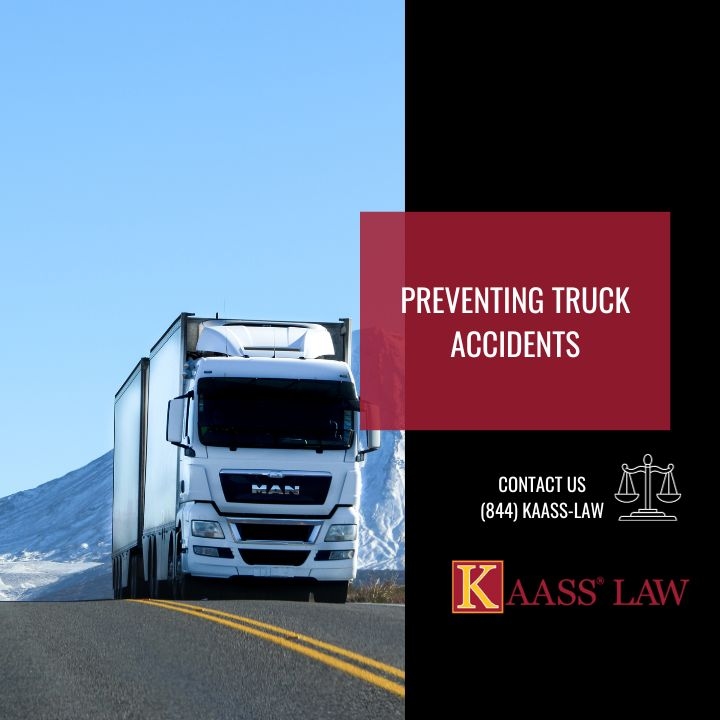
Truck accidents, often resulting in serious injuries and fatalities, have a profound impact on road safety. Preventing truck accidents is a collective responsibility that involves various stakeholders, including truck drivers, regulators, also other road users. Therefore, we'll explore essential strategies and best practices for truck accident prevention.
Understanding the Causes of Truck Accidents
Preventing truck accidents, we first need to understand what contributes to them. Common factors include driver fatigue, distracted driving, weather conditions, mechanical failures, blind spots. Long hours on the road can lead to fatigue, impairing a driver's judgment and reaction time. Mobile phone use and other distractions divert a driver's attention from the road, increasing the risk of accidents. Adverse weather, such as rain, snow, or fog, can reduce visibility and traction, increasing accident risks. Neglected maintenance can lead to brake failures, tire blowouts, and other mechanical issues. Trucks have significant blind spots, where smaller vehicles can go unnoticed by the driver.
The Importance of Proper Truck Maintenance
Regular truck maintenance plays a pivotal role in accident prevention. Routine checks and repairs ensure that a truck can stop safely and maintain traction. Properly functioning lights and signals enhance visibility, especially during adverse weather conditions. Well-maintained steering and suspension systems contribute to stability and control.
Driver Training and Education for Preventing Truck Accidents
Comprehensive training for commercial truck drivers is essential for accident prevention. Drivers should be well-versed in defensive driving techniques and handling adverse conditions to make safer decisions on the road. Strict adherence to these regulations is crucial in preventing driver fatigue. Also, drivers should be trained to handle emergencies efficiently and avoid panic, reducing the risk of accidents.
Technology's Role and Regulatory Changes
Modern technology can significantly reduce the risk of truck accidents. Real-time monitoring of driver behavior and vehicle performance allows for intervention in risky situations. Advanced systems can automatically apply brakes or provide warnings to avoid collisions, reducing accidents. ELDs help enforce hours-of-service regulations and prevent driver fatigue, a leading cause of accidents. Government and regulatory bodies play a crucial role in promoting safety on the roads. Enforcing stricter safety regulations and inspections raises the overall standard of trucking safety. Ensuring that drivers meet strict qualification standards is vital in reducing accidents. However, required ongoing training for drivers keeps their skills up-to-date, contributing to safety on the road. Therefore, accident prevention is not the sole responsibility of truck drivers. Staying out of a truck's blind spot and giving ample space reduces the risk of accidents.
Collaboration Between Trucking Companies and Safety Agencies
Another critical component of truck accident prevention is fostering strong collaboration between trucking companies and safety agencies. Trucking companies must take a proactive approach by creating a culture of safety within their organizations. This includes not only complying with federal and state regulations but also going beyond the minimum standards by adopting internal safety policies, incentivizing safe driving practices, and ensuring consistent performance reviews. Partnerships with organizations such as the Federal Motor Carrier Safety Administration (FMCSA) allow companies to stay informed about evolving safety standards, participate in industry research, and access valuable resources for training and compliance. These partnerships help identify high-risk behaviors and implement corrective measures before they result in accidents. Safety audits, data sharing, and industry roundtables also facilitate transparency and encourage innovation in road safety. In addition, companies that engage in safety-oriented programs may benefit from lower insurance premiums, improved driver retention, and a stronger public reputation. When trucking companies actively engage with safety agencies and prioritize safety as a business objective, the ripple effects can be seen across the entire transportation ecosystem. Such collaboration ensures not only regulatory compliance but also a deeper commitment to the shared goal of preventing truck accidents and saving lives.
The Legal Consequences of Truck Accidents
Understanding the legal aspects of truck accidents is crucial for all parties. Determining who is at fault in an accident can be complex and may involve multiple parties, making legal considerations essential. Victims of truck accidents may be entitled to compensation for medical bills, lost wages, also as other damages, emphasizing the legal dimension of accidents. Insurance policies can vary, so understanding coverage is essential for all parties involved in truck accidents.
Promoting Awareness and Advocacy
Advocacy organizations and awareness campaigns are pivotal in accident prevention. Some organizations raise awareness about the dangers of truck accidents and advocate for safer practices to prevent accidents. Advocacy groups often lobby for stricter regulations, so as to improve safety standards to reduce the likelihood of accidents. Gathering and analyzing accident data helps identify trends and areas for improvement, enabling more effective accident prevention strategies.
Contact Us
Preventing truck accidents is a shared responsibility among truck drivers, vehicle manufacturers, and regulatory bodies, as well as for all road users. By understanding the causes of accidents, maintaining trucks, promoting proper driver training, and embracing technology, we can work together to create safer roads for everyone. Increased awareness, advocacy, and the adoption of new technologies hold the key to a future with fewer truck accidents and safer transportation for all. If you have questions or would like to discuss truck accident prevention further, please feel free to contact us at 310.943.1171. Also, visit our website for other practices.
Related Articles
View All Posts
What Are California's Clean Car Rules?
Clean Car rules refer to California's vehicle emission standards aimed at reducing air pollution and greenhouse gases. These rules come from the California Air Resources Board (CARB). They require automakers to cut tailpipe emissions and produce zero-emission vehicles like electric or hydrogen-powered cars.
California's program is stricter than federal rules. Over a dozen other states have adopted these standards under Section 177 of the Clean Air Act.
Legal Challenge to Clean Car Standards Gains Traction
Recently, the U.S. Supreme Court allowed a lawsuit against California’s Clean Car rules to move forward. This case was brought by Republican-led states and industry groups. They claim that California's authority to set its own emission rules is unconstitutional.
The main argument revolves around the federal Clean Air Act. It allows California to request a waiver to impose stricter standards. The plaintiffs argue that these waivers create confusion and impose unfair burdens on car manufacturers. Automakers must then meet both federal and California standards.
Supreme Court Declines to Block the Case
The Supreme Court did not rule on the lawsuit’s outcome. Instead, it simply allowed the case to continue in lower courts. This reverses earlier decisions that blocked the case on jurisdictional grounds.
California Attorney General Rob Bonta has promised to defend the rules. Environmental groups also support the Clean Car program, citing public health and climate benefits.
What This Means for Automakers and Consumers
If the challenge succeeds, California might lose its power to enforce stricter emissions rules. Automakers would likely reduce investments in zero-emission vehicles for the California market.
Consumers could see fewer Clean Car options and increased vehicle emissions. If California wins, the state could continue shaping national clean vehicle policy and technology.
Environmental and Health Impacts
Clean Car standards are about more than climate change. They address serious public health concerns. Vehicle emissions worsen smog and trigger asthma and heart conditions, especially in cities.
California suffers from some of the worst air pollution in the U.S. Areas like Los Angeles and the Central Valley are most affected. Clean Car rules aim to reduce the harm caused by millions of vehicles.
To learn more about vehicle pollution and public health, visit the Environmental Defense Fund.
Legal Battle Over State vs. Federal Power
This lawsuit raises big questions about federalism. Should California be able to set stricter rules than the federal government?
The Clean Air Act gives California the right to apply for waivers. That’s because the state has struggled with air pollution for decades.
Opponents argue these waivers give California too much control over national markets. Supporters say they drive innovation and protect public health.
The Trump administration revoked California’s waiver. President Biden later restored it. The back-and-forth has led to legal uncertainty.
Clean Car Standards Drive the Electric Vehicle Future
No matter how this case ends, the shift toward electric vehicles (EVs) is underway. Automakers like Tesla, Ford, and GM are heavily investing in EVs.
Clean Car rules helped build charging infrastructure and encouraged EV adoption. Weakening these rules might slow progress. But market forces and climate goals will likely keep the EV transition moving forward.
KAASS LAW’s Legal Insight
At KAASS LAW, we closely track cases like the Clean Car challenge. Environmental laws affect businesses, consumers, and government entities alike. Our attorneys are ready to help you understand and respond to these legal changes.
Visit our Business Law page to learn how we assist clients with compliance and litigation. We also handle Lawsuits and Litigation in various sectors, including environmental matters.
What Happens Next?
The case returns to lower courts for full litigation. Both sides will present their arguments. A final decision may take years.
Until then, Clean Car standards remain active. Automakers, regulators, and environmental groups will be watching closely. The ruling could reshape national clean air policy.
Conclusion
The Supreme Court’s action allows a high-stakes lawsuit against California’s Clean Car rules to move forward. The outcome will affect state powers, public health, and the auto industry.
Whether you’re a business, consumer, or policymaker, the decisions made in this case could impact you. Contact KAASS LAW to learn how we can help you navigate these evolving legal landscapes.

E-bikes are gaining popularity across California, offering an efficient and eco-friendly way to get around. But with the rise in usage, the number of e-bike injury incidents involving both riders and pedestrians has also grown. If you’ve been injured while riding an e-bike—or struck by one—you need to take swift action to protect your health and your legal rights. Here's what to do immediately after an injury accident in California
Step 1: Get Medical Attention for Your E-Bike Injury
Your health should always come first. After an e-bike injury, call 911 or go to the nearest emergency room, even if you feel okay. Some injuries, such as concussions or internal bleeding, may not show immediate symptoms.
Seeing a doctor promptly not only protects your health but also creates a medical record that can be critical if you decide to pursue a legal claim.
Step 2: Report the E-Bike Injury to the Police
Call local law enforcement to report the accident. In California, any collision involving injury or property damage must be documented. The responding officer will create an official police report.
Be clear and honest when giving your statement. Make sure you ask how to obtain a copy of the report. It will serve as important evidence in your case.
Step 3: Preserve Evidence—Don’t Disturb the Scene
In any e-bike injury case, preserving the accident scene is critical. If you are physically able, avoid moving the e-bike, other vehicles, or debris until authorities arrive. This helps investigators document the scene accurately.
Take photographs or videos of:
- Damaged e-bikes or vehicles
- Skid marks and debris
- Traffic signs or signals
- Visible injuries
- Your location relative to the road or sidewalk
If you're unable to take photos yourself, ask a witness or bystander to help. Never clean up or move items until the scene is documented.
Step 4: Collect Witness Statements After an E-Bike Injury
Witnesses can play a key role in verifying your version of events. If anyone saw the crash, ask them for:
- Full name
- Contact information
- A brief statement of what they saw
Eyewitness accounts are especially helpful in e-bike injury cases involving disputes over right of way, sidewalk use, or rider negligence.
Step 5: Document Your Injuries and Financial Losses
Keep records of everything related to your e-bike injury, including:
- Photos of injuries
- Doctor’s notes
- Prescriptions
- Physical therapy sessions
- Time missed from work
- Property damage (e.g., broken phones, cracked helmets, damaged e-bike)
Hold on to all bills, receipts, and repair estimates. This documentation will help build your case and support your claim for compensation.
Step 6: Don’t Speak to Insurers Without Legal Help
After an e-bike injury, insurance companies may contact you for a statement. Don’t provide one without first consulting a lawyer. Insurers often try to minimize payouts or shift blame.
At KAASS LAW, we deal with insurance adjusters on your behalf. We make sure your rights are protected and help you pursue fair compensation.
Step 7: Understand Liability in an E-Bike Injury Case
Determining fault is key in any e-bike injury case. Liability may fall on:
- A negligent e-bike rider
- A driver who hit a rider
- The city has hazardous road conditions
- An e-bike manufacturer is experiencing equipment failure
A personal injury attorney can help investigate the cause, gather evidence, and identify all responsible parties.
Common Causes of E-Bike Injury in California
Here are the common causes of e-bike injury for both riders and pedestrians:
- Reckless or speeding riders
- Riding on sidewalks or pedestrian paths
- Distracted riding or driving
- Mechanical failures (brakes, tires, batteries)
- Dooring accidents from parked vehicles
- Failure to yield at crosswalks or stop signs
If negligence was involved, you may be eligible for compensation for your injuries and damages.
Know Your Rights After
California law provides legal options for victims of injury accidents. Whether you're a rider or a pedestrian, you have the right to seek damages if someone else was at fault.
Visit our Personal Injury and Bicycle Accident Lawyer pages to learn more about your rights and how KAASS LAW can help.
When to Contact an Attorney
Don't wait to speak with a qualified attorney if you’ve suffered an injury in California. At KAASS LAW, we assist victims in gathering evidence, filing claims, and securing the compensation they deserve.
We offer free consultations and work on a contingency fee basis, meaning you pay nothing unless we win your case.
E-Bike Safety Resources
Visit the National Highway Traffic Safety Administration (NHTSA) to learn more about e-bike safety, traffic laws, and accident prevention. This reputable resource offers valuable guidance for both riders and motorists.
Call KAASS LAW Today for Help With Your E-Bike Injury Case
If you or a loved one has been involved in an e-bike injury accident—whether as a rider or a pedestrian—you don’t have to face the aftermath alone. The legal team at KAASS LAW is here to help you understand your rights, gather critical evidence, and pursue the compensation you deserve.
Our experienced California personal injury attorneys have successfully represented clients in a wide range of transportation-related accident cases. We are committed to holding negligent parties accountable and helping you get the justice you need to move forward. Call us today at (310) 943-1171 or visit kaass.com to schedule your consultation.

California positioned itself as a leader in reproductive rights by passing legislation that would expand IVF access through mandated insurance coverage. However, a recent amendment to the law has delayed its implementation from 2025 to 2026. This decision has left many prospective parents feeling abandoned, financially overwhelmed, and unsure of their next steps.
At KAASS LAW, we help individuals and couples navigate the complex legal and insurance systems tied to fertility treatments. In this post, we examine what California’s delayed IVF law means and what options remain available for those affected.
IVF Access Law: What California Promised
The law aimed to increase IVF access by requiring most health insurance plans in California to cover in vitro fertilization. Governor Gavin Newsom signed the law in October 2023, with the original start date set for January 1, 2025.
Specifically, the law:
- Defined infertility as a disease
- Required insurance providers to cover diagnosis and treatment, including IVF
- Applied to both employer-sponsored and individual health plans
By removing cost barriers, the state hoped to give more people the chance to build families through assisted reproductive technologies. However, legislators have now pushed the effective date to January 1, 2026.
IVF Access Delay: Real-World Consequences
This delay affects more than just policy—it impacts lives. IVF success rates often depend on timing. A one-year wait can lower success rates, especially for individuals over 35 or those with medical conditions.
Here’s what the delay means for patients:
- Insurance companies are not legally required to provide IVF coverage until 2026
- Individuals must continue paying out-of-pocket or rely on plans that offer voluntary benefits
- Delayed access may force some patients to postpone or abandon fertility plans entirely
People now face added stress, high treatment costs, and fewer alternatives. While the law’s delay may serve administrative needs, it introduces serious emotional and financial challenges for families.
If you’ve been denied fertility-related benefits or misled by your insurer, KAASS LAW can help you understand your rights. Visit our insurance claim disputes page for support.
Why Lawmakers Delayed IVF Access
California lawmakers claimed that insurers and state regulators needed more time to implement the IVF mandate. Insurance companies argued that they required time to update policies, calculate cost impacts, and train staff.
Supporters of the delay believe that a smoother rollout will ultimately help everyone. But many reproductive health advocates disagree. They argue that the delay prioritizes bureaucracy over people who have waited long enough.
Fertility treatment is not a luxury—it is a medical necessity for thousands. Lawmakers must balance administrative readiness with real human needs.
To read more about the recent delay, visit this Los Angeles Times article
Understanding the Legal Landscape of Reproductive Rights
California typically leads the way in protecting reproductive rights. While states like Alabama and Tennessee restrict IVF and other treatments, California’s legislation represents progress. However, delays like this reveal gaps between legal promises and practical realities.
Patients still lack guaranteed access to IVF, even though the law exists. Until full implementation occurs, patients must rely on employer benefits, personal savings, or outside funding sources.
At KAASS LAW, we support clients facing legal and insurance hurdles related to healthcare. If your insurance policy misrepresents its fertility benefits or denies a valid claim, we’re ready to act. Explore our healthcare law services for more information.
What You Can Do While Waiting for Coverage
Even though the law won’t take effect until 2026, there are still actions you can take right now to protect your family-building journey:
1. Check your current coverage
Review your plan’s benefits and exclusions. Some employer-sponsored plans may offer IVF coverage voluntarily.
2. Ask your HR department or broker
Employers can modify group health plans at any time. If you’re part of a large organization, collective requests for fertility coverage may influence change.
3. Apply for fertility grants
Several nonprofits provide financial assistance for IVF. Clinics may also offer payment plans, refunds for unsuccessful cycles, or package pricing.
4. Document insurance interactions
Save emails, letters, and notes from calls with insurance reps. If your benefits are misrepresented or claims are wrongly denied, legal action may be possible.
5. Contact a fertility law attorney
You don’t need to navigate this alone. Attorneys experienced in insurance and healthcare law, like the team at KAASS LAW, can evaluate your situation and suggest the best next steps.
KAASS LAW Supports IVF Patients and Families
Fertility issues can be deeply personal and legally complex. The delayed IVF access law adds another layer of difficulty to an already overwhelming process. Our attorneys work with clients to resolve disputes involving:
- Denied insurance claims for IVF or other reproductive procedures
- Failure to disclose policy limits or exclusions
- Misleading marketing materials related to fertility coverage
- Delays or denials based on age, gender, or medical history
We take a proactive approach to insurance disputes. Whether you need help appealing a denial or filing a legal complaint, KAASS LAW stands by your side throughout the process.
IVF Access Can’t Wait
Delaying IVF access might serve short-term policy goals, but it harms real people today. Fertility doesn’t pause for bureaucratic processes, and neither should your ability to receive care. California made a bold promise by passing this law. Now, the state must ensure its timely and effective implementation.
In the meantime, patients deserve accurate information, strong legal protections, and affordable options. At KAASS LAW, we are committed to helping families overcome the legal and financial barriers that stand between them and their dreams of parenthood.
If you believe your rights have been violated or your insurer acted in bad faith, contact us today. Let’s work together to protect your future.