

What Is a Court Judgment? Understanding Court Judgments in California Learn what a court judgment is, how it can impact you, and the steps you can take if a judgment is entered against you in California. Get expert legal help at KAASS LAW.
A court judgment is the formal decision made by a court to resolve legal disputes. Whether in a criminal or civil case, a court judgment determines the rights and obligations of each party involved. If a court judgment is entered against you, understanding your options and responding promptly is crucial, especially in California’s complex legal landscape. In California, court judgments are a key part of the legal system, and they can have a lasting impact on your life. The judgment may order you to pay money, stop a specific activity, or take a specific action. The judgment will become legally binding once issued, and failing to comply with it could result in further legal actions, such as wage garnishment, property liens, or even contempt of court charges.
Different cases lead to different types of court judgments. Here are some common types:
In criminal cases, court judgments often result in penalties like imprisonment, fines, or probation. These judgments can have serious long-term consequences, affecting not only your criminal record but also future employment prospects. For example, a conviction for a crime such as theft, assault, or driving under the influence (DUI) can lead to significant legal penalties and a permanent criminal record. A criminal court judgment typically includes sentencing, such as the length of prison time, probation, or a fine. These penalties can also include restitution, which requires the defendant to pay back the victim for any losses incurred as a result of the crime.
In civil cases, court judgments typically involve financial compensation or other remedies. For example, if you’re sued for a breach of contract, the court may order you to pay the plaintiff a certain amount of money. Civil court judgments can also apply in cases of personal injury claims, property disputes, or family law matters such as divorce and child custody. Monetary judgments in civil cases may include not only compensation for damages but also interest and court costs. If you lose a civil case, the court judgment may require you to pay these amounts, and failure to do so may result in further legal actions, such as asset seizure or wage garnishment.
If a court judgment is entered against you, it’s important to take action. Here’s how you can respond:
Unpaid court judgments can severely affect your credit score, making it more difficult to secure loans, credit, or rental housing. A judgment can remain on your credit report for up to seven years, which could influence potential lenders and landlords. Paying off the judgment or negotiating a settlement can help resolve the matter and improve your credit report. If you fail to pay the judgment, the creditor may take further steps to collect the debt, such as placing a lien on your property or garnishing your wages. This can complicate your financial situation and prevent you from obtaining new credit or loans.
Time is crucial when dealing with court judgments. Failing to act within the deadlines for filing appeals or requests may make the judgment final, limiting your ability to contest it. If you miss deadlines, you may lose the opportunity to appeal or challenge the judgment, and the debt may become much harder to resolve. If you fail to act, the judgment could also trigger more serious actions, such as wage garnishments, liens, or asset seizures. The earlier you seek legal assistance, the better your chances of resolving the matter in your favor. For more information on what to do after receiving a judgment, check out the California Courts website.
If you’ve received a court judgment in California, it’s essential to understand your rights and options. At KAASS LAW, our team of experienced attorneys is here to help you navigate the complexities of court judgments, whether you're filing an appeal, challenging a default judgment, or seeking a release of judgment. Time is critical, so contact us today to schedule a consultation.

The surviving family members of the deceased may be entitled to bring a wrongful death claim in the event that another person is to blame for a fatal motorbike accident. Wrongful death lawsuits in a motorcycle accident claim may be due to the carelessness of another motorist. You can decide whether you have a claim and can file a case with the assistance of a motorcycle accident lawyer from our office.
A careless act by one party can be one of several causes of a motorbike accident resulting in wrongful death. Negligent conduct that causes motorcycle accidents may involve:
However, not all motorbike collisions are the fault of another driver. For instance, you might be able to sue a highway maintenance firm or a local government agency if your loved one passes away due to a poorly constructed or maintained road. Claimants could file a lawsuit against a car manufacturer or a manufacturer of automobile parts, for example, if a defective vehicle part caused a fatal motorbike accident. Your wrongful death case may name several defendants, depending on the specifics of your loved one's motorcycle accident.
California Vehicle Code 12500 (b) states, “A person may not drive a motorcycle, motor-driven cycle, or motorized bicycle upon a highway, unless the person then holds a valid driver’s license or endorsement issued under this code for that class, except those persons who are expressly exempted under this code, or those persons specifically authorized to operate motorized bicycles or motorized scooters with a valid driver’s license of any class.”
It is most likely that you will want to obtain the M1 class motorcycle license, which permits you to drive a traditional motorcycle. The M2 and M3 class licenses are only for motorized scooters, “mopeds,” and 3-wheel motorcycles. You will need to go to a DMV and provide your:
Then, you will need to perform the following:
Earning a CCMT by completing the course can be used to opt out of the in-person driving test at a DMV. However, you will still be required to pass a written test regarding motorcycle operation laws.

In California, domestic violence is addressed in the following ways:
Yes, as mentioned previously, an individual can be liable for the tort of domestic violence. Per Civil Code section 1708.6, an individual can be held liable for the tort of domestic violence if the plaintiff proves the following:
Under California law, an injured patient can pursue a medical malpractice claim in California against doctors, physicians, or other health care providers due to negligence.
The claimant must be able to establish the following elements to have a successful case:
Standard of care is a term that refers to the accepted practices and procedures that healthcare providers use when treating a patient and it can vary depending on a different number of factors, such as the patient's overall health or age. A standard of care can be shown through gathering testimony from expert witnesses, such as from another doctor who practices at a similar facility and the same type of medicine.
Some common examples of medical malpractice:
The maintenance of safe working conditions is the primary obligation of any employer. However, there are types of jobs in case of which it is impossible to avoid working with hazardous materials. In these cases, it is very difficult but mandatory to ensure safety for the employees. Suppose you work in a laboratory with hazardous materials. You start to notice that you have headaches which, day by day become stronger. You visit a doctor who claims that the headaches are caused by the result of contact with hazardous materials in conditions not safe for your help. Who shall be responsible to compensate for the damages? Firstly, it is obvious to think of the opportunity to sue your employer. But, shall you prove that the employer was directly involved and guilty for the damages to your health? Of course, it will be very difficult to prove the guilt of the employer and to show that he directly does not undertake the necessary measures to ensure safety in the workplace. Besides, even if such measures have been undertaken, you can still receive compensation for injuries. That's why, under California legal regulations, you just need to prove that the damage to your health was caused because of the hazardous work conditions. Particularly, as to the example highlighted above, you shall prove that the headaches were caused because of contact with chemicals at the workplace.
You shall prove that you have been exposed to hazardous chemicals at work and you were injured as the result of such exposures by taking the following steps:
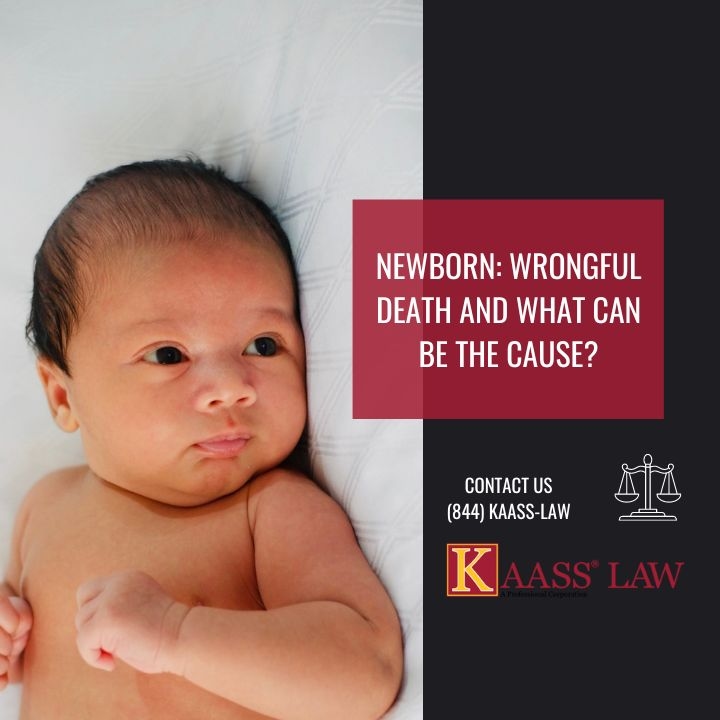
The newborn involved in a fatal accident is a devastating and tragic event that no parent should ever have to endure. Unfortunately, it is a reality that happens all too often, and neglect, abuse, or even intentional harm cause it. In this blog post, we will explore the issue of wrongful death in babies. As well as, the causes, the legal ramifications, and the steps that can be taken to prevent it.
There are many different causes of a newborn being involved in a fatal accident, but some of the most common include neglect, abuse, and intentional harm. Neglect can occur when a parent or caregiver fails to provide the baby with the necessities of life. Abuse can occur when a parent or caregiver physically, emotionally, or sexually harms a baby. Intentional harm can occur when a parent or caregiver deliberately harms or kills a baby.
Neglect is the most common form of abuse of babies, and it can take many forms. For example, a parent or caregiver may fail to provide the baby with proper nutrition, fail to take the baby to the doctor when they are sick, or fail to protect the baby from hazardous situations. Neglect can be just as dangerous as physical abuse, and it can lead to serious health problems and even death.
Autopsy, often known as postmortem medical examination, assist families and authorities in determining how a person died. When a death is sudden, its cause is unknown, or the person died in suspicious circumstances, police agencies, medical personnel, or relatives may request one. It makes sense that when a loved one dies due to someone else's wrongdoing, the family members may file a wrongful death lawsuit. While it is typically not legally necessary, it might be helpful or crucial for demonstrating wrongful death.
When someone dies in certain situations, California law mandates that the coroner's office be notified immediately to do an autopsy and determine the manner of death. As per California Government Code Section 27491, here are a few cases that necessitate an autopsy:

When a tire blows out at high speed, your car may swerve, cross lanes, or collide with another car. Deaths and severe injuries are frequently brought on by tire failure. Sometimes, a defective tire that results in accidents and fatalities may be the fault of the tire manufacturer or another party. Our California tire accident attorneys know the devastation such instances may cause. Defective tires that separate or blow out have a long history in the auto and tire manufacturing industries. You might not know you use hazardous tires due to a broken recall system.
The following are the most prevalent tire flaws:
Yes, it is legal for a property owner to charge a tenant a late fee if their rent has not been paid on time. However, California law subjects landlords to some regulations when doing charging a tenant a late fee. The most important regulation is that the lease agreement must lay out the terms for late-payments and specifically describe when and how a late fee must be paid. This section of the contract must include the amount to be paid when a late fee can be charged, and clauses stating that the payment represents an adequate compensation of the damages caused by the lateness of the rent payment.
California law requires that the late fee be a “reasonable” amount of money meant for fixing the damage caused by the delay of a tenant’s payment. Courts have had varying definitions on what constitutes a reasonable amount, but the general consensus is that a late fee of 5% of monthly rent is considered reasonable for late payment, and the fee can be up to 10% for “extremely” late payments. Extremely late payment would be paid after the tenant was given a contractually obligated, “grace period.”
A grace period refers to the amount of time a tenant has to pay their rent before accruing a late fee or increasing an existing late fee. California law does not require landlords to give tenants a grace period, meaning that if they choose, landlords can charge a late fee a day after rent is due. However, many landlords choose to include grace periods so they can collect a higher late fee, due to the courts’ recognition of an “extremely” late payment as previously mentioned.
It's critical to realize that there is a statute of limitations on wrongful death claims. Any wrongful death lawsuit in California must be filed within two years after the decedent's passing. As a result, the court will not consider a case submitted after the deadline. Any next of kin thinking about bringing a civil lawsuit should consult a motorcycle accident attorneys to determine how swiftly they should move forward.
The financial burden that may result from a loved one's passing can be extremely heavy. Families of victims of motorcycle accidents may have relied on the earnings and benefits of their loved ones. If the deceased was the primary provider for the family, the unanticipated financial difficulty could also be experienced in addition to bereavement. Family members can, however, bring a wrongful death lawsuit in a motorcycle accident case. If a different driver's negligence or recklessness resulted in the death of your loved one, you might be entitled to compensation for losses like:
With a wrongful death claim, you could possibly receive further compensation.
This solely depends on the severity of your suffering. You should get compensation according to the law. Things like medical costs and missed payments are simple for them to demonstrate. The case for intangible harm is more challenging. However, these events often result in lost companionship, suffering, and other non-economic costs. Additionally, you could receive two to five times the amount of your economic damages.
When a family loses a loved one in a motorcycle accident or any other injury accident, we at Kaass Law dedicate ourselves to assisting them in getting the recompense they require and deserve. Call Kaass Law at (310) 943-1171 to learn more about state laws in your area and how we might be able to assist you with a claim for wrongful death resulting from a motorcycle accident.
It is possible to obtain a license if you are under the age of 21. However, there are some additional steps that must be taken to do so. Applicants aged 18-20 are required to get the Certificate of Completion of Motorcycle Training and must hold an instructional permit for at least 6 months. Applicants aged 15 ½ to 17 must additionally provide proof of completion of a driver's education course.
As specified in CVC section 12500 (b), operating a motorcycle without a valid license is a crime. The statute classifies the crime as a misdemeanor offense, meaning that upon conviction, you could face:
The definition of abuse used under Civil Code section 1708.6 is actually defined under Penal Code section 13700. As per this Penal Code section, abuse means to intentionally or recklessly cause or attempt to cause bodily injury or place another individual in reasonable apprehension of imminent serious bodily harm o himself or another person.
Here are some examples of domestic violence:
Depending on the severity of any injuries and the defendant's criminal history, varying penalties may be imposed for convictions under California's domestic violence laws. Even for a first misdemeanor, several counties demand a minimum sentence of 30 days in jail. Additionally, they frequently stipulate that the defendant complete a 52-week domestic abusers course. Moreover, domestic violence conviction in California will remain on your lifelong criminal record. As a result, it could be challenging to obtain employment, pass a background check for any state professional certification, or qualify for other benefits.
The defendant, who is the person causing abuse to the plaintiff, may be liable for both compensatory as well as punitive damages. Additionally, the defendant may also be held to pay reasonable attorney’s fees.
Compensatory damages are money that is awarded to the plaintiff as a result of the loss plaintiff has suffered due to the negligent or unlawful conduct of another individual.
Punitive damages are money awarded to the plaintiff in addition to compensatory damages. Punitive damages are awarded as a form of punishment to those who engage in bad behavior. Additionally, it serves as an example to discourage others, as well as the defendant, from acting similarly in the future.
According to California Civil Code § 1708.6, the statute of limitations for civil domestic abuse cases is three years from the time the last abusive conduct occurred. If the abuse is still occurring, the plaintiff may be compensated for all earlier abuse committed by the same defendant.
If you or someone you know is facing a violation under Civil Code section 1708.6, contact our experienced attorneys at (31)943-1171 for a consultation.
In California, an injured person can bring a medical malpractice case against
A plaintiff must notify a potential medical malpractice defendant, including a doctor or other health care provider, of the plaintiff’s intention to file the lawsuit at least 90 days before the lawsuit is filed. (Cal. Code Civ. Proc. § 364.) The notice must include the legal basis of the claim, the type of loss sustained, and the nature of the injuries suffered. (Id.)
In California, a plaintiff has three years after the initial date of the injury to bring a personal injury claim connected to medical malpractice lawsuits. Though in case there is an issue in discovering that something happened, such as an injury that shows no signs of damage to the person's body, there is only 1 year after this plaintiff discovers the harm.
In California, patients who suffered as a result of medical malpractice can recover the following damages:
California medical malpractice laws may change at any time, so it would be best to get updated information from a Los Angeles medical malpractice attorney.
If you were harmed due to a healthcare provider's negligence, we invite you to get in touch with our Los Angeles medical malpractice attorney at (310) 943-1171 for a free consultation and case review.
It is very difficult to imagine bringing any third party to liability other than the employer. However, some scenarios can still be present. For example, if you work with some chemical materials and the manufacturer negligently has not warned you about the safety rules of working with them, you shall file a lawsuit against the manufacturer.
The compensation type and amount highly depend on circumstances and the impact of the exposure on your health. In any case, you can receive: -coverage for your medical expenses, -temporary or permanent disability benefits depending on the circumstances and seriousness of the injury to your health. If you have been treated but still are not able to return to work, you can be entitled to receive supplemental job displacement benefits. In case you shall pass any training to change your job, they shall be paid by the employer.
If you or a loved one has been injured contact our Los Angeles Personal Injury attorneys for a consultation. Our attorneys will evaluate the details of your case and let you know what to expect and how to proceed.
Abuse can occur in many different forms, and it can be physical, emotional, or sexual. Physical abuse can include hitting, shaking, or burning a baby. Emotional abuse can include neglecting a baby's emotional needs, such as not providing a baby with love or affection. Sexual abuse can occur when a parent or caregiver sexually assaults a baby. Abuse can cause serious physical and emotional harm and lead to death.
Intentional harm can take many forms, including murder, manslaughter, or infanticide. It can occur when a parent or caregiver intentionally causes a baby's death, whether through direct actions or failure to act. Intentional harm is a serious crime and can lead to long-term imprisonment.
When a newborn's wrongful death occurs as a result of neglect, abuse, or intentional harm, it is a wrongful death. The legal ramifications of wrongful death can vary depending on the case's specific circumstances. In cases of neglect or abuse, the parent or caregiver may be charged with a crime, such as child abuse or neglect. In cases of intentional harm, the parent or caregiver may be charged with a more serious crime, such as murder or manslaughter.
Preventing the newborn involved in a fatal accident is crucial, and several steps can help prevent it. One of the most important steps is to be aware of the signs of neglect, abuse, and intentional harm. Parents and caregivers should also be aware of the risks of certain behaviors, such as shaking or hitting a baby, and they should avoid them.
Education and support are crucial to preventing the wrongful death of a baby. Parents and caregivers should have access to educational resources that teach them how to properly care for a baby and provide proper nutrition, medical care, and emotional support. They should also have access to support services, such as counseling, to help them manage the stress and challenges of parenting.
A wrongful death lawsuit can be filed by the family members of the deceased baby, typically the grandparents, against the responsible party, which in this case would be the parent who caused the death. In some cases, a legal guardian or representative of the baby's estate may also be able to file a wrongful death lawsuit. It's important to note that each state has different laws regarding who can file a wrongful death lawsuit. It's advisable to consult with a qualified attorney who specializes in wrongful death cases.
In conclusion, the wrongful death of a baby is a tragic and devastating event. family members of the deceased baby can take legal action against the responsible party. It's important to consult with a qualified attorney to understand the specific laws and options available in each case. Call us at 310.943.1171 or visit our website for other practices.
This is not a complete list. Coroners should also know when specific circumstances apply to death. It merely means that reporting is necessary for fatalities resulting from accidents, injuries, and other factors. Additionally, the county where your family member passed away may have distinct laws. Anyone with a "duty of care" of the body, including medical professionals, funeral directors, and others, must report these deaths to the coroner.
When the defendant's insurance company questions liability, having an autopsy can be beneficial. But what should you do if the coroner has decided not to do an autopsy even though your family member's death didn't call for one? The deceased's family members can take the following actions if the county or city coroner decides against doing an autopsy:
According to California Government Code Section 27520 (a) the following persons have the legal right to request an autopsy:
Even if an autopsy is necessary to establish liability in some cases, a wrongful death claim's family members may not desire one. An autopsy goes against the profound religious convictions of certain people. The lone exemption from mandatory autopsies, only permitted in California, is due to religious convictions. But before passing away, the deceased must have completed a Certificate of Religious Belief. The religious exemption certificate is not a strict requirement either. According to the law, the coroner may be able to request an autopsy from the court.
The plaintiff must consistently establish each of the following four factors in any wrongful death lawsuit based on negligence:
The wrongful death attorneys at Kaass Law will assist you in winning your case and bringing the person responsible for the death of your loved one to justice. Call us today at (310) 943-1171. Visit this website to see our other services.
These flaws pose varied degrees of risk. For example, separating rubber and metal might result in a blowout, which can cause a dangerous loss of control, especially at high speeds.
Generally, vehicle owners and workshops that do state inspections are responsible for inspecting their tires. Tire manufacturers are accountable for fatalities and injuries due to product liability litigation in high-profile incidents. Parties held liable for tire failures that result in severe or fatal accidents include:
Many motorists neglect to inspect, maintain, and rotate their tires. Tires frequently rot or become under-inflated. Therefore, most tires are labeled with the miles they may be driven safely on. Drivers frequently disregard the labeling.
A trucking company or bus operator is responsible for maintaining its fleet. Both trucking businesses and bus companies are responsible for fleet maintenance and should have strict protocols to examine and maintain tires.
A design may be defective, or substandard manufacturing may indicate that the design was not followed.
Repair shops may install tires poorly or fail to see flaws during service or inspection. For example, you may sue the car shop for negligence.
In tire defect claims, recoverable damages include:
In addition to bringing you the money and closure you need after your accident, a successful lawsuit against a tire manufacturer also draws attention to a product that shouldn't be sold. Also, a judge may instruct a manufacturer to implement a tire recall or issue a consumer warning, potentially saving lives.
Manufacturers of tires for vehicles, trucks, buses, and motorbikes have a legal obligation to create and market safe products and to notify motorists of known flaws. Recent recalls have shown that tire manufacturers are reluctant to identify flaws and hazards in their products. Regrettably, many defective tires due to the recall remain on the road because drivers were not notified of the recall. The consequences are frequently severe when tires fail due to a design or manufacturing flaw. Drivers, passengers, and other motorists may pay with their lives. The manufacturers must be responsible for causing death. Our experienced wrongful death lawyers at Kaass Law will help you to recover damages. So, call us now at (310) 943-1171. To see our other services, click on this link.
Tenants who feel that they have been wrongfully charged with a late fee or charged with an unreasonable amount should seek legal representation. Often, landlords use late payments as an excuse to evict tenants or raise their rent in the future. If the late fees you were charged are unlawful, you will be entitled to reimbursement for the fees as well as any other damages that paying the late fee has caused to you.