

A motion for a new trial in California is found in Code of Civil Procedure sections 656 through 663.2. Section 656 of the Code of Civil Procedures states, “a new trial is a re-examination of an issue of fact in the same court after a trial and decision by a jury, court, or referee.” A motion for a new trial in California may be made in an civil case, such as, unlawful detainer eviction case. It is important to keep in mind that California procedures for new trial motions can be especially tricky and complicated. Courts have construed many of their requirements to be “mandatory and jurisdictional.” That is, if a party including the trial judge, makes a mistake, it often cannot be excused or repaired, even on remand.
The advantages of filing a motion for new trial is that it permits the Court to reexamine an issue of fact or law with respects to the case. The trial court has broad discretion to reweigh the evidence, reassess credibility, disbelieve witnesses, and act as a thirteenth juror as stated by several decisions of the California Courts of Appeal.
Code of Civil Procedure section 657 covers seven (7) grounds for filing a motion for a new trial including:
The deadline for filing a motion for new trial in California have strict deadlines. A party seeking to request a new trial, should first file a notice of intention to move for a new trial. The motion should be filed in timely manner or the motion will be denied. Per Code of Civil Procedure § 659a: Within ten (10) calendar days after filing the notice of intention to move for new trial the party must file and serve any supporting affidavits unless a stipulation or court order has been obtained extending the time period. Furthermore, while a memorandum of points and authorities with citations to case law and statutory authority is not technically required it is strongly recommended and should be filed and served at the same time as the supporting affidavits.
Pursuant to Code of Civil Procedure § 659(a) The party intending to move for a new trial shall file with the clerk and serve upon each adverse party a notice of his or her intention to move for a new trial, designating the grounds upon which the motion will be made and whether the same will be made upon affidavits or the minutes of the court, or both, either: (1) After the decision is rendered and before the entry of judgment. (2) Within 15 days of the date of mailing notice of entry of judgment by the clerk of the court pursuant to Section 664.5, or service upon him or her by any party of written notice of entry of judgment, or within 180 days after the entry of judgment, whichever is earliest; provided, that upon the filing of the first notice of intention to move for a new trial by a party, each other party shall have 15 days after the service of that notice upon him or her to file and serve a notice of intention to move for a new trial. (b) That notice of intention to move for a new trial shall be deemed to be a motion for a new trial on all the grounds stated in the notice. The times specified in paragraphs (1) and (2) of subdivision (a) shall not be extended by order or stipulation or by those provisions of Section 1013 that extend the time for exercising a right or doing an act where service is by mail.” Note that the power of the court to rule on a motion for a new trial shall expire 60 days from and after the mailing of notice of entry of judgment by the clerk of the court pursuant to Section 664.5 or 60 days from and after service on the moving party by any party of written notice of the entry of the judgment, whichever is earlier, or if such notice has not theretofore been given, then 60 days after filing of the first notice of intention to move for a new trial. If such motion is not determined within said period of 60 days, or within said period as thus extended, the effect shall be a denial of the motion without further order of the court.
KAASS LAW is authorized to practice law in California. The above content is intended for California residents only. This content provides only general information which may or may not reflect current legal developments. KAASS LAW expressly disclaims all liability in respect to actions taken or not taken based on any of the contents of this website. The above content DOES NOT create an attorney-client relationship. KAASS LAW does not represent you unless you have expressly retained KAASS LAW in person at the KAASS LAW office.

Judgement or settlement which exceeds policy limits after denying a settlement offer within policy limits and the excess settlement rule. California Court of Appeals ruled that primary insurance companies are responsible for paying all losses in excess of policy limits after denying a within-limits settlement offer, regardless of whether the excess loss arises out of a verdict, judgment or a settlement.
The Second District California Court of Appeal’s August 5, 2016 opinion in Ace American Ins. Co. v. Fireman’s Fund Ins. Co. found that “where the insured or excess insurer has actually contributed to an excess settlement, [the insured or excess insurer] may allege that the primary insurer’s breach of the duty to accept reasonable settlement offers resulted in damages in the form of the excess settlement.” The lack of a final judgment was immaterial, as there was “no persuasive reason to hold that the [policyholder] or its assignee, [the excess insurance company], must suffer that loss with no remedy simply because the case reached an eventual settlement instead of being litigated through trial.”

The impact a motorcycle accident can have on a rider or passenger often times inflict damage, ranging from a road rash, broken elbows, hairline fracture, brain hemorrhaging, or a crushed pelvic girdle. It is important to treat your injury and to take immediate action to protect both your legal rights and compensation.
There are many types of injuries involving broken bones caused by a motorcycle accident. Its important to remember that there are different classifications of "broken bones", such as the following:

Motorcycles are more likely to get into accidents than any other motor vehicle. According to the Insurance Information Institute, in 2015, there were 88,000 motorcycle accidents injuries. In motorcycle accidents, knowing your options as a passenger on a motorcycle involved in an accident is important. It is critical for the rider of a motorcycle to have proper motorcycle insurance. Most biker clubs have discounts for motorcycle insurance to avoid being denied damages under California Proposition 213.
Under California law, riders of motorcycles must have insurance with liability coverage. This means that the passengers in a motorcycle accident would have coverage for property damage and bodily injury caused by the rider. This coverage does not cover the damages of the rider unless it has comprehensive coverage, usually coverage for property damages only. Thus, if a rider is at-fault and has liability and comprehensive insurance coverage, then the rider's insurance will cover passengers' personal injuries and rider's property damages only. Coverage. This coverage applies when the rider is not-at-fault and the at-fault opposing driver's coverage is nonexistent or insufficient. In this scenario, the rider and the passenger can make a claim for injuries towards the rider's (in case of no coverage) or (in case of insufficient coverage) motorist coverage. Are you wondering about ? The rider's insurance company will cover for medical expenses irrespective of fault up to the Medical Payments coverage limit, which is usually anywhere from $1000-$10,000.
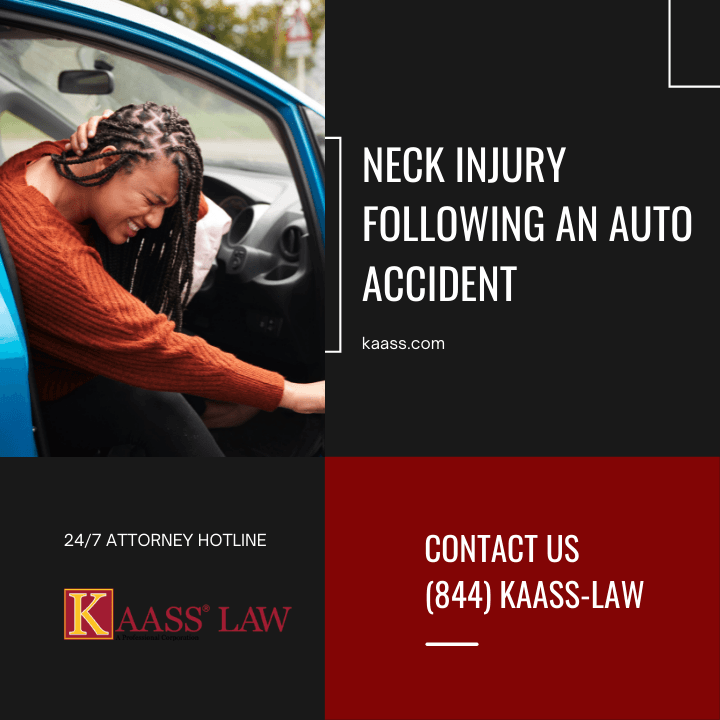
Injuries to the neck, resulting from snapping or jerkin are known as "whiplash". Whiplash describes a range of neck injury 'soft tissue' damages, which is a common result of rear-end accidents. In a rear-end accident, the impact forces the driver's and passengers' bodies to be thrown forward. At the same time, their heads stay in place, causing the neck to suddenly extended, which follows a whip-like motion.
While whiplash and any other types of neck injuries generally occur in rear-end auto accidents, neck injuries and whiplash injuries can also result from different types of accidents and personal injury matters as well. Some types of accidents that may cause whiplash or neck injuries are:
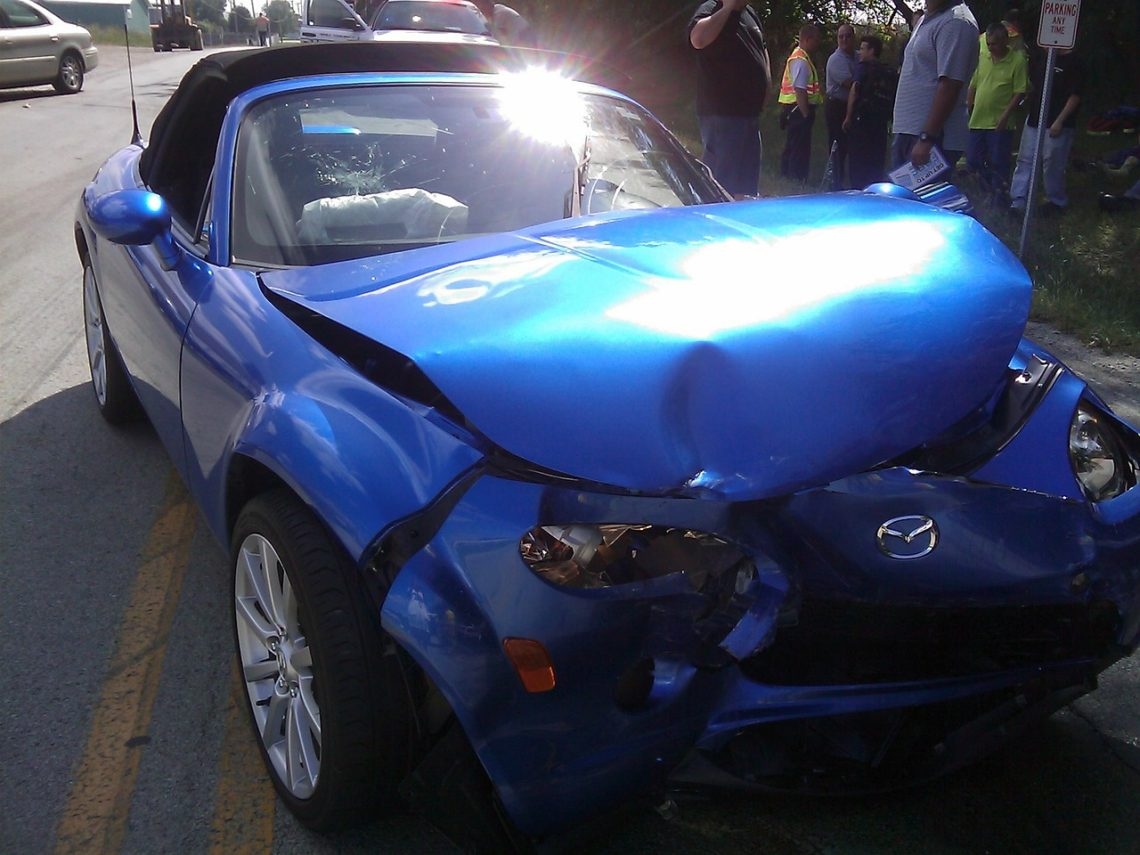
These are 5 things NOT to do after an auto accident. Automobile accidents are no fun. Everything from dealing with insurance companies to recovering from injuries can be stressful. Although they can be a pain in the neck, auto accidents are inevitable. Knowing what to do after an accident can help minimize the stress. However, it is also crucial to know what NOT to do.
It is important to exchange information with all the parties involved. Leaving the scene will result in unneeded stress and can get you in trouble with the authorities.
Accidents happen, and there is no need to get overly upset about them. Doing so not only stresses you out at the moment but can also contribute to future stress. When people get upset, they tend to say or do things they do not mean subconsciously. Something as simple as saying, “I’m so sorry, that was my bad,” or “Sorry, I was not paying attention,” can hurt your case and possibly make you liable for the accident.

Drunk driving collisions can cause severe injuries and even fatalities, mainly when they occur quickly. Because drunk driving accidents are so dangerous, the legislation imposes administrative, criminal, and civil penalties on violating drivers. If someone close to you died in a drunk driving accident, Kaass Law attorneys are here to help. We will examine the event's circumstances and evaluate whether you can file a claim. Although no amount of money will ever replace the loss of your family member, it can give you the sense of justice and closure you need.
A person will face severe convictions for drunk driving in California. A driver with a blood alcohol content (BAC) of 0.08 percent or more is frequently considered inebriated. Drivers of large rigs, tractor-trailers, and drivers under the age of 21 are subject to stricter regulatory requirements.
A wrongful death claim is a lawsuit that enables the surviving family members of the deceased to demand compensation from the person or entity who caused their loved one's passing. The damages obtained may be used to assist in covering funeral costs, medical expenditures, and other losses related to the death. These claims may be brought in civil court. Claims for wrongful death result from another person's careless, irresponsible, unlawful, or intentionally bad behavior. Establishing an estate for your departed loved one is the first step in bringing a The court will then choose a personal representative (PR) to manage that estate. The personal representative then files the wrongful death claim, usually with the negligent driver's auto insurance provider. Wrongful death lawsuits often proceed similarly to any other personal injury action. To prevail in a wrongful death lawsuit, the claimant must show that the other driver's negligent behavior caused the vehicle accident, which then caused the accident victim's premature death. A skilled attorney can assist you in establishing the legal aspects of your claim and recovering the damages.
In order words, in the event that a policyholder(s) do not have excess insurance, policyholders should argue that their first party insurance company or primary insurer who rejected a within-limits settlement offer is obligated to pay the full amount of any subsequent settlement which exceeds that insured's policy limits. There is no reason why the first party insured should be forced to contribute or pay a settlement of which first party insured could recover by filing at first party bad faith action against their primary insurance company.
California insurance bad faith actions arise when insurance company breaches the implied obligation of good faith and fair dealing. Insurance companies must, unreasonably or without proper cause, act or fail to act in a manner that deprives the insured of the benefits of the policy. It is not a mere failure to exercise reasonable care. However, it is not necessary for the insurer to intend to deprive the insured of the benefits of the policy. Generally, the term bad faith for insurance purposes means an insurance company:
The court found that when an insurer's failure to reasonably settle a claim within policy limits, after primary or "first party" insurance rejected a within-limits settlement offer and there is a judgement against their insured/policyholder, whether by settlement or verdict, the first party insurance company must pay any excess monies, whether through jury verdict, settlement, or judgment. Policy limits demands can be a powerful tool for plaintiffs' insurance lawyers and can cause headaches for claims adjusters. While, it all depends on the circumstances surrounding the claim or issue, an insurer that misses an opportunity for a reasonable settlement of a claim against its insured can now be liable for the full amount of a later judgment, regardless of the policy limits. If you believe that your primary insurance company rejected a within-limits settlement offer and an later there was a subsequent settlement or judgement which exceeds your policy limits or you believe that your insurance company may be acting in bad faith, speak to one of our Los Angeles insurance lawyers for a free consultation and case review. Call our office at (310) 943-1171, our attorneys speak English, French, Spanish, Russian, Armenian, and Italian.
It is highly recommend that you speak to a Los Angeles motorcycle accident attorney before doing or speaking to anyone., including insurance companies. If you or a loved one was suffered a motorcycle accident injury, then you have a limited time to take action. Please contact us online or call our 24/7 motorcycle accident attorney help line directly at (310) 943-1171 to schedule your free, no-obligation consultation.
KAASS LAW is authorized to practice law in California. The above content is intended for California residents only. This content provides only general information which may or may not reflect current legal developments. KAASS LAW expressly disclaims all liability in respect to actions taken or not taken based on any of the contents of this website. The above content DOES NOT create an attorney-client relationship. KAASS LAW does not represent you unless you have expressly retained KAASS LAW in person at the KAASS LAW office. KAASS LAW criminal defense attorneys help clients in: Los Angeles, Burbank, Hollywood, Glendale, Van Nuys, North Hollywood, Studio City, Highland Park, Eagle Rock, Sunland, Tujunga, Sylmar, San Bernardino, La Crescenta, La Canada, Beverly Hills, Westwood, Santa Monica, Brentwood. Pacoima, Montebello, Commerce, Alhambra, Downey, Bell, Maywood, Walnut Park, Vernon, Lynwood, Echo Park, Silverlake, Mission Hills, Northridge, Woodland Hills, Encino, Canoga Park, North Hills, Porter Ranch, Chatsworth, Reseda.
The motorcycle passenger, or urban for "b&tch seat" or "riding b&tch" can claim for compensation for injuries sustained as a result of the motorcycle crash from any and all responsible parties by proving fault. This is why riders have a requirement to have an insurance policy that will cover the passengers' injuries. Although claiming injuries against someone you know, possibly a BFF or sweetheart, may or may not be ideal, it is important to understand that you are not going after their piggy bank, as their insurance company will "indemnify" and pay for the injuries up to the coverage limit and save the day! And hopefully, you never have to find out, but if you are reading this, we highly recommend speaking to a motorcycle accident attorney before speaking to anyone else. Whatever you say or do will be used against you and your sweetheart no matter what seat you're riding.
Would you like a free consultation from our personal injury lawyers at KAASS Law? Give us a call now (310) 943-1171 for more information on motorcycle accidents. You will not have to pay us upfront or out of pocket for our services! We get paid when you get paid. [embed]https://www.youtube.com/watch?v=cmYyFUF-XQg[/embed]
Many mistakenly believe that whiplash can only occur in high-speed accidents. Low-speed, low-impact, rear-end auto accidents commonly cause whiplash.
Another misconception is that whiplash is a minor injury. However, many medical experts suggest that soft tissue injuries can be severe and have long-term affects if left untreated. It is recommended following an accident, one seeks medical attention or a chiropractor in Los Angeles as soon as possible. If left untreated, it is possible that neck injuries can have serious consequences and cause widespread health problems.
If you were involved in an auto accident, motorcycle accident, pedestrian accident, bicycle accident, or any other personal injury matter, call or contact our personal injury attorneys for a free consultation. Our Glendale personal injury attorney at KAASS Law will review your case and answers any questions you may have.
[contact-form][contact-field label="Name" type="name" required="true" /][contact-field label="Email" type="email" required="true" /][contact-field label="Website" type="url" /][contact-field label="Message" type="textarea" /][/contact-form]
Having the police present to take a report helps ensure you receive all the information you need.
You may not experience pain at the moment, but oftentimes, pain may gradually appear after some time. Seeing a doctor can help ensure that you will not suffer from pain in the future.
It is important to consult your attorney before stating the accident. An experienced attorney can help ensure you are not wrongfully blamed for an accident for which you were not liable.
Car accidents can result in a wide range of injuries, varying from minor cuts and bruises to more severe, life-altering conditions. The type and severity of injuries often depend on factors such as the speed of the vehicles involved, the use of seatbelts, the point of impact, and the overall health of the individuals involved. Understanding the common types of car accident injuries can help you recognize the importance of seeking prompt medical attention and ensure you take the necessary steps for recovery. Here are some of the most common injuries people sustain in car accidents:
Whiplash is one of the most frequent injuries in car accidents, especially in rear-end collisions. It occurs when the head and neck are suddenly jolted forward and then snapped back, causing strain or damage to the soft tissues, including muscles, ligaments, and tendons in the neck. Symptoms of whiplash may include neck pain, stiffness, headaches, and dizziness, and they can sometimes take hours or even days to manifest fully.
Traumatic Brain Injuries can occur when the head strikes an object, such as the steering wheel, dashboard, or window, or from a violent jolt that causes the brain to collide with the skull. TBIs range from mild concussions to severe brain damage that can result in long-term cognitive, physical, and emotional impairments. Symptoms may include headaches, confusion, memory loss, dizziness, and changes in behavior or personality.
The impact of a car accident can easily result in broken bones, particularly in the arms, legs, ribs, and collarbone. The force exerted on the body during a collision can cause bones to fracture or break completely. Depending on their severity, these injuries may require immobilization, surgery, and extensive rehabilitation.
Spinal cord injuries are among the most serious outcomes of a car accident, potentially leading to partial or complete paralysis. Damage to the spinal cord can occur if the vertebrae are fractured or dislocated, compressing or severing the nerves that run through the spine. Immediate medical attention is crucial for anyone suspected of having a spinal cord injury, as prompt treatment can significantly impact the outcome.
Beyond whiplash, car accidents often result in other soft tissue injuries, such as sprains, strains, and contusions. These injuries involve the muscles, tendons, and ligaments and can lead to pain, swelling, bruising, and limited mobility. While they might not be as immediately apparent as more severe injuries, soft tissue injuries can cause chronic pain and require physical therapy for full recovery.
Internal injuries, including damage to organs such as the liver, spleen, or lungs, are often life-threatening and may not be immediately noticeable. The force of a collision can cause internal bleeding, organ rupture, or other critical conditions that require emergency medical intervention. Symptoms might include abdominal pain, dizziness, fainting, and shortness of breath.
Broken glass, metal, and other debris can cause cuts and lacerations during a car accident. While some cuts may be minor and only require basic first aid, others can be deep and necessitate stitches or more extensive medical treatment. Severe lacerations can also lead to scarring or infection if not properly cared for.
Those who successfully establish the required legal aspects of their wrongful death claim may get compensation for various damages. Damages for wrongful death vary from case to case, and no two claimants will receive the same sum of money. The accident conditions and other significant elements will often affect the damages that a claimant may be able to receive. A wrongful death claimant may receive compensation for the costs of burying and funeral his loved one. The settlement could also cover the deceased person's pain and suffering between the time of the accident and the untimely passing. Moreover, the claimants can recover damages for losing the deceased's future earnings. This devastation is frequent when surviving family members rely on the decedent for financial support. Moreover, claimants can get compensation for losing the deceased's comfort, care, and company. Finally, claimants may pursue punitive damages because of the negligent driver's heinous actions. Punitive damages aim to punish the guilty motorist and deter others from driving after drinking.
You should contact a skilled California wrongful death attorney as soon as you can if a loved one died in an automobile accident brought on by a careless driver. Kaass Law's attorney can assist you in submitting the required claim or lawsuit and explain your legal alternatives for moving forward. Kaass Law is A reputable law firm with years of expertise guiding families through wrongful death cases in California. We will advocate for you during every stage of the proceedings. At Kaass Law, we will work to maximize the monetary recovery you receive through settlement. Give our office a call at 310.943.1171 and visit our other website for more information.