The movement of goods is essential to international trade in a world where connections are growing. Particularly useful for moving commodities across borders and continents, trucks are essential to many economies. But along with this fundamental duty comes the need to protect the public's safety as well as that of truck drivers. Examining viewpoints from other countries can provide insightful analysis and lessons that can be used worldwide. Regulatory Frameworks: Striking the Right Balance Striking the correct balance between industry flexibility and regulation is one of the most important lessons to learn from global truck safety experiences. Because of differences in infrastructure, economic priorities, and cultural variables, different countries have taken different approaches to regulating truck safety. For instance, in order to unify safety precautions throughout its member states, the European Union (EU) has imposed strict standards through the European Commission. These rules cover numerous topics such as working hours, driver education, and vehicle design. The potential advantages of a united approach in a region are demonstrated by the EU's effort to harmonize safety requirements. However, in order to account for the country's size and diversity, the United States has traditionally depended on a combination of federal and state regulations. This method acknowledges that in a country the size of the United States, a one-size-fits-all strategy might not be feasible. Although this method is flexible, it presents difficulties in maintaining consistent safety requirements. Therefore, the challenge for nations is to take inspiration from these many regulatory frameworks and modify them to fit their own specific needs. Automation's Place in Technological Innovations Automation is being adopted to diverse degrees by different countries, and technological breakthroughs have the ability to completely transform truck safety. Trials of self-driving trucks are starting in places like Germany and Sweden to see if it's safe and feasible to include these vehicles into the current transportation infrastructure. Reducing human error—a major contributing factor to vehicle accidents—is the promise of automation. Lane-keeping assistance, cruise control, and automated emergency braking are just a few of the functions offered by advanced driver-assistance systems (ADAS). Although there is already evidence that these technologies are beneficial, there are still obstacles in the way of their general acceptance and standardization. Australia provides an interesting case study, where the focus is not only on automation but also on telematics. Telematics systems track and monitor vehicle movements, offering real-time data on driver behavior, vehicle performance, and maintenance needs. This comprehensive approach leverages technology to enhance safety while addressing issues related to driver fatigue and vehicle maintenance.International collaboration is crucial in advancing these technologies, as sharing best practices and developing common standards can accelerate progress and ensure a more cohesive global approach to truck safety.Cultural Considerations: Changing Mindsets for SafetyCultural factors significantly influence attitudes toward safety, and understanding these nuances is essential for implementing effective measures. In some Asian countries, for example, a strong emphasis on punctuality and delivery timelines can lead to risky driving behaviors among truck drivers. In contrast, European cultures often prioritize safety and environmental concerns, influencing regulations and industry practices accordingly.Brazil's "Programa Despoluir" is an example of a successful initiative that addresses cultural considerations. This program, developed by the National Association for Road Transport Carriers (NTC&Logística), focuses on environmental responsibility and safety, incorporating these values into the culture of the trucking industry. By recognizing and working within existing cultural frameworks, nations can tailor safety initiatives that resonate with their populations.ConclusionTruck safety is a global challenge that requires collaborative efforts and a nuanced understanding of regional differences. International perspectives offer a wealth of lessons, from regulatory frameworks to technological innovations and cultural considerations. Striking the right balance between safety and economic considerations, leveraging technology, and addressing cultural factors are all critical components of a comprehensive approach to enhancing truck safety worldwide.As nations continue to learn from each other's experiences, the path toward a safer and more efficient global trucking industry becomes clearer. By embracing the lessons from around the globe, policymakers, industry stakeholders, and the public can work together to create a future where the movement of goods is not only essential for economic growth but is also synonymous with the highest standards of safety.
Dealing with a wrongful death case is undoubtedly one of the most emotionally challenging situations a person can face. Amidst the grief and loss, there comes a crucial decision: should you pursue negotiation or opt for litigation? Both paths have their merits and drawbacks, and understanding the nuances of each can help you make an informed choice that aligns with your goals and circumstances.
Negotiation: Finding Common Ground
Negotiation is the process of obtaining an amicable agreement without going to court. It entails open discussion, compromise, and, in many cases, the advice of legal professionals.
Relationship Preservation:
Negotiation can aid in the preservation of relationships, especially if the persons involved have ongoing personal or professional ties. This strategy frequently results in less resentment and a faster settlement.
Effects of Cost:
In general, negotiation tends to be less expensive than litigation. Legal fees, court costs, and the extensive time required for a trial can be avoided.
Within the realm of celebrity, fame and wealth frequently craft an illusion of impregnability. Yet, beneath the captivating facade of opulence and celebrity, even the most renowned figures remain vulnerable to life's unforgiving truths. No one, regardless of their societal standing or public persona, is impervious to the capricious hand of tragedy. Wrongful death stands as a solemn reminder that celebrity status cannot insulate us from the tribulations of existence. This blog will delve into the intricacies of wrongful death cases. Afterward, it will involve celebrities, illuminating the indispensable role of the law in the pursuit of justice and underscoring that the principles of equity and responsibility extend universally.
Celebrities: Not Immune to Tragedy
The allure of celebrity often leads us to believe that these individuals live charmed lives. We see them on the red carpet, in glossy magazines, and on the big screen, and it's easy to think that their fame insulates them from the hardships of the everyday world. However, the reality is quite different. Celebrities, just like everyone else, also, face the same vulnerabilities and unpredictabilities of life. Tragedy can strike at any moment. Therefore it will turn their lives upside down and bring them face to face with the harshness of reality.
Fear is a natural emotion. Sometimes, fear can be a cause for wrongful death. We'll dig into this uncommon subject in this blog to understand the legal and physiological aspects of wrongful death from fear cases.
What is wrongful death?
Wrongful death from fright is a phenomenon. It occurs when an individual is so overwhelmed by fear that it leads to their death. While it may seem far-fetched, such cases do exist. To comprehend this phenomenon, we must first understand the circumstances that lead to extreme fear and the consequences it can trigger.
Sudden shocks, traumatic events, or severe phobias are a few things that might cause extreme dread. Even though it is an emotional reaction, fear can also have a physical form. For example, short breathing, the heart, and other body systems. Severe circumstances may result in wrongful death.
The Physiology of Fear
Fear triggers the body's natural fight-or-flight reaction. The body prepares to face or flee the threat by raising blood pressure and heart rate. However, these physiological reactions might become potentially fatal in situations of severe and persistent anxiety. Preexisting medical issues are another complicating aspect. People who already have breathing disorders, cardiac problems, or other underlying medical illnesses may be more vulnerable to the negative effects of acute fear. Fear can worsen these symptoms and even result in death due to the strong physiological reaction it causes.
Amusement parks promise exhilarating rides, mouthwatering food, and life-long memories. The grim reality is that wrongful fatalities at amusement parks have been a tragic reality for many families, hidden behind the joy and fun.
Learning About Wrongful Deaths in Amusement Parks
In amusement parks, "wrongful deaths" occur due to mishaps, carelessness, or broken rides that are located on park property. These mishaps may involve park patrons, staff members, or even outside contractors doing upkeep and development work. These catastrophic occurrences frequently result from mechanical breakdowns, operator error, insufficient safety precautions, and poor maintenance.
The Need for Enhanced Regulation and Safety Measures
With its wide variety of rides and attractions, the amusement park industry is a complicated one. The multidimensional problem of ensuring visitor safety necessitates strict standards and control. Most importantly, in order to improve security in theme parks, these actions are implemented: 1.Regular Inspections: To make sure amusement park rides adhere to safety regulations, regulatory authorities should carry out frequent and thorough inspections. 2.Employee Training: To manage emergencies and uphold guest safety, park employees in charge of managing rides must undergo thorough training. 3.Maintenance: Routine maintenance and repairs of rides are given first priority to avoid mechanical failures that could cause accidents. 4.Transparency: Parks should maintain transparent records of safety inspections and accidents, which should be easily accessible to the public.
Legal Aspects of Wrongful Death Claims
Legal action frequently follows a wrongful death at a theme park. Typically, the victim's family file wrongful death lawsuits in an effort to recover damages for their . These claims may include funeral and medical costs, lost wages, and pain and suffering. However, taking legal action in such situations may be a difficult and drawn-out procedure as park owners and operators frequently have a substantial financial investment and legal counsel to defend against allegations. Legal action frequently follows a wrongful death at a theme park. These claims may include funeral and medical costs, lost wages, and pain and suffering. However, taking legal action in such situations may be a difficult and drawn-out procedure as park owners and operators frequently have a substantial financial investment and legal counsel to defend against allegations. Cases like this can also go to court. The result of these legal cases may establish significant industry precedents and act as a spur to increase safety precautions. Unjustified deaths at amusement parks overshadowed the usually happy and If you have any further questions please contact us at 310.943.1171 or visit
Every day, highways and roads bear witness to the constant movement of commercial trucks, transporting goods that sustain our life. When overloaded or improperly loaded, these mammoth vehicles can cause catastrophic consequences, leading to accidents that result in death. In this blog, we delve into the alarming issue of wrongful death accidents caused by overloaded or improperly loaded trucks.
The Weighty Issue of Overloaded Trucks:
One of the primary factors contributing to wrongful death accidents involving trucks is overloading. Overloaded trucks pose a significant danger on the road, as they are more challenging to control and maneuver. Exceeding the recommended weight limits compromises a truck's stability, braking ability, and overall performance, increasing the risk of accidents. This is especially during sudden stops or turns. Improper loading practices are equally perilous. Improperly securing or distributing cargo within a truck can cause it to shift during transit, affecting the vehicle's balance. This can lead to rollovers, jackknifes, or other types of accidents with devastating consequences.
The Tragic Consequences of Overloaded Trucks:
When a truck is involved in an accident due to overloading or improper loading, it significantly heightens the potential for serious injury and loss of life. Occupants of smaller vehicles involved in a collision with a large truck are particularly vulnerable, facing the brunt of the impact. Wrongful death accidents resulting from these circumstances leave families shattered and communities grieving.
Increased Collision Severity: Overloaded trucks have longer stopping distances, making it difficult for drivers to respond promptly to sudden changes in traffic conditions. This increased stopping distance can turn what might have been a manageable situation into a catastrophic collision, especially in emergency scenarios.
Drunk driving collisions can cause severe injuries and even fatalities, mainly when they occur quickly. Because drunk driving accidents are so dangerous, the legislation imposes administrative, criminal, and civil penalties on violating drivers. If someone close to you died in a drunk driving accident, Kaass Law attorneys are here to help. We will examine the event's circumstances and evaluate whether you can file a claim. Although no amount of money will ever replace the loss of your family member, it can give you the sense of justice and closure you need.
Legal Standards for Drunk Driving
A person will face severe convictions for drunk driving in California. A driver with a blood alcohol content (BAC) of 0.08 percent or more is frequently considered inebriated. Drivers of large rigs, tractor-trailers, and drivers under the age of 21 are subject to stricter regulatory requirements.
Drunk Driving and Wrongful Death Claim in California
A wrongful death claim is a lawsuit that enables the surviving family members of the deceased to demand compensation from the person or entity who caused their loved one's passing. The damages obtained may be used to assist in covering funeral costs, medical expenditures, and other losses related to the death. These claims may be brought in civil court. Claims for wrongful death result from another person's careless, irresponsible, unlawful, or intentionally bad behavior. Establishing an estate for your departed loved one is the first step in bringing a The court will then choose a personal representative (PR) to manage that estate. The personal representative then files the wrongful death claim, usually with the negligent driver's auto insurance provider. Wrongful death lawsuits often proceed similarly to any other personal injury action. To prevail in a wrongful death lawsuit, the claimant must show that the other driver's negligent behavior caused the vehicle accident, which then caused the accident victim's premature death. A skilled attorney can assist you in establishing the legal aspects of your claim and recovering the damages.
Wrongful death cases are complex legal matters that seek justice and compensation for the loss of a loved one due to someone else's negligence or misconduct. In many such cases, determining fault can be intricate, and this is where the concept of "comparative fault" comes into play. In this blog, we'll explore what the term means, its significance in wrongful death cases, how it affects compensation, and various aspects related to this important legal doctrine.
Understanding Comparative Fault
Comparative fault, also referred to as comparative negligence or shared fault, is a legal principle that civil cases, including wrongful death claims, use to apportion responsibility and determine the degree of fault among parties involved in an incident leading to injury or death. The core idea is that in many situations, more than one party may bear some level of responsibility for an accident or its consequences. Comparative fault acknowledges that rarely is one party entirely to blame, and it aims to assign liability proportionally based on each party's contribution to the accident. In essence, it's a way to ensure that the injured party receives a fair and just amount of compensation considering their own actions or negligence.
Legal Perspectives on Trucking Wrongful Deaths are as intricate and intensely personal injury law-related as those involving other accidents. Commercial vehicles are incredibly heavy and large, which increases the risk of catastrophic collisions that have terrible repercussions for the victims and their families. We examine important facets of liability, rules, and the difficulties in pursuing justice as we examine the legal viewpoints surrounding trucking wrongful deaths in this blog post.
Trucking Wrongful Deaths: Liability
In any wrongful death lawsuit, determining liability is an essential first step; this also applies to trucking accidents. In these situations, a number of parties may be accountable, including the truck driver, the trucking business, manufacturers, maintenance teams, and even the governments in charge of designing and maintaining the roads. The negligence of the driver is one of the main factors in determining responsibility. Because truck drivers may be involved in accidents, they are subject to stricter regulations than other drivers. Traffic rule infractions, driver weariness, distracted driving, and speeding are common causes of trucking accidents. Examining the driver's logbooks, electronic monitoring systems, and other data that can point to a duty breach are common methods for proving carelessness. In these situations, trucks and their operators are also important players. They might be accountable for the deeds of their drivers, particularly if they neglected to adequately vet, acquaint, or oversee them. Inadequate maintenance or malfunctioning equipment might also indicate carelessness on the part of the trucking firm. Another aspect to think about is product . The manufacturer or distributor may be liable if a malfunctioning truck component or system caused the accident. In these situations, proving culpability might necessitate expert witness testimony and a careful examination of the vehicle's construction and design.
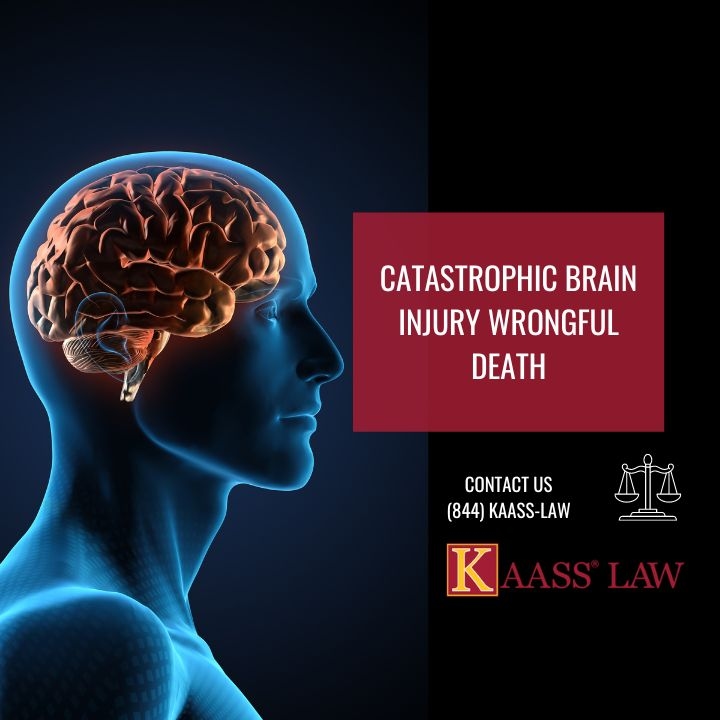
The most serious and terrible result after an accident is a catastrophic brain injury. It is critical to comprehend what constitutes a catastrophic brain injury since it has such a profound effect on day-to-day functioning. Due to the severity of this injury, a loved one may be eligible for compensation for one's wrongful death.
Catastrophic Brain Injury
A catastrophic brain injury is any injury to the brain that might lead to the permanent loss of all brain function above the brainstem. There are several levels of brain injuries, ranging from "minor" ones like concussions to more serious traumatic brain injuries. The rehabilitation process for a brain injury differs from person to person, depending on the degree of the lesion. It's vital to highlight that all brain injuries should be addressed carefully; even if a concussion is considered "mild," it can have severe consequences for patients. Never assume that your injury is unimportant. Take your injuries seriously and contact a doctor as soon as possible following an accident, since you may have suffered brain damage that might result in irreversible loss of brain function.
What Causes Catastrophic Brain Injuries?
Anything that impacts your head or produces these damage to your head might result in a brain injury of this size. Among the most prevalent reasons are:
Negotiations are often held behind closed doors, which provides a level of privacy that litigation does not. This is certainly useful in sensitive instances.
Control Over the Outcome:
Parties have more control over the terms of the settlement in negotiation. Both sides have the opportunity to shape the agreement, rather than leaving the decision solely in the hands of a judge or jury.
Faster Resolution:
Negotiation is frequently faster than litigation, which might last months or even years. Therefore, this quickness can be advantageous for people looking for closure and a quick resolution.
Litigation: Seeking Justice Through the Courts
Litigation, chiefly, entails taking a wrongful death matter to court, where a judge or jury will render a final judgement.
Adjudication of Complex Cases:
Some wrongful death cases are complicated, including several parties, complex legal difficulties, or liability disagreements. Litigation provides an organized method for dealing with these issues.
Legal Precedent and Clarification:
The litigation process requires for a precedent. By doing so, it plays an important role in maintaining guidelines for future cases.
Access to Damages Not Offered in Negotiation:
In some situations, pursuing lawsuit may enable access to sorts of damages, such as punitive damages, that are not normally available through negotiation.
Thorough Investigative Phase:
Litigation facilitates in-depth examination and discovery, a pivotal step in constructing a robust case and unearthing essential evidence.
Judges are able to establish a transparent conclusion to the claimant and defendant.
Choosing the Right Path for You
Consider Your Goals:
Reflect on what you hope to achieve through this process. Is it primarily financial compensation, or is there a broader goal, such as holding the responsible party accountable?
Assess the Strength of Your Case:
Evaluating the strength of your case can guide you in determining whether negotiation or litigation is the more appropriate route. A strong case may provide leverage in negotiations, while a weaker case may benefit from the structured process of litigation.
Emotional Readiness:
Recognize the emotional strain that accompanies both routes. Litigation can be a demanding and emotionally exhausting process, whereas negotiation might call for concessions and an acknowledgment of a settlement that may not be ideal.
Consult a Legal Professional:
Seek advice from an experienced attorney who specializes in wrongful death cases. Thereafter, they can provide valuable insight based on their expertise and knowledge of the legal landscape.
Contact an Attorney
Ultimately, the decision between negotiation and litigation is a deeply personal one. There is no one-size-fits-all answer, and each case demands careful consideration. By weighing the advantages and drawbacks of both approaches and seeking the guidance of a qualified attorney, you can navigate this difficult terrain with confidence and make the choice that aligns with your unique circumstances and objectives. Remember, you are not alone, and there is support available to help you through this process. As a result, you can explore additional practice areas within our specialized field. Please follow this link for further information.
Wrongful Death: Equalizing the Famous and the Unknown
Wrongful death cases involving celebrities emphasize a fundamental principle of our legal system, such as equal justice under the law. The pursuit of justice, accountability, and fairness is a right that transcends social standing, wealth, and fame. It is a cornerstone of our legal system that the law operates impartially. Regardless of whether an individual is a household name or an ordinary citizen, the legal system ensures that the pursuit of justice remains consistent and unprejudiced.
Justice for All: The Law's Role in Celebrity Wrongful Death Cases
The legal system assumes a central role in the quest for justice when celebrities encounter wrongful death. It serves as the bedrock of equity and responsibility in these situations, guaranteeing a comprehensive and just legal procedure. Wrongful death cases entailing celebrities do not stand as outliers within the legal framework. Instead, they mirror the resolute dedication of the legal system to grant each person the chance for an equitable and impartial resolution.
Celebrities Wrongful Death Cases: A Reflection of the Legal System's Commitment to Fairness
Celebrity wrongful death cases serve as a potent reminder of the legal system's steadfast commitment to fairness, accountability, and impartiality. These cases underline that the reach of the law extends beyond the boundaries of fame, reinforcing the idea that justice is blind to an individual's public image. Also, the legal complexities surrounding celebrity cases underscore the need for skilled legal representation and a commitment to fairness, accountability, and thoroughness in every case, no matter the celebrity status of the individuals involved.
Contact Us Today
If you or a loved one is facing the complex legal challenges of a wrongful death case, we are here to provide guidance and support. Our experienced legal team understands that the pursuit of justice is a right that belongs to everyone, regardless of their public image. We are committed to representing your interests, ensuring that you receive the compassionate and skilled legal representation you deserve. Contact us today at 310-943-1171 to take the first step on your path to justice. Your journey begins here, where fairness and accountability prevail, irrespective of the spotlight. We stand ready to support you on this challenging journey and help you seek the justice you rightfully deserve. You are able to find out more information on other practice areas in the field we specialize in. Visit this link for more details.
It is difficult to decide who, if anyone, is accountable for a fear wrongful death. In extremely rare circumstances, a wrongful death lawsuit may be the only available legal option. This procedure necessitates demonstrating that the death was the consequence of acute terror brought on by the carelessness or misbehavior of another person. If a wrongful death lawsuit is successful, the surviving family members can get financial support. Damages for lost income support, burial expenditures, medical costs, and the survivors' emotional anguish may all be covered by compensation. The purpose of these damages is to acknowledge the pain and suffering suffered as well as to offer some financial comfort.
How to Prevent Fear Wrongful Death?
It is imperative to raise consciousness of the possible hazards of wrongful death resulting from fear. Although rare, being aware of it might encourage people to take preventative measures and increase their awareness of the negative effects fear can have on their health. This is especially important in stressful situations or settings where there may be a higher chance of experiencing intense fear. People should have coping mechanisms to control their fear in high-stress scenarios. You can make the psychological and physiological impacts of fear less with the use of techniques like deep breathing, mindfulness, and stress management. When it comes to phobias or trauma, getting expert assistance—such as therapy—can also be helpful.
In order to shape public knowledge and attitudes, the media is essential. When reporting on incidents of wrongful death from fear, responsible reporting is essential. The affected people and their families should have their privacy and sensitivity respected, and factual and educational coverage should be provided to help spread awareness and stop future occurrences of this kind.
What to do ?
Wrongful death from extreme fright, while infrequent, serves as a stark reminder of the power of fear and its potential physiological consequences. Understanding the legal, physiological, and emotional aspects of such cases is crucial. It is essential to consult with a qualified attorney who specializes in wrongful death cases, as these instances often entail unique challenges and legal complexities.
Rollovers and Jackknifes: Improperly loaded cargo can cause a truck to become unbalanced, leading to rollovers or jackknifes. These types of accidents are especially dangerous, often resulting in fatalities for both the truck driver and other motorists.
Inadequate Visibility: Overloaded trucks may experience difficulties maintaining proper alignment and stability. This can affect the driver's visibility, increasing the likelihood of collisions with other vehicles, especially in blind spots.
Legal Ramifications of Overloaded Trucks:
In cases of wrongful death resulting from overloaded or improperly loaded trucks, individuals often pursue legal action to hold the responsible parties accountable. The trucking company, loading personnel, and, in some instances, manufacturers may face liability for negligence contributing to the accident.
Trucking Company Liability: Trucking companies are responsible for ensuring that their vehicles are properly loaded and adhere to weight regulations. Failure to enforce these standards may result in legal consequences if an accident occurs.
Loading Personnel Responsibility: Individuals responsible for loading trucks must ensure that cargo is distributed evenly, secured properly, and complies with weight limits. Negligence in these duties can lead to devastating consequences and legal ramifications.
Prevention and Safety Measures:
To reduce the risk of wrongful death caused by overloaded or improperly loaded trucks, stakeholders can implement various preventive measures.
Strict Adherence to Weight Limits: Trucking companies should enforce strict adherence to weight limits set by regulatory authorities. Regular inspections and maintenance can help ensure that trucks remain within the legal weight thresholds.
Comprehensive Training Programs: Proper training for truck drivers and loading personnel is crucial. This includes education on weight distribution, cargo securing techniques, and the importance of adhering to safety regulations.
Technological Solutions: The integration of advanced technologies, such as load sensors and monitoring systems, can provide real-time information about a truck's weight distribution. This allows for immediate corrective action if an issue is detected.
Conclusion:
The issue of overloaded or improperly loaded trucks is not only a matter of regulatory compliance but a critical safety concern with life-altering consequences. As a result, wrongful death accidents resulting from these practices leave families grappling with grief and loss. It is imperative for the trucking industry, regulatory bodies, and stakeholders to collaborate in implementing and enforcing safety measures that prevent these tragedies and ensure the well-being of all road users. Through a collective commitment to safety, we can strive to reduce the incidence of wrongful death accidents caused by overloaded or improperly loaded trucks and create a safer environment for everyone on the road.
Those who successfully establish the required legal aspects of their wrongful death claim may get compensation for various damages. Damages for wrongful death vary from case to case, and no two claimants will receive the same sum of money. The accident conditions and other significant elements will often affect the damages that a claimant may be able to receive. A wrongful death claimant may receive compensation for the costs of burying and funeral his loved one. The settlement could also cover the deceased person's pain and suffering between the time of the accident and the untimely passing. Moreover, the claimants can recover damages for losing the deceased's future earnings. This devastation is frequent when surviving family members rely on the decedent for financial support. Moreover, claimants can get compensation for losing the deceased's comfort, care, and company. Finally, claimants may pursue punitive damages because of the negligent driver's heinous actions. Punitive damages aim to punish the guilty motorist and deter others from driving after drinking.
Contact California Wrongful Death Attorney Today!
You should contact a skilled California wrongful death attorney as soon as you can if a loved one died in an automobile accident brought on by a careless driver. Kaass Law's attorney can assist you in submitting the required claim or lawsuit and explain your legal alternatives for moving forward. Kaass Law is A reputable law firm with years of expertise guiding families through wrongful death cases in California. We will advocate for you during every stage of the proceedings. At Kaass Law, we will work to maximize the monetary recovery you receive through settlement. Give our office a call at 310.943.1171 and visit our other website for more information.
The application of comparative fault varies depending on the jurisdiction and its specific laws.
Pure Comparative Fault: In states that follow pure comparative fault, even if the plaintiff (surviving family in a wrongful death case) is largely responsible for the incident, they can still recover damages. However, the court reduces the awarded amount in proportion to their level of fault. For example, if the plaintiff is found 20% at fault, they can recover 80% of the total damages.
Modified Comparative Fault: In states that follow modified comparative fault, there is typically a threshold beyond which the plaintiff cannot recover damages. This threshold is usually set at 50% or 51%. If the plaintiff's level of fault exceeds this threshold, they cannot recover any damages. If their fault falls below the threshold, they can recover, but the damages reduce in proportion to their fault.
Significance in Wrongful Death Cases
Comparative fault is vital in wrongful death cases, shaping compensation for surviving family members. After a wrongful death, the plaintiff seeks compensation for various losses, including medical, funeral, and emotional damages. If the court finds the deceased partly at fault, it weighs their degree of responsibility when awarding damages. If the deceased contributed partially to the accident, compensation may be reduced proportionally. This triggers complex legal discussions and negotiations to determine the exact extent of the deceased's responsibility and its impact on compensation.
Consider the Following Factors when Establishing Fault
Firstly, examine the evidence. The court diligently reviews all available evidence, including witness accounts, expert testimonies, accident reports, and relevant documents. Secondly, negligence plays a pivotal role. It centers on the extent of negligence or recklessness displayed by each party. That includes whether they took reasonable precautions to prevent the accident. Thirdly, assess contributory actions. Scrutinize the actions of both the deceased individual and the defendant. Examine any actions by the deceased that may have contributed to the accident. Finally, consider state laws as a vital factor. These are the specific statutes in the state. Some states follow a pure comparative fault approach, while others use modified models with varying thresholds.
Finding an Attorney
In wrongful death cases, the allocation of responsibility significantly affects case outcomes and compensation for surviving family members. Both plaintiffs and defendants should understand these implications. Collaborating with experienced legal counsel who are knowledgeable about relevant statutes is essential for navigating this complex legal landscape effectively. Ultimately, this approach serves the broader goal. It ensures a fair and impartial final judgment by considering the actions and liabilities of all parties involved. Visit our other website for more information on related matters.
A thorough regulatory structure aimed at ensuring the safety of drivers and other road users applies to the trucking business. These rules, which include a variety of trucking operations topics such driver qualifications, hours of duty, maintenance, and vehicle safety standards, are established and enforced by the Federal Motor Carrier Safety Administration (FMCSA). In the event of a trucking accident, lawyers frequently investigate the trucking company's adherence to these rules when pursuing a wrongful death lawsuit. Inadequate maintenance procedures or drivers exceeding the maximum number of hours permitted to drive are examples of violations that might bolster the case against the guilty parties. Technological developments have brought important instruments for the investigation of trucking accidents. Electronic logging devices (ELDs) and event data recorders (EDRs), sometimes called "black boxes," can offer important details about the moments before a collision. EDRs provide information about the events leading up to, during, and following an accident by recording a variety of data points, including as engine RPM, brake usage, and vehicle speed. Electronically tracking a driver's hours of service, ELDs can help determine whether fatigue or exceeding the legal driving limit was a factor. It can be difficult to get and understand data from these devices, though. In order for legal teams to adequately present the evidence in court, they must navigate intricate technical intricacies. Trucking businesses may be reluctant to release this information. Furthermore, disparities may occur between electronic records and real-world occurrences.
Challenges in Seeking Justice
A trucking accident wrongful death claim may present a number of difficulties. The impacted families may endure protracted and emotionally taxing legal battles. The trucking companies' insurance companies may use forceful methods to reduce their liability; therefore, it is critical to have an experienced legal team to combat these tactics. Furthermore, because trucking accidents are so complex, it is necessary for multiple experts to work together, such as engineers, medical professionals, and accident reconstruction specialists. Careful planning and a thorough comprehension of the complexities involved are necessary to coordinate these experts and present their findings coherently. Wrongful deaths in the trucking industry bring special difficulties for the legal system. These cases require a thorough and methodical approach, from determining liability to managing intricate regulations and technological subtleties. It is crucial for families to work with seasoned attorneys who have a thorough understanding of the nuances surrounding trucking accidents because they must navigate a complicated web of legalities in order to seek justice for their loved ones. Technology developments and a dedication to maintaining safety standards can help create a more fair and responsible trucking industry as legal battles play out, which will ultimately reduce the frequency of such tragic incidents. If you have any further questions, please contact us at 310.943.1172 or visit this link.
Depending on whatever area of your brain was hurt and how severely, you may suffer different symptoms. You might encounter any of the following signs:
No Memory
Difficulty Coma or a shift in awareness that you see or hear
Headaches
Light sensitivity Seizures
Extreme Depression or Anxiety
Trouble Concentration or Confusion
Wrongful Death
The Effects of Severe Brain Injuries on Your Life
This sort of injury can have a significant impact on your life in a variety of ways. It could alter the kind of work you can accomplish and the way you interact with your friends and family. It could also force your family members to alter how they live while taking care of you. Conversely, it could cause a wrongful death. All of these are potential effects that a severe brain injury may have on your life or the life of a loved one.
Physical Training
These brain injuries can occasionally be so devastating that a person must relearn how to walk, take a shower, and even wield a fork and eat by oneself. All of this is either occupational therapy or physical therapy. These counseling sessions are not free. Keep account of all the medical expenses you incur as a result of using these services since you could be eligible for reimbursement.
Hospitalization
Soon following the brain damage, the sufferer frequently has to stay in the hospital while the staff keeps an eye on them. These occurrences are all quite expensive. However, you might be able to ask the accountable party to pay for these expenses.
Lost Salary
A person who has a major injury frequently cannot return to their previous job. These are all examples of lost income, regardless of whether the individual is compelled to choose a job that pays less or is permanently handicapped. You might be able to overcome this sort of loss as well.
Brain Injury Stages
An lengthy hospital stay is frequently required for these kinds of injuries. You will need to be watched over by medical workers whether you enter a coma, a vegetative state, or a minimally conscious condition. What makes those states different from one another?
A person in a coma is unconscious and unable to react to stimuli. Sometimes people enter them voluntarily, while other times medical professionals induce them.
Those who are in a vegetative condition can move their eyelids or make reflex actions but are nonetheless oblivious to their environment.
A person's awareness will be affected in the minimally conscious state. There are indications that they are aware of their environment and of themselves.
Consult an Attorney
Consult a skilled lawyer at Kaass Law if you or someone you know has suffered a severe brain damage. We'll carefully examine your situation and strive to get you the full amount of compensation you're due. Additionally, please visit our other website for more information on case topics you could potentially receive compensation for. Feel free to give our office a call and speak to an attorney by dialing 310.943.1171.