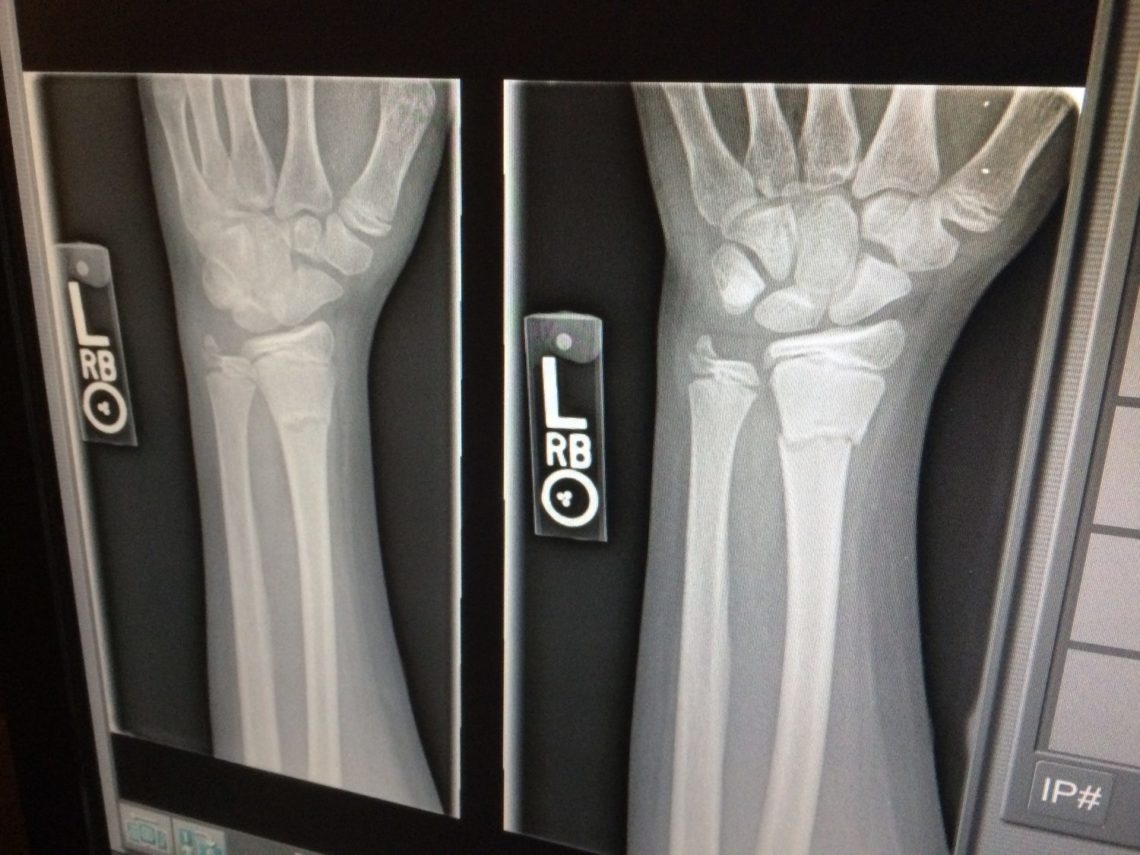
Injuries to the neck, resulting from snapping or jerkin are known as "whiplash". Whiplash describes a range of neck injury 'soft tissue' damages, which is a common result of rear-end accidents. In a rear-end accident, the impact forces the driver's and passengers' bodies to be thrown forward. At the same time, their heads stay in place, causing the neck to suddenly extended, which follows a whip-like motion.
What Type of Accidents Can Cause Whiplash?
While whiplash and any other types of neck injuries generally occur in rear-end auto accidents, neck injuries and whiplash injuries can also result from different types of accidents and personal injury matters as well. Some types of accidents that may cause whiplash or neck injuries are:
Car and truck accidents that don't necessarily involve a rear-end impact
Can You Sustain a Neck Injury From a Low Impact Accident?
Many mistakenly believe that whiplash can only occur in high-speed accidents. Low-speed, low-impact, rear-end auto accidents commonly cause whiplash.
Another misconception is that whiplash is a minor injury. However, many medical experts suggest that soft tissue injuries can be severe and have long-term affects if left untreated. It is recommended following an accident, one seeks medical attention or a chiropractor in Los Angeles as soon as possible. If left untreated, it is possible that neck injuries can have serious consequences and cause widespread health problems.
What Are Common Factors that May Cause Neck Injury:
Position of the driver or passenger(s)’ head at the time of impact;
Individuals seating position, height
Position of seat
Comparative size and mass of the vehicles involved in the accident.
What Are the Common Signs or Symptoms of Whiplash:
Stiffness in the neck
Neck pain
Trouble turning your head (limited range of motion)
Headache
Dizziness
Blurred vision
Shoulder pain
Back pain
Spinal injury
Cognitive or psychological difficulties.
Any strange sensations, such as tingling or prickling
Trouble sleeping and feeling fatigue
Auto Accident Attorney
If you were involved in an auto accident, motorcycle accident, pedestrian accident, bicycle accident, or any other personal injury matter, call or contact our personal injury attorneys for a free consultation. OurGlendale personal injury attorney at KAASS Law will review your case and answers any questions you may have.
According to the United States Department of Transportation, nearly 80 percent of motorcycle accidents are either fatal or cause injuries. Understanding of your rights cannot hurt as much as getting into one. California motorcycle accident laws are very similar to those in other states. There are some differences that are specific to California.
California is the only state that permits lane splitting, “squeezing” in past slow or creeping traffic. California bikers must wear helmets at all times and must carry liability insurance at all times. California bikers must possess a Class M1 or M2 license and pass a skills test. Many times even the most skilled motorcyclist are involved in accident, i.e., motorcycle-auto or motorcycle-truck accidents. There are various causes for motorcycle accident such as:
Mechanical failures;
Driver inexperience;
Driver fatigue;
Adverse weather condition;
Automobile drivers – some often do not notice or know how to share the road with motorcyclists;
Suing the City, County, or State for Injuries Due to Bus Accident
Can you sue the government or city if you were involved in an auto-bus accident? Can a passenger on the bus that sustained injuries and damages sue the bus driver?
Depending on a number of factors, you may be able to file a law suit against the responsible entity. However, if you were involved in an accident involving a public transportation vehicle, such as the Los Angeles Metro or Los Angeles Fire Department, it is vital that you contact a personal injury attorney that specializes in government tort claims because due to special laws that apply to government bodies and employees. If you were involved in an accident with a public transportation vehicle, call KAASS LAW for a free consultation with a personal injury lawyer specializing in government torts. Below are a few steps you take if you were the other car(s) that was/were involved in the accident.
Check on Your Fellow Passengers
If you have passengers make sure you check to see if anyone needs immediate medical attention.If anyone is injured it’s imperative that you wait for emergency personal to tend to injured passengers.
Determining the Value of Accident Injury Claims: Insurance Companies Use a Program Called Colossus
It is possible that your insurance company uses or has used Colossus in the past to determine how much should they pay you for your injury.
Wait, so you mean a computer decides the value of my injuries? Yes, a computer program computes the value of human injuries. Sadly, many times, these settlement offers are unreasonably low. If you received an unreasonable settlement offer for your damages, you can file a bad faith claim against your insurance company with regards to the use of Colossus. If you believe that you may have a bad faith claim against your insurance company give KAASS LAW a call for a free consultation with a personal injury attorney or accident attorney. Our skilled Glendale personal injury lawyers, insurance litigation attorneys, economists, and negotiators work together to secure fair settlements.
A few things to keep in mind when you are considering to file a bad faith claim against your insurance company:
If you are an officer, president, or owner of California corporations and have been served with legal papers for a lawsuit or pending legal proceedings, it is crucial to hire a business lawyer to represent you in court. This is not just a recommendation—it’s the law. According to Paradise v. Nowlin (1948) 86 C.A.2d 897 and Code of Civil Procedure § 116.540(b), California law prohibits anyone other than a licensed California attorney from representing a corporation or LLC in court proceedings, except in small claims cases.
Why California Corporations Cannot Represent Themselves
California law treats corporations as separate legal entities from their owners, officers, and directors. This means that even if you are the CEO of a corporation, you cannot represent the corporation in court unless you are a licensed attorney in California. Courts recognize corporations as distinct "persons" under the law and require them to have representation by a licensed professional. Attempting to represent your corporation without an attorney risks case dismissal or sanctions.
U.S. Court of Appeals for the Ninth Circuit KAASS LAW v. Wells Fargo
On August 27, 2015 KAASS LAW filed docket number D.C. No. 2:12-cv-08356-RGK-JC with the United States Court of Appeals for the Ninth Circuit and challenged the district court's decision in granting Wells Fargo's motion for sanctions under 28 U.S.C. 1927.
This issue was raised for the first time in history on appeal by KAASS LAW. On appeal KAASS LAW made two principal arguments, however before hearing the second argument, the panel held that § 1927 does not permit the imposition of sanctions against a law firm. The 9th Circuit Court reversed and vacated the district court's order, holding that § 1927 does not permit sanctions against a law firm. Thus, the panel reversed the district court’s decision in granting Well Fargo’s motion for sanctions against KAASS LAW pursuant to 28 U.S.C. § 1927, and vacated the order imposing sanctions on KAASS LAW.
First Argument:
KAASS LAW argued the district court abused its discretion by imposing sanctions pursuant to 28 U.S.C. § 1927 because sanctions under that statute can only be made against an individual attorney, and not against a law firm.
Our Glendale Personal Injury Attorneys andAuto Accident Attorneysare notable USC and UCLA alumni that have gained their respect amongst many insurance companies. KAASS Law encompasses some of the most highly skilled,aggressive, and experienced Personal Injury Litigation Attorneys fight tooth and nail to help our clients receive fair settlement offers or we go to trial. Call KAASS LAW for a free personal injury or accident consultation.
When you have been injured because of the negligence or wrongful conduct of another, the law allows you to recover for the damages done to you, including medical expenses, lost wages, and pain and suffering. Unfortunately, the burden is on you to prove every aspect of your case, while fending off the excuses and blame tactics thrown at you from the insurance company lawyers. Our personal injury and accident lawyers service the Los Angeles, Glendale, San Fernando Valley, and San Bernardino County.
As experienced litigators, we have successfully litigated various personal injury cases. KAASS Law understands the mastery it takes to successfully receive fair settlements during the claims stage of a personal injury or . Our possess the skills and abilities necessary to negotiate a If we are unable to receive a fair settlement offer during the claims stage with the insurance companies, we take it to trial and securea . Our Personal Injury and Accident Attorneys are experienced litigators and handle legal matters such as:
Los Angeles Personal Injury Attorneys and Accident Litigation Attorneys are Prepared to Help Potential Victim's Bring Wrongful Death Lawsuits.
A wrongful death lawsuit involves the deceased's estate or family member to bring a claim against a wrongdoer for causing the death of another, either negligently or intentionally. Wrongful death lawsuits fall into two categories: intentional deaths and negligent deaths.
Common examples of wrongful death cases brought under negligence include: medical malpractice, car accidents,bicycle accidents,motorcycle accidents, truck accidents, semi-truck accidents, medication errors, drowning accidents, slip and fall accidents, and defective products.
What Do You Need To Prove In Wrongful Death Claims
Usually, wrongful death claims are based on a theory of , victims must prove that the wrongdoer owed the deceased a, the wrong does breached that duty, causing damages as a result of the breach.
Most people recognize the term Initial Public Offering (IPO), but few truly understand its significance. An IPO occurs when a private company, for the first time, offers shares to investors and issues stock in exchange. At this moment, the company transitions from a private entity to a public one. This change is crucial for companies looking to raise capital for growth, pay off debt, or make strategic acquisitions. The IPO process involves several complex steps. Companies usually engage an investment bank to handle the underwriting process, which includes assessing the company’s value, determining the optimal price per share, and creating the means to offer these shares to the public. An IPO allows companies to tap into a broader pool of investors, enabling them to raise substantial capital to fuel operations and expansion plans.
The Road to an IPO
Most startups aspire to go public, but several hurdles must be cleared before they are ready for an IPO. First and foremost, the company must prove that it operates smoothly, remains financially stable, and generates profits. Investors require assurance that the company has a , a strong management team, and a clear growth strategy. To prepare for an IPO, companies often undergo a thorough internal audit and restructuring to enhance their appeal to potential investors. This preparation may include improving corporate governance, optimizing financial reporting systems, and establishing a strong marketing strategy to effectively communicate the company’s value proposition.
Am I Eligible For an Expungement Under Penal Code 1203.4
Got CONVICTION?
Can’t get a job because you have a criminal record? There is help. Use KAASS LAW legal tips to get your life back! In order to clear your record, you need to get your conviction expunged. What does that mean you might ask? Well, read carefully!
What is Penal Code § 1203.4?
If granted in court, after your conviction is expunged it will allow you to reopen your case and set aside the conviction.
Such convictions are either a misdemeanor or certain types of felonies. You will be able to withdraw your plea of “guilty”, enter a plea of “not guilty”, and close the case without a conviction. However, this does not mean that your case entirely gets removed from your record. The arrest and charges will still exist and you must disclose the conviction in any direct question contained in any application for public office, for censure by state or local agency or for a contract with the California State Lottery.
You May Be if:
Drivers driving under the influence of drugs or alcohol;
Other causes
When involved in a Motorcycle crash, what type of information should I document?
Driver’s license number
Exchange contact information
License plate number
Insurance information
Photos the motorcycle and the automobile
Police report
It is important for you to protect your legal rights when involved in a motorcycle accident. Never sign a document that is presented to you by the opposing insurance company without having an experienced California motorcycle accident lawyer review it for you first.
Many times, insurance adjusters will offer very low settlement offers. Other times the driver will deny fault and attempt to force the motorcyclist to admit fault. It is important that you consult with an motorcycle accident attorney to help preserve your rights. Call KAASS LAW and schedule you with a free consultation with an experience motorcycle accident attorney.
Our Los Angeles motorcycle accident attorneys represent riders in Glendale, Los Angeles, Burbank, Woodland Hills, North Hollywood, San Fernando Valley, and the surrounding cities.
Bikers, be safe out there! Drivers, be cautious of your fellow motorist!
Depending on the severity of the accident it is important to try to not move anyone because this might aggravate their injuries
Call the Police
If there is significant property damage, physical injury, or death call the police.
If injuries are reported tell the office to write a police report and get the responding officer's name, badge number, and what bureau the officer is employed with.
Laws Regarding Public Transportation Safety
Like most car accident cases parties will have to prove who the at-fault driver was. Public transportation companies are subjected to “common carrier” law in some states.
“Common carrier” law refers to the higher or highest degree of care that public transportation companies have to provide for their customers. Trolleys, trains, buses, taxis, and even limousines are subject to the “common carrier” law meaning they have a higher duty to act reasonably. Further, if the public transportation driver was found at fault there are special laws and rules that apply to government entities. If the driver/employee of public transportation is found negligence, you can file a claim or sue the city, county or state responsible for overseeing public transportation activities under Government Tort laws.
For instance, the if the accident involved the Los Angeles Metro the responding entity would most likely be the Los Angeles County Metropolitan Transportation Authority.
Statute of Limitations: The #Must662 Rule
Six months deadline to properly notify the proper entity overseeing that specific public transportation/bus, in writing of the precise circumstances of your accident.
You may have to file a special form provided by the responsible government agency. If you fail to file a claim with the correct entity within the 6-month statue, you may lose your chances of filing a lawsuit If you properly filed your claim and your claim was denied, it is required by law that you are put on notice of your legal rights regarding the 6-month statute of limitation to file lawsuit for personal injuries and damages sustained. If you have not heard from or unsure about the status of your claim, you may still have 2 years to file a lawsuit against the government entity.
If you are unsure if you have a claim, call KAASS LAW at (310) 943-1171 for a free consultation.
Must show proof that the use or non-use of Colossus has affected your claim.
Court cases that have determined claims were either unreasonable due to the use or non-use of Colossus are, Dauro v. Allstate Ins. Co., Dombach v. Allstate Insurance Co. and Wilson v. 21st Century Insurance Co.
Class Action and The Use Of Colossus
The systematic use of Colossus has made insurance companies wary of class action suits, thus there are requirements in order to certify a class action suit.
Rule 23 of the Federal Rules of Civil Procedure: Rule 23 requires the following: (1) the class is so numerous that joiner of all members is impracticable; (2) there are questions of law or fact common to the class; (3) the claims or defenses of the representative parties are typical of the claims or defenses of the class, and; (4) the representative parties will fairly and adequately protect the interests of the class. To certify a class under Rule 23(b)(3), questions of law or fact common to the members of the class must predominate over any questions affecting only individual members.”
What type of information do insurance companies input into Colossus?
Liability – Use of a seat-belt increases value, as does the absence of intoxication
Chiropractor – Referral from a regular doctor, in the records, increases value
Spine Treatment – Must be documented specifically as to injury and why treatment is related to injury
Medical Aids – Aids such as, walkers, crutches, and time needed are factors considered by the program
Neck Collars – Different types of neck collars are treated differently
Treatment Gaps – Delays in treatment decrease value so provide explanations for any, preferably documented in the medical records
Permanency – COLOSSUS uses 4th Edition of the AMA Guidelines to Permanency and uses ratings only to body as a whole
Loss of Enjoyment of Life – Can be considered if documented in medical records or reports
Future Medical Bills and Wage Loss – Documentation from treating doctor needed for each to be considered
Complaints – Any and all complaints should be documented in medical records
Pre-existing Condition – Aggravation of it should be documented
Aggravation – Degree of aggravation and permanency should be documented
Hospital – Exact days of hospital stay and bed rest should be noted
Treatment – Duration of treatment and any permanent use should be documented
Failing to hire an attorney to represent your corporation in court can lead to serious legal and financial consequences. Improperly appearing in court on behalf of your corporation without legal representation can delay or dismiss your case, or result in a default judgment for the other party. A default judgment means the opposing party could win the case without the court ever hearing your defense, leaving your corporation liable for damages, penalties, or other legal consequences. In addition to court-imposed penalties, failing to secure representation can result in missed opportunities to negotiate or settle disputes out of court. Experienced business lawyers often possess the strategic insight and negotiation skills to shorten the legal process or even prevent cases from going to trial. This could save your corporation significant time, money, and reputational harm.
How an Attorney Can Help California Corporations
A qualified business attorney guides you through complex court procedures, ensures you meet all deadlines, and protects your corporation's rights. Once served with a summons and complaint, your corporation typically has 30 days to file an answer with the court. Missing this deadline can result in a default judgment, leaving your corporation with no legal recourse. Moreover, business lawyers evaluate the strengths and weaknesses of your case and develop strategies tailored to your specific situation. Whether it's negotiating settlements, filing motions to dismiss, or representing your corporation in a full trial, having an experienced legal team by your side is invaluable. In many cases, having a business defense attorney involved early can lead to quicker, more favorable outcomes. Some attorneys may be able to negotiate settlements that avoid lengthy court proceedings altogether. Even if litigation is inevitable, a skilled attorney can work to expedite the process. Thus, reduce costs, and minimize the impact on your business.
Don’t Let Legal Costs Hold You Back
One of the common concerns for corporations facing lawsuits is the cost of hiring an attorney. However, business defense doesn’t have to break the bank. Many law firms, including ours, offer various fee structures to accommodate the financial constraints of small and medium-sized businesses. These fee arrangements can include flat fees, hybrid fee agreements, traditional hourly rates, discounted fees, and capped fees. At KAASS LAW, we understand that the legal system can be both intimidating and costly. That’s why we strive to provide affordable and transparent legal services that fit your needs. Our goal is to offer high-quality legal representation while ensuring that our clients feel comfortable with the financial aspect of hiring an attorney.
Why Choose KAASS LAW
Our attorneys are licensed to practice law in California. They have years of experience handling business litigation, corporate disputes, and defense cases. Whether your corporation is facing a breach of contract claim or other business-related litigation, our team is prepared to represent your corporation with professionalism and dedication. We have a deep understanding of California corporate law, and we take pride in defending businesses across various industries.
Schedule a Consultation Today
If your California corporation is facing a lawsuit, don’t wait to get legal help. Schedule a consultation with one of our experienced business law attorneys today. Remember, your corporation’s legal interests matter, and with KAASS LAW, you’re in capable hands. Contact us today to learn more about how we can help your business.
KAASS LAW's second argument opposed the district court’s finding of bad faith. However, the 9th Circuit agreed with KAASS LAW’s first argument that the district court abused its discretion when it imposed sanctions against a law firm pursuant to 28 U.S.C. § 1927. Thus, the court did not reach the second argument.
KAASS LAW is authorized to practice law in California. The above content is intended for California residents only. This content provides only general information which may or may not reflect current legal developments. KAASS LAW expressly disclaims all liability in respect to actions taken or not taken based on any of the contents of this website. The above content DOES NOT create an attorney-client relationship. KAASS LAW does not represent you unless you have expressly retained KAASS LAW in person at the KAASS LAW office.
KAASS LAW helps clients in: Los Angeles, Burbank, Hollywood, Glendale, Van Nuys, North Hollywood, Studio City, Highland Park, Eagle Rock, Sunland, Tujunga, Sylmar, San Bernardino, La Crescenta, La Canada, Beverly Hills, Westwood, Santa Monica, Brentwood. Pacoima, Montebello, Commerce, Alhambra, Downey, Bell, Maywood, Walnut Park, Vernon, Lynwood, Echo Park, Silverlake, Mission Hills, Northridge, Woodland Hills, Encino, Canoga Park, North Hills, Porter Ranch, Chatsworth, Reseda.
Usually a representative of the deceased’s estate or next of ken can file an Wrongful Death Claim. All states, including California allow spouses to bring wrongful death lawsuits on behalf of their partner. Parents may also bring wrongful death lawsuits on behalf of their minor children.
What Type of Damages Can The Deceased's Estate Recover
Medical expenses that the deceased incurred, funeral and burial costs, loss of the deceased person’s expected income, and loss of consortium. A loss of consortium claim is brought for the loss of intimacy between spouses. In some cases victims may win punitive damages.
Bringing a wrongful death lawsuit can be a complicated process, thus if an deceased's estate or family member is considering bringing a wrongful death lawsuit should seek the advice of a legal professional. If you are interested in bringing a wrongful death claim against a medical professional, hospital, or other wrongdoer, call our 24-hour answering line and request a free wrongful death consultation from a Los Angeles personal injury attorney.
Investment banks play a crucial role in the IPO process by providing a range of services:
Valuation: The investment bank conducts a comprehensive analysis to determine the company's fair value. This process involves reviewing financial statements, assessing market conditions, and comparing valuations with similar companies.
Underwriting: Once the company’s value is established, the investment bank underwrites the offering, agreeing to purchase shares from the company and sell them to the public. Underwriters assume the risks associated with the IPO, making them essential to its success.
Marketing: Investment banks help market the IPO through "roadshows," where company executives present their business model and growth potential to prospective investors. This step generates interest and ensures a successful IPO.
Regulatory Compliance: Investment banks assist companies in navigating the complex regulatory landscape associated with going public. They help prepare necessary documentation and filings required by regulatory authorities.
Regulatory Compliance
Does a business need to comply with specific regulations during the IPO process? Absolutely. An IPO is more than a financial transaction; it falls under strict regulations to protect investors and maintain fair and efficient markets. In the United States, the Securities and Exchange Commission (SEC) oversees the IPO process. Companies seeking to go public must adhere to SEC regulations, which include:
Registration Statement: Before an IPO can occur, the company must file a registration statement with the SEC. This document provides detailed information about the company's financial condition, business model, risk factors, and management team. The SEC reviews this information to ensure compliance with securities laws.
Disclosure Obligations: Once a company goes public, it must meet ongoing disclosure obligations. This requirement means the company must provide regular updates to investors about its financial performance and any material developments that could affect the stock price.
Investment Company Act (ICA): The ICA regulates investment companies, defining them as issuers of securities engaged primarily in investing, reinvesting, or trading securities. Companies classified as investment companies must register with the SEC and comply with strict regulations.
Importance of Compliance
Understanding and complying with SEC regulations is vital for businesses considering an IPO. Noncompliance can lead to significant legal and financial consequences, including fines, legal action, and reputational damage. Therefore, companies must grasp the regulations governing their industry and the IPO process thoroughly.
Conclusion
If you are considering an Initial Public Offering, seek professional guidance to navigate this complex process. Consulting with a Los Angeles Business Startup Attorney can provide you with essential insights and expertise. At KAASS LAW, our attorneys understand the various regulations and steps required to achieve your business objectives. Whether you are preparing to go public for the first time or need assistance with compliance issues, we are here to help you maximize your potential for success.
You were convicted of a Misdemeanor or certain types of Felonies.
Probation was granted on the case.
You have completed the full duration of probation and complied with all terms and conditions of probation or you were discharged from probation to the termination of probation.
You are not serving a sentence for any offense.
You are not on probation for any other offense.
You are not currently charged with any other offense.
All court restitution and/or fines have been paid.
Are There Form(s) I Need to File to Expunge My Criminal Record?
Yes, the California Judicial Council Form CR-180 is the form to file a petition for dismissal pursuant to California Penal Code § 1203.4. as well as § 1203.4a. Filing a petition for dismissal can be relatively easy, however, it can be a bit confusing. There are a number of forms that you must fill out and properly file them with the appropriate court. If you need help expunging your criminal record get help from a Los Angeles criminal defense attorney or call our office at (310) 943-1171 and schedule a free consultation.
You May Be Eligible Under Penal Code § 1203.4a if:
You were convicted of a Misdemeanor.
One year has passed since the date the judgment was entered against you.
You were sentenced and probation was not granted.
You have completed your sentence and complied with any terms of the sentence.
You are not on probation for any other offense.
You are not currently charged with any other offense.
However, if you served state prison time and or parole or are a parolee, you are ineligible for an expungement. But, you may still be eligible to apply for a Pardon. Further, there are certain Misdemeanor/Felony violations that are prohibited from being expunged. If you are unsure if you qualify, you may seek the advice of an experienced Los Angeles Criminal Defense Attorney. We hope this information was helpful. Stay SAFE! Glendale Criminal Defense Lawyer
Our Criminal Attorneys Nave a 99% Success Rate in Removing First-Time Misdemeanor Offenses!