
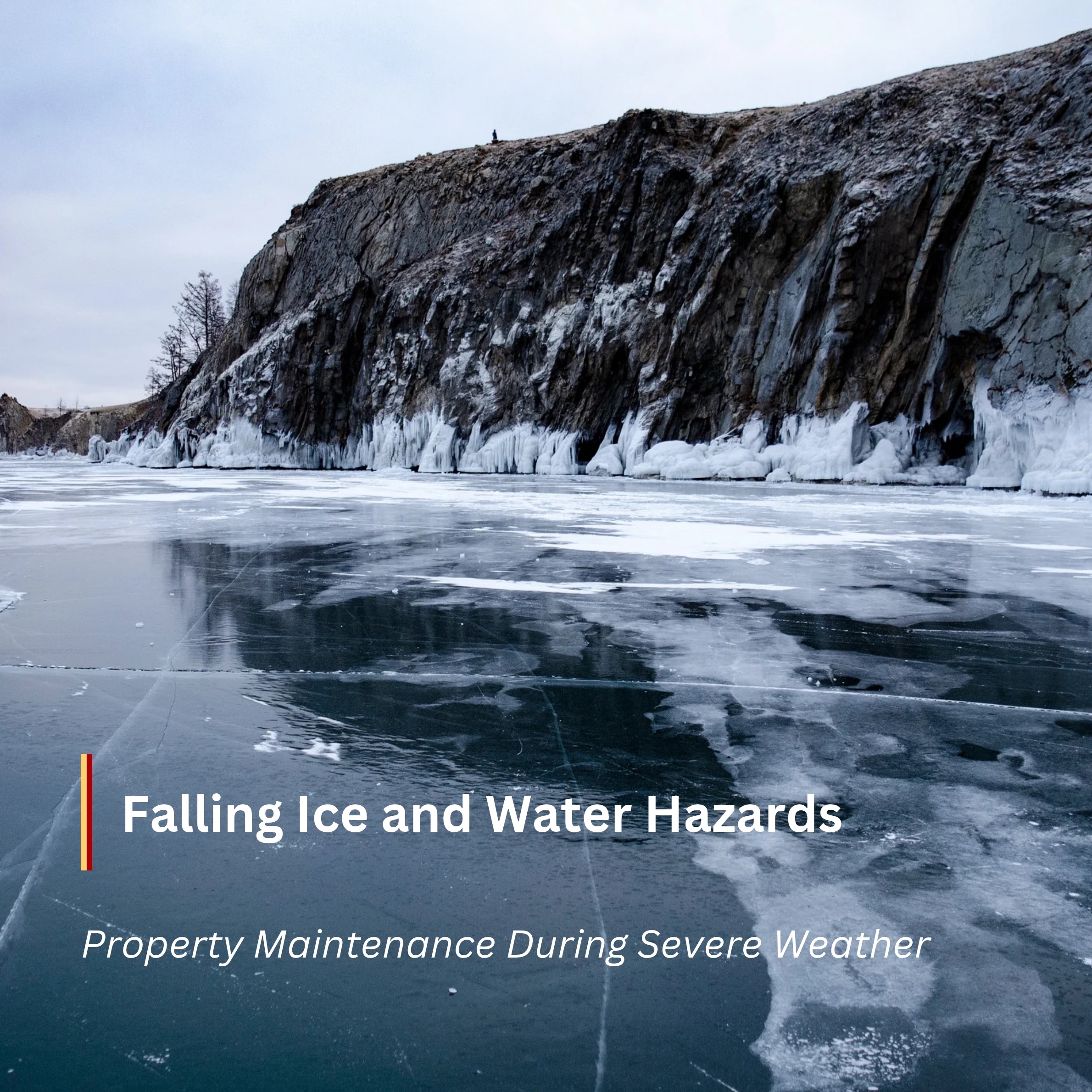
Severe weather can create dangerous conditions around residential buildings, commercial properties, parking structures, and public walkways. Heavy rainfall, freezing temperatures, melting ice, and water accumulation may increase the risk of slip-and-fall accidents and injuries caused by falling objects. As a result, property owners and managers may have legal responsibilities to address hazardous conditions when those conditions create risks to visitors. Understanding falling ice and water hazards can help property owners evaluate their maintenance responsibilities and help injured individuals understand when a premises liability claim may be appropriate.
Falling ice and water hazards are dangerous conditions that develop when precipitation, freezing temperatures, or inadequate drainage affect a property. Common examples may include:
These hazards may result from natural weather conditions, insufficient maintenance, or a combination of factors. Not every weather-related accident establishes negligence. Liability generally depends on the circumstances, including whether the property owner knew or reasonably should have known about the dangerous condition and whether reasonable preventive measures were taken.
Ice accumulating on rooftops, awnings, or elevated structures can become dangerous when temperatures rise or accumulated material breaks loose. Falling ice may strike pedestrians, employees, tenants, or customers walking beneath these areas. Potential injuries may include, but are not limited to, the following.
Property owners may need to evaluate whether ice accumulation presents a foreseeable danger, especially in locations where pedestrians usually pass beneath rooftops or overhangs. Depending on the circumstances, reasonable precautions may include restricting access to dangerous areas, arranging appropriate ice removal, or posting warnings while corrective measures are underway.
Slip-and-fall accidents may be caused by a slippery surface such as ice melting during the warmer months of the year. Heavy rainfall can create slippery surfaces around commercial and residential properties. Water entering through doors, windows, or damaged roofing may also create indoor hazards. For example, a grocery store entrance may become slippery when customers repeatedly track rainwater inside. Property owners and businesses may reduce these risks through reasonable maintenance practices, including drainage inspections, leak repairs, floor cleaning, and placement of appropriate warning signs. Whether a property owner had enough time to discover and address a water hazard is one of the most important questions to ask.
A property owner may face liability when negligent maintenance contributes to an injury during severe weather. Under California premises liability principles, an injured person usually must establish four elements:
Property owners and managers can consider several measures to reduce weather-related hazards. Regular inspections may identify the following.
Individuals injured on another person's property may wish to take the following steps:
Evidence may become difficult to obtain after weather conditions change or repairs are completed.
California law recognizes that property owners may be responsible for injuries caused by negligent maintenance. However, the existence of a hazardous condition alone does not necessarily establish a legal claim. Questions involving foreseeability, notice, inspection practices, property control, and causation may influence the outcome.
Under California Code of Civil Procedure Section 335.1, many personal injury lawsuits generally must be filed within two years, although exceptions and different deadlines may apply. Claims involving public entities can have substantially shorter administrative claim deadlines. A qualified attorney may be able to review the circumstances and explain how applicable laws may affect a specific situation.
The qualified personal injury attorneys at KAASS LAW are determined to help victims understand their rights, responsibilities, and the necessary steps they may need to take to recover from their injuries after being involved in a falling ice hazard accident. Our legal team may review the specific facts of your case, preserve important pieces of information, and determine potentially responsible parties moving forward. This is crucial as it can allow victims and their loved ones to focus on recovering from their injuries. If you have been involved in an ice hazard accident, you are not alone. Call KAASS LAW today for a confidential consultation and to learn more about your potential options.
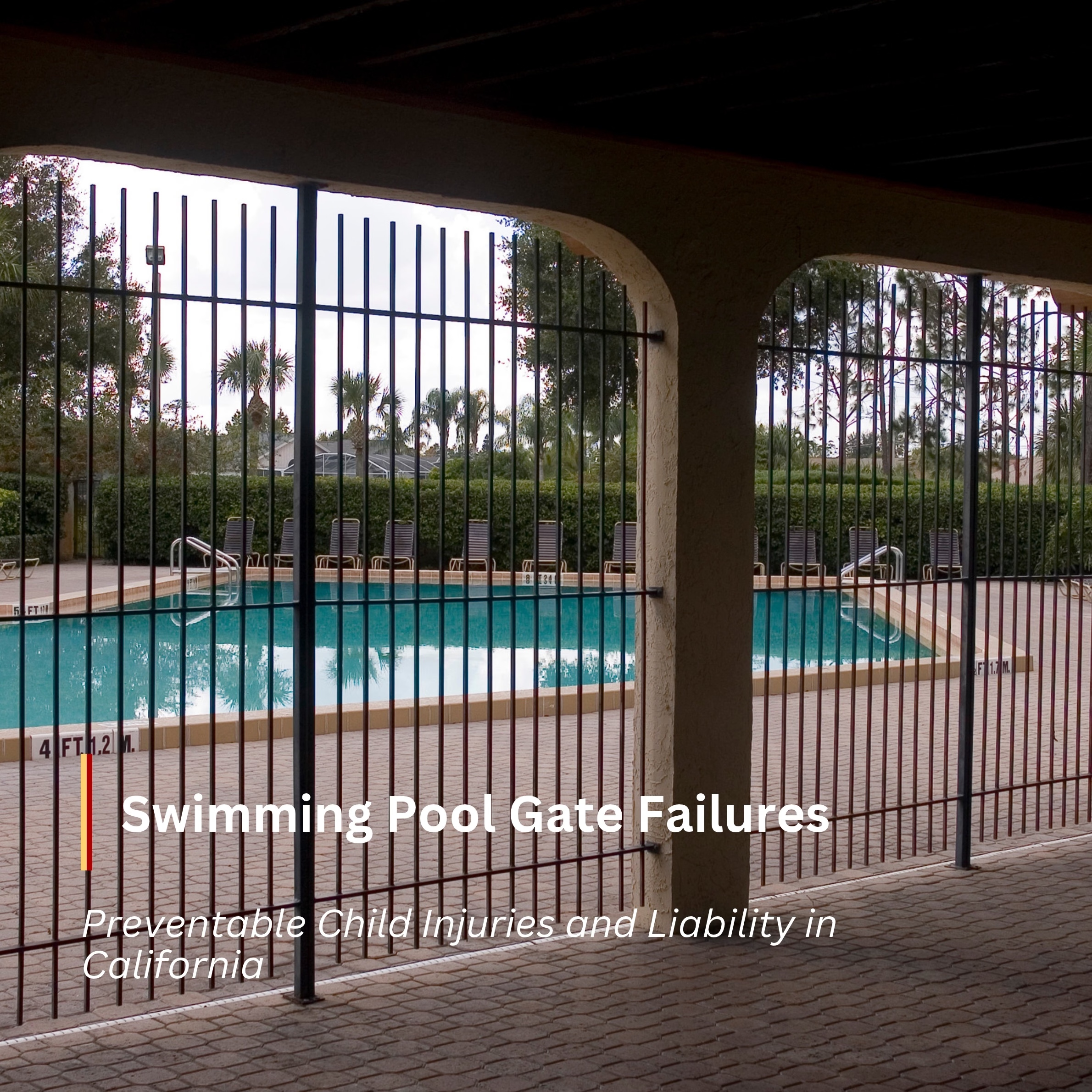
Learn how swimming pool gate failures can cause child injuries, California pool safety requirements, and when property owners may be liable.
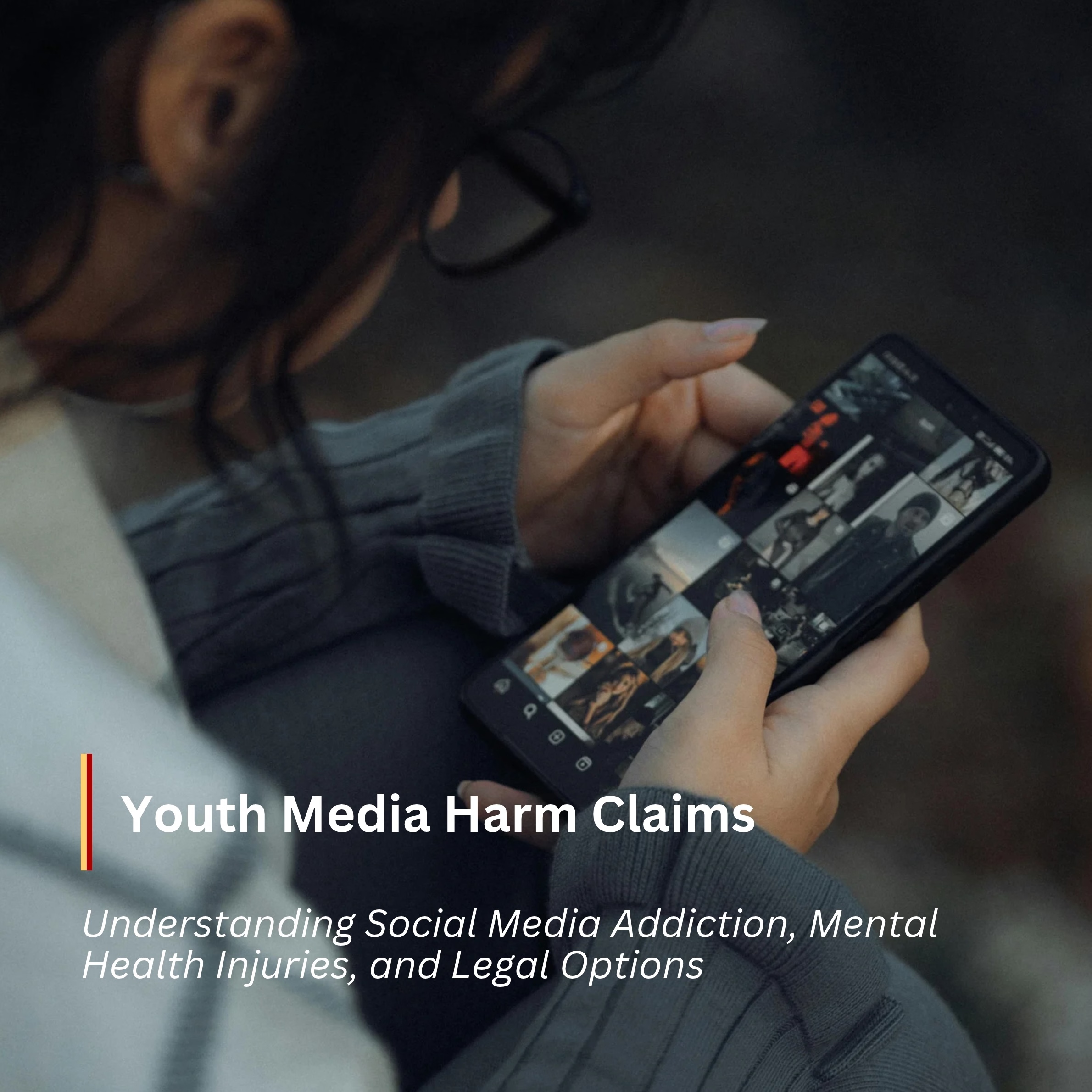
Learn about youth media harm claims, social media addiction, mental health injuries, and legal options for affected families in California.
Learn how California's new CARS Act, three-day used car cancellation rights, and updated lemon law procedures affect car buyers and owners.