California Dog Bite Accidents: Can Uninsured Motorist Coverage Apply When a Dog Jumps Out of a Vehicle?
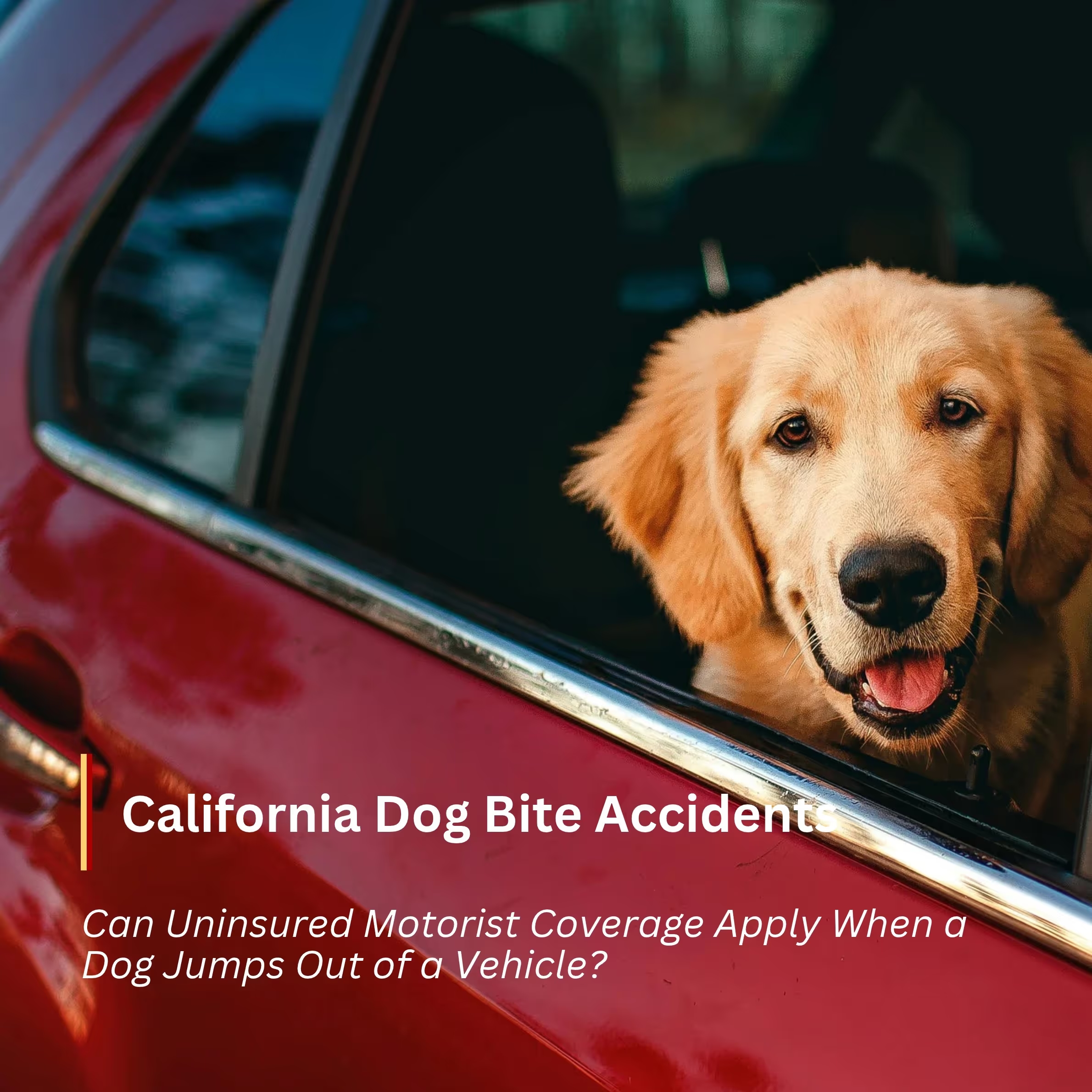
Dog bites can happen unexpectedly, including when an animal escapes from a parked or moving vehicle. Pedestrians who get bitten by dogs may suffer injuries requiring medical treatment. California law provides several possible avenues for addressing dog bite injuries. However, determining whether uninsured motorist coverage applies requires examining the circumstances of the incident, the relationship between the vehicle and the injury, and the language of the applicable insurance policy.
Uninsured Motorist Coverage: An Overview
Under California Insurance Code § 11580.2, uninsured motorist (UM) coverage usually protects insured individuals who suffer bodily injuries caused by the owner or operator of an uninsured motor vehicle, subject to statutory requirements and policy provisions.
This coverage often applies when an uninsured driver causes a vehicle collision. However, injuries involving motor vehicles do not always result from direct accidents. It is important to understand that injuries may occur when someone is entering or exiting a vehicle, unloading objects, or interacting with a vehicle during transportation-related activities. The major question is whether the injury falls within the statutory and contractual requirements for uninsured motorist coverage.
What Happens when a Dog Jumps out of a Car?
Although the dog emerged from a vehicle, the injury resulted directly from the animal's actions. Under California Insurance Code § 11580.2, uninsured motorist coverage usually requires that the injuries arise from the ownership, maintenance, or use of an uninsured motor vehicle and satisfy the statute's applicable liability and coverage requirements. Understanding what to do if a dog jumps out of a vehicle is crucial for the safety of yourself and those around you.
Understanding the Importance of California’s Civil Code § 3342
Even when uninsured motorist coverage does not apply, an injured pedestrian may have a separate legal claim against the dog's owner. Under California Civil Code § 3342, dog owners are usually strictly liable for damages when their dogs bite someone in a public place or while the injured person is lawfully on private property.
Strict liability means the injured person often does not need to prove that the dog previously displayed aggressive behavior or that the owner knew the animal was dangerous. If a dog escapes from a parked vehicle and bites a pedestrian walking legally on a sidewalk, the dog's owner may be liable for the injuries that occur as a result. California's dog bite statute focuses on the responsibility of the animal's owner, regardless of whether a motor vehicle was involved.
Uninsured Dog Owners: An Overview
An uninsured dog owner may still be legally responsible for injuries caused by their animal. However, receiving compensation can become more complicated when insurance coverage is unavailable. Depending on the circumstances, potential sources of recovery may include, but are not limited to, the following.
- Civil claim: An injured person may pursue a civil claim against the responsible owner, although collecting a judgment depends on available assets and applicable legal protections.
- Homeowners or renters insurance: Some policies provide liability coverage for dog bites, subject to exclusions, limits, and other conditions.
- Automobile insurance: Coverage may be considered if the circumstances establish a connection between the injury and the insured vehicle's use.
- Uninsured motorist coverage: An injured pedestrian who qualifies as insured under a UM policy may request a coverage evaluation.
The absence of automobile insurance does not eliminate the possibility of pursuing a dog bite claim under California law.
Pedestrians and Uninsured Motorist Coverage
California uninsured motorist coverage is not necessarily limited to injuries suffered while driving. Depending on the policy and applicable law, insured individuals may qualify for protection while walking, cycling, or participating in other activities.
However, pedestrian status alone does not establish coverage. The injury must still meet the legal requirements governing uninsured motorist claims. For a dog bite involving a vehicle, an insurer may examine whether the injury resulted from the use of an uninsured motor vehicle or from an independent act involving the animal. An injured pedestrian should therefore avoid assuming that their own uninsured motorist policy automatically covers the accident.
Important Pieces of Evidence
When a dog escapes from a vehicle and bites someone, the details surrounding the incident may become important. Relevant evidence may include but is not limited to the following.
- Photographs showing where the vehicle was parked and where the attack occurred.
- Surveillance footage capturing the dog's exit from the vehicle.
- Witness statements describing the driver's actions.
- Information identifying the dog's owner and vehicle operator.
- Medical records documenting the injuries and treatment.
- Insurance documents identifying available coverage and exclusions.
Evidence regarding whether the vehicle was moving, parked, being unloaded, or otherwise actively used may help clarify the circumstances. Preserving this information can assist in evaluating liability and potential insurance coverage.
Seeking Legal Guidance and Support
After a dog bite accident involving a motor vehicle, it may be important to speak to a legal professional to better understand your rights and responsibilities moving forward. An attorney may be able to explain applicable laws and guide you through the challenges that may occur throughout the claims process.
The Legal Team at KAASS LAW
The qualified personal injury attorneys at KAASS LAW are ready to help victims understand the importance of their case moving forward. Our legal team may review the specific facts surrounding the accident, speak to insurance companies on your behalf, and preserve important evidence for the future. Call KAASS LAW today to learn more.
Related Articles
View All Posts
Learn who has the right of way in California left-turn accidents, how fault is determined, and what legal options may be available after a crash.
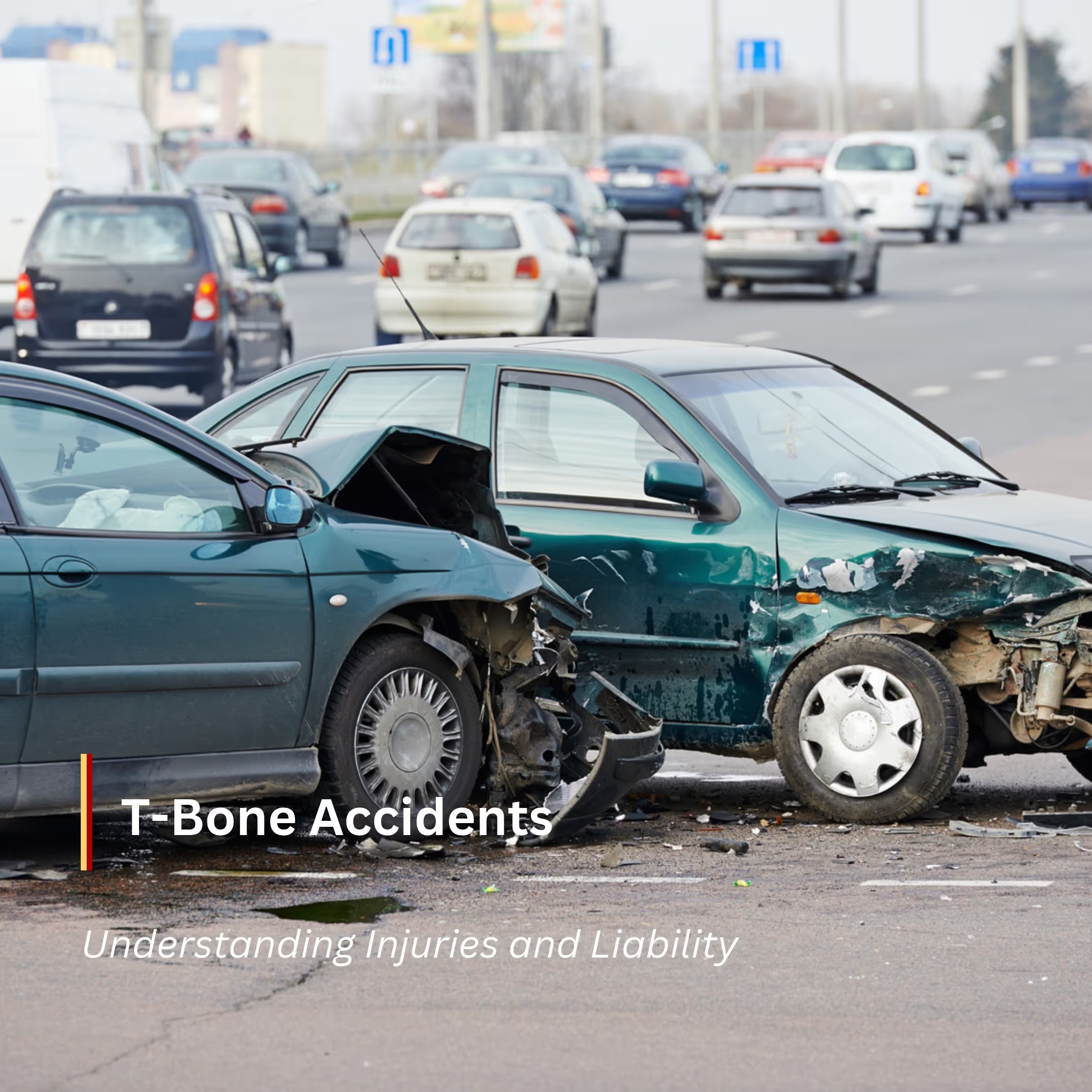
Learn how T-bone accidents happen, common injuries, who may be liable, and what legal options may be available after a California crash.
Learn how defective tires can cause highway crashes, who may be liable for resulting injuries, and what legal options California drivers may have.
