

Many individuals have serious concerns about tumbling down the stairs, whether at work, at home, or in public. It's crucial to learn how to avoid accidents as soon as possible since they have the potential to cause life-altering damage. Every time you use stairs, stairway safety should always be your first priority. Handrails, carpets, and anti-slip coatings provide users with the assurance that the surroundings of staircases are secure. Although there may be safety precautions on a staircase that limit future accidents, it does not entirely avoid them from happening.
What are the most prevalent injuries caused by a stairwell fall? The distance you fell, whether the steps were carpeted, and if the stairway was enclosed are all variables that will impact the severity and character of your injuries if you fall downstairs. While each individual may get a different injury as a consequence of a fall, there are a few that are more common than others. Typical examples include the following:
The degree of your injuries will, of course, be determined by the type of staircase involved and how you fell. For example, you may fall forward and put your weight on your arm, or you could fall backward and forcefully bang your head on the above stairs. Many injuries can be quite serious and need a lot of medical attention, including emergency care, surgeries, hospital stays, rehabilitation therapy, and any other necessary treatments.
It is the responsibility of property owners to keep all stairways on their property fairly safe for guests. Unfortunately, a lot of falls happen because careless property owners fail to uphold this duty of care and maintain their property. The following are some instances of carelessness that result in stair falls:
A property owner may be held accountable for the damages suffered by a fall victim due to any of the aforementioned hazardous situations.
Employers should prioritize stair safety at work. It's crucial to take the necessary steps to prevent accidents because they can occur at any time and to anybody. The staircase in issue will determine if this is due to stairway construction or a specific problem. It would be tragic if you or one of your employees were hurt as a result of faulty construction or a lack of protective elements. Stair safety is equally important in the home as it is in the workplace. Falls down the stairs can happen at any time. As a result, in addition to making physical adjustments to your staircase to make it safer overall, it's vital that you follow the proper safety measures when using it. For instance, you could:
To prevent accidents, everyone in your home or place of employment should practice stairway safety, not just you. It just takes a fraction of a second for one to occur.
If an accident occurs, understanding how to recover from a fall down the stairs is important. All of the injuries stated above are quite serious, prompting the individual to seek medical attention in the majority of situations. Depending on the severity of your injuries, it is essential that you visit a doctor or healthcare specialist in order to receive the proper care for a stair-related injury. We hope that this guide has shown you the most typical injuries that can arise from falling steps, the laws that apply to such injuries, how to recover from a fall, and most importantly, how to avoid such injuries in the first place. Contact Kaass Law at 310.943.1171 to discuss your case further. https://youtu.be/MNarbp2mWXM

A head injury is a potentially catastrophic consequence of slip and fall incidents. Trauma to the head, skull, or brain may be included. When a person slips and falls, their head may hit the ground, table, or another hard item as they fall. Accidents involving the head frequently need visits to the emergency room. It could result in anything from a slight head injury to a serious brain injury.
Slip and fall accident victims may have emotionally taxing symptoms in addition to physically crippling ones. After a head injury, there could be considerable changes in everyday activities and independence. In severe situations, patients may experience long-term, irreversible impairment that necessitates the need for them to relearn fundamental abilities. Those can include but are not limited to walking, speaking, and using a fork to eat. Some people with head injuries may never be able to work again or may have to work in a completely new field. A skilled medical practitioner must check you right away after a slip and fall accident. It will help them determine whether your symptoms are the result of a head injury or something else following damage to the head. Diagnostic imaging techniques like CT and MRI scans can be helpful to identify hidden ailments so that medical professionals can create a treatment strategy.

California, with its sun-drenched landscapes and bustling urban centers, offers a vibrant lifestyle. However, beneath the surface of idyllic scenery lies a common hazard: slip and fall accidents. These incidents, often seemingly minor, can result in significant injuries, financial burdens, and emotional distress for victims. Whether it's a wet grocery store floor, an uneven sidewalk, or inadequate lighting in a parking lot, property owners have a legal responsibility to maintain reasonably safe premises for visitors. At KAASS LAW we understand the complexities surrounding slip and fall accidents and are dedicated to providing clear guidance and robust legal representation to those who have been injured due to negligence.
A slip and fall accident falls under California premises liability laws. For an injured party to recover damages, the accident must have resulted from someone’s negligence. Hence, not all falls will necessarily lead to a slip and fall liability, but in a surprisingly large number of cases, they certainly can.
More specifically, someone is negligent and responsible for a slip and fall case in California if they:
Slip and fall accidents are more common than you might think, especially in California. Picture this: you're walking down a grocery store aisle, and suddenly, you find yourself on the floor, nursing a twisted ankle or worse. These incidents, often dismissed as minor mishaps, can lead to serious injuries and significant expenses. If you have an injury due to a slip and fall accident in California, understanding your rights is crucial. Personal injuries that cause slip and fall accidents are under premises liability laws. This allows victims, injured as the result of the negligence of the property owner to recover compensation for their injuries.
According to Civil Jury Instruction 1000, the plaintiff must establish the following four elements to prove a premises liability claim:
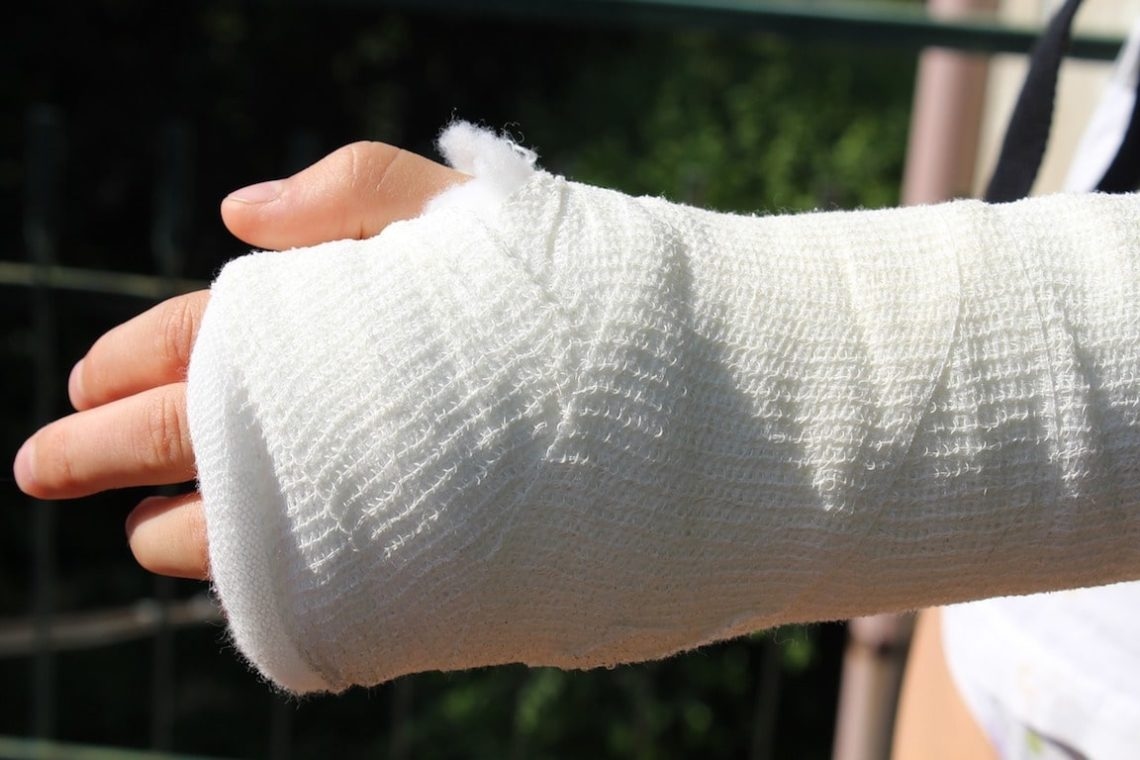
In California, anyone who owns property has a legal obligation to keep it safe from hazards. When determining who is liable in a premises liability or slip and fall case, the plaintiff must show that the defendant(s) had ownership, possession, and control of the premises. The individual(s) who owns, possesses, or controls the premises is the one responsible for any injuries arising from a hazardous or dangerous condition of the premises. Therefore, without the crucial element of "control over the premises", no duty to exercise reasonable care to prevent injury on the property can be found.
In California, the owner, operator, and/or lessor of property owe a duty to visitors to ensure that the property is in a reasonably safe condition. Furthermore, another crucial element in premises liability cases is the element of "foreseeability" .The foreseeability of harm is a prerequisite for the recovery of damages. The foreseeability of the danger establishes the duty owed.
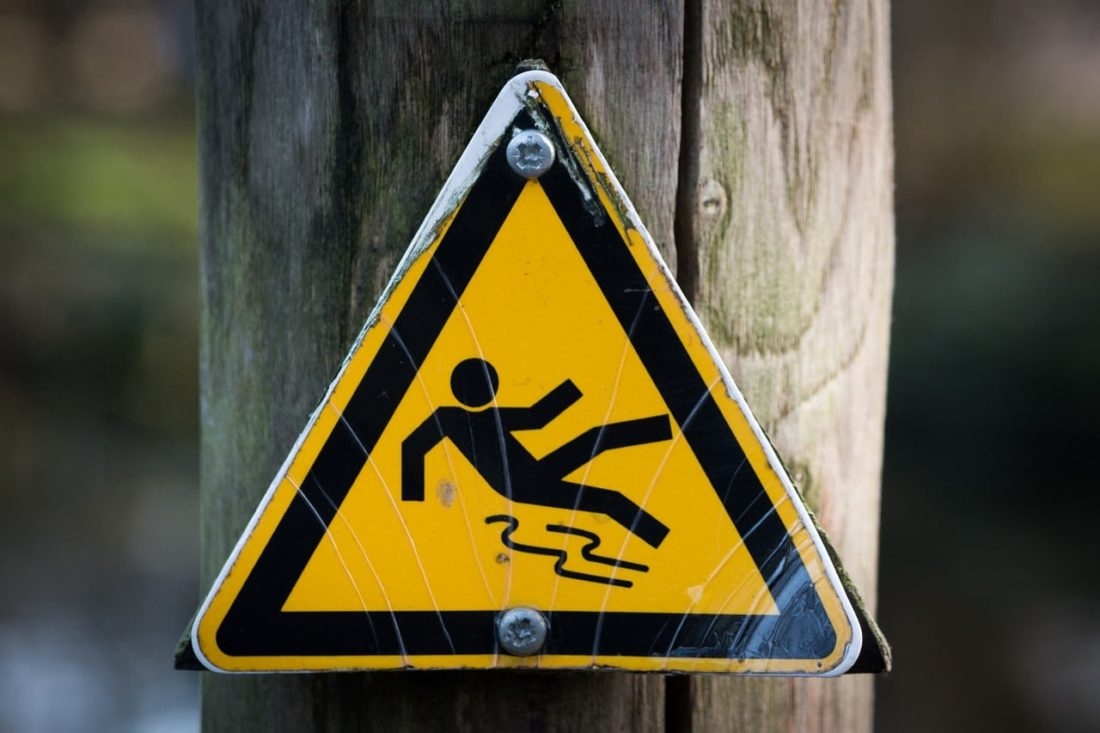
Being injured in a slip and fall can leave you with immense pain. Often, not knowing what steps to take in the immediate aftermath can result in prolonged and unnecessary suffering. In order to strengthen your chances of receiving fair compensation that helps you recover, be sure to:
Open-head injuries and closed-head injuries are the two main classifications of head injuries. Using a hard item to strike the head or striking the head against a hard object can result in closed head injuries. The scalp may or may not be bleeding from the outside, and the skull is not fractured. When a hard item strikes the head and breaks the skull, it can cause an open-head injury, which allows blood to enter the brain. This kind of damage occurs most frequently in situations involving high rates of speed, such as when a person happens to be flying through a windshield during a car accident or when a bullet with high velocity enters the skull.
Compared to other types of trauma, slip-and-fall events are more likely to result in certain head injuries, such as:
A traumatic brain injury (TBI) happens when the brain strikes the hard internal surface of the skull, resulting in brain hemorrhage and bruises. A contusion is a medical term for a brain bruise. More serious than bruises from a bump on another part of the body are brain contusions. In some circumstances, severe TBIs can result in fatality or life-altering injury due to irreversible alterations in brain function.
Any type of brain injury can cause edema or brain swelling. The skull cannot expand, in contrast to other body components that can do so to accommodate swelling brought on by tissue injuries. Because brain tissue presses on the skull and pressure build, as a result, swelling in the brain is far more dangerous and can quickly result in an emergency that might be fatal.
Blood that has gathered or clotted outside of blood arteries is referred to as a hematoma in the brain. Clotting results in pressure building inside the skull, which can induce loss of consciousness or irreversible brain injury. Hematomas can be divided into various categories according to where in the cranial cavity the blood collects. Blood that gathers between the skull and the surface of the brain forms a subdural hematoma. A headache that becomes worse over time is a typical sign of subdural hematomas.
If you or someone you know have a head injury resulting from a slip and fall, don't hesitate to call a professional attorney. Please feel free to give our office a call at 310.943.1171.
As you may imagine, many factors can come into play in slip and fall cases. The most important factors tend to be those that we can link to what may have caused the slip and fall to recover damages. Some examples of these factors and causes are:
According to California law, people owe a duty of care to protect those who enter their property from harm. Duty of care applies to anyone who owns, leases, occupy or controls the property. However, it does not just apply to individuals; parent companies or insurers may also be liable to pay damages to people injured in slip and fall accidents in California.
Let’s explore a possible slip and fall scenario: Stephanie is out with her friends at a club, and she slips on someone’s spilled drink, injuring her head. This is a situation where there may be several possible liable parties, such as the promoter, the club owner, the parent company, the party’s insurers, and maybe even the club’s or promoter’s staff. As such, we can take many possible avenues in determining who is liable for a slip and fall injury, depending on the context of the situation.
You need to know the four things that have to be established to prove that negligence led to your injuries in the slip and fall case. These four things are important to establish if you wish to recover damages:
Once these four get established, we are well on our way to recovering damages for your slip and fall case. You are entitled to recover all compensatory damages that resulted from their negligence. Compensatory damages include:
We can recover punitive damages for a slip and fall case if the defendant’s recklessness led to severe injuries or death or if the defendant deliberately destroyed evidence of their liability.
Although an injured party may be eligible to recover damages, there is a statute of limitation ("SOL") to bring a slip and fall lawsuit. In California, the statute of limitations for slip and fall cases is two years from the accident date.
Many injured wonder what they must do to prepare for a slip and fall claim? The key is to show that the fall was the result of negligence. To prove that a third party was negligent, an injured party must collect evidence. Such evidence can include:
If you or a loved one has been injured in a slip and fall accident in California, don't navigate the legal complexities alone. The experienced personal injury attorneys at KAASS LAW are here to help. We offer a free, no-obligation consultation to discuss your case and explain your rights. Contact our office today to take the first step towards justice and recovery. Let us help you navigate the treacherous terrain and fight for the compensation you deserve.
California law operates on the principle of "premises liability." This means property owners and occupiers have a legal duty to maintain safe conditions for visitors. This includes customers in stores, guests in homes, and even trespassers in certain situations. When someone is injured because of a dangerous condition on another person’s property, he can sue either the owner, occupier or possessor of that property. This may include homeowners, landlords, businesses, and other property owners.
According to California Civil Jury Instruction 1003 defendant was negligent in the use or maintenance of the property in case:
If you have an injury due to a slip and fall, taking the following steps can help protect your rights and strengthen your potential claim:
According to California Code of Civil Procedure section 335.1 a victim has a two-year period for the filing of "an action for his injury to, or for the death of, an individual caused by the wrongful act or neglect of another." According to California Code of Civil Procedure section 338 there is a separate three-year deadline for filing a lawsuit over the repair or replacement of personal property was damaged in the slip and fall.
In case your slip and fall injury was caused by the negligence of a government employee then the claim you file must follow a special set of rules. You will be required to provide notice of your claim within a six-month period and give the municipal or state government a chance to respond to your allegations.
According to this rule, any damages award the plaintiff receives will reduce according to the percentage of his fault. A property owner can make different arguments to attempt to pin the blame on the plaintiff. Here are some examples of arguments:
In case the plaintiff’s California slip and fall case makes it to court, regardless of the argument the property owner makes, the state’s "pure comparative negligence rule" will determine how much compensation the plaintiff can get from the property owner. [embed]https://www.youtube.com/watch?v=7o0HMbXd0Vw[/embed]
If you sustained an injury due to a slip and fall accident in California, don't hesitate to seek legal help. Understanding your rights and taking the right steps after an accident can make a significant difference in your ability to recover compensation and get back on your feet. Are you in need to services for a slip and fall accident? Our Los Angeles slip and fall lawyers at KAASS Law would be happy to help you out in every way we can. Get in touch with us now at (310) 943-1171 for assistance!
If property owner(s) fail to properly maintain the premises and someone suffers injury as a result, they may be liable for damages under premise liability law. As in any other negligence action, the injured person must establish the following: (1) the existence of a duty on the part of the defendant to use due care; (2) a breach of this legal duty; and (3) the breach as the proximate or legal cause of the resulting injury. If you or a loved one suffered damages associated with an accident which occurred on someone else’s property, you may be entitled to compensation for your injuries. We invite you to contact our Glendale personal injury attorneys at (310) 943-1171, for a free consultation.
Common causes of slip and fall accidents occur when property owners fail to exercise reasonable care in preventing slip or fall hazards, such as:
Property owners are legally responsible to inspect the property for any hazard risks and maintain the property in a safe manner. If there are any latent or concealed perils on the land, the possessor is under a duty to exercise ordinary care either to make the condition reasonably safe for those coming onto the land or to give such persons a warning adequate to enable them to avoid injury. Failure to repair or fix a slip hazard, resulting in a preventable invitee or customer injury, is an act of negligence.
Premises liability claims against government entities, due to injuries sustained on public property are often very challenging to litigate. Government entities enjoy greater protections against premises liability claims than do ordinary private persons and businesses. In California, to bring a successful premises liability claim against a government entity, one must prove an additional element that does not exist in premises liability claims against private entities - under Government Code section 835, the injured party must prove either: (a) a negligent or wrongful act or omission of an employee of the public entity within the scope of his employment created the dangerous condition; or (b) the public entity had actual or constructive notice of the dangerous condition under Section 835.2 a sufficient time prior to the injury to have taken measures to protect against the dangerous condition. Are you wondering how to prepare for a slip and fall claim? If you were injured due to a slip and fall accident, our knowledgeable Los Angeles personal injury attorneys can help you get the compensation you deserve. Call us at (310) 943-1171, 24 hours a day, 7 days a week for a free consultation tailored to the specifics of your case, our attorneys speak English, French, Spanish, Russian, Armenian, and Italian.
Slip and fall accidents require a lawyer for a number of reasons, including the complexity of a given case. Every slip and fall case is unique and may require a alternative approach in order to successful recover on a claim or lawsuit. Most common slip and fall accidents are usually caused by the following:
The absences of warnings or caution signs situated near the hazard that caused you to slip and fall, can be a indicator of the property manager’s negligence. However, there are specific elements that must be proven and evidence that must show. Such as that the property manager failed to put a warning sign within a reasonable time of discovering the hazard or failed to notice the hazard within a reasonable time. The complexities of this type of claim can make it difficult for you to fight alone. Let us do the legwork on your claim so you can focus on your recovery. If you were injured due to a slip and fall accident our knowledgeable personal injury attorneys can help you get the compensation you deserve. Call us at (310) 943-1171, 24 hours a day, 7 days a week for a free consultation tailored to the specifics of your case, our attorneys at KAASS LAW speak English, French, Spanish, Russian, Armenian, and Italian.