
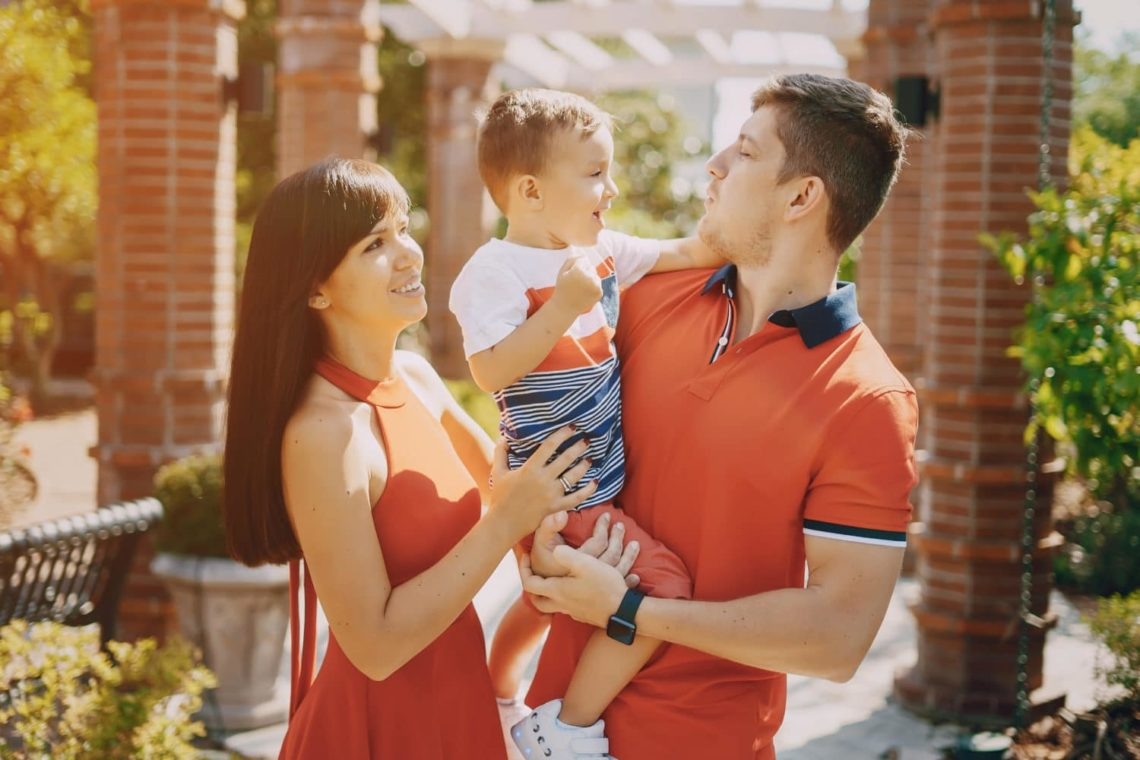
The Immigration and Nationality Act (INA) has created the category of immediate relatives of US citizens who are exempt from numerical quotas applicable to other family members of US citizens and family members of lawful permanent residents. INA has created the category of immediate relatives to give an opportunity to US citizens to easily reunite with their closest family members. Therefore, it is extremely important for US citizens and their family members to determine who falls under the category of immediate relatives.
Spouses of US citizens comprise the first group that falls under the category of immediate relatives. INA § 201(b)(2)(A)(i). The marriage between the US citizen and his/her spouse shall be legitimate and shall not be entered into for immigration benefits. The US citizen and his/her spouse have to submit supporting documents showing that the legitimacy of the marriage.
The spouse of a US citizen will be granted a conditional residence if at the time of obtaining the permanent residence their marriage is less than two years old. Id. § 216(a)(1) and (h). The conditional residence is granted for two years, and the US citizen with his/her spouse shall file a joint petition to remove the conditions on residence within ninety days before the expiration of the two-year conditional green card.
The category of immediate relatives also includes children of US citizens. Id. § 201(b)(2)(A)(i). To qualify as an immediate relative of a US citizen, the child must be unmarried and under twenty-one years of age. Id. § 101(b)(1). The INA definition of child includes:
(a) a child born in wedlock; (b) a stepchild provided the marriage creating the status of stepchild occurred before the child turned eighteen; (c) a legitimated child if the legitimation took place before the child turned eighteen and the child was in the legal custody of the legitimating parent at the time of legitimation; (d) a child born out of wedlock through natural mother or through natural father if the father has or had a bona fide parent-child relationship with the child; (e) a child that was adopted under the age of sixteen years if the child has been in the legal custody of and has resided with the adopting parent for at least two years. Id. It should be noted that even if the child turns twenty-one during the processing of the immigration petition he/she will still qualify as an immediate relative if the immigration petition on the child’s behalf was filed before the child turned twenty-one.
The last group of family members that falls under the category of immediate relatives includes parents of US citizens. Id. § 201(b)(2)(A)(i). The US citizen child must be at least twenty-one years old in order to be able to sponsor his/her parents for a green card. Before turning twenty-one a US citizen child does not have a right to petition for his/her parents.
The immigration process is much easier for immediate relatives of US citizens in comparison to other family members of US citizens or family members of lawful permanent residents. First of all, immediate relatives of US citizens are exempt from the numerical quotas for the issuance of immigrant visas that apply to other family categories. This means that the approval of a US citizen’s petition for an immediate relative makes the immigrant visa immediately available for the immediate relative beneficiary. Another advantage of being an immediate relative of a US citizen is that if relatives falling under other family categories cannot adjust their status after overstaying their visa this bar does not apply to immediate relatives.
INA has made the sponsorship of immediate relatives much easier compared to other family categories. This process allows immediate relatives of US citizens to obtain permanent residence within a short period of time to reunite with their US citizen family members.
If you are a US citizen seeking to petition for an immigrant visa for an immediate relative or have questions regarding other family based immigration visas, we invite you to call our office and schedule a free immigration consultation with an experienced Glendale immigration lawyer.
KAASS LAW is authorized to practice law in California. The above content is intended for California residents only. This content provides only general information which may or may not reflect current legal developments. KAASS LAW expressly disclaims all liability in respect to actions taken or not taken based on any of the contents of this website. The above content DOES NOT create an attorney-client relationship. KAASS LAW does not represent you unless you have expressly retained KAASS LAW in person at the KAASS LAW office.
KAASS LAW helps clients in: Los Angeles, Burbank, Hollywood, Glendale, Van Nuys, North Hollywood, Studio City, Highland Park, Eagle Rock, Sunland, Tujunga, Sylmar, San Bernardino, La Crescenta, La Canada, Beverly Hills, Westwood, Santa Monica, Brentwood. Pacoima, Montebello, Commerce, Alhambra, Downey, Bell, Maywood, Walnut Park, Vernon, Lynwood, Echo Park, Silverlake, Mission Hills, Northridge, Woodland Hills, Encino, Canoga Park, North Hills, Porter Ranch, Chatsworth, Reseda.

The new law will make it illegal for Uber drivers to drive with a BAC (blood alcohol content) of 0.04 or higher. Effective July 1, 2018, California ride-sharing drivers, like Uber and Lyft , and other commercial-for-hire vehicles will have stringent DUI laws.
The AB 2687 bill will amend the Vehicle Code Section 23152 (e): Commencing July 1, 2018, it shall be unlawful for a person who has 0.04 percent or more, by weight, of alcohol in his or her blood to drive a motor vehicle when a passenger for hire is a passenger in the vehicle at the time of the offense, and concurrently to do any act forbidden by law or neglect any duty imposed by law in driving the vehicle, which act or neglect proximately causes bodily injury to any person other than the driver. For purposes of this subdivision, “ means a passenger for whom consideration is of carriage in the vehicle.

California Vehicle Code § 12500 It is illegal in California to drive a motorcycle or any motor-driven or motorized cycle. You would need to have a valid driver's license to do so. However, a driver's license doesn't need to be the only thing that is applicable in California. Nonresidents of California can drive in California as long as they are over the age of 18. Also in their possession is a valid driver's license from the jurisdiction in which they reside. According to California Vehicle Code § 12503, if the jurisdiction in which the individual resides does not require a driver's license, then the individual can drive in California without a driver's license, but not to exceed 30 days.
According to California Vehicle Code § 12505, an individual’s place of residence can be a determination by their “,” which is the state where a person can show a fixed, and permanent home and principal residence and to which he or she can return when absent. An individual is domiciled in the state in which they intend to live for an indefinite amount of time. If the individual came to California from Nevada with the intent to stay for a month and then return back to their home in Nevada, then their domicile, and residency, is in Nevada. Courts will typically look at evidence such as: where an individual can register to vote; where an individual pays taxes; and whether the individual pays resident tuition at a university in order to establish an individual’s state of residency.

Many people who consider filing a trademark application wonder what information or documents they need for submitting the application. Title 37 of the Code of Federal Regulations sets forth the requirements for a complete trademark or service mark application. Pursuant to this regulation, the application must be in English and shall include all of the following:
First of all, a trademark or service mark application shall include the name, the citizenship and the address of the applicant. 37 C.F.R § 2.32(a). It should be noted that only the owner of the mark can apply for the registration of the mark. 15 U.S.C. 1051(a). This is a statutory requirement and cannot be waived. Chien Ming Huang v. Tzu Wei Chen Food Co. Ltd. (Fed. Cir. 1988) 849 F.2d 1458, 1460. A license to use a trademark does not make the licensee an owner of the mark. Norden Restaurant Corp. v. Sons of Revolution in State of N.Y. (1980) 51 N.Y.2d 518, 522. Hence, even a licensee cannot file a trademark application.
Pursuant to the Immigration and Nationality Act, the spouses of US citizens and legal permanent residents are granted conditional residence if at the time of obtaining permanent residence their marriage is less than two years old. INA § 216(a)(1) and (h). The same rule applies to people who enter into the US on K-1 Fiancé Visa and obtain their green card after marrying a US citizen. Id. § 216(h)(1).
Within ninety days before the expiration of the two-year validity period of the conditional green card the conditional resident and his spouse must file a joint petition to remove the conditions on residence. However, in some cases the conditional resident and his spouse divorce before filing the joint petition to remove the conditions. Pursuant to the INA, the annulment or termination of a marriage before the removal of conditions on residence leads to the termination of the permanent resident status of the alien. .
If you are a US citizen and you are willing to get married to your foreign fiancé(e) in the US, K-1 fiancé(e) visa is probably the best option for you. The Immigration and Nationality Act gives an opportunity to US citizens to bring their alien fiancé(e)s to the US to get married and to obtain a green card for them. If you need assistance filing for K-1 petition for an alien fiancé visa, our Glendale immigration attorney can
The US citizen and his/her fiancé(e) must meet the following requirements for the K-1 Petition for Alien Fiancé(e):

If you are an individual or a business entity that is using or is willing to use a mark in relation to your business you have probably thought about registering the mark with the United States Patent and Trademark Office. An application to register a trademark can be made only if the applicant’s situation falls under one of the grounds for registration specified by the Lanham Act, also known as the Trademark Act of 1946. The Lanham Act provides four different bases for registering a trademark.
Pursuant to the Lanham Act, the owner of a trademark used in commerce may request registration of its trademark on the principal register. 15 U.S.C. 1051(a)(1). This section of the Lanham Act gives a right to individuals and business entities to register a trademark if they have actually used it in commerce.
The Section 45 of the Lanham Act defines “use in commerce” as a “…bona fide use of a mark in the ordinary course of trade and not merely to reserve a right in the mark.” . For goods, the use in commerce requires (a) placement of the mark on the goods, their containers, the displays associated with goods, the tags or labels affixed to goods or, if such placement is impracticable because of the nature of the goods, on documents associated with goods or their sale, and (b) that the goods be sold or transported in commerce. . For services, the use in commerce requires that the mark be used or displayed in the sale or advertising of services and that the services be rendered in commerce. .
US citizens and legal permanent residents can sponsor their family members for a green card. Particularly, a US citizen can sponsor his spouse, children, parents and siblings, while a legal permanent resident can sponsor his spouse and unmarried children. The petitioner willing to sponsor his relative and the beneficiary family member shall go through certain procedure to obtain green card for the family member.
The initial step in the process of sponsoring a family member for a green card is filing the Petition for Alien Relative with USCIS. The USCIS Form I-130, Petition for Alien Relative, shall be used for initiating the sponsorship process. The current version of the Form I-130 can be found on the USCIS website (www.uscis.gov/forms). The petition contains information about the petitioner, the beneficiary family member, and their relationship. The petitioner shall file the petition with all the documents showing that the family member qualifies for the sponsorship. The list of supporting documents is different based on the family relationship between the petitioner and the beneficiary. However, the main purpose of the supporting documents is to show that the petitioner is a US citizen or a legal permanent resident, and that the required family relationship exists between the petitioner and the beneficiary. The petition is filed in the appropriate USCIS office based on the address of the petitioner. The petition is considered properly filed if it is signed by the petitioner, and the filing fee is paid. The current filing fee for the Form I-130 is $535 which shall be paid simultaneously with filing the petition for family member unless the petitioner qualifies for a fee waiver.
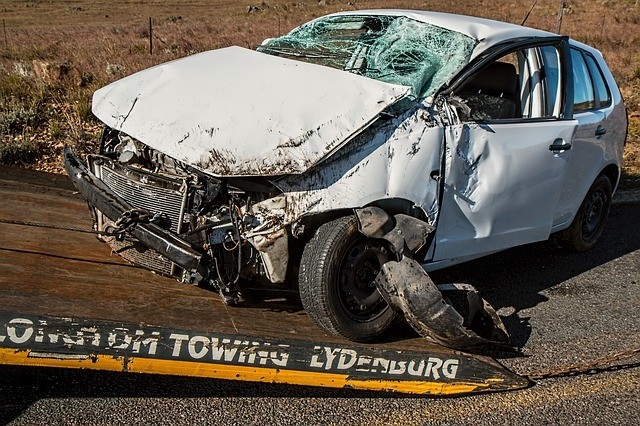
Under California law, drivers are required to carry liability insurance when operating a motor vehicle on a public road. If you were involved in an accident, due to the fault of another, while operating a motor vehicle without liability insurance you likely fall under "Proposition 213". Under California law, uninsured motorists involved in traffic collisions within the State of California, whether or not the collision was caused by the uninsured motorist, are not allowed to recover general damages such as pain and suffering. HOWEVER, there are exceptions to Prop 213. For instance, Prop 213 strictly applies strictly to drivers and not its passengers. If you have been involved in a car, truck, motorcycle, bus or other motor vehicle accident, do not rely on this as legal advice. Speak to a Glendale accident attorney today and request a free consultation
There are certain exceptions to Prop 213. For instance, Prop 213 does NOT limit your ability to recover medical costs, lost wages, damaged property, or compensate you for future medical charges. As an uninsured motorist, Proposition 213 creates serious difficulties, fears, and frustrations to your accident claim. Regardless of your insurance status, adjusters are skilled in limiting the damages you can recover. Even if you are entitled to compensation, insurance companies can hold your lack of coverage against you in your claim. Thus, if you fall under Prop 213 uninsured motorists, your difficulties just got harder. There are exceptions to the rule, and with a knowledgeable and established , you can receive the compensation you deserve.

It is always a drag being part of a motorcycle accident. Literally. An automobile is built to keep you safe and cozy from all the noise, smoke, and life threatening injuries. For Example the B-Pillar, which is the part of the automobile frame which your seat belt is usually attached to. This part of the car is a life saver from T-bone accidents and collision. See image. Now substitute the automobile with all its fine tuned standard protections against bodily injury and death with a 2 wheeler. A motorcycle, yes that thing that buzzes next to you on the 10, 405, and my favorite the 2 freeway. The machine we have all wanted to ride or learn how to ride, but more one reason or many opted to save more than a pretty penny. With a motorcyclist, whom we are all afraid of injuring or potentially even worse. I can honestly say that after years in the practice of representing motorcycle accident victims with massive traumatic and life changing injuries, I have more or less developed a sort of PTSD. Every time I hear the purring of the motorcycle’s engine in the back of my ear, I automatically remember 2 things. Do not even think about placing or answering a hands-free phone call of course and put down that country music. Post-Traumatic Stress you say? I say, my civil duty for the safety of my fellow man. Exactly. I feel as if I worry about these souls more than they. Whizzing, squeezing, cutting, splitting, and my favorite, all while stylishly popping a wheelie standing on the seat with one leg no hands or helmet, providing job security for the Highway Patrol. Oh, yes, slightly, the undiagnosed kind.
Moreover, this considers to the owner, operator, agent, or any other person having an interest in the vehicle. In a prosecution under this subdivision, there is a rebuttable presumption of this matter. If a person had 0.04 percent or more, by weight, of alcohol in his or her blood at the time of driving the vehicle if the person had 0.04 percent or more, by weight, of alcohol in his or her blood at the time of the performance of a chemical test within three hours after the driving.
For questions about your Los Angeles Uber accident case or any Uber or Lyft related accidents, we invite you to call our office and speak to our Los Angeles uber accident attorney for free consultation. We speak English, Spanish, Armenian, Russian, French, and Italian.
KAASS LAW is authorized to practice law in California. The above content is intended for California residents only. This content provides only general information which may or may not reflect current legal developments. KAASS LAW expressly disclaims all liability in respect to actions or inactions based on contents of this website. The above content DOES NOT create an attorney-client relationship. KAASS LAW does not represent you unless you have expressly retained KAASS LAW in person.
KAASS LAW helps clients in: Los Angeles, Burbank, Hollywood, Glendale, Van Nuys, North Hollywood, Studio City, Highland Park, Eagle Rock, Sunland, Tujunga, Sylmar, La Crescenta, La Canada, Beverly Hills, Westwood, Santa Monica, Brentwood. Pacoima, Montebello, Commerce, Alhambra, Downey, Bell, Maywood, Walnut Park, Vernon, Lynwood, Echo Park, Silverlake, Mission Hills, Northridge, Woodland Hills, Encino, Canoga Park, North Hills, Porter Ranch, Chatsworth, Reseda.
Under California Vehicle Code 12500(a), a person may not drive a motor vehicle upon a highway, unless the person then holds a valid driver's license issued under this code, except those persons who are expressly exempted under this code.
VC 12500(a) driving without a valid license can be charged as either a California infraction or a California misdemeanor. The misdemeanor penalties for driving without a license can include:
In order for the court to prove that you are guilty of driving without a valid license, they must establish two elements:
Under California law, it is a requirement for drivers to carry liability insurance when operating a motor vehicle on a public road. If you got into an accident, due to the fault of another, while operating a motor vehicle without liability insurance, you likely fall under “Proposition 213”.Under California law, uninsured motorists involved in traffic collisions within the State of California, whether or not the collision was the cause by the uninsured motorist, they cannot recover general damages such as pain and suffering. KAASS Law may be able to help you either dismiss or reduce your VC 12500 charges to a less-serious infraction. If you were involved in a motorcycle accident you were both unlicensed and uninsured at the time of the collision, we further invite you to call our Los Angeles Motorcycle accident lawyer at (310) 943-1171 any time! Our law firm is dedicated to getting our clients the compensation they deserve. Get in touch with our law firm now or sign up online for a free consultation and case review. We speak English, French, Spanish, Russian, and Armenian. [contact-form-7 id="5673" title="KAASS LAW Contact Form"]
To be considered complete, a trademark or service mark application shall include the drawing of the mark. 37 C.F.R § 2.32(c). The drawing is a clear depiction of the mark which shows how the registered mark will look like. The drawing can be (a) in standard characters without claim to any particular font style, size or color, or (b) a special form drawing when the mark includes a two or three dimensional design, or characters in a particular font style or size. If the mark is not in standard characters the application shall also include a description of the mark. Id. § 2.32(a)(8).
In the application for registration the applicant must identify the goods or services in connection to which the applicant uses or intends to use the mark. Id. § 2.32(a)(6). The application shall also state the international class of good or services, if known. Id. § 2.32(a)(6). It should be noted that the classification of goods and services is only for the United States Patent and Trademark Office administration and cannot prejudice the rights of the applicant. Mobil Oil Corp. v. Walter Kidde & Co. (T.T.A.B. 1970) 167 U.S.P.Q. 478. The list of the classes of goods and services can be found in the Section 6.1 of the Title 37 of the Code of Federal Regulations.
The application must include one or more bases for filing the application. 37 C.F.R § 2.32(a)(5). The application must be based on one of the following grounds: (a) Use in commerce, in which case the applicant must state that the mark is in use in commerce, must state the first date the mark was used anywhere in connection to goods or services, the first date of the use of the mark in commerce, and must attach one specimen showing how the applicant uses the mark in commerce; (b) Intent to use, in which case the applicant must verify that he has a bona fide intention to use the mark in commerce; (c) Registration of the mark in a foreign applicant’s country of origin, in which case the applicant must state that he has a bona fide intent to use the mark in commerce and must attach a copy of the registration of the mark in applicant’s home country; (d) Claim of priority based upon an earlier filed foreign application; (e) Extension of protection of an international registration. Id. § 2.34(a).
The application must include a verified statement. Id. § 2.32(b). The main purpose of the verified statement is to certify that the facts set forth in the application are true. The application shall be signed by the applicant or by someone who is properly authorized to sign on behalf of the applicant. The applicant shall also pay the filing fee for each class of goods and services. Id. § 2.32(d). The application fee varies depending on filing the application on paper or through Trademark Electronic Application System. A trademark application will be complete only if the United States Patent and Trademark Office receives all the items mentioned above. If you have questions regarding trademark applications or any other business law questions give us a call and receive a free consultation with one of our experienced Glendale business lawyers.
KAASS LAW is authorized to practice law in California. The above content is intended for California residents only. This content provides only general information which may or may not reflect current legal developments. KAASS LAW expressly disclaims all liability in respect to actions taken or not taken based on any of the contents of this website. The above content DOES NOT create an attorney-client relationship. KAASS LAW does not represent you unless you have expressly retained KAASS LAW in person at the KAASS LAW office.
KAASS LAW helps clients in: Los Angeles, Burbank, Hollywood, Glendale, Van Nuys, North Hollywood, Studio City, Highland Park, Eagle Rock, Sunland, Tujunga, Sylmar, San Bernardino, La Crescenta, La Canada, Beverly Hills, Westwood, Santa Monica, Brentwood. Pacoima, Montebello, Commerce, Alhambra, Downey, Bell, Maywood, Walnut Park, Vernon, Lynwood, Echo Park, Silverlake, Mission Hills, Northridge, Woodland Hills, Encino, Canoga Park, North Hills, Porter Ranch, Chatsworth, Reseda.
Although the termination of a marriage during the two-year conditional residency period is a basis for termination of conditional resident’s permanent resident status, the INA gives an opportunity to the conditional resident to file a petition to the United States Citizenship and Immigration Services requesting to waive the requirement of filing a joint petition to remove conditions.
INA identifies three different grounds for the waiver of the requirement of filing the joint petition to remove conditions on residence:
(a) if extreme hardship would result in case the conditional resident is removed; or
(b) if the conditional resident and his spouse entered into the marriage in good faith, and the conditional resident is not at fault in failing to file the joint petition to remove the conditions on residence; or (c) if the qualifying marriage was entered in good faith, during the marriage the alien spouse was battered by or was the subject of extreme cruelty perpetrated by her spouse and the alien was not at fault in failing to file the joint petition to remove the conditions on residence. Id. § 216(c)(4).
The grounds for waiver specified in INA § 216(c)(4) are separate and independent bases for waiving the requirement of filing the joint petition to remove the conditions on residence. Matter of Balsillie, 20 I. &. N. Dec. 486 (B.I.A. 1992). However, if the conditional resident qualifies for a waiver on different grounds he can include all the bases in his petition.
The conditional resident shall file the request for a waiver by using the Form I-751, Petition to Remove Conditions on Residence, which is also used for filing the joint petition to remove conditions. The most updated version of the form can be found on the USCIS website. The petition shall be filed with all the supporting documents showing that the conditional resident qualifies for the specific ground for waiver. If the petitioner is able to demonstrate that he meets the requirements for the waiver his petition will be approved and he will get the permanent green card.
Although your marriage was terminated during the conditional residency period you still can obtain your permanent green card if you qualify for a waiver of the requirement to file a joint petition to remove conditions on residence.
If you have questions regarding waivers of the requirement to file joint petition to remove conditions on residence or any other immigration law questions give us a call and receive a free consultation with one of our experienced Glendale immigration lawyers.
KAASS LAW is authorized to practice law in California. The above content is intended for California residents only. This content provides only general information which may or may not reflect current legal developments. KAASS LAW expressly disclaims all liability in respect to actions taken or not taken based on any of the contents of this website. The above content DOES NOT create an attorney-client relationship. KAASS LAW does not represent you unless you have expressly retained KAASS LAW in person at the KAASS LAW office.
KAASS LAW helps clients in: Los Angeles, Burbank, Hollywood, Glendale, Van Nuys, North Hollywood, Studio City, Highland Park, Eagle Rock, Sunland, Tujunga, Sylmar, San Bernardino, La Crescenta, La Canada, Beverly Hills, Westwood, Santa Monica, Brentwood. Pacoima, Montebello, Commerce, Alhambra, Downey, Bell, Maywood, Walnut Park, Vernon, Lynwood, Echo Park, Silverlake, Mission Hills, Northridge, Woodland Hills, Encino, Canoga Park, North Hills, Porter Ranch, Chatsworth, Reseda.
The requirement of in person meeting within two years before filing the petition can be waived only in two circumstances:
To initiate the process of bringing a foreign fiancé(e) to the US, the US citizen petitioner must file the Petition for Alien Fiancé(e) with the United States Citizenship and Immigration Services (USCIS). The petition shall be filed by using the Form I-129F, Petition for Alien Fiancé(e), the latest version of which can be found on USCIS website (www.uscis.gov/forms). The Petition for Alien Fiancé(e) is filed with supporting documents showing the parties have met within two years before filing the petition and their intent to marry within ninety days after the fiancé(e) beneficiary’s entry to the US.
After the approval of the petition by USCIS, the fiancé(e) beneficiary may apply to the US consulate in his/her home country to obtain K-1 Visa for entry to the US. The petitioner and the fiancé(e) beneficiary must get married within ninety days after the beneficiary’s entry to the US. Once the petitioner and the beneficiary get married, the beneficiary can file the application to adjust his/her status to obtain the green card. If the fiancé(e) beneficiary does not marry within ninety days after his/her entry to the US he/she will have to leave the country. Fiancé(e) beneficiaries cannot extend their K-1 status; neither can they change their status.
K-1 Fiancé(e) Visa is a unique option for US citizens and their foreign fiancé(e)s to plan their wedding in the US. Through this visa, the fiancé(e) beneficiary gets the opportunity to enter the US, to get married here and to obtain his/her permanent residency without leaving the country afterward.
If you have questions regarding K-1 fiance visas or any other immigration law questions give us a call and speak to one of our experienced Glendale immigration lawyers.
KAASS LAW is authorized to practice law in California. The above content is intended for California residents only. This content provides only general information which may or may not reflect current legal developments. KAASS LAW expressly disclaims all liability in respect to actions taken or not taken based on any of the contents of this website. The above content DOES NOT create an attorney-client relationship. KAASS LAW does not represent you unless you have expressly retained KAASS LAW in person at the KAASS LAW office.
KAASS LAW helps clients in: Los Angeles, Burbank, Hollywood, Glendale, Van Nuys, North Hollywood, Studio City, Highland Park, Eagle Rock, Sunland, Tujunga, Sylmar, San Bernardino, La Crescenta, La Canada, Beverly Hills, Westwood, Santa Monica, Brentwood. Pacoima, Montebello, Commerce, Alhambra, Downey, Bell, Maywood, Walnut Park, Vernon, Lynwood, Echo Park, Silverlake, Mission Hills, Northridge, Woodland Hills, Encino, Canoga Park, North Hills, Porter Ranch, Chatsworth, Reseda.
Pursuant to this basis for registration, the applicant must first use the mark in commerce. Once the mark is used in commerce the applicant can file the application to register the trademark.
The Lanham Act also allows filing an application for registration if the applicant has a bona fide intention to use the mark in commerce. 15 U.S.C. 1051(a)(2). Here, the applicant has not used the mark in commerce yet, however, he has a bona fide intention to make such use in future. The bona fide intent requirement means that there must be an actual intent to use a mark and evidence objectively demonstrating such intent. Aktieselskabet AF 21. November 2001 v. Fame Jeans Inc. (2008) 525 F.3d 8, 21.
It should be noted, that although the Lanham Act allows to file the intent to use application before using the mark in commerce, the registration of the mark will not be granted unless the applicant files a proof that he has used the mark in commerce. After filing the statement of use application, if the mark is registrable and no successful opposition is filed, the US Patent and Trademark Office will issue a notice of allowance which will give the applicant time to file a statement showing that the mark was used in commerce.
The applicant has a maximum of thirty six month after the date of issuance of the notice of allowance to show the actual use of the mark in commerce. The applicant shall comply with this requirement by filing the statement of use application with evidence showing the use of the mark in commerce. Only after filing the proper statement of use application the applicant can obtain the actual registration of the trademark.
Pursuant to the Section 44 of the Lanham Act, if a foreign national’s country of origin is a party to an international trademark treaty signed by the United States, and if he has or has applied for trademark registration in the foreign country, the foreign national with a bona fide intent to use the trademark in US can file an application with the United States Patent and Trademark Office to register the same trademark. 15 U.S.C. 1126.
This section of the Lanham Act is intended to give privilege to nationals of foreign countries who have entered the same international trademark treaties with the US. This basis gives an opportunity to foreign nationals to register a trademark if they already have a registration or application in their home country. It should also be noted that in this case the applicant does not have to show the actual use of the mark in the US in order to obtain registration of the mark. If the applicant has bona fide intent to use the trademark in the US and he already has a registration or application in his home country that will suffice for registering the mark in the US.
“[T]he holder of an international registration shall be entitled to the benefits of extension of protection of that international registration to the United States to the extent necessary to give effect to any provision of the Madrid Protocol.” 15 U.S.C. 1141E(a). This section of the Lanham Act is intended to enforce the provisions of the Madrid Protocol which is designed to facilitate the registration of trademarks in several nations.
This basis gives an opportunity to applicants who have international registration pursuant to the Madrid protocol to extend the protection of the mark to the US. It should be noted that the applicant does not have to show actual use of the mark in the US for the extension of protection. The international registration of the mark and the applicant’s bona fide intent to use the mark in the US will be enough for registering the mark with the United States Patent and Trademark Office.
If your situation falls under one of the four bases for registration described above you can consider registering your trademark with the United States Patent and Trademark Office.
If you have questions regarding trademarks or even trademark infringement, give us a call and speak to one of our experienced Glendale business law attorneys.
KAASS LAW is authorized to practice law in California. The above content is intended for California residents only. This content provides only general information which may or may not reflect current legal developments. KAASS LAW expressly disclaims all liability in respect to actions taken or not taken based on any of the contents of this website. The above content DOES NOT create an attorney-client relationship. KAASS LAW does not represent you unless you have expressly retained KAASS LAW in person at the KAASS LAW office.
KAASS LAW helps clients in: Los Angeles, Burbank, Hollywood, Glendale, Van Nuys, North Hollywood, Studio City, Highland Park, Eagle Rock, Sunland, Tujunga, Sylmar, San Bernardino, La Crescenta, La Canada, Beverly Hills, Westwood, Santa Monica, Brentwood. Pacoima, Montebello, Commerce, Alhambra, Downey, Bell, Maywood, Walnut Park, Vernon, Lynwood, Echo Park, Silverlake, Mission Hills, Northridge, Woodland Hills, Encino, Canoga Park, North Hills, Porter Ranch, Chatsworth, Reseda.
The approval of the petition for family member does not mean that the beneficiary family member will automatically get his green card. After the approval of the petition the family member has to apply to the consulate in his home country to obtain immigrant visa to enter the US as a legal permanent resident or has to submit an application to adjust his status if he is already in the US. However, not in all the cases the family member can apply to the consulate or file the application to adjust his status immediately after the approval of the petition.
The approval of a US citizen’s petition for his spouse, parents or unmarried children under 21, so called immediate relatives, makes the immigrant visa immediately available for the beneficiary family member. This means that right after the approval of the petition immediate relatives can apply to the consulate in their home country and obtain an immigrant visa to enter the US as permanent residents. If beneficiary family members falling under the immediate relative category are already in the US they can obtain their permanent resident status by filing an application to adjust status with USCIS. The application to adjust status can be filed simultaneously with the petition for alien relative or right after the approval of the petition. Generally, immediate relatives planning to adjust their status in the US file their application together with their family member’s petition for alien relative. However, it should be noted that the family member planning to adjust his status should qualify for the adjustment of status. There are certain circumstances that might bar a person’s eligibility to adjust his status in the US. One of the most common bars to adjustment of status is illegal entry to the US. On the other side, overstaying a visa does not bar an immediate relative’s eligibility to adjust his status.
The approval of the petition for alien relative does not make the immigrant visa immediately available for family members of US citizens who do not fall under the immediate relative category or for family members of legal permanent residents. The waiting time for these family members depend on the family preference category under which they fall and their country of citizenship. The Immigration and Nationality Act divides family members of US citizens and legal permanent resident into four preference categories: 1) First Preference – unmarried sons and daughters of US citizens who are 21 and older; 2) Second Preference – spouses and unmarried sons and daughters of legal permanent residents; 3) Third Preference – married sons and daughters of US citizens; 4) Fourth Preference – brothers and sisters of US citizens. Specific limit is set on the number of visas that can be issued in each preference category. US consulates abroad cannot issue more visas than the number allocated to the specific preference category. The number of petitions for family members considerably exceeds the number of visas allocated for the preference categories. Therefore, a substantial backlog has been created, and the family members of US citizens and permanent resident have to wait for long years until their visa becomes available. It should also be noted that there is a per country limit on issuance of visas each year as a result of which citizens of certain countries have to wait much longer than others. US Department of State publishes a monthly visa bulletin which specifies the waiting times for all preference categories for all the countries. The visa bulletin states how long the family member will have to wait after the petitioner properly files the petition for alien relative, so called priority date. For example, pursuant to the last visa bulletin, unmarried sons and daughters of US citizen who are 21 and older and who are citizens of Mexico shall wait for 21 year until their visa becomes available, citizens of Philippines falling under the same category will have to wait for 11 years, while citizens of all other countries will have to wait for 6 years. The link to the most recent visa bulletin can be found here Once the visa becomes available, the family member can apply to the consulate in his home country to obtain an immigrant visa to enter the US or to apply to adjust his status if he is in the US and qualifies for adjustment of status. For certain family members of US citizens falling under the category of immediate relatives it does not take long to immigrate to the US because their immigrant visa becomes immediately available after the approval of the petition for alien relative. However, family members who fall under one of the preference categories discussed above have to wait for years until their immigrant visa becomes available. Give our immigration attorneys a call for a free consultation. We speak English, French, Spanish, Russian, Armenian, and Italian.
KAASS LAW is authorized to practice law in California. The above content is intended for California residents only. This content provides only general information which may or may not reflect current legal developments. KAASS LAW expressly disclaims all liability in respect to actions taken or not taken based on any of the contents of this website. The above content DOES NOT create an attorney-client relationship. KAASS LAW does not represent you unless you have expressly retained KAASS LAW in person at the KAASS LAW office. KAASS LAW helps clients in: Los Angeles, Burbank, Hollywood, Glendale, Van Nuys, North Hollywood, Studio City, Highland Park, Eagle Rock, Sunland, Tujunga, Sylmar, La Crescenta, La Canada, Beverly Hills, Westwood, Santa Monica, Brentwood. Pacoima, Montebello, Commerce, Alhambra, Downey, Bell, Maywood, Walnut Park, Vernon, Lynwood, Echo Park, Silverlake, Mission Hills, Northridge, Woodland Hills, Encino, Canoga Park, North Hills, Porter Ranch, Chatsworth, Reseda.
It is important to find an experienced accident attorney that is experienced with accidents involving Prop 213. KAASS LAW is authorized to practice law in California. The above content is intended for California residents only. This content provides only general information which may or may not reflect current legal developments. KAASS LAW helps clients in: Los Angeles, Burbank, Hollywood, Glendale, Van Nuys, North Hollywood, Studio City, Highland Park, Eagle Rock, Sunland, Tujunga, Sylmar, La Crescenta, La Canada, Beverly Hills, Westwood, Santa Monica, Brentwood. Pacoima, Montebello, Commerce, Alhambra, Downey, Bell, Maywood, Walnut Park, Vernon, Lynwood, Echo Park, Silverlake, Mission Hills, Northridge, Woodland Hills, Encino, Canoga Park, North Hills, Porter Ranch, Chatsworth, Reseda.
OTS has data that shows back in 2021, in Los Angeles, California, with an approximate population of 10 million people, 2,812 people died or were victims of a motorcycle accident. These types of numbers appear small, but these are real numbers and, nonetheless, real people who are no longer with us or cannot be the same due to a motorcycle accident.
Here at KAASS Law, as always, reminds everyone to be safe and extremely cautious out there! You have all given us so much business in the past and we have fearlessly advocated for your causes and brought in the big settlement bucks. However, as I hear our attorneys time and time again pragmatically and unsuccessfully advise--“Maybe you keep off that thing for a while.”