
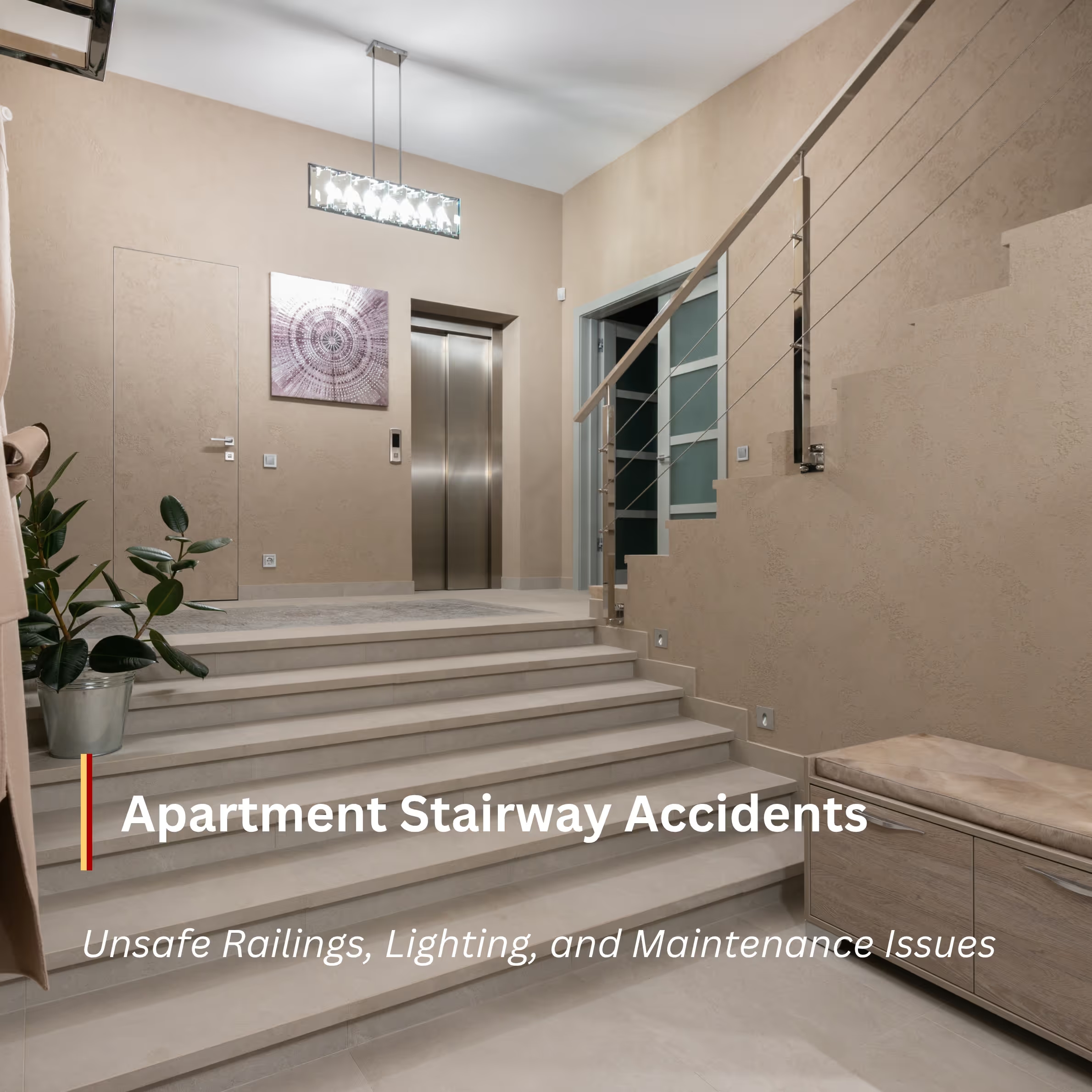
Apartments are a popular choice for many young individuals and students. However, apartment stairway accidents due to unsafe railings, inadequate lighting, and maintenance issues may cause serious injuries to all parties involved. Understanding the responsibilities of property owners as well as the necessary steps to take if you are involved in an apartment stairway accident is important to maintaining your safety and well-being moving forward.
Apartment stairway accidents can occur for many reasons. Some falls result from an individual's misstep, while others may involve a dangerous property condition. Common stairway hazards may include, but are not limited to, the following.
Determining what caused a fall is an important part of evaluating a potential premises liability claim. Photographs, maintenance records, witness statements, inspection reports, surveillance footage, and prior complaints may help establish what the stairway looked like and whether the condition had existed before the accident.
Handrails can provide stability when someone walks up or down a staircase. When a railing is loose, broken, improperly secured, or missing, a person may have difficulty stopping a fall or maintaining balance. California premises liability principles usually require people who own, lease, occupy, or control property to use reasonable care in maintaining it.
However, the existence of a damaged railing does not automatically establish liability. The specific facts surrounding the condition and accident must be evaluated in detail.
Adequate lighting can be especially important in apartment stairwells, exterior staircases, parking structures, and hallways. Poor lighting may make it difficult to see the following.
Lighting problems may result from the following.
When investigating an accident involving poor lighting, evidence showing the conditions at approximately the time of the incident may be relevant. Since lighting conditions can quickly change, photographs or videos taken right after an accident may help document exactly what happened and how the accident occurred.
Routine inspection and maintenance can help identify potentially dangerous conditions before someone is injured. Apartment staircases are exposed to repeated foot traffic and, in some properties, rain, moisture, temperature changes, and other environmental conditions that may cause deterioration over time.
California makes it clear that landlords must conduct reasonable inspections in certain circumstances and take reasonable precautions regarding unsafe conditions that should have been discovered. This can be especially relevant to shared apartment staircases because these areas are often maintained or controlled by a landlord or property management company rather than an individual tenant. The legal analysis can become more complicated when maintenance responsibilities are divided among a property owner, management company, contractor, or other party.
Depending on the circumstances, potentially responsible parties may include, but are not limited to, the following individuals.
Under California premises liability principles, a claim usually involves questions regarding the following.
A key issue is often whether the responsible party knew or reasonably should have known about the dangerous condition and had a reasonable opportunity to address it.
Falls on stairs can cause injuries ranging from relatively minor bruising to conditions requiring significant medical treatment. Depending on the circumstances, injuries may include fractures, sprains, head injuries, back or neck injuries, shoulder injuries, knee injuries, cuts, or soft-tissue injuries.
Medical evaluation after an accident may help identify injuries and establish documentation regarding symptoms and treatment. Some injuries may not be immediately apparent following a fall.
Individuals who have been involved in an apartment stairway accident should consider the following steps to help them recover.
A legal professional may be able to explain applicable laws, review the specific facts of your case, and help you understand your rights moving forward after being involved in an apartment stairway accident. Oftentimes, unsafe railings, poor lighting, and serious maintenance issues may cause individuals to suffer long-term injuries and damage. The appropriate legal advice may be beneficial to provide a sense of support and guidance for individuals, especially during this challenging time.
The qualified personal injury attorneys at KAASS LAW may be able to preserve the necessary pieces of evidence and help you move towards recovery after being involved in an apartment stairway accident. Our legal team is determined to provide support to victims and their loved ones when they face difficult insurance and legal questions throughout the claims process. If you have suffered injuries from an apartment stairway accident, call KAASS LAW today for a confidential consultation.
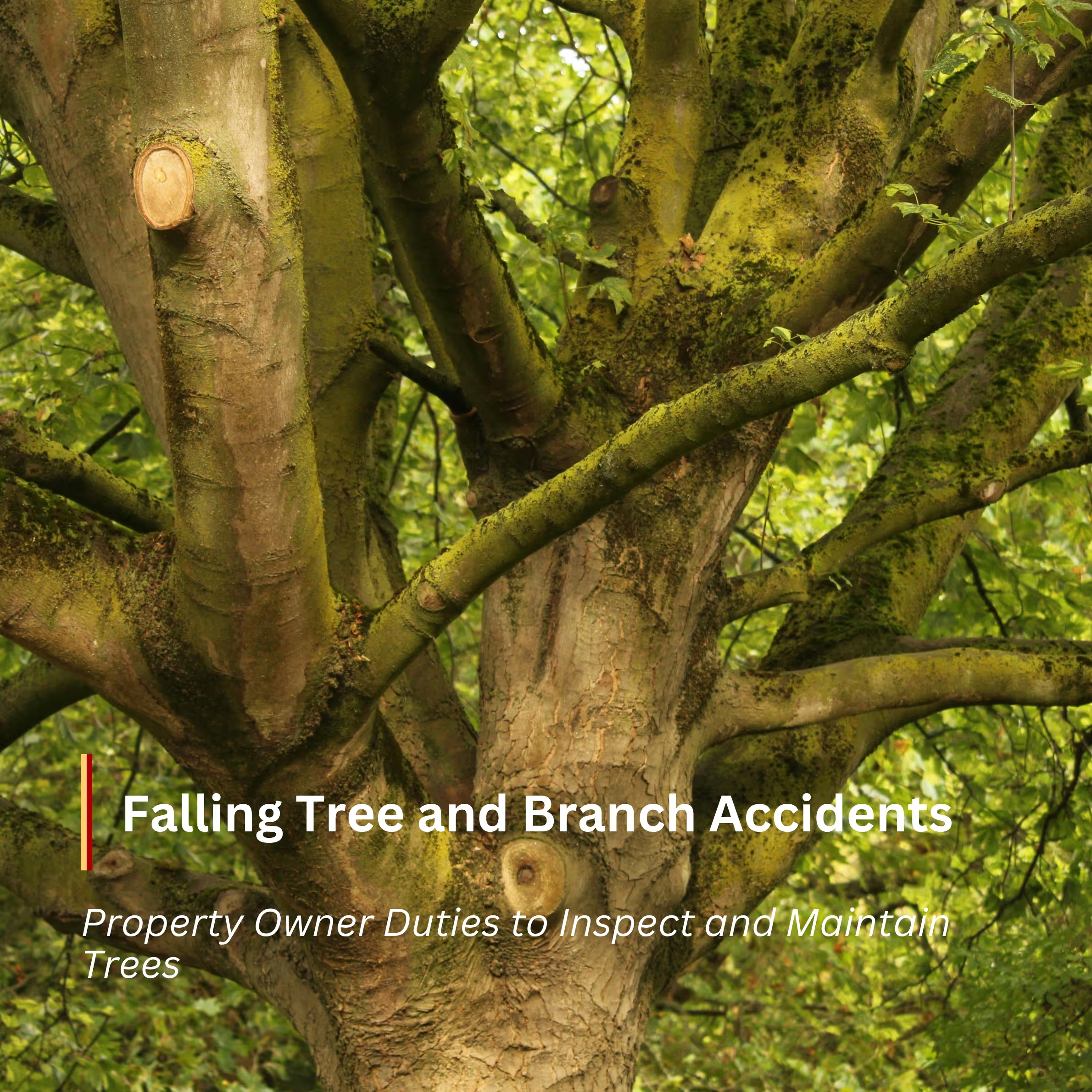
Falling tree and branch accidents may cause serious or sometimes life-threatening injuries to families and their loved ones. Oftentimes, identifying who may be liable after a falling tree or branch accident occurs may be complicated and challenging for individuals to handle on their own. Understanding the steps to take when suffering injuries from these types of accidents is crucial to maintaining your safety for the future.
Trees do not always appear dangerous before they fail. Nevertheless, certain visible conditions may suggest that further inspection or maintenance is appropriate. Potential warning signs may include, but are not limited to, the following.
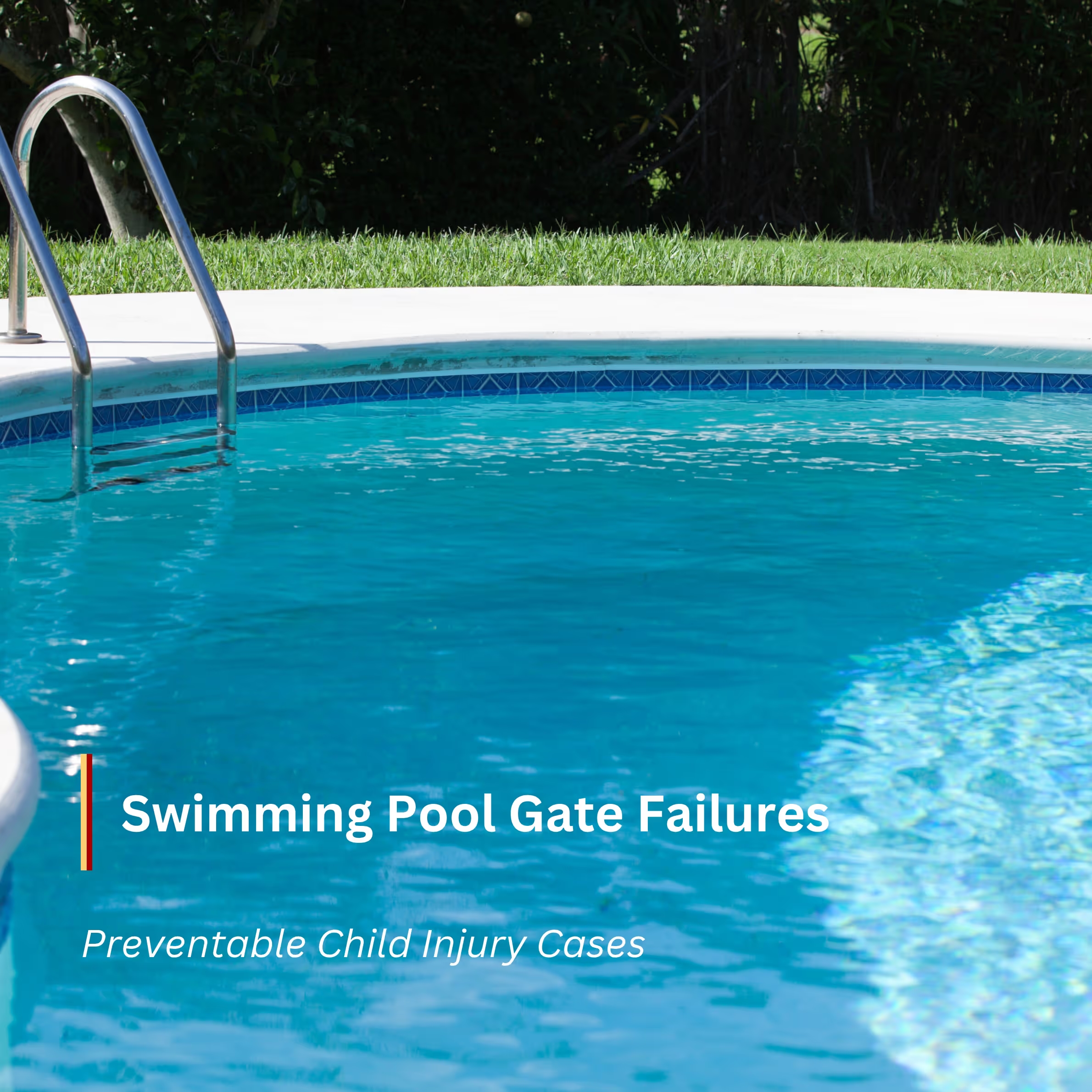
Swimming pools are a great way for families and friends to enjoy the warmer months, especially during the summer. Children are able to laugh and play with pool toys and create moments that will last forever. However, when swimming pool gate failure accidents occur, they may pose serious threats to children and their families. Understanding how a swimming pool gate failure may contribute to injuries is important the next time you go inside a pool.
Pool gates are intended to create a physical barrier between children and the water. Young children may not recognize the danger associated with entering a pool area without adult supervision. As a result, a properly functioning gate can be an important component of a broader pool-safety system.
A gate may appear safe while still creating a safety concern. Problems can develop because of age, weather exposure, improper installation, damaged hardware, or a lack of maintenance. Common pool gate problems may include, but are not limited to, the following.

Premises liability is hard to prof but we can help you. Slip and fall accidents on sidewalks are more common that you may believe. On either public or private property, if a walkway was uneven and you fell, you can seek financial compensation for your damages. You may seek compensation for your injury related expenditures, lost wages, pain and suffering, and other damages if the party in charge of maintaining the sidewalk was negligent in their job. Owners of property have a responsibility to keep their structures safe so that guests are not at risk of harm. The owner of the property should be responsible for paying damages if someone is injured as a result of the owner's failure to keep the area safe and free of hazards like uneven walkways.
Your sidewalk injury may be the result of negligence on the part of a person or entity, depending where the accident occurred. Finding out who or what was in charge of maintaining the sidewalk should be your first step if you have fallen and sustained injuries there. In order to start the process of submitting an injury claim on your behalf, we know how to find the at-fault party and get their insurance information. Along with precisely documenting your losses, we will also collect a large quantity of evidence from the accident scene.

All property owners in Los Angeles, including private and government property owners, have a legal obligation to keep their properties safe. A premises liability case is a lawsuit in which the plaintiff seeks to hold an owner or occupier of property liable for injuries, deaths, and other damages that occur on their property. These cases are often brought by people who have been injured as a result of something happening on the defendant's property. In order to prevail in these types of lawsuits, plaintiffs must show that the person they are suing was negligent or careless in some way-which can be established if there were dangerous conditions present at the time of the accident.
Your injuries can be severe and life-changing, whether you slipped on a damp floor at a shopping mall, stumbled on garbage in a grocery store, or fell on a damaged stair at a neighbor's house. If you have been injured as a result of a premises liability accident, you may be entitled to compensation for the following:

California, with its sun-drenched landscapes and bustling urban centers, offers a vibrant lifestyle. However, beneath the surface of idyllic scenery lies a common hazard: slip and fall accidents. These incidents, often seemingly minor, can result in significant injuries, financial burdens, and emotional distress for victims. Whether it's a wet grocery store floor, an uneven sidewalk, or inadequate lighting in a parking lot, property owners have a legal responsibility to maintain reasonably safe premises for visitors. At KAASS LAW we understand the complexities surrounding slip and fall accidents and are dedicated to providing clear guidance and robust legal representation to those who have been injured due to negligence.
A slip and fall accident falls under California premises liability laws. For an injured party to recover damages, the accident must have resulted from someone’s negligence. Hence, not all falls will necessarily lead to a slip and fall liability, but in a surprisingly large number of cases, they certainly can.
More specifically, someone is negligent and responsible for a slip and fall case in California if they:

In California, you can sue for injuries sustained in a horse-riding equestrian accident. An injured party may be entitled to damages, such as medical expenses and pain and suffering.
Liability for an injury sustained in a horse-riding accident may attach to:
Common causes of action in horseback riding and equestrian accidents include the following: General Negligence: Often times horseback riding accidents and injuries occurs due to the equestrian club and or riding agency’s negligent actions. Common negligent action on part of the equestrian club includes failure to the instructor to train new riders, failing to properly train a horse, or failure to properly fasten saddles and girths to the horse. : Horseback riders can sustain injuries due to the use of defective riding equipment such as defective saddles, defective riding helmets, defective girth, and bridles. In order to succeed on a product liability claim, the plaintiff must prove that the existence of a defect in the product substantially increased the risk of harm to the end-user. A plaintiff may prove the existence of a defect in a product in 3 ways. (1) Defect in the manufacturing process of the product; (2) Defect in the product's initial design; and (3) Failure to warn. : Injuries sustained in horse-riding accidents can be caused by defective riding trail conditions including. Under premises liability, owners and operators of the property/land are liable for any injuries caused by known and knowable dangers.

Often times, a collapse of a balcony or deck can lead to serious injuries or even death. An injured party may file a claim or lawsuit to seek compensation for damages sustained.
Under the premises liability law of California, the owner of the property should exercise reasonable care of the property. A defendant can prove that he/she exercised reasonable care by showing her or she did the following:
Generally, landlords will be held liable in the event the rented property has an unsafe deck or balcony which resulted in an injury. Liability attaches on a landlord because the landlord has an obligation to timely inspect, correct the defects, and warn the tenants regarding possible dangers.

Have you ever thought that there are special requirements for building stairs or stairwells? Almost everyone has slipped on stairs and even fell, some of us have got serious injuries and some of us, fortunately, don't break any bones. Is it possible to get compensation for being damaged in a stairway accident or what has happened is only your fault?
As mentioned already, there are special requirements for stairs under California Residential Code. These requirements concern the width and height of such stairs, tread depth, slip resistance, etc. This means that if the constructor fails to meet the requirements or the house owner doesn't maintain the stairs clean and in good repair, the house owner may be responsible for the accidents. Thus, the stair accident claims shall be based on negligence or product liability of:
Let’s examine the grounds for the liability of each of them.
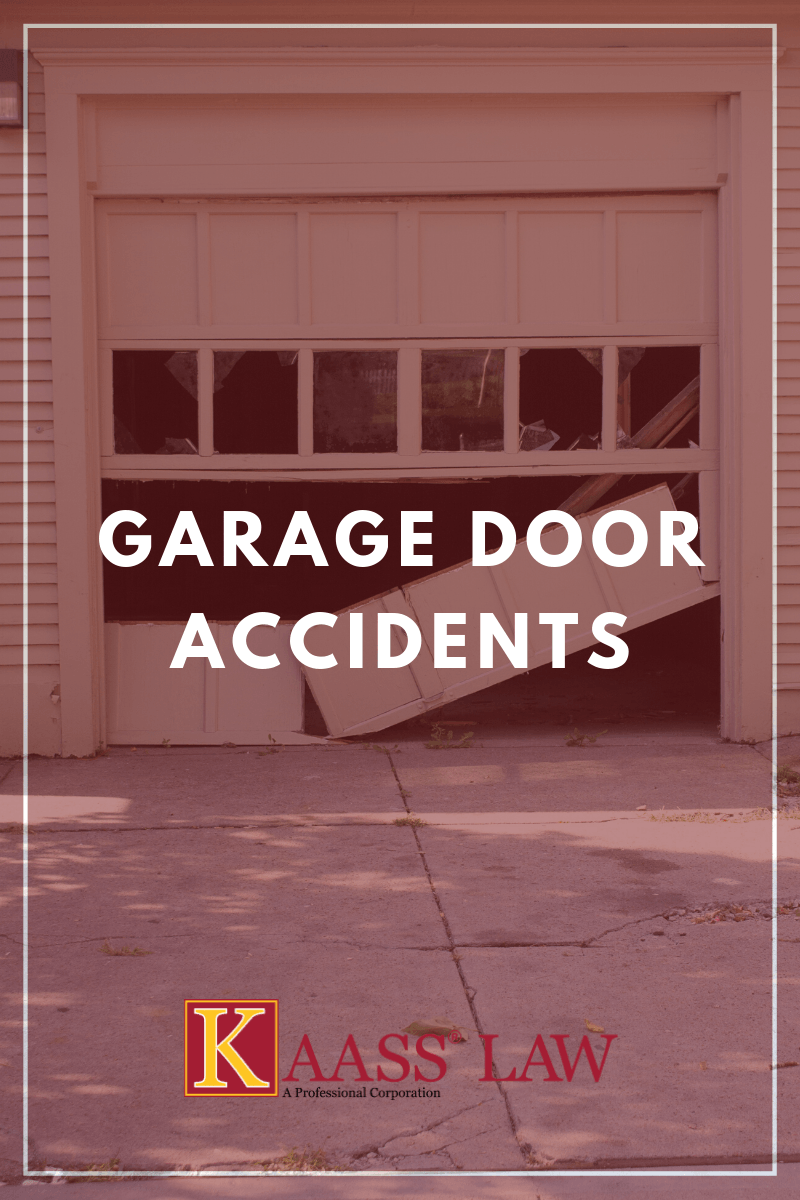
Garage door accidents are not uncommon but they can still occur due to poor installation and lack of maintenance. Whether the accident happens inside your own home, someone else’s home, or a public place, a garage door accident can be very serious. Some common garage door accidents include:
A garage door malfunctioning can cause any number of serious injuries, depending on the severity of the accident. Injuries that can be a cause by a garage door accident include:
The presence of one of these conditions does not automatically establish negligence. The circumstances surrounding the tree and what a reasonable property owner would have done are important considerations.
One significant issue in falling tree cases is whether a dangerous condition could have been discovered through reasonable care. California law does not necessarily require property owners to identify every hidden defect. However, property owners usually have an obligation to exercise reasonable care in keeping their premises reasonably safe, which may include regular inspections to discover unsafe conditions.
Liability often depends on whether the property owner had actual knowledge of the dangerous condition. California premises liability principles recognize that an owner may be responsible for an unsafe condition when the owner knew or, through reasonable care, should have known about the condition and failed to repair it, protect against the danger, or provide an adequate warning. Evidence showing how long deterioration existed can also become important in a tree accident claim.
Storms usually cause trees and branches to fall, but severe weather does not automatically eliminate the possibility of property owner responsibility. Sometimes a healthy tree can unexpectedly fall because of strong winds or poor weather conditions such as heavy rain. In other situations, a storm may reveal an existing problem such as decay, disease, weakened roots, or previously damaged branches.
California property owners usually have a duty to maintain their premises in a reasonably safe condition. A property owner is not automatically responsible for an accident just because a tree or branch falls. Instead, an important question is whether the owner knew or should have known that the tree was dangerous.
Tree hazards are especially concerning when branches extend over areas where people regularly walk, drive, park, or gather. A property owner may need to consider the possible risks beyond the location where the tree trunk stands. For example, an unstable branch hanging over a neighboring driveway or public walkway could potentially create a risk to people outside the owner's immediate property. Determining responsibility can become more complicated when trees are located near property boundaries, public rights-of-way, rental properties, or areas maintained by governmental entities.
Since trees may be removed quickly after an accident, preserving evidence can be especially important. Useful evidence may include, but is not limited to, the following.
In addition, weather reports may help establish the conditions at the time of the incident. In some cases, a qualified professional may evaluate whether decay, disease, root problems, structural defects, or heavy storms contributed to the damage. Medical records and photographs of injuries may also help document the nature and extent of harm when someone is physically injured.
Large trees and branches can produce heavy force when they fall. Depending on the circumstances, accidents may result in head injuries, fractures, spinal injuries, cuts, soft-tissue injuries, or other trauma. Falling trees may also damage vehicles, homes, fences, outdoor structures, and personal property. The type of claim and available damages will depend on the circumstances, including the nature of the injury or property damage, the evidence regarding responsibility, and applicable insurance coverage.
Victims should consider seeking legal guidance and support after a falling tree or branch accident. This may be beneficial, as these types of accidents may raise serious challenges and complications. A legal professional may be able to review your case, explain applicable laws, and preserve necessary pieces of evidence that may be used later on.
At KAASS LAW, we understand the challenges victims and their loved ones may face after a falling tree or branch accident. Oftentimes, victims are unaware of the necessary steps to take to work towards recovery after suffering injuries from these types of accidents. Our legal team at KAASS LAW can help you feel supported and cared for throughout the claims process and ensure you understand your rights moving forward. Call KAASS LAW today for a confidential consultation and to discuss your potential options.
Whether any specific condition violates applicable law or establishes liability requires an evaluation of the specific property, applicable codes, and facts surrounding the accident.
California's Swimming Pool Safety Act establishes drowning-prevention requirements for certain residential pools and spas. California Health and Safety Code Section 115922 usually requires at least two specified drowning-prevention safety features. Potential measures include qualifying enclosures, removable mesh fencing with a self-closing and self-latching gate, safety pool covers, exit alarms, certain self-closing and self-latching door devices, and qualifying pool alarms.
A pool gate is only useful as a safety barrier when it functions as planned. The following are common types of injuries that may occur after a swimming pool accident.
Potential responsibility depends on who controlled the property and who had responsibility for installing, inspecting, maintaining, or repairing the pool barrier. A property owner may potentially face liability if evidence shows that the owner knew or reasonably should have known about a dangerous condition and failed to take appropriate steps. In rental or commercial settings, landlords, property management companies, homeowners associations, maintenance companies, or other entities may also have responsibilities depending on their control over the premises.
Evidence can be especially important after a swimming pool accident because a defective gate may be repaired or replaced shortly afterward. Photographs or videos of the gate, latch, hinges, fence, and surrounding pool area may help document the condition that existed near the time of the incident. Surveillance footage may also provide information about whether the gate was closing properly or how the child entered the pool area. Other potentially relevant evidence may include, but is not limited to, the following.
Medical records may document the nature and extent of the child's injuries and treatment.
When another party is legally responsible for a child's injuries, California law may permit recovery of certain damages depending on the facts and applicable law. Potential damages may relate to the following.
Cases involving significant neurological or physical injuries may also require evaluation of anticipated long-term care. The type and amount of damages available depend on the evidence and circumstances of the individual case. No particular outcome or amount of compensation can be predicted or guaranteed.
Legal guidance and support after you have faced a swimming pool gate failure accident is important in making sure you are aware of your rights throughout your personal injury case. A legal professional may be able to review the specific facts, speak to insurance companies on your behalf, and help you understand applicable laws.
The legal team at KAASS LAW is ready to help families understand the importance of swimming pool gates. When a swimming pool accident occurs due to a faulty gate or other unsafe property conditions, it may cause serious damage to children and their loved ones. Our qualified personal injury attorneys understand the challenges that may come after a swimming pool gate failure accident and want to help victims move forward. Call KAASS LAW today to discuss your potential options.
The government may be liable for your injuries if you trip, slip, or fall on land it owns or manages. In general, if the government was careless and that conduct resulted in your injury, you can seek compensation for your losses. If your injuries happened on a city-maintained or another sort of government-maintained sidewalk, you must go through a series of steps before ever discussing a settlement.
You must identify who is accountable for maintaining that section of the sidewalk if your injuries happened on public property (such as in a parking lot or in front of a store at a shopping center). The upkeep of outside property is the responsibility of many companies. However, in retail centers and strip malls, maintenance may fall within the purview of the entire property's owner. A detailed review of property records may be required to determine to whom a notice of claim should be delivered in order to obtain compensation.
The landowner may be responsible for your injuries if the walkway was on a private property. Every homeowner's insurance policy provides information on premises liability. In the event that a person is hurt on their property, they may have coverage to be utilized to reimburse the victim's losses. Contacting the homeowner's insurance provider to submit a claim is necessary before the settlement process can start.
The following are among the most considered as a crucial factor for sidewalk collisions:
Companies, governments, and homeowners that are in charge of maintaining sidewalks should ensure that they are safe for pedestrians. This involves correcting risks as soon as possible and providing warnings of hazards as needed.
Whatever caused your fall, you might sustain a variety of injuries. When you trip or slide suddenly and fall on the rough concrete of a sidewalk, everything is conceivable, from shattered bones and fractures to concussions and severe brain damage. The following are the most common injuries that occur when someone has a trip, slip or fall injury on a sidewalk:
You don't have to pay medical fees and any associated damages as a result of someone else's negligence.
Contact a Los Angeles Attorney today for a consultation on your case. Premises liability is one of our many practices. Our devoted personal injury attorneys at Kaass Law have expertise managing challenging premises liability matters. Without legal knowledge, we are aware that pursuing financial recompense for your injuries from an aggressive insurance provider or a property owner can be stressful. So that you can concentrate on what's most crucial—your recovery—let us pursue the money you're entitled. Please dial 310.943.1171 to speak to our specialized attorneys.
In a premises liability case, determining who is at fault is difficult. In order to win a premises liability claim, an injured person must show that he or she was hurt as a result of the property owner's or manager's negligence. An injured person must show that the following are true:
As previously stated, all property owners have a responsibility to maintain their premises in a reasonable manner. A property owner's duty of care entails any activities that a reasonable property owner would take or should have taken in identical circumstances. It's also crucial to realize that a property owner's duty of care varies based on who is on the premises. There are also cases where an injured person's negligence contributed to the accident's cause. In such circumstances, the property owner and the injured individual may share liability.
Any person or company that owns, leases, occupies, or controls the property where the accident occurred can normally bring a premises liability claim for damages against any person or company that owns, leases, occupies, or controls the property where the accident occurred. By acquiring premises liability insurance or delegating the critical responsibility of keeping their property in safe shape, property owners or managers cannot totally protect themselves from liability. Even if they outsource maintenance responsibilities to an employee or hire an independent party who is later deemed negligent, a property owner or management is always liable for the safety of their premises. In conclusion, whenever a dangerous condition causes to injuries, the property owner or manager may be held liable for the resulting damages.
If you or someone you know has been injured as a result of premises liability, please contact KAASS Law at 310.943.1171. Feel free to speak to one of our representatives about booking a consultation with our attorney.
As you may imagine, many factors can come into play in slip and fall cases. The most important factors tend to be those that we can link to what may have caused the slip and fall to recover damages. Some examples of these factors and causes are:
According to California law, people owe a duty of care to protect those who enter their property from harm. Duty of care applies to anyone who owns, leases, occupy or controls the property. However, it does not just apply to individuals; parent companies or insurers may also be liable to pay damages to people injured in slip and fall accidents in California.
Let’s explore a possible slip and fall scenario: Stephanie is out with her friends at a club, and she slips on someone’s spilled drink, injuring her head. This is a situation where there may be several possible liable parties, such as the promoter, the club owner, the parent company, the party’s insurers, and maybe even the club’s or promoter’s staff. As such, we can take many possible avenues in determining who is liable for a slip and fall injury, depending on the context of the situation.
You need to know the four things that have to be established to prove that negligence led to your injuries in the slip and fall case. These four things are important to establish if you wish to recover damages:
Once these four get established, we are well on our way to recovering damages for your slip and fall case. You are entitled to recover all compensatory damages that resulted from their negligence. Compensatory damages include:
We can recover punitive damages for a slip and fall case if the defendant’s recklessness led to severe injuries or death or if the defendant deliberately destroyed evidence of their liability.
Although an injured party may be eligible to recover damages, there is a statute of limitation ("SOL") to bring a slip and fall lawsuit. In California, the statute of limitations for slip and fall cases is two years from the accident date.
Many injured wonder what they must do to prepare for a slip and fall claim? The key is to show that the fall was the result of negligence. To prove that a third party was negligent, an injured party must collect evidence. Such evidence can include:
If you or a loved one has been injured in a slip and fall accident in California, don't navigate the legal complexities alone. The experienced personal injury attorneys at KAASS LAW are here to help. We offer a free, no-obligation consultation to discuss your case and explain your rights. Contact our office today to take the first step towards justice and recovery. Let us help you navigate the treacherous terrain and fight for the compensation you deserve.
If someone suffers an injury in a horse-riding accident, they can seek compensation for the following:
The statute of limitation for filing a civil lawsuit in a horse-riding accident is 2 years.
If you or a loved one has been injured in a horse-riding accident, we invite you to contact KAASS LAW at (310) 943-1171 for a free consultation and case review.
In some cases, the determination of liability may depend on the specific relationship between the parties involved in the incident. For example, if an injury occurs during a paid horseback riding lesson, the instructor has a duty to ensure the safety of the client. Failure to fulfill this duty may result in the company being held liable for negligence. In addition, a signed waiver of liability does not always exempt the defendant from legal consequences. In California, courts look at the circumstances of the case. Especially if the defendant's conduct goes beyond ordinary negligence and approaches gross negligence. Therefore, with a signed waiver, an injured person can still file a lawsuit.
To successfully bring a negligence claim, four key elements must be proven:
In the case of horseback riding, such duties may include:
It is important to gather evidence as soon as possible after an accident. Such as:
You may also need the opinion of equine or veterinary experts. To confirm that there is a defect in the equipment or that the animal is unfit for use.
In addition to economic losses, the injured party is entitled to compensation for:
The court may consider the severity of the injuries, the length of recovery, and the impact on personal activities.
If you have been injured in an equestrian accident, it is important to consult with an attorney as soon as possible. Contact KAASS LAW at 844-522-7752 for a free consultation. We will analyze the details of your case and explain your legal rights and options.
The contractors/builders' liability generally attaches if the deck or balcony was not constructed in a manner required under regulations and existing standards. If you are injured on the property belong to a third party, you can sue the:
Particularly, to sue the defendant for the injuries sustained due to a balcony or deck collapse, the injured party must prove that:
As mentioned, sometimes the party, who is liable, is the building contractor. The liability of the building contractor is hard to prove but it is still possible by engaging professional experts in your case by bringing expert reports or using their statements as evidence.
In order the prove that the property owner knew or should have know about the defective condition of the balcony or deck, the plaintiff can provide evidence showing the negligence of the property owner in the following ways:
A plaintiff may seek compensation arising out of a injury sustained due a collapse of a balcony or deck. Examples of such compensation may include the following:
In the event a death occurred due to a balcony or deck collapse, a party may file a lawsuit to seek compensation for a family member by filing a wrongful death lawsuit.
If you or a loved one has been injured in a balcony or deck collapse, we invite you to contact our Los Angeles Personal Injury attorney at (310) 943-1171 for a free consultation and case review. Our attorneys will evaluate the details of your case and advise you on what to expect and how you can proceed.
If the stairs haven't met the requirements and the injury results from defective stair surfaces or rails, the manufacturer or seller is liable for the defects and injuries under product liability laws. In other words, under such laws, the liability arises for anyone, who:
In order for liability to attach on a stairway manufacture, designer, seller, distributor or contractor the Plaintiff must prove the following elements:
Often times, it can be more problematic to recover damages from an employee of a company, rather than the construction company itself. However, the corresponding legal regulations provide the possibility to recover damages from the employers for negligence of the employees, because the employer shall be vicariously liable for such actions. It is just essential to prove that the negligent employee while constructing the stairs, was acting within the scope of his employment.
Can a property owner be liable for the damages to the victim? Yes, a property owner has a duty of care for keeping the property in a safe condition. Duty of care is shown by either fixing the issues with the stairway or at least warning the persons about the problems. Thus, if such actions have not been conducted and as a result, an accident took place, the property owner will be held liable for compensating the damages. Generally, the owner's insurance policy covers such compensation. However, if the policy is insufficient, the owner must pay "from their own pockets." The following factors are often taken into account for determining the owner's liability:
A injured party in a stairway slip and fall accident has a number of remedies. The injured party can receive compensation for the following expenses:
Of course, often times, the insurance company will try to blame you for the occurred accident for at least sharing the expenses and not compensating you the whole amount. As such, collecting valuable evidence such as photos or videos of the stairway, details of witnesses of your stairway accident, your medical record of treatment after the accident is very essential. Getting professional legal assistance will help you to efficiently plan your steps for getting the compensation.
If you or your loved one had a stairway accident, contact our Los Angeles premises liability attorneys today. KAASS LAW (310) 943-1171 for a free constellation and case review.
To figure out who is liable in a garage door accident, it is crucial to know what caused the accident or any malfunction of the garage door. Among those that can be a consideration in a liable party include:
If you file a lawsuit after a garage door accident injury, then compensations are applicable for damages or losses due to the accident. For instance, these include both economic and non-economic damages, including:
To file a lawsuit for a garage door accident, a plaintiff must prove that the injury occurred as a result of:
In such cases, both negligence and strict liability may apply. If improper installation caused the accident, the property owner may face liability.
Under California law, property owners have a duty to maintain their property in a safe condition. This includes ensuring that garage doors are in working and safe condition. If an owner was aware of a defective gate and failed to repair it, he or she may be found guilty of negligence. Liability can also arise if the victim was on the property with permission. For example, as a guest.
In cases where the accident was caused by a defect in the design or mechanism of a garage door, the manufacturer or seller may be held liable. California law provides for strict liability for defective products. This means that a plaintiff does not have to prove that the manufacturer was negligent. He or she need only prove the existence of the defect and the causal connection between the defect and the injury. In addition, distributors and retailers may also be liable under certain circumstances.
To increase the chances of a successful case, it is important to gather and preserve as much evidence as possible. This includes:
The more complete the information provided, the greater the likelihood of a successful claim.
The statute of limitations under California law should be considered. Typically, an injured person has two years from the date of injury to file a personal injury lawsuit. If the product has a defect, the time frame may change. Missing the statute of limitations may result in the loss of your right to recover damages, so it is important to act in a timely manner.
Because garage door injury cases can involve multiple sides of a cause of action, legal assistance is crucial. The attorneys at KAASS LAW are experienced in handling these types of cases and will help determine the best strategy to protect the injured party's interests.
If you or a loved one have been injured in a garage door accident, we invite you to contact our office at (310) 943-1171 for a free consultation with a Los Angeles garage door personal injury lawyer. Our attorneys will help you determine the liable party and proceed accordingly.