
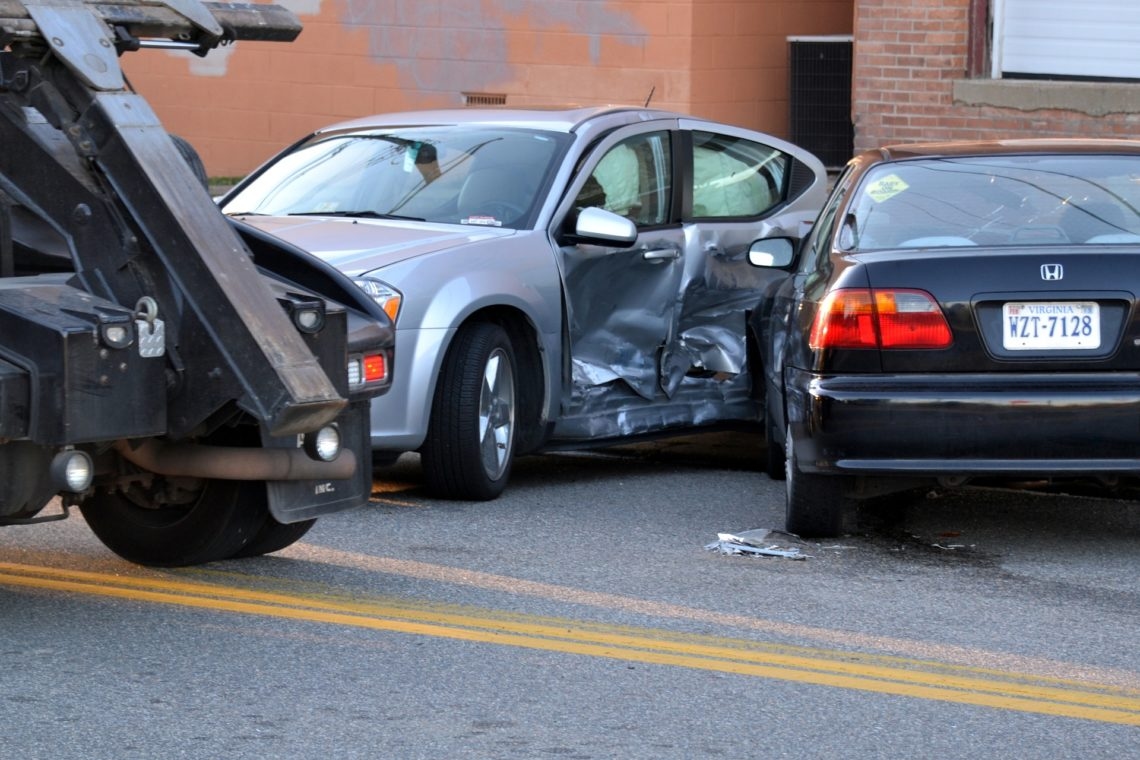
First thing first, Be Cool and organize your thoughts. If you were injured in a automobile accident in Los Angeles, California, you may have the right to file a personal injury claim for monies against negligent parties. If you are hurt, you Must ERTH.
E - Evidence Gather as much evidence as possible from the scene of the accident. People love pictures. Use that great camera on that expense cell phone and knock yourself out. R - Record Document, record, and note all financial and medical injuries and losses. Good idea to keep an ongoing journal log of the injuries and affects. Pain, Fatigue tenderness or any type of inconvenience or loss is fair game. Your medical records are extremely important, make sure to keep records of any and all visits to medical providers including hospitals and medical care professionals. Your employment records are very important as well. Make sure to note how much time, money, and opportunity you have lost as a result. T - TIME! Time is of the essence. Follow proper timely procedure to ensure the success and preservation of your injury claim. This can include but not limited to, seeking timely medical attention and filing a timely claim. Statutory time limitations exist for different types of personal injury claims. For example, a personal injury claim against a Government Entity must be formally filed within six (6) months from the date of injury; otherwise, your claim is lost. This is tricky, read our #MUST662 blog for more info here. H - Help Get professional assistance for god’s sake. We do not pull our own teeth anymore so don’t make this more painful than it is. Time and time again, clients trying to sort through the technicalities often face the ultimate consequence of losing their valued personal injury claim. Yes, you are right, this is a biased opinion coming from us. Thus, even if you do not contact our firm, make sure to get a free consult with a experienced personal injury lawyer beforehand. Most of the time these cases are on a contingency fee and the lawyer(s) only make money if they win. The amount of value that an experienced personal injury law firms will add to your case, by no reservation, outweighs the portion of the recovery that will be paid. Hire a dedicated Glendale personal injury attorney that will aim for getting you get the highest possible settlement for your case. Yes, you can call our auto accident attorney in Glendale, CA, at (310) 943-1171 if you have any further questions or to comment on how great this blog was.

The Rev 973 LLC v. John Mouren-Laurens, et al case (Case Number: 2:98-cv-10690-DSF-EX) involves environmental litigation concerning two major sites: the Mouren-Laurens Site (ML Site) and the Leach Oil Site. These sites are accused of causing significant environmental contamination. Rev 973 LLC, along with the ML Site and the Leach Oil Site, are the main parties in this lawsuit. However, the case also includes thousands of potentially responsible parties (PRPs), who play a significant role in the legal proceedings under the Comprehensive Environmental Response, Compensation, and Liability Act of 1980 (CERCLA). This law holds various parties accountable for the cleanup of hazardous waste. In this article, we will explore the lawsuit, the role of PRPs in environmental litigation, and how CERCLA defines and holds them responsible.
The Rev 973 lawsuit claims that the ML Site and Leach Oil Site improperly handled, disposed of, or released hazardous substances. As a result, widespread environmental damage occurred. While the primary goal is to address the contamination, thousands of PRPs are also involved. These PRPs, in accordance with CERCLA, may share legal responsibility for the cleanup.

In California, a Motion to Quash Service of Summons allows a defendant to challenge improper service and contest the court's personal jurisdiction. This motion argues that the Plaintiff did not serve the Summons and Complaint correctly, and as a result, the court lacks authority over the defendant. Understanding how this motion works and its potential consequences is crucial if you’re involved in a lawsuit.
A Motion to Quash contests the method of service of legal documents. California’s Code of Civil Procedure Section 418.10 governs this motion. Defendants use it when they believe the service of process does not meet legal standards. After a defendant files this motion, the plaintiff must prove that the service was proper. Until the plaintiff provides evidence, the defendant has no obligation to respond to the complaint. The Bolkiah v. Superior Court (1999) case illustrates this. It established that defendants are not required to respond until the plaintiff proves that service was valid. However, this strategy carries risks. Even if the service is faulty, failing to act may lead to a .

Ride-Sharing services in California could be revolutionized by a new Senate bill introducing stricter insurance requirements. Learn how these changes may impact Uber, Lyft, and other ride-sharing companies.
Under Assemblywoman Bonilla’s proposed legislation, every ride-share driver would be required to obtain $750,000 in commercial liability insurance just for being logged into the app and driving around. Additionally, when a driver picks up a passenger through a ride-sharing service, they would need to have $1 million in coverage. This proposal aims to ensure that drivers are fully insured during all phases of their ride-share activity.
The implementation of these insurance requirements could lead to a sharp increase in operational costs for ride-sharing companies. The added expense of such comprehensive insurance could force many drivers to reconsider their involvement with platforms like Uber and Lyft. For smaller companies or those with tight margins, these costs might even threaten their ability to remain in business. The ride-sharing industry, which relies heavily on its current model of relatively low operational costs, may struggle to absorb these new financial burdens. Critics argue that the increased costs could lead to higher fares for consumers, reduced earnings for drivers, and a potential decrease in the overall availability of ride-sharing services.
Have you ever had your phone stolen by a thief? Currently, cell phone theft accounts for more than half of all crimes committed in California.
California senator, Mark Leno, wants to solve this issue. His bill would require adding a “kill switch” to all smartphones sold in California. This “kill switch” would render the stolen phone inoperable, making it difficult to be sold in the black-market. Leno’s bill passed in the Senate on August 11, 2014.
The bill will now go to Governor Jerry Brown for his signature. If signed, all smartphones sold in California, beginning in July 2015, will have to feature the “kill switch” function.

Fair Isaac Corp. (FICO) is changing how it calculates credit scores by revising its current credit-scoring system. The revisions could save U.S. Consumers billions of dollars when borrowing for mortgages or auto loans.
The two main criteria being closely examined are overdue medical bills and payments sent to collection agencies. In the past, situations like these could easily affect someone's credit score, quickly putting them in a "lower tier" for borrowing. Now, the revision plans to look closer at these two situations and reduce the negative impact on consumers' credit scores.
Low credit scores result from overdue medical bills and payments sent to collections. Still, if the only criteria lenders are looking at is that credit score number, many consumers will be denied mortgage or auto loans. Even if consumers have paid off these bills, they will still see an impact on their credit scores. With the new criteria set by FICO, lenders will now examine those transactions, looking beyond the actual credit score number and more into whether they have met their obligations.
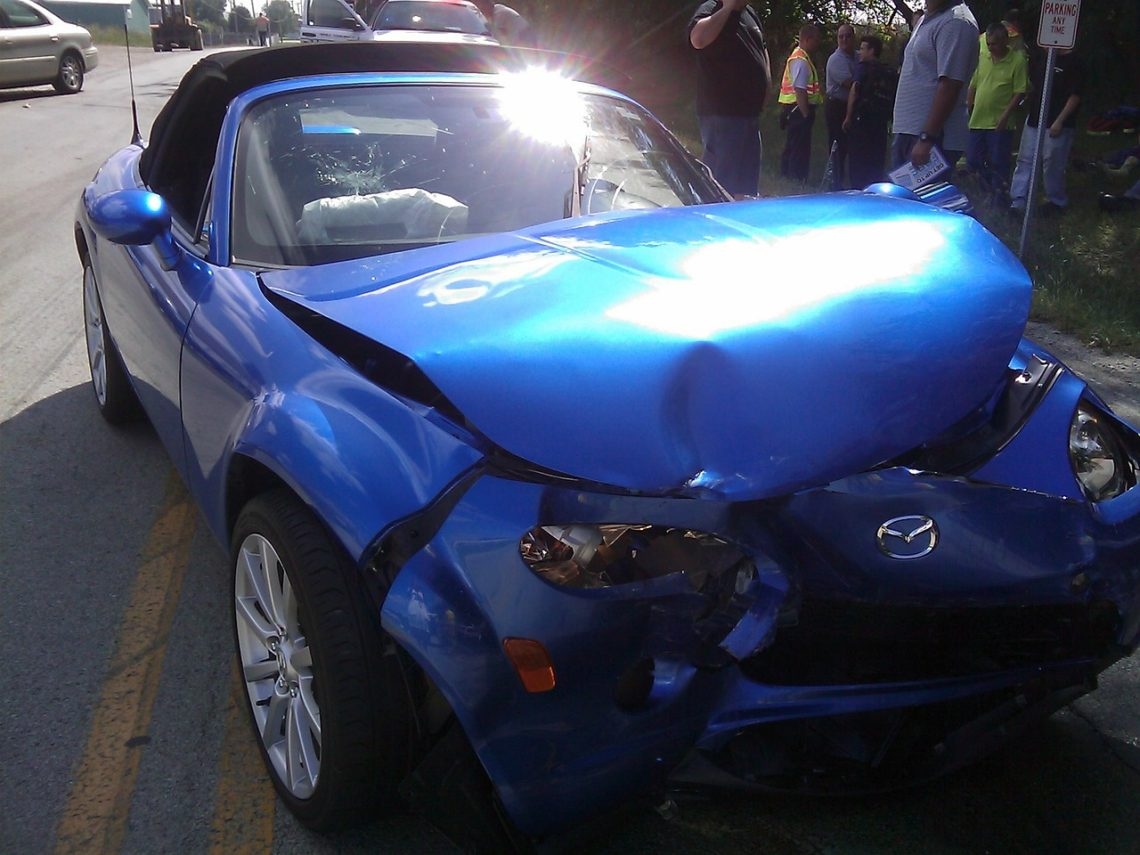
These are 5 things NOT to do after an auto accident. Automobile accidents are no fun. Everything from dealing with insurance companies to recovering from injuries can be stressful. Although they can be a pain in the neck, auto accidents are inevitable. Knowing what to do after an accident can help minimize the stress. However, it is also crucial to know what NOT to do.
It is important to exchange information with all the parties involved. Leaving the scene will result in unneeded stress and can get you in trouble with the authorities.
Accidents happen, and there is no need to get overly upset about them. Doing so not only stresses you out at the moment but can also contribute to future stress. When people get upset, they tend to say or do things they do not mean subconsciously. Something as simple as saying, “I’m so sorry, that was my bad,” or “Sorry, I was not paying attention,” can hurt your case and possibly make you liable for the accident.
Many people use UberX, a transportation service, to help them get around town. It is much cheaper than a traditional taxi and the cars tend to be nicer too.
What happens though if the driver is negligent and gets into an accident while on transporting a passenger? Even more interesting, what happens if the Uber driver gets into an accident without transporting a Uber passenger? Does Uber or Lyft provide insurance coverage for drivers injured due to a car accident? Does Uber driver's personal insurance policy cover the accident? Can injured passengers sue Uber/Lyft or their drivers? These are just a few questions many Uber, Lyft, and other TNC users are concerned about when involved in an accident while using these popular ride-sharing services.
On New Year’s Eve, a six-year-old girl was struck and killed by an UberX driver in San Francisco. The family sued Uber for wrongful death, but Uber denied liability. Since there were no passengers in the vehicle, the driver was not on duty and was not covered by Uber’s insurance. The family argued that since the driver was logged into the Uber app, he was on the job. At that time, Uber had very strict provisions as to what they are liable for. They only claimed liability between the times that a driver was requested and the fare was paid. This means that if a driver is driving around looking for a fare, they are not considered to be on the job; therefore, the driver will not be covered by.

Many tribal casinos have active insurance policies and have waived their immunity. In these situations, the liability insurer would pay monetary damages. However, it's important to note that Tribal/Indian lands are sovereign entities. Tribal/Indian laws must adjudicate all businesses within their jurisdiction. In summary, the businesses that operate solely on Tribal/Indian lands are not subject to many U.S. laws. Like any other sovereign nation, the Tribes have a right to self-governance.
Due to Tribal/Indian sovereign immunity, it is very difficult to pursue a legal matter against tribal Casinos.
Tribal casinos may be sued in U.S. courts if they willingly waive their immunity. In short, someone must obtain the Tribes' consent to sue them. It seems clear how undesirable it would be to do so. Yet some, like the Navajo, have done so in the past. Some of these tribal casinos have insurance and have waived their immunity in cases where their liability insurer would pay monetary damages. Many tribes have insurance but do not consent to waive their sovereign immunity. Usually, these tribes offer a minimum value for the only to make it disappear.
Our Personal Injury Attorneys and Accident Attorneys are notable USC and UCLA alumni encompassing some of the most highly skilled, aggressive, and experienced Personal Injury Litigation Attorneys. KAASS Law fights tooth and nail in order to help our clients' recover and secure a fair settlement or we go to trial. Call KAASS LAW for a free personal injury or accident consultation.
When you have been injured because of the negligence or wrongful conduct of another, the law allows you to recover for the damages done to you, including medical expenses, lost wages, and pain and suffering. Unfortunately, the burden is on you to prove every aspect of your case, while fending off the excuses and blame tactics thrown at you from the insurance company lawyers. Our personal injury and accident lawyers service the Los Angeles, Glendale, San Fernando Valley, and San Bernardino County.
As experienced litigators, we have successfully litigated various personal injury cases. KAASS Law understands the mastery it takes to successfully receive fair settlements during the claims stage of a or . Our personal injury attorneys possess the skills and abilities necessary to negotiate a If we are unable to receive a fair settlement offer during the claims stage with the insurance companies, we take it to trial and securea . Our Personal Injury and Accident Attorneys are experienced litigators and handle legal matters such as:
CERCLA—also known as the Superfund law—is a federal law that Congress passed in 1980. Its purpose is to provide a legal framework for cleaning up hazardous waste sites and making responsible parties cover the costs. Under this law, the Environmental Protection Agency (EPA) can take action to address contamination. Moreover, CERCLA allows federal agencies, states, and Native American tribes to recover damages caused by the release of hazardous substances. Consequently, it empowers communities to protect public health and the environment.
CERCLA provides for two types of responses to contamination:
Short-term removal actions address immediate threats to public health or the environment. These removals are classified based on urgency:
For example, if hazardous chemicals spill into a community, an emergency removal would quickly contain the threat and protect public health.
Long-term remedial actions aim to permanently reduce risks from hazardous substances. These actions typically focus on sites listed on the EPA’s National Priorities List (NPL), which highlights the most contaminated locations. Remedial actions include:
These actions often require more time but lead to a significant reduction in environmental risks.
CERCLA defines Potentially Responsible Parties (PRPs) as individuals or entities that may be liable for contamination. Under this law, PRPs are divided into four categories:
In the Rev 973 v. Mouren-Laurens case, PRPs play a crucial role. Thousands of PRPs may have contributed to contamination at the ML Site or Leach Oil Site. CERCLA holds these parties liable for cleanup costs, even if they did not intentionally or negligently cause the contamination. Additionally, PRPs often face joint and several liability, meaning a single PRP can be held responsible for the entire cleanup cost, regardless of their level of involvement.
If you or your business has been identified as a PRP in an environmental lawsuit like the Rev 973 v. Mouren-Laurens case, it is crucial to seek legal guidance. Environmental litigation can be complex, and the financial stakes are high. At Kaass Law, we have experienced attorneys who can help you navigate the legal process, represent your interests in court, and protect your business from excessive liability. Contact us today to discuss your case and explore your legal options.
Failure to respond, even to a defective Summons and Complaint, can result in a Default Judgment. If the court rules in favor of the plaintiff, it may allow them to collect the judgment. This could include actions to seize assets, causing significant harm to the defendant. Therefore, even when questioning service validity, it’s crucial to take action and respond in some way.
If you were served with a Summons and Complaint in a defective manner, filing a Motion to Quash can protect you from the court’s jurisdiction. This motion is considered a special appearance, meaning it contests service but does not submit to the court’s authority. Defendants submit to jurisdiction only when they file a general appearance, such as answering the complaint or filing a demurrer.
To file a successful Motion to Quash, you must follow specific steps:
Several common issues can lead to a successful Motion to Quash, including:
Challenging service isn't always straightforward. For example, if the defendant was properly served but failed to respond, they could waive their right to contest the service. This makes timing critical. Even if the court grants a Motion to Quash, the plaintiff might be allowed to re-serve the defendant correctly. If this happens, the defendant must respond within the new timeline.
Under California Section 430.41, any party filing a demurrer must first attempt a "meet and confer" process. This process requires parties to discuss the objections to the complaint and try to resolve them without court intervention. If the defendant and plaintiff cannot resolve the issue, the defendant must file a declaration stating that the "meet and confer" attempt took place. This step may apply when challenging a pleading in addition to or after filing a Motion to Quash.
Filing a Motion to Quash Service of Summons is a powerful tool if you believe you were served improperly. However, it comes with risks. You must respond to the complaint, even if you question the service. Failing to do so could result in a Default Judgment. Always seek legal advice from an experienced attorney to ensure the best outcome. If you need assistance with filing a Motion to Quash Service of Summons, contact us at KAASS LAW. Our skilled attorneys can help you navigate this process and protect your rights. Don’t wait—take action today!
The proposed bill aims to reshape the ride-sharing business model, which currently blurs the lines between personal and commercial use. Many drivers use ride-share apps as a supplementary income source while continuing their regular personal activities. The legislation seeks to address this overlap by imposing stricter insurance requirements that more closely align with commercial use. This shift is designed to create a clearer distinction between personal and business use of vehicles. By enforcing commercial insurance requirements, the bill aims to ensure that drivers who use their vehicles primarily for ride-sharing are adequately covered for the risks associated with providing these services.
The proposed legislation reflects a broader trend of increased regulation in the transportation sector. Traditional forms of public transportation, such as taxis, buses, and trains, have long been subject to rigorous insurance and liability standards. Historically, taxi drivers have had to carry substantial commercial insurance to cover their operations. In contrast, ride-share drivers have not been subject to the same level of insurance requirements. This discrepancy has led to concerns that ride-sharing companies enjoy an unfair advantage. The introduction of Bonilla’s bill aims to level the playing field by ensuring that ride-share drivers meet similar insurance standards.
Current insurance coverage for ride-share drivers often fails to fully address the complexities of commercial use. Personal auto insurance policies typically do not cover the range of liabilities that can arise from operating a vehicle as part of a ride-sharing service. This gap leaves drivers exposed to potential financial risks and liabilities. Uber and Lyft argue that the proposed insurance requirements do not account for the existing coverage provided by their platforms. They believe the new regulations could impose significant financial strain on drivers and make their services less affordable. They also warn that increased costs might lead to fewer drivers on the platforms, reducing ride-sharing options for consumers. Industry Reactions and Future Outlook The industry has responded strongly to the proposed legislation, expressing concerns about its potential impact. Uber has warned that the new insurance requirements could dramatically affect their business model. ("California lawmakers propose new insurance requirements for ride-sharing companies like Uber and Lyft"). This placement provides readers with an authoritative source for further information while aligning with the blog's discussion of the industry's reaction.
The proposed insurance requirements in Assemblywoman Susan Bonilla’s bill could bring major changes to the ride-sharing industry in California. While the intent is to enhance coverage and protection for drivers and passengers, the potential financial impact on businesses and drivers could be significant. As the Senate deliberates, stakeholders should stay informed about these developments. Understanding how this legislation might affect the ride-sharing industry is crucial for drivers, consumers, and industry observers alike. For expert guidance on how this legislation might affect you or your business, contact KAASS LAW. Our experienced attorneys are here to provide insights and support tailored to your needs. Don’t wait—reach out today to ensure you're prepared for any legal changes ahead.
This new, comprehensive method of analyzing consumer credit reports will make borrowing easier for consumers. Their scores could improve by about 25 points. While this revision will enhance the position of those with previously poor credit scores, it does not guarantee approval. Instead, it will influence the terms of the approval.
This revision to the nation's dominant credit report system may improve the borrowing position of millions of U.S. consumers. Although it will be very beneficial, it may take a while for lenders to transition to this system. In addition to these changes, FICO's revision will prioritize more recent financial behaviors. For example, if a consumer has financial troubles but has since established a consistent pattern of paying bills on time, that positive behavior will carry more weight. This shift reflects a more realistic understanding of financial hardships and recovery, giving consumers a fairer opportunity to prove their creditworthiness over time. This shift also underscores the importance of financial literacy in navigating the evolving credit system. By understanding how factors like medical debt and payment history are now assessed, individuals can make more informed decisions about their finances.
While these updates are encouraging, consumers should remain mindful of their credit health. Maintaining good financial habits, such as paying off debts and low credit utilization, remains essential. As FICO implements these new criteria, it's important to remember that every lender has its unique approach to assessing creditworthiness. However, these revisions mark a significant step towards a more compassionate and accurate credit scoring system.
We intend this content for educational purposes only.
Our lawyers at KAASS LAW, located in Glendale, Los Angeles, California, practice law exclusively in California.
Having the police present to take a report helps ensure you receive all the information you need.
You may not experience pain at the moment, but oftentimes, pain may gradually appear after some time. Seeing a doctor can help ensure that you will not suffer from pain in the future.
It is important to consult your attorney before stating the accident. An experienced attorney can help ensure you are not wrongfully blamed for an accident for which you were not liable.
Car accidents can result in a wide range of injuries, varying from minor cuts and bruises to more severe, life-altering conditions. The type and severity of injuries often depend on factors such as the speed of the vehicles involved, the use of seatbelts, the point of impact, and the overall health of the individuals involved. Understanding the common types of car accident injuries can help you recognize the importance of seeking prompt medical attention and ensure you take the necessary steps for recovery. Here are some of the most common injuries people sustain in car accidents:
Whiplash is one of the most frequent injuries in car accidents, especially in rear-end collisions. It occurs when the head and neck are suddenly jolted forward and then snapped back, causing strain or damage to the soft tissues, including muscles, ligaments, and tendons in the neck. Symptoms of whiplash may include neck pain, stiffness, headaches, and dizziness, and they can sometimes take hours or even days to manifest fully.
Traumatic Brain Injuries can occur when the head strikes an object, such as the steering wheel, dashboard, or window, or from a violent jolt that causes the brain to collide with the skull. TBIs range from mild concussions to severe brain damage that can result in long-term cognitive, physical, and emotional impairments. Symptoms may include headaches, confusion, memory loss, dizziness, and changes in behavior or personality.
The impact of a car accident can easily result in broken bones, particularly in the arms, legs, ribs, and collarbone. The force exerted on the body during a collision can cause bones to fracture or break completely. Depending on their severity, these injuries may require immobilization, surgery, and extensive rehabilitation.
Spinal cord injuries are among the most serious outcomes of a car accident, potentially leading to partial or complete paralysis. Damage to the spinal cord can occur if the vertebrae are fractured or dislocated, compressing or severing the nerves that run through the spine. Immediate medical attention is crucial for anyone suspected of having a spinal cord injury, as prompt treatment can significantly impact the outcome.
Beyond whiplash, car accidents often result in other soft tissue injuries, such as sprains, strains, and contusions. These injuries involve the muscles, tendons, and ligaments and can lead to pain, swelling, bruising, and limited mobility. While they might not be as immediately apparent as more severe injuries, soft tissue injuries can cause chronic pain and require physical therapy for full recovery.
Internal injuries, including damage to organs such as the liver, spleen, or lungs, are often life-threatening and may not be immediately noticeable. The force of a collision can cause internal bleeding, organ rupture, or other critical conditions that require emergency medical intervention. Symptoms might include abdominal pain, dizziness, fainting, and shortness of breath.
Broken glass, metal, and other debris can cause cuts and lacerations during a car accident. While some cuts may be minor and only require basic first aid, others can be deep and necessitate stitches or more extensive medical treatment. Severe lacerations can also lead to scarring or infection if not properly cared for.
In March of this year, Uber announced that they would be changing their insurance coverage. They would now cover accidents as long as the Uber driver was at fault and logged into the Uber app, even if they were not transporting a passenger. Although this is a big step forward, there are still some provisions to be aware of. Uber’s insurance will only cover the accident if the driver’s personal insurance fails to do so. They will also only cover up to $100,000 in bodily injury and $25,000 in property damage.
UberX is a cheap way to get around town if you need transportation, but it is important to educate yourself on policies and provisions that may affect you. If you are an Uber passenger and are involved in a car accident, it is important to find an experienced personal injury attorney.
Make sure your rights are not violated! Don't settle for pursuing a court case without guidance. Our Glendale auto accident attorneys at KAASS LAW can provide you with any sort of legal assistance you require.
Tribes are also immune from other U.S. laws, including the Americans with Disabilities Act, Age Discrimination in Employment Act, and all other discrimination laws. Because of tribal immunity, any suit accusing a tribal business of discrimination under these laws will be thrown out of court.
Tribes have tribal courts. However, they do not provide the same level of protection and rights as one would get under the laws of the United States.
Second, authorities treat criminals on tribal lands a little differently. Unless we are dealing with a “major” crime, tribal courts have authority over all crimes committed in their jurisdiction. Thankfully, the “Major Crimes Act” states that any major felony on tribal lands is within the jurisdiction of the United States Federal Courts.
So next time you’re planning a trip to an Indian/Tribal Casino, remember to be careful and follow the laws of the sovereign state you are entering.
There are ways to go through the Tribal/Indian courts and maximize the case's value. You may do this by contacting an experienced attorney who has delivered such results. Contact your tribal personal injury lawyer to get more information.
This content serves educational purposes only. KAASS LAW's lawyers in Glendale, Los Angeles, CA, are authorized to practice law in California. We provide this information specifically for California residents. This content provides only general information, which may or may not reflect current legal developments. KAASS LAW expressly disclaims all liability for actions taken or not taken based on any of the contents of this website. The above content DOES NOT create an attorney-client relationship. KAASS LAW does not represent you unless you have expressly retained KAASS LAW in person at the KAASS LAW office.
KAASS LAW Personal Injury Attorneys help clients in Los Angeles, Burbank, Hollywood, Glendale, Van Nuys, North Hollywood, Studio City, Highland Park, Eagle Rock, Sunland, Tujunga, Sylmar, La Crescenta, La Canada, Beverly Hills, Westwood, Santa Monica, Brentwood. Pacoima, Montebello, Commerce, Alhambra, Downey, Bell, Maywood, Walnut Park, Vernon, Lynwood, Echo Park, Silverlake, Mission Hills, Northridge, North Hills, Porter Ranch, Chatsworth, Reseda, San Diego, La Jolla, El Cajon, Chula Visa, Del Mar
KAASS LAW locations: Glendale: 815 East Colorado Street, Suite 220, Glendale, CA 91205 Woodland Hills: 22021 West Erwin Street, Woodland Hills, CA 91367 San Bernardino: 570 West 4th Street Suite 300, San Bernardino, CA 92401