

Many people who consider filing a trademark application wonder what information or documents they need for submitting the application. Title 37 of the Code of Federal Regulations sets forth the requirements for a complete trademark or service mark application. Pursuant to this regulation, the application must be in English and shall include all of the following:
First of all, a trademark or service mark application shall include the name, the citizenship and the address of the applicant. 37 C.F.R § 2.32(a). It should be noted that only the owner of the mark can apply for the registration of the mark. 15 U.S.C. 1051(a). This is a statutory requirement and cannot be waived. Chien Ming Huang v. Tzu Wei Chen Food Co. Ltd. (Fed. Cir. 1988) 849 F.2d 1458, 1460. A license to use a trademark does not make the licensee an owner of the mark. Norden Restaurant Corp. v. Sons of Revolution in State of N.Y. (1980) 51 N.Y.2d 518, 522. Hence, even a licensee cannot file a trademark application.
To be considered complete, a trademark or service mark application shall include the drawing of the mark. 37 C.F.R § 2.32(c). The drawing is a clear depiction of the mark which shows how the registered mark will look like. The drawing can be (a) in standard characters without claim to any particular font style, size or color, or (b) a special form drawing when the mark includes a two or three dimensional design, or characters in a particular font style or size. If the mark is not in standard characters the application shall also include a description of the mark. Id. § 2.32(a)(8).
In the application for registration the applicant must identify the goods or services in connection to which the applicant uses or intends to use the mark. Id. § 2.32(a)(6). The application shall also state the international class of good or services, if known. Id. § 2.32(a)(6). It should be noted that the classification of goods and services is only for the United States Patent and Trademark Office administration and cannot prejudice the rights of the applicant. Mobil Oil Corp. v. Walter Kidde & Co. (T.T.A.B. 1970) 167 U.S.P.Q. 478. The list of the classes of goods and services can be found in the Section 6.1 of the Title 37 of the Code of Federal Regulations.
The application must include one or more bases for filing the application. 37 C.F.R § 2.32(a)(5). The application must be based on one of the following grounds: (a) Use in commerce, in which case the applicant must state that the mark is in use in commerce, must state the first date the mark was used anywhere in connection to goods or services, the first date of the use of the mark in commerce, and must attach one specimen showing how the applicant uses the mark in commerce; (b) Intent to use, in which case the applicant must verify that he has a bona fide intention to use the mark in commerce; (c) Registration of the mark in a foreign applicant’s country of origin, in which case the applicant must state that he has a bona fide intent to use the mark in commerce and must attach a copy of the registration of the mark in applicant’s home country; (d) Claim of priority based upon an earlier filed foreign application; (e) Extension of protection of an international registration. Id. § 2.34(a).
The application must include a verified statement. Id. § 2.32(b). The main purpose of the verified statement is to certify that the facts set forth in the application are true. The application shall be signed by the applicant or by someone who is properly authorized to sign on behalf of the applicant. The applicant shall also pay the filing fee for each class of goods and services. Id. § 2.32(d). The application fee varies depending on filing the application on paper or through Trademark Electronic Application System. A trademark application will be complete only if the United States Patent and Trademark Office receives all the items mentioned above. If you have questions regarding trademark applications or any other business law questions give us a call and receive a free consultation with one of our experienced Glendale business lawyers.
KAASS LAW is authorized to practice law in California. The above content is intended for California residents only. This content provides only general information which may or may not reflect current legal developments. KAASS LAW expressly disclaims all liability in respect to actions taken or not taken based on any of the contents of this website. The above content DOES NOT create an attorney-client relationship. KAASS LAW does not represent you unless you have expressly retained KAASS LAW in person at the KAASS LAW office.
KAASS LAW helps clients in: Los Angeles, Burbank, Hollywood, Glendale, Van Nuys, North Hollywood, Studio City, Highland Park, Eagle Rock, Sunland, Tujunga, Sylmar, San Bernardino, La Crescenta, La Canada, Beverly Hills, Westwood, Santa Monica, Brentwood. Pacoima, Montebello, Commerce, Alhambra, Downey, Bell, Maywood, Walnut Park, Vernon, Lynwood, Echo Park, Silverlake, Mission Hills, Northridge, Woodland Hills, Encino, Canoga Park, North Hills, Porter Ranch, Chatsworth, Reseda.
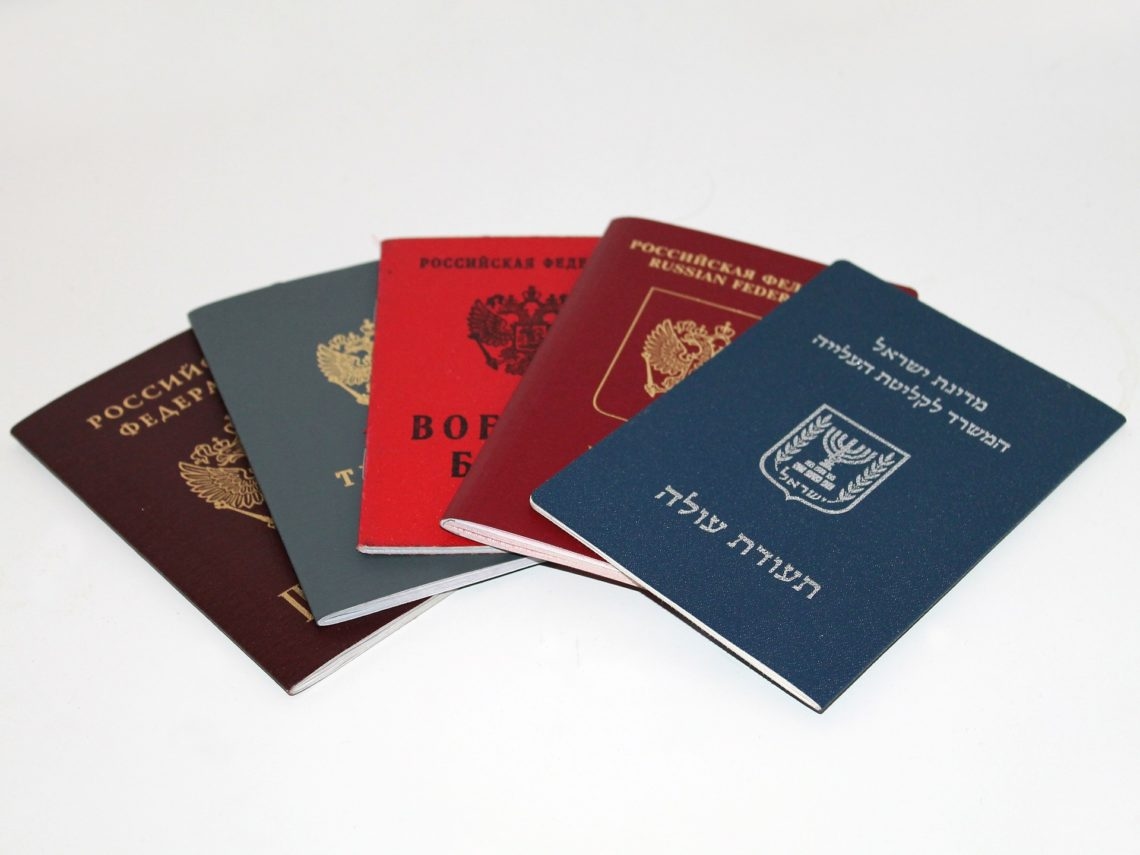
Pursuant to the Immigration and Nationality Act, the spouses of US citizens and legal permanent residents are granted conditional residence if at the time of obtaining permanent residence their marriage is less than two years old. INA § 216(a)(1) and (h). The same rule applies to people who enter into the US on K-1 Fiancé Visa and obtain their green card after marrying a US citizen. Id. § 216(h)(1).
Within ninety days before the expiration of the two-year validity period of the conditional green card the conditional resident and his spouse must file a joint petition to remove the conditions on residence. However, in some cases the conditional resident and his spouse divorce before filing the joint petition to remove the conditions. Pursuant to the INA, the annulment or termination of a marriage before the removal of conditions on residence leads to the termination of the permanent resident status of the alien. .

If you are a US citizen and you are willing to get married to your foreign fiancé(e) in the US, K-1 fiancé(e) visa is probably the best option for you. The Immigration and Nationality Act gives an opportunity to US citizens to bring their alien fiancé(e)s to the US to get married and to obtain a green card for them. If you need assistance filing for K-1 petition for an alien fiancé visa, our Glendale immigration attorney can
The US citizen and his/her fiancé(e) must meet the following requirements for the K-1 Petition for Alien Fiancé(e):

Family members of US citizens and permanent residents are the primary source of immigration to US. US citizens and permanent residents can sponsor some of their foreign citizen family members for green card. When the foreign family member can obtain the green card depends on the status of the petitioner (whether he is a citizen or a permanent resident) and the family relationship between the petitioner and the family member.
So called immediate relatives of US citizens have the easiest route to immigrate to US. The category of immediate relatives includes spouses of US citizens, unmarried children under 21 of US citizens, and parents of US citizens who are 21 and older. The main advantage of being an immediate relative of a US citizen is that they are exempt from numerical quotas for the issuance of immigrant visas that apply to other family categories. The exemption means that immediate relatives, if they are otherwise admissible, will be admitted to US regardless the numerical limitations.

L-1 non-immigrant visa is for intracompany transferees who come to the United States to temporarily work for a U.S. company. If you are a foreign worker overseas, a U.S. company may qualify to transfer you with an L-1 visa, as an overseas employee, to the U.S. to work as a manager, executive, or specialized knowledge personnel.
“A manager generally refers to someone who supervises and controls the work of other supervisory, professional managerial employees. The L-1 visa classification also includes managers of an essential function within the organization or a department or subdivision of the organization.”
“An executive generally refers to someone who primarily directs the organization or a major component or function of the organization.”
“An individual with specialized knowledge is someone who possesses special knowledge, of the organization's product, service, research, equipment, techniques, management, or other interests and its application in international markets, or an advanced level of knowledge or expertise in the organization's processes and procedures.”

Under California Vehicle Code § 21801 (a) The driver of a vehicle intending to turn to the left or to complete a U-turn . . . shall yield the right-of-way to all vehicles approaching from the opposite direction which are close enough to constitute a hazard at any time during the turning movement, and shall continue to yield the right-of-way to the approaching vehicles until the left turn or U-turn can be made with reasonable safety. According to California Civil Jury Instructions (CACI) a “hazard” exists if: "any approaching vehicle is so near or is approaching so fast that a reasonably careful person would realize that there is a danger of a collision [or accident]." In other words, the driver who is attempting to make a left turn must ensure that no oncoming vehicles are close enough to be a hazard before he or she proceeds across each lane the driver of a vehicle will yield the right of way, until the turn may be made with reasonable safety.
Before we dive into determining fault in a left turn motorcycle collision, it is important to understand the term "Negligence", which is a term used to characterize conduct that creates an unreasonable risk of harm to others. In order to prove negligence you must prove:

California law allows consumers to bring bad faith tort action against their insurers for breaching the duty of good faith when refusing without proper cause to compensate its insured for a loss cover by the policy. Generally, every insurance policy has an implied obligation of good faith and fair dealing that neither the insurance company nor the insured will do anything to injure the right of the other party to receive the benefits of the agreement.
Insurance bad faith means to breach the implied obligation of good faith and fair dealing, an insurance company must, unreasonably or without proper cause, act or fail to act in a manner that deprives the insured of the benefits of the policy. It is not a mere failure to exercise reasonable care. However, it is not necessary for the insurer to intend to deprive the insured of the benefits of the policy.
Generally, the term bad faith for insurance purposes means an insurance company:

When a motorcyclist is injured due to another driver's negligence, the rider is entitled to seek compensation for not only their property damage and injuries, but are also entitled to seek loss of income, past and future medical expenses, pain, suffering, and other related expenses from the other drivers insurance company.
When a motorcyclist or motorcyclists passenger is killed in an motorcycle accident that was result of another parties fault or negligence the surviving heirs or relatives of the deceased party is entitled to pursue compensation for wrongful death. A civil lawsuit may be brought against the person that caused the death to recover monies.
There are a few things that should be noted that California law allows for two different types of lawsuits a and a suit brought based on a . Pursuant to Code of Civil Procedure § 377.60, a cause of of a person caused by the or may be asserted by any of the following persons or by the decedent’s personal representative on their behalf:

Under Penal Code 17(b) PC, felony reductions to misdemeanors are available if defendants
In California, you must satisfy both elements to reduce your felony conviction to a misdemeanor. Serving time in state prison after a conviction for a "wobbler" offense makes you ineligible for relief under Penal Code 17(b).
(a)A felony is a crime which is punishable with death or by imprisonment in the state prison. Every other crime or public offense is a misdemeanor except those offenses that are classified as infractions. (b)When a crime is punishable, in the discretion of the court, by imprisonment in the state prison or by fine or imprisonment in the county jail, it is a misdemeanor for all purposes under the following circumstances: (1)After a judgment imposing a punishment other than imprisonment in the state prison. (2)When the court, upon committing the defendant to the Youth Authority, designates the offense to be a misdemeanor. (3)When the court grants probation to a defendant without imposition of sentence and at the time of granting probation, or on application of the defendant or probation officer thereafter, the court declares the offense to be a misdemeanor. (4)The prosecuting attorney files a complaint in a misdemeanor court, stating the offense is a misdemeanor. If the defendant objects during arraignment or plea, the attorney amends the complaint to charge the felony, and the case proceeds on the felony charge. (5) If the magistrate decides the offense is a misdemeanor before the preliminary examination or before filing an order under Section 872, the court will treat the case as a misdemeanor complaint. (c) When the court commits a defendant to the Youth Authority for a crime punishable by imprisonment in the state prison or by fine or imprisonment in the county jail, the court deems the offense a misdemeanor for all purposes upon the defendant's discharge from the Youth Authority. (d)A violation of any code section listed in Section 19.8 is an infraction subject to the procedures described in Sections 19.6 and 19.7 when: (1)The prosecutor files a complaint charging the offense as an infraction unless the defendant, at the time he or she is arraigned, after being informed of his or her rights, elects to have the case proceed as a misdemeanor, or; (2)The defendant consents, and the court determines that the offense is an infraction. The case then proceeds as if the defendant had been arraigned on an infraction complaint. (e)This section does not permit a judge to relieve a defendant of the duty to register as a sex offender under Section 290 if the charge requires registration and the trier of fact finds the defendant guilty.
An alien applying for asylum can also apply for withholding of removal at the same time. Withholding of removal is an alternative to the asylum for a foreigner who fears to return to his home country. However, it should be noted that the grant of the withholding of removal does not result in the same benefits arising from the grant of asylum.
Withholding of removal is a remedy available to an alien who cannot go back to his home country because of a threat to his life or freedom. Under the Immigration and Nationality Act, an alien cannot be removed to a country if the alien’s life or freedom would be threatened in that country because of the alien’s race, religion, nationality, membership in a particular social group, or political opinion. INA § 214(b)(3)(A).
An alien is eligible for withholding of removal if he is able to establish that his life or freedom would be threatened because of one of the statutory grounds if he is removed to his home country. The alien will meet his burden of proof if he is able to show that it is more likely than not that his life or freedom would be threatened if he is removed to his home country. The “more likely than not” standard for withholding of removal is more difficult to meet than the standard for showing fear of persecution for asylum applicants.
Although the termination of a marriage during the two-year conditional residency period is a basis for termination of conditional resident’s permanent resident status, the INA gives an opportunity to the conditional resident to file a petition to the United States Citizenship and Immigration Services requesting to waive the requirement of filing a joint petition to remove conditions.
INA identifies three different grounds for the waiver of the requirement of filing the joint petition to remove conditions on residence:
(a) if extreme hardship would result in case the conditional resident is removed; or
(b) if the conditional resident and his spouse entered into the marriage in good faith, and the conditional resident is not at fault in failing to file the joint petition to remove the conditions on residence; or (c) if the qualifying marriage was entered in good faith, during the marriage the alien spouse was battered by or was the subject of extreme cruelty perpetrated by her spouse and the alien was not at fault in failing to file the joint petition to remove the conditions on residence. Id. § 216(c)(4).
The grounds for waiver specified in INA § 216(c)(4) are separate and independent bases for waiving the requirement of filing the joint petition to remove the conditions on residence. Matter of Balsillie, 20 I. &. N. Dec. 486 (B.I.A. 1992). However, if the conditional resident qualifies for a waiver on different grounds he can include all the bases in his petition.
The conditional resident shall file the request for a waiver by using the Form I-751, Petition to Remove Conditions on Residence, which is also used for filing the joint petition to remove conditions. The most updated version of the form can be found on the USCIS website. The petition shall be filed with all the supporting documents showing that the conditional resident qualifies for the specific ground for waiver. If the petitioner is able to demonstrate that he meets the requirements for the waiver his petition will be approved and he will get the permanent green card.
Although your marriage was terminated during the conditional residency period you still can obtain your permanent green card if you qualify for a waiver of the requirement to file a joint petition to remove conditions on residence.
If you have questions regarding waivers of the requirement to file joint petition to remove conditions on residence or any other immigration law questions give us a call and receive a free consultation with one of our experienced Glendale immigration lawyers.
KAASS LAW is authorized to practice law in California. The above content is intended for California residents only. This content provides only general information which may or may not reflect current legal developments. KAASS LAW expressly disclaims all liability in respect to actions taken or not taken based on any of the contents of this website. The above content DOES NOT create an attorney-client relationship. KAASS LAW does not represent you unless you have expressly retained KAASS LAW in person at the KAASS LAW office.
KAASS LAW helps clients in: Los Angeles, Burbank, Hollywood, Glendale, Van Nuys, North Hollywood, Studio City, Highland Park, Eagle Rock, Sunland, Tujunga, Sylmar, San Bernardino, La Crescenta, La Canada, Beverly Hills, Westwood, Santa Monica, Brentwood. Pacoima, Montebello, Commerce, Alhambra, Downey, Bell, Maywood, Walnut Park, Vernon, Lynwood, Echo Park, Silverlake, Mission Hills, Northridge, Woodland Hills, Encino, Canoga Park, North Hills, Porter Ranch, Chatsworth, Reseda.
The requirement of in person meeting within two years before filing the petition can be waived only in two circumstances:
To initiate the process of bringing a foreign fiancé(e) to the US, the US citizen petitioner must file the Petition for Alien Fiancé(e) with the United States Citizenship and Immigration Services (USCIS). The petition shall be filed by using the Form I-129F, Petition for Alien Fiancé(e), the latest version of which can be found on USCIS website (www.uscis.gov/forms). The Petition for Alien Fiancé(e) is filed with supporting documents showing the parties have met within two years before filing the petition and their intent to marry within ninety days after the fiancé(e) beneficiary’s entry to the US.
After the approval of the petition by USCIS, the fiancé(e) beneficiary may apply to the US consulate in his/her home country to obtain K-1 Visa for entry to the US. The petitioner and the fiancé(e) beneficiary must get married within ninety days after the beneficiary’s entry to the US. Once the petitioner and the beneficiary get married, the beneficiary can file the application to adjust his/her status to obtain the green card. If the fiancé(e) beneficiary does not marry within ninety days after his/her entry to the US he/she will have to leave the country. Fiancé(e) beneficiaries cannot extend their K-1 status; neither can they change their status.
K-1 Fiancé(e) Visa is a unique option for US citizens and their foreign fiancé(e)s to plan their wedding in the US. Through this visa, the fiancé(e) beneficiary gets the opportunity to enter the US, to get married here and to obtain his/her permanent residency without leaving the country afterward.
If you have questions regarding K-1 fiance visas or any other immigration law questions give us a call and speak to one of our experienced Glendale immigration lawyers.
KAASS LAW is authorized to practice law in California. The above content is intended for California residents only. This content provides only general information which may or may not reflect current legal developments. KAASS LAW expressly disclaims all liability in respect to actions taken or not taken based on any of the contents of this website. The above content DOES NOT create an attorney-client relationship. KAASS LAW does not represent you unless you have expressly retained KAASS LAW in person at the KAASS LAW office.
KAASS LAW helps clients in: Los Angeles, Burbank, Hollywood, Glendale, Van Nuys, North Hollywood, Studio City, Highland Park, Eagle Rock, Sunland, Tujunga, Sylmar, San Bernardino, La Crescenta, La Canada, Beverly Hills, Westwood, Santa Monica, Brentwood. Pacoima, Montebello, Commerce, Alhambra, Downey, Bell, Maywood, Walnut Park, Vernon, Lynwood, Echo Park, Silverlake, Mission Hills, Northridge, Woodland Hills, Encino, Canoga Park, North Hills, Porter Ranch, Chatsworth, Reseda.
In addition to immediate relatives of US citizens, there are other family based categories which are subject to numerical limitations. Family-sponsored immigrants are divided into four preference categories: 1) First Preference – unmarried sons and daughters of US citizens. This group includes unmarried sons and daughter who are 21 and older. Each year 23400 visas are available to family members who fall under the first preference. 2) Second Preference – spouses and unmarried sons and daughters of permanent residents. This group is divided into 2 categories: (a) spouses and unmarried sons and daughter under 21, and (b) unmarried sons and daughters who are 21 and older. Permanent residents cannot sponsor their married sons and daughters. The annual limit of visas in the second preference category is 114200. It should be noted that 77% of available visas in the second preferences category is allocated to spouses and unmarried sons and daughters under 21. 3) Third Preference – married sons and daughters of US citizens. This preference category includes married sons and daughter of US citizens whether they are under or over 21. The annual limit of visas available in this preference category is 23400. 4) Fourth Preference – brothers and sisters of US citizens. To fall under the fourth preference category the siblings must have at least one common parent. 65,000 visas are available in this category annually. Are you wondering how long it will take to bring a family member to the US? Because of the limited number of visas available each year, family members of US citizens, other than immediate relatives, might have to wait for years in order to obtain permanent residence in US. It should also be noted, that because of per country limits on issuance of visas, citizens of certain countries have to wait much longer compared to others. The waiting times for all 4 preference categories are available in the Visa Bulletin which is updated by US Department of State monthly. Family based immigration gives an opportunity to US citizens and permanent residents to bring their family members to US. However, US citizens and permanent residents must keep in mind that in many cases they might have to wait for years until their family members will be admitted to US. Speak to a Glendale immigration lawyer from KAASS LAW for a free consultation. We speak English, Spanish, Armenian, Russian, French, and Italian.
Requirements for obtaining L-1 visa status are:
Before being transferred to the U.S. company with an L-1 visa, the employee must have completed one continuous year of work outside the U.S. with the overseas company. However, if an employee works in the U.S. during that year, he or she will need to equally work for the overseas company in order to obtain a total of at least 12 months employment overseas.
The overseas company that the employee works for during the required period of one year must be related, such that it must be the same employer, subsidiary, or affiliate of the U.S. company. To prove the amount of time worked, the employee may include pay stubs, payroll records, or tax records.
In order for the company to be a qualifying organization, it must be doing regular, systematic, and continuous business in the U.S. and another country during the entire duration of the transfer.
The transferee must fill in at least one of the following three capacities: executive, manager, or specialized knowledge. There is no requirement for the employee being transferred to the U.S. to perform the same services as he or she did overseas; they may be employed in a different capacity in the U.S. For example, an individual with specialized knowledge overseas may be transferred to work in the U.S. as a manager. The same is possible with an employee working as a manager overseas and being transferred to the U.S. as an employee. Provided that the position held by the employee was for a period of one year before transferring with an L-1 visa.
As explained above, the employee must not fill in the same position as he or she did overseas. However, the employee must be working in a capacity involving duties of an executive, manager, or specialized knowledge personnel.
The employee must be qualified for the position he or she is transferring to occupy. United States Citizenship and Immigration Services (USCIS) require proof of such qualifications by showing prior education and experience. This proof must be presented with the L-1 petition.
The employee must intend to depart the U.S. after the completion of his authorized stay. However, an L-1 employee can seek permanent residency in the U.S. if he qualifies on another basis.
An individual, entering the United States in L-1 status, will stay for the time required by the U.S. company, up to three years maximum. However, up to two years of extension can be authorized in increments. A maximum stay for managers and executives (L-1A) is seven years, where as for specialized knowledge personnel (L-1B), it’s five years. An employee with specialized knowledge may later qualify for a managerial or executive position within the U.S. company only if the specialized knowledge employee has been performing managerial or executive duties for six months before requesting an extension of stay beyond what is permitted for the specialized knowledge employee, which is five-years. This distinction is important for two reasons. First, to determine the duration of the transferee’s stay. Second, because managers and executives have a potential route to obtaining permanent residency in the U.S.
Under L-2 nonimmigrant category, family members of the L-1 nonimmigrant are permitted to enter the United States. Family members only include the visa holder’s spouse or unmarried children under the age of 21. However, once children reach the age of 21, they may no longer remain in the U.S. The duration period for family members is the same as that of which the main working family member is admitted. Family members admitted in the L-2 nonimmigrant category may now be authorized to work and study while remaining in the U.S. Give us a call, our attorneys speak English, French, Spanish, Russian, Armenian, and Italian. KAASS LAW is authorized to practice law in California. The above content is intended for California residents only. This content provides only general information which may or may not reflect current legal developments. KAASS LAW expressly disclaims all liability in respect to actions taken or not taken based on any of the contents of this website. The above content DOES NOT create an attorney-client relationship. KAASS LAW does not represent you unless you have expressly retained KAASS LAW in person at the KAASS LAW office. KAASS LAW helps clients in: Los Angeles, Burbank, Hollywood, Glendale, Van Nuys, North Hollywood, Studio City, Highland Park, Eagle Rock, Sunland, Tujunga, Sylmar, La Crescenta, La Canada, Beverly Hills, Westwood, Santa Monica, Brentwood. Pacoima, Montebello, Commerce, Alhambra, Downey, Bell, Maywood, Walnut Park, Vernon, Lynwood, Echo Park, Silverlake, Mission Hills, Northridge, Woodland Hills, Encino, Canoga Park, North Hills, Porter Ranch, Chatsworth, Reseda.
In theory both a rider and the motorist can potentially be partially responsible for causing the left turn collision. For instance under the comparative negligence theory a party may contribute to an act of negligence or be comparatively negligent for his or her own injuries. However, it is important to remember that recovery for damages will be reduced by the percentage of fault associated with that matter. For instance, if you were found 20% at fault for causing the accident, your settlement and or judgement will be reduced by 20% of the entire dollar amount settled or awarded.
There are several problems with this. First off, even if there is a traffic collision report, stating that the driver of the car was at fault, the traffic collision report is hearsay. As a matter of fact, it cannot get admitted as evidence to prove the dynamics of the motorcycle accident. Also, the insurance company also doesn’t have to consider this as proof of fault. The insurance company attorneys not having to consider the traffic accident report, will begin placing blame on the innocent victim. They might claim, the rider wasn’t being inattentive. Or they may say you weren’t riding at a safe speed during the collision. Then again, they might claim the rider should have yielded. The Endless Insurance Company Excuses. They can also claim the motorcyclist was not wearing bright enough clothing or anything else. Hence they may argue the motorcyclist at fault instead of the insured auto driver. So besides being worried about getting your bike fixed and custom motorcycle parts, now you have to PROVE it was not your fault.
Negligence determines who was at fault and their degree of the blame. Both a rider and the motorist can be partially responsible. The biker can still recover money. Some of these accidents take place due to the motorcyclist passing a larger vehicle in the same travel lane. In fact, that could have obscured him from an oncoming vehicle turning left. The other motorist usually fails to have enough reaction time to complete the left turn safely. This makes the car into a wall of steel, ejecting the rider from their bike. The rider may have been reckless. So starting a motorcycle lawsuit is not always the answer. A unique factor to consider remains that most insurance companies refuse to pay money after a rider gets smacked down.
We provide 24/7 motorcycle accident hot line available for victims involved in motorcycle accidents. Speak to a Los Angeles motorcycle accident attorney today. Our motorcycle accident lawyers charge our clients' zero upfront legal fees. You pay nothing until and unless we successfully secure a settlement or judgement.
Experienced and inexperienced riders must be ready to deal with every roadside contingency in as little as microseconds. Motorcycle accidents normally occur blue and are totally unpredictable. Only sturdy boots, helmets and other gear reduce harm. But when coupled with training and muscle memory it can prevent harm.
We provide 24/7 motorcycle accident hotline available for victims involved in motorcycle accidents. Speak to a Los Angeles motorcycle accident attorney today. Our attorneys speak English, Spanish, Russian, Armenian, and French.
Location: 701 North Brand Blvd. Suite 100 Glendale, CA 91203 Telephone: (310) 943-1171 Email: [email protected]
KAASS LAW is authorized to practice law in California. The above content is intended for California residents only. This content provides only general information which may or may not reflect current legal developments. KAASS LAW expressly disclaims all liability in respect to actions taken or not taken based on any of the contents of this website. The above content DOES NOT create an attorney-client relationship. KAASS LAW does not represent you unless you have expressly retained KAASS LAW in person at the KAASS LAW office. KAASS LAW helps clients in: Los Angeles, Burbank, Hollywood, Glendale, Van Nuys, North Hollywood, Studio City, Highland Park, Eagle Rock, Sunland, Tujunga, Sylmar, La Crescenta, La Canada, Beverly Hills, Westwood, Santa Monica, Brentwood. Pacoima, Montebello, Commerce, Alhambra, Downey, Bell, Maywood, Walnut Park, Vernon, Lynwood, Echo Park, Silverlake, Mission Hills, Northridge, Woodland Hills, Encino, Canoga Park, North Hills, Porter Ranch, Chatsworth, Reseda.
Both first and third party can bring suit for insurance bad faith.
First party claims are made between its policyholder or insured and the insurance company. These type of claims are contractual by nature and are contingent on the language of the insurance policy. For the insurer to fulfill its obligation not to impair the right of the insured to receive the benefits of the agreement, it again must give at least as much consideration to the latter’s interests as it does to its own.” (Egan v. Mutual of Omaha Insurance Co. (1979) 24 Cal.3d 809, 818—819 [169 Cal.Rptr. 691, 620 P.2d 141].)
Third party insurance claim is made by a party that is not a named policyholder or insured. The most common type of third party insurance claim would be a liability claim i.e, you were rear-ended up by another driver and filed a claim with his/her insurance company.
California Insurance Code §790.3 underlines what insurance companies are prohibited from doing:
Insured must show that the insurer has:
The actionable withholding of benefits may consist of the denial of benefits due; paying less than due; and/or unreasonably delaying payments due.” (Major v. Western Home Ins. Co. (2009) 169 Cal.App.4th 1197, 1209 [87 Cal.Rptr.3d 556], internal citations omitted.)
If an insurance company is successfully found to have acted in bad faith, they may be liable to pay for:
[video width="1280" height="720" mp4="https://kaass.com/wp-content/uploads/2019/12/output_HD72010.mp4"][/video]
If you believe that your insurance company may be acting in bad faith, speak to a Los Angeles insurance attorney for a free consultation. Call our office at (310) 943-1171, our attorneys speak English, French, Spanish, Russian, Armenian, and Italian.
Location: 701 North Brand Blvd. Suite 100 Glendale, CA 91203 Telephone: (310) 943-1171 Email: [email protected]
KAASS LAW is authorized to practice law in California. The above content is intended for California residents only. This content provides only general information which may or may not reflect current legal developments. KAASS LAW expressly disclaims all liability in respect to actions taken or not taken based on any of the contents of this website. The above content DOES NOT create an attorney-client relationship. KAASS LAW does not represent you unless you have expressly retained KAASS LAW in person at the KAASS LAW office. KAASS LAW helps clients in: Los Angeles, Burbank, Hollywood, Glendale, Van Nuys, North Hollywood, Studio City, Highland Park, Eagle Rock, Sunland, Tujunga, Sylmar, La Crescenta, La Canada, Beverly Hills, Westwood, Santa Monica, Brentwood. Pacoima, Montebello, Commerce, Alhambra, Downey, Bell, Maywood, Walnut Park, Vernon, Lynwood, Echo Park, Silverlake, Mission Hills, Northridge, Woodland Hills, Encino, Canoga Park, North Hills, Porter Ranch, Chatsworth, Reseda.
(a) The decedent’s surviving spouse, domestic partner, children, and issue of deceased children, or, if there is no surviving issue of the decedent, the persons, including the surviving spouse or domestic partner, who would be entitled to the property of the decedent by intestate succession.
(b) Whether or not qualified under subdivision (a), if they were dependent on the decedent, the putative spouse, children of the putative spouse, stepchildren, or parents. As used in this subdivision, “putative spouse” means the surviving spouse of a void or voidable marriage who is found by the court to have believed in good faith that the marriage to the decedent was valid…”
Minors can also bring a cause of action for wrongful death, IF the minor(s)
Damages for wrongful death include:
We provide 24/7 motorcycle accident hot line available for victims involved in motorcycle accidents. Speak to a Los Angeles motorcycle accident attorney and find out if you qualify as a relative under California law. Our motorcycle accident lawyers charge our clients' zero upfront legal fees. That’s right – you pay nothing until and unless we make a recovery. Our attorneys speak English, Spanish, Russian, Armenian, and French.
KAASS LAW is authorized to practice law in California. The above content is intended for California residents only. This content provides only general information which may or may not reflect current legal developments. KAASS LAW expressly disclaims all liability in respect to actions taken or not taken based on any of the contents of this website. The above content DOES NOT create an attorney-client relationship. KAASS LAW does not represent you unless you have expressly retained KAASS LAW in person at the KAASS LAW office.
KAASS LAW helps clients in: Los Angeles, Burbank, Hollywood, Glendale, Van Nuys, North Hollywood, Studio City, Highland Park, Eagle Rock, Sunland, Tujunga, Sylmar, La Crescenta, La Canada, Beverly Hills, Westwood, Santa Monica, Brentwood. Pacoima, Montebello, Commerce, Alhambra, Downey, Bell, Maywood, Walnut Park, Vernon, Lynwood, Echo Park, Silverlake, Mission Hills, Northridge, Woodland Hills, Encino, Canoga Park, North Hills, Porter Ranch, Chatsworth, Reseda.
The chance vary from case to case. Generally the court considered a variety of factors when deciding whether to grant a PC 17(b) felony reduction motion. For instance
Speak to a experienced Glendale criminal defense attorney and find out how you can reduce a felony to a misdemeanor under Penal Code 17(b) PC. Our criminal defense attorneys speak English, French, Spanish, Russian, Armenian, and Italian.
However, if the grant of asylum is always discretionary, the immigration judge must grant withholding of removal if the applicant meets the “more likely than not” standard. The credible testimony of the applicant may be sufficient to meet his burden of proof. If the applicant is able to show past persecution in his home country there will be a presumption that the applicant’s life or freedom will be threatened if the applicant is removed to that country.
The application for asylum also constitutes an application for withholding of removal, and the alien does not have to submit a separate application for that purpose. However, it should be noted that in contrast to asylum, the withholding of removal may be granted only by the immigration judge. Furthermore, the withholding of removal may be granted even though the alien has filed the application one year after his arrival to the United States. Withholding of removal is not available to an alien if:
To sum up, withholding of removal is an option for aliens fearing to return to their home country if the alien is not eligible for asylum. Although the grant of withholding of removal does not result in permanent resident status an alien can legally stay and work in the United States without the fear of being removed to his home country.
Give us a call, our attorneys at KAASS Law speak various languages including English, French, Spanish, Russian, Armenian, Hebrew, Farsi, and Arabic.