

Families affected by truck accidents face unimaginably terrible experiences. Managing bereavement and loss during court procedures can be challenging. Families must understand they are not alone during these trying times. Services and support networks are available to assist folks in getting through this trying period.
The first step for families affected by a truck accident wrongful death is to seek legal guidance. An experienced attorney specializing in wrongful death cases can provide invaluable support. They can help the family understand their rights, navigate the legal process, and pursue compensation for their loss. A skilled attorney can also ensure that all necessary evidence is collected and that the family's interests are protected.
Grieving families often find solace in connecting with others who have experienced similar losses. There are numerous support groups, both online and in-person, dedicated to helping those affected by wrongful death accidents. These groups provide a safe space for sharing feelings, experiences, and coping strategies. Talking to people who have gone through similar situations can offer comfort and a sense of understanding that may be hard to find elsewhere.
Grief counseling can be immensely beneficial for families struggling to cope with the loss of a loved one in a truck accident. Professional counselors are trained to help individuals and families affected by truck accident. They provide a safe and confidential environment for expressing grief, anger, and sadness. Seeking counseling can help families work through their emotions and develop healthy coping mechanisms.
Many states have victim compensation programs in place to assist families affected by wrongful death incidents. These programs provide financial support to cover medical and funeral expenses, loss of income, and other related costs. Understanding the eligibility criteria and application process for these programs can help families access the resources they need during this challenging time.
Coping with grief and loss can take a toll on mental health. It's important for families to be aware of available mental health resources, such as hotlines, crisis intervention services, and therapy options. These resources can offer immediate support in times of crisis and ongoing assistance for managing mental health challenges.
Numerous non-profit organizations are dedicated to assisting families affected by wrongful death incidents. These organizations may offer a range of services, including financial assistance, legal support, grief counseling, and community outreach programs. Connecting with reputable non-profit organizations can provide families with additional resources and a network of people who understand their situation.
In addition to local services, families should explore national resources that offer comprehensive support in the aftermath of a fatal truck accident. One such resource is the National Center for Victims of Crime (NCVC), which provides access to advocacy programs, legal assistance referrals, and trauma recovery support. This organization helps families connect with professionals and networks dedicated to protecting victims’ rights and promoting justice. The NCVC also offers tools to help families better understand the legal and emotional processes following a wrongful death, ensuring that they are empowered with knowledge during this difficult time.
Families can benefit from publications, webinars, and hotlines that offer critical information and emotional support. The NCVC also works closely with policymakers to improve resources and protections for victims nationwide. By leveraging such national support systems, families gain access to a broader network of help and can take steps toward healing in a more informed and supported manner. Emotional recovery and legal justice often go hand in hand, and accessing a national organization can strengthen both efforts. Remember, even in the face of overwhelming grief, families do not have to navigate the process alone—there is help every step of the way.
It's easy for families to neglect their own well-being during legal proceedings and emotional turmoil. However, self-care is crucial for maintaining physical and mental health during this difficult time. Eating well, getting regular exercise, and getting enough rest can help families navigate the challenges they face with greater resilience.
Dealing with the aftermath of a truck accident wrongful death is an incredibly difficult process for any family. However, knowing that there are resources and support available can provide some comfort and relief. Seeking legal guidance, joining support groups, utilizing counseling services, and accessing victim compensation programs are all important steps towards finding the support needed to move forward. Additionally, connecting with non-profit organizations and prioritizing self-care are crucial aspects of the healing process. By taking advantage of these resources, families can find the strength and support they need to navigate the complex journey of grieving and seeking justice for their loved ones. Remember, no family should have to go through this alone, and help is available for those who seek it. Call us now at (310) 943-1171 and visit our website for other practices.
Driving a truck is a demanding job that requires skill, attention, and adaptability. One of the most significant challenges for truck drivers is navigating through various weather conditions. Weather-related accidents are unfortunately common, as well as understanding how different weather patterns can affect road safety is crucial for every truck driver. Thus, in this blog, we'll explore how weather conditions contribute to truck accidents and provide valuable tips for safe driving.
Rainy weather is a common hazard on the roads, and it significantly impacts driving conditions. Hence, the road surface becomes slick, reducing traction and increasing the risk of skidding or hydroplaning. Poor visibility is another major concern, making it harder to see other vehicles, road signs, and potential obstacles. Safety Tips:
Commercial trucks are an essential part of the modern economy, transporting goods across the nation and ensuring the supply chain functions smoothly. However, the size and weight of these vehicles pose significant risks to other road users, making it imperative to establish and enforce comprehensive commercial truck driver regulations. This blog explores the regulations governing commercial truck drivers and how violations can contribute to wrongful deaths, shedding light on the importance of road safety.
To maintain safety on the road and minimize the risk of accidents, the Federal Motor Carrier Safety Administration (FMCSA) in the United States enforces strict regulations for commercial truck drivers. These regulations encompass a wide range of areas, from driver qualifications to vehicle maintenance and hours of service. To operate a commercial motor vehicle, drivers must obtain a Commercial Drivers License, which involves passing written and practical tests. This ensures that truck drivers have the necessary knowledge and skills to handle large vehicles safely. The Hours of Service regulations limit the number of hours a commercial driver can spend on the road and require mandatory rest periods. The aim is to combat driver fatigue, a major contributing factor in accidents. Also, commercial trucks must undergo regular inspections and maintenance to ensure they are in proper working condition. Failure to maintain vehicles can lead to accidents caused by mechanical failures. Commercial drivers are subject to random drug and alcohol testing to prevent impaired driving. A positive result can lead to suspension or revocation of the CDL. Trucks must adhere to weight limits to prevent excessive loads that could lead to brake failures and loss of control. Many states have specific speed limits for commercial trucks, often lower than those for passenger vehicles, to reduce the risk of accidents. Regulations restrict the use of mobile phones and other electronic devices while driving, addressing the issue of distracted driving.
The aftermath of a truck accident is often a scene of devastation and chaos, with lives forever altered and a myriad of questions left unanswered. In such moments, the importance of thorough truck accident investigation and reconstruction cannot be overstated. Certainly, these processes serve as essential tools in understanding what transpired, determining liability, and seeking justice for victims. Correspondingly, we will explore the critical role of truck accident investigation and reconstruction in uncovering the truth.
Truck accidents, involving massive vehicles weighing up to 80,000 pounds, often result in severe consequences, including injuries and fatalities. The sheer size and weight of these trucks make accidents more complex and destructive than those involving smaller vehicles. Understanding the intricacies of truck accidents is crucial for investigators and reconstruction experts.
Typically, investigators initiate truck accident investigations immediately after the accident occurs. They aim to gather essential evidence, establish a timeline of events, and identify potential causes and contributing factors. Here are key aspects of the investigation process:

Several people wrongfully pass on a common occurrence of truck accidents. Although it is very unfortunate, there are ways to take action on common causes of incidents like these to avoid such an occurrence. As several key factors play a big role behind the leading to the causes of a truck accident, we delve into a few commons in this blog. It is important to understand the primary factors that contribute to truck accidents resulting in wrongful deaths.
Tired drivers on the road result in the one of the most frequent causes of a truck accident. With the hours and times that truck drivers work, they are usually behind the wheel for long periods of time throughout the day and night. If the driver is tired, or fatigue, it is dangerous for them to b in control of a vehicle, let alone a big truck which can cause a high impact and deadly damage to themselves and those in their near and surrounding areas.
Distracted driving is a problem not limited to passenger vehicles but also affects truck drivers. The use of cell phones, GPS devices, and in-cab entertainment systems can from the road. Even a momentary lapse in concentration can lead to fatal accidents, especially when operating a vehicle as large and powerful as a commercial truck.

Poison ivy is often hidden by the surrounding vegetation in peaceful areas of the outdoors as lethal threat. Despite its harmless appearance, it can have disastrous effects if it comes into contact with it. Poison ivy typically causes discomfort and irritation, but in rare terrible cases, it has resulted in fatalities.
Toxicodendron radicans, or poison ivy, is widely distributed throughout North America. It is well known for its capacity to irritate, itchy, and create rashes on skin that come into touch with it. Most exposures cause only little pain, but in certain cases, the situation can become life-threatening.
When someone dies from poison ivy-related wrongful death, complicated legal issues are common. Claims for wrongful death occur when someone dies as a result of the carelessness, recklessness, or deliberate actions of another person. These wrongful death lawsuits pertaining may be found on a number of variables, such as:
Economic vs. Non-Economic cases may lead to different types of damages in your case. Cases involving wrongful death rank among the most difficult and technically challenging areas of the law. Pursuing a wrongful death lawsuit becomes essential when a loved one dies as a result of someone else's carelessness or malicious behavior in order to obtain justice and financial compensation. Understanding the different sorts of damages that might be claimed is one of the key parts of these lawsuits. We will examine the two main types of damages in wrongful death cases in this blog post: Economic vs. Non-Economic losses.
Economic damages, also known as pecuniary damages, are tangible losses that can be quantified in monetary terms. These damages aim to compensate surviving family members for the financial losses they have incurred as a direct result of the wrongful death. Here are some common types of economic damages in wrongful death cases: 1. Medical Expenses The medical costs associated with the occurrence when a person dies as a result of another party's negligence are included in the economic damages. This covers the price of any hospitalization, surgery, medicine, or other medical care the dead received prior to passing away. 2. Funeral and Burial Expenses Funeral and burial expenses can be substantial, consequently they are considered part of the economic damages. These costs encompass everything from the funeral service, casket, cemetery plot, and headstone. Moreover, family members have the option to seek compensation for these expenses, which can help alleviate the financial burden.

In a significant move toward safeguarding public health and environmental protection, California has taken a bold step to ban toxic "forever chemicals" from artificial turf. Per- and poly-fluoroalkyl substances (PFAS) have been a growing concern due to their persistence in the environment and potential health risks. In this blog post, we will delve into California's recent efforts to regulate PFAS in artificial turf, the reasons behind this decision, and the broader implications for environmental law and public safety.
Understanding the PFAS Problem PFAS are a group of human-made chemicals used in various products for their water and grease-resistant properties. PFAS are commonly found in various items, including non-stick cookware, firefighting foam, and even food packaging. They have earned the nickname "forever chemicals" due to their inability to naturally break down in the environment. This persistence raises significant concerns about their bioaccumulation in humans and wildlife.
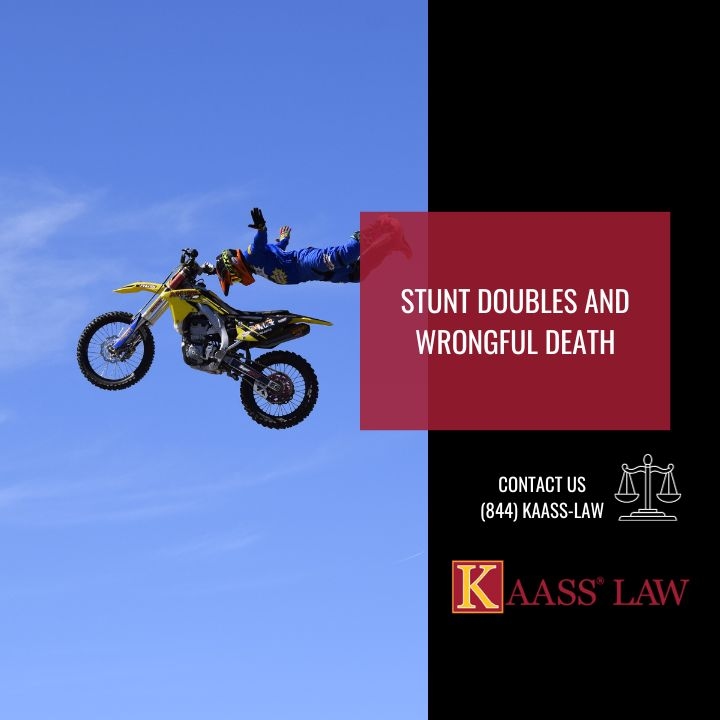
Throughout filmmaking years, many top celebrities have undergone several astonishing stunt performances throughout their careers. Stunt doubles are used as reflections of the movie or show character, instead of the actor or actress. Actors and actresses are less likely to jeopardize their lives for a stunt they must do on set. Stunt doubles are also trained professionals who undergo series of physical tests to be able to meet the standards of filmmaking.
The idea behind stunt doubles is to persuade the audience that they are the character. Stunt doubles step into the shoes of the A-list actors and actresses, performing risky, physically demanding stunts in their place. From daring high falls to car chases and combat scenes, these talented individuals make it all look effortless, but the truth is far from it.
While there is undeniable glamour associated with the film industry, the lives of stunt doubles are a stark contrast. Their daily grind involves rigorous physical training, developing specialized skills, and enduring a level of danger that most people can hardly fathom. The glamour may lie in the final product, but the grit is in the preparation and execution. They rehearse tirelessly, often in adverse conditions, and push the boundaries of human capabilities. Stunt doubles are consummate professionals, but their job carries a significant risk that is not always visible to the public.
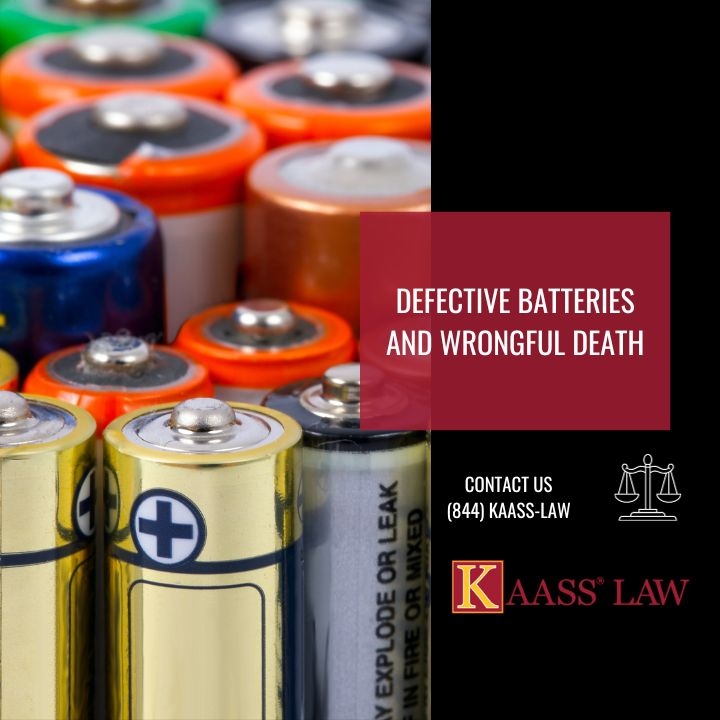
Whether we know it or not, batteries are a part of our everyday lives. Batteries are in our cellphones, computers, and cars. With the use of them, we have a great deal of functionality for the daily lives of ours. Batteries are great, until one of them malfunctions, which can result in death. Such defects may result in tragedy.
People have used batteries for hundreds of years. What was originally invented for electrical storage has now become today's leading versatile portable energy storage solution. From powering your smartwatch to storing renewable energy for the grid, batteries quietly empower our technology-driven world.
Beneath their everyday utility, batteries can pose a substantial threat, particularly when they are flawed. A defective battery can malfunction in various ways, from overheating to spontaneous combustion and even outright explosions. When these malfunctions occur, the consequences can be devastating, occasionally leading to wrongful death.
There are several varieties of defective batteries that may lead to physical injury or, worse, death. Find the list below of such defects in batteries:
Winter weather brings a host of challenges for truck drivers, including snow, ice, and freezing temperatures. For example, snow and ice accumulation on the road can lead to treacherous driving conditions. Reduced traction, decreased visibility, and the potential for black ice all contribute to the elevated risk of accidents. Safety Tips:
Fog is a notorious weather condition that severely impairs visibility on the road. In dense fog, it becomes challenging to see more than a few feet ahead, making it difficult to react to sudden changes in traffic. Safety Tips:
Strong winds can be a significant challenge for truck drivers, especially on open highways or in areas prone to gusty conditions. High winds can cause a truck to sway or even tip over, especially if it's empty or carrying a light load. Safety Tips:
Liability in Weather-Related Truck Accidents
Bad weather doesn’t automatically excuse unsafe driving. Truck drivers must adjust their driving based on road and weather conditions. Failing to slow down or leaving little space between vehicles can still count as negligence. Trucking companies can also be held liable. This may happen if they pressure drivers to meet deadlines in dangerous weather. Or if they neglect vehicle maintenance, like failing to replace worn tires or fix brakes. Safety should always come first, regardless of delivery schedules. Learn more about weather-related crash statistics from the Federal Motor Carrier Safety Administration (FMCSA).
When to Seek Legal Help
Were you or a loved one involved in a truck crash during bad weather? Legal help can make a big difference. These cases are complex and need strong evidence. A lawyer can investigate what happened, review records, and gather weather data. They can help prove fault and seek fair compensation. That includes medical bills, lost wages, and more. Don’t handle it alone. A skilled attorney can guide you through every step and protect your rights.
Navigating through challenging weather conditions is an integral part of a truck driver's job. By understanding how different weather patterns can contribute to accidents, drivers can take proactive steps to enhance their safety. Remember to adjust your driving techniques according to the weather, stay vigilant, and prioritize safety above all else. Safe driving not only protects you but also ensures the well-being of fellow road users. In addition, view our other practices through this website.
While these regulations are in place to enhance road safety, violations are unfortunately not uncommon among commercial truck drivers. These violations can lead to fatal accidents and contribute to wrongful deaths in several ways. Violations of HOS regulations, such as driving beyond the legally allowed hours or failing to take mandatory rest breaks, increase the likelihood of fatigue-related accidents. Fatigued drivers are less alert and have slower reaction times, making them more prone to accidents. Commercial drivers who violate drug and alcohol testing regulations by using substances while on the job put themselves and other road users at risk. Impaired driving can lead to devastating accidents, often resulting in wrongful deaths. Also, neglecting regular vehicle maintenance is a violation of regulations. When trucks with mechanical issues are allowed on the road, they become potential hazards. Brake failures, tire blowouts, or other mechanical failures can lead to catastrophic accidents. Violating weight limits can result in overloaded trucks that are difficult to control, especially in adverse weather conditions. Overloaded trucks are more likely to cause accidents that result in fatalities. Exceeding speed limits set for commercial vehicles is a violation that significantly increases the risk of accidents. Speeding trucks are harder to stop, and they have longer braking distances, making them dangerous for all road users.
To prevent violations and improve road safety, there are several key components of enforcement and prevention: Law enforcement agencies carry out inspections and monitor compliance with commercial truck driver regulations. Violations can result in penalties, license suspensions, and even criminal charges in cases of extreme negligence. Proper education and training for commercial drivers are essential to ensure that they are aware of and capable of following regulations. Ongoing training can help reinforce the importance of safety. Trucking companies must also play a role in promoting safety. Additionally, they should prioritize compliance with regulations, maintain their vehicles, and provide support to drivers to reduce the likelihood of violations.
Commercial truck driver regulations are in place to protect the lives of everyone on the road. Violations of these regulations can contribute to wrongful deaths and devastating accidents. By understanding and respecting the rules in place, commercial drivers can contribute to safer roads and fewer tragic accidents. Contact our office today at 310.943.1171 and visit our other website for more details.
Once the initial investigation is complete, accident reconstruction experts take over. These professionals use a combination of engineering, physics, and computer modeling to recreate the accident sequence. Here's how accident reconstruction plays a pivotal role:
Truck accident reconstruction is a highly specialized field, and it comes with its share of challenges:
Truck accident investigation and reconstruction are not just technical processes; they hold profound significance for the victims and their families. Following, the truth uncovered by these investigations can provide closure and a path to justice. It also serves as a deterrent to negligence in the trucking industry, potentially preventing future accidents and sparing other families the same pain.
Truck accident investigation and reconstruction are not just necessary components of the legal process; they are the keys to understanding the causes of accidents, determining liability, and seeking justice for victims. By delving into the complex world of truck accidents and meticulously reconstructing the events leading to them, experts in this field provide answers, closure, and the potential for positive change in the industry. Additionally, their work is a vital step towards making our roads safer for everyone. Above all, contact our office today for your loved one wrongful death case and visit our other website for more information.
Excessive speeding is another significant contributing factor to truck accidents leading to wrongful deaths. Large trucks require a longer distance to come to a stop compared to smaller vehicles. Speeding not only reduces a truck driver's reaction time but also amplifies the severity of the collision, often resulting in fatal outcomes.
Poor maintenance practices, such as worn-out brakes, faulty tires, and other equipment malfunctions, can lead to catastrophic crashes. In such cases, the trucking company may bear responsibility for failing to maintain and inspect their fleet adequately. These mechanical failures can transform an otherwise safe truck into a deadly weapon on the road, causing wrongful deaths.
Inadequate training and experience play a significant role in truck accidents. Truck drivers must undergo specialized training to operate commercial vehicles safely. Inexperienced drivers are more likely to make critical errors that can lead to accidents and, in some instances, wrongful deaths.
Truck drivers who operate their vehicles under the influence of alcohol or drugs can cause catastrophic accidents. Impaired judgment and slowed reaction times significantly increase the risk of fatal accidents, making this a preventable cause that requires heightened awareness and strict enforcement of regulations.
Overloading a truck can affect its stability, braking ability, and overall safety. When a truck carries too much cargo, it becomes challenging for the driver to maintain control. Overloaded trucks are more likely to tip over, potentially causing accidents with fatal outcomes.
Weather conditions, such as rain, snow, ice, and fog, can reduce visibility and make road surfaces slippery. Truck drivers must adapt their driving to accommodate these conditions. Failing to do so can lead to accidents that result in wrongful deaths, making it vital for drivers to exercise caution during adverse weather conditions.
Running red lights and stop signs is a reckless behavior that can have fatal consequences. When a truck driver disregards traffic signals and signs, they risk colliding with other vehicles, pedestrians, or cyclists. These accidents can be severe and lead to tragic outcomes, emphasizing the importance of obeying traffic laws.
Cargo that is not properly secured can shift during transit, leading to a loss of balance or control for the truck driver. This can result in rollovers or accidents where the cargo spills onto the road, causing chaos and potential harm to others on the road. Ensuring proper cargo management and securement is essential to prevent such incidents.
Understanding the causes of truck accident wrongful deaths is essential for preventing these devastating events. These causes often involve negligence, but there are also responsible trucking companies and drivers who prioritize safety and adhere to regulations. Preventing such accidents requires a collective effort, including stringent enforcement of regulations, adequate training, regular maintenance, and heightened awareness among all stakeholders. By raising concern to these accidents, our roads can be safer and prevent the unnecessary loss of lives. Visit our other website for details on how we can help you with other potential cases.
Because of the peculiarities of each case and the nature of the plant, proving a wrongful death lawsuit can be difficult. Even though it poses a serious risk, proving negligence or improper behavior can be difficult in court. In order to successfully prosecute a wrongful death claim, plaintiffs need to provide proof of the following:
Even though poison ivy-related wrongful death lawsuits are not common, there have been certain situations where the plaintiffs' side has won. These lawsuits frequently center on blatant negligence or deliberate wrongdoing. For instance, a property owner may be held accountable for a wrongful death if they knew there was a considerable poison ivy presence on the land.
If wrongful death lawsuits are successful, the victim's family may get cash damages to compensate for their losses. But no amount of money can ever fully make up for a life lost. Both individuals and organizations should prioritize preventing poison ivy-related fatalities. Reducing the hazards largely depends on awareness and education. It is important that people learn to identify poison ivy and realize how important it is to take precautions. Although these wrongful deaths are rare, they serve as a reminder of how crucial it is to comprehend these legal ramifications. Pursuing a wrongful death claim can assist in offering the bereaved family some measure of justice and compensation. The ultimate goal is still prevention, though, and we can assist lower the risks connected to this seemingly innocent plant by encouraging safe conduct. If you have any further questions please visit this website.
A key economic harm in wrongful death instances is the loss of financial assistance. This involves estimating the income and financial contributions the deceased would have provided to their family over the course of their expected lifetime. In making this computation, we take into account the age, occupation, income potential, and life expectancy of the deceased.
The loss of benefits that the surviving family members would have gotten if the deceased had lived is also eligible for compensation. This could include any fringe benefits offered by the deceased's workplace, such as health insurance, retirement benefits, and others.
In some cases, wrongful death incidents may result in property damage, such as damage to a vehicle in a car accident. The cost of repairing or replacing damaged property is part of the economic damages.
Non-economic damages, nonetheless are less tangible than economic damages and intended to make up for the psychological and non-financial losses endured by surviving family members. These compensations recognize the psychological and emotional pain brought on by the tragic death. These are a few examples of typical non-economic damages: 1. Pain and Suffering Damages for pain and suffering are purposeful to make up for the mental anguish, grief, and emotional suffering that a family member's death has caused. These damages acknowledge that a wrongful death has effects beyond monetary losses. 2. Loss of Companionship and Consortium A person has a loss of companionship and consortium when they lose a spouse, parent, or child as a result of wrongful death. Furthermore, these compensations acknowledge the absence of emotional support, affection, and guidance from the deceased for their family members. 3. Mental Anguish and Emotional Distress The impact a loved one may feel emotionally is devastating following their loved ones wrongful death. With this, non-economic damages can be rightfully compensated to the surviving family members as their grieve with mental anguish and emotional distress.
In certain cases, the court may award punitive damages if the defendant's actions were notably egregious or malicious. Punitive damages aim to penalize the offender and discourage others from committing similar acts. They are less common in wrongful death cases but can be significant when awarded.
For a surviving family member, they may face long-term distress due to the wrongful death of their loved one. This may lead to a prolonged lack of enjoyment in their life towards fun times they are no longer able to experience.
Wrongful death cases are emotionally challenging, and the pursuit of damages is a critical aspect of seeking justice for the deceased and their surviving family members. Understanding the distinction between Economic vs. Non-Economic damages is essential for both plaintiffs and their attorneys. While economic damages aim to address the financial impact of a wrongful death, non-economic damages acknowledge the emotional suffering and intangible losses experienced by the family. Seeking guidance from seasoned legal experts is crucial when dealing with wrongful death cases. This ensures that all applicable damages are diligently in pursuit and that the entire process is approached with compassion and attentiveness. In the end, a triumphant wrongful death claim not only offers monetary support but also aids survivors in finding solace and ensuring that we hold those at fault accountable for their actions. Accordingly, you are able to find out more information on other practice areas in our field we specialize in. Visit this link for more details.
The use of PFAS in artificial turf has gained attention in recent years. This is because of the potential for exposure when players come into contact with the turf or when rainwater runoff carries these chemicals into local ecosystems. California's decision to address PFAS in artificial turf is a response to these concerns. It also reflects a recognition of the need to protect public health and the environment.
On May 25, 2023, California made headlines by taking a decisive step toward addressing the PFAS problem in artificial turf. The California State Legislature passed a groundbreaking bill that imposes strict regulations on the use of PFAS in synthetic grass products. This legislation, which is the first of its kind in the United States, aims to reduce the risks associated with PFAS exposure among athletes, children, and the general public. California’s decisive action on PFAS in artificial turf is supported by growing scientific research linking these chemicals to serious health issues. Studies have shown that PFAS exposure may contribute to cancer, liver damage, immune system disruption, and developmental problems in children. Even at low levels, these substances can be harmful over time. The U.S. Environmental Protection Agency (EPA) has highlighted the persistent and bioaccumulative nature of PFAS, which makes them especially dangerous. By banning their use in synthetic turf, California is taking a vital step toward reducing public exposure and preventing long-term environmental contamination. For more information, visit the EPA’s official PFAS resource.
Key provisions of the bill include:
California's move to ban PFAS in artificial turf sets a precedent for other states and countries to follow. It sends a clear message that protecting public health and the environment takes precedence over the convenience of using these chemicals in consumer products.
This development is part of a broader trend in environmental law and regulation. Governments worldwide are becoming increasingly proactive in addressing emerging environmental threats, including PFAS contamination. As more research sheds light on the potential risks associated with these chemicals, we can anticipate the implementation of additional regulations and bans. These measures may affect their use in various industries. California's decision to ban toxic "forever chemicals" in artificial turf marks a significant milestone. It reflects the ongoing effort to protect public health and the environment from the harmful effects of PFAS. This action not only highlights the state's commitment to environmental stewardship but also sets an example for others to follow. As the global community becomes more aware of the risks associated with PFAS, we can expect further measures aimed at reducing their presence in everyday products. It is a crucial step toward a safer and more sustainable future.
Are you concerned about environmental issues or need legal guidance in California? Contact our experienced lawyers at Kaass Law today to discuss your rights and explore your options. Don't wait – take action now to protect your interests and contribute to a cleaner, safer future. You can additionally explore our supplementary website for further insights into how we can be of assistance.
Performing stunts is inherently risky. While safety measures are rigorously enforced, accidents can and do happen. Stunt doubles are often in precarious positions, performing feats that can lead to severe injury or even death. Falls, crashes, and explosions are just some of the many hazards they face.
High falls are one of the most iconic stunt scenes involves high falls, which require precise calculations and expert timing. Mistakes can lead to fatal consequences. Car stunts such as car chases, crashes, and flips are standard fare in action movies. Even with protective measures, such as roll cages and helmets, the risk of injury remains. Combat scenes including hand-to-hand combat and fight scenes may look choreographed, but they involve genuine physical contact, and even a slight miscalculation can result in injury. Explosions with pyrotechnic stunts are both visually stunning and dangerous. The coordination of explosions and stunts is critical to avoiding harm. Water stunts like underwater scenes come with their own set of challenges, including the risk of drowning and entanglement.
Tragically, the world of stunt work has seen its share of wrongful deaths. These are accidents that occur on set and result in the loss of a stunt performer's life. While the film industry has made great strides in improving safety measures, the risks remain. One of the most notable cases of wrongful death in stunt work occurred during the filming of the 1982 film "Twilight Zone: The Movie." Actor Vic Morrow and two child actors, Myca Dinh Le and Renee Shin-Yi Chen, lost their lives in a helicopter accident during a night shoot. This incident led to a substantial overhaul of safety procedures on film sets, especially those involving child actors. Another tragic case involved the death of renowned stuntwoman, Joi "SJ" Harris, during the filming of "Deadpool 2" in 2017. Harris was performing a motorcycle stunt when she lost control and crashed. Her death sparked a renewed conversation about the safety of stunt performers and the need for more comprehensive training and risk assessment.
Following these tragic incidents, the film industry has implemented measures to bolster safety practices and regulations. Collaboratively, the Screen Actors Guild (SAG-AFTRA) and other industry organizations have taken measures to establish more rigorous safety protocols. These measures encompass thorough risk evaluations, the qualification criteria for stunt coordinators, and the adoption of specialized safety equipment. Additionally, many productions employ safety consultants to assess and mitigate potential risks.
The dangers that stunt doubles face aren't limited to physical risks; the psychological toll is also significant. Witnessing accidents and near misses can take a severe emotional toll on these professionals. Coping with fear and anxiety while maintaining a strong facade can lead to a range of mental health challenges. One of the ongoing debates in the film industry is the delicate balance between artistic vision and safety. While safety measures have improved, some argue that the demands of creative directors can still put stunt performers in harm's way. The pursuit of the perfect shot sometimes trumps safety concerns.
Stunt doubles are the unsung heroes of the film industry, but their role comes with inherent risks. Wrongful deaths in stunt work are a tragic reality, and they serve as a sobering reminder of the dangerous nature of the profession. The public's appreciation of the art of stunts should also be accompanied by a deeper understanding of the sacrifices and dangers faced by the brave individuals who make it happen. If someone you know has wrongfully died on the job of being a stunt double, give our office a call at 310.943.1171. Additionally, visit our other website for more information about other potential cases you can get assistance on.
The outcomes resulting from faulty batteries include:
Battery malfunctions are not as rare as one may think. It is essential to understand that fires will likely happen after a battery explosion. Although there could be not explosive batteries, they may increase in heat, which, in turn, can cause harm.
Preventing wrongful deaths caused by defective batteries necessitates a multi-pronged approach, which includes:
Third-Party Safety Certifications: To mitigate risks further, third-party safety certifications play a critical role in validating battery performance and safety. Independent organizations such as UL Solutions provide rigorous testing and certification for battery products, ensuring they meet essential safety standards before reaching consumers. These certifications reinforce trust in product quality and encourage manufacturers to prioritize safety during the design and production stages. Consumers should look for recognized certification labels when purchasing battery-powered devices, as this can offer an added layer of protection against potential malfunctions. Consumers should look for recognized certification labels when purchasing battery-powered devices, as this can offer an added layer of protection against potential malfunctions and fire hazards.
Wrongful deaths stemming from defective batteries can lead to intricate legal cases. Determining liability often involves investigating the entire supply chain, from the battery manufacturer to the product manufacturer and the retailer. Product liability laws hold various parties responsible for the defective product, and wrongful death claims aim to compensate the victim's family. Defective batteries present a hidden danger in our contemporary world of convenience and technology. While they power our devices and enhance our lives, they can also bring tragedy when they malfunction. Wrongful deaths stemming from defective batteries are a stark reminder of the necessity for safety, accountability, and continuous improvement within the battery industry. As consumers, we must remain vigilant, demand safer products, and understand our legal rights to seek justice in the event of a tragic loss caused by a defective battery. Additionally, visit this link to learn more about our other practice areas. We can help you get the compensation you deserve!