

A crucial part of obtaining compensation in personal injury lawsuits is negotiating with insurance providers. We'll go over important tactics and insights in this blog article to guide you through the insurance company negotiation process and increase the likelihood of a successful conclusion.
Because they are for-profit businesses, insurance firms' main goal is to limit claims while maintaining a profit. It is essential to understand this underlying motivation. It creates the conditions for a realistic viewpoint on the negotiation process and aids in your preparation.
The foundation of any effective negotiation is solid evidence. Hence, gather all necessary information, including witness accounts, accident reports, and medical records. This verifiable proof gives your claim credibility and fortifies your negotiation position.
Know the potential value of your claim clearly before starting any talks. Take into account both economic (such as medical costs and missed pay) and non-economic (such as pain and suffering and emotional distress) damages. This information serves as a yardstick for evaluating any offers the insurance provider may make.
In an effort to quickly resolve the issue, insurance firms may approach you with a rapid settlement offer. Accepting early offers, nevertheless, should be done with caution because they frequently underestimate the actual magnitude of your damages. Spend some time carefully assessing the offer in light of your proof and the possible merit of your claim.
Successful negotiations depend on clear communication. Correspondingly, in every conversation you have with the insurance provider, be precise, polite, and professional. Avoid saying anything that could be taken as an admission of guilt, and think about hiring a lawyer to handle discussions on your behalf.
Your negotiating power might be considerably increased if you have a skilled personal injury attorney on your side. Attorneys can fight for your rights while looking out for your best interests because they are knowledgeable about the strategies employed by insurance companies. Additionally, they are qualified to evaluate the merits of your claim with accuracy.
A well-planned negotiation plan can completely alter the outcome. Think about things like the quality of your proof, how responsive the insurance company is, and any possible legal precedents. Determine the result you want, and be prepared to explain your stance in detail.
It's rare for an initial offer from an insurance company to be their best and final offer. Expect some back-and-forth in negotiations. However, if you receive an offer that you believe undervalues your claim, counter with a reasonable, well-supported demand.
If talks go down, one option is to look into alternative conflict resolution processes like mediation or arbitration. These procedures can offer a neutral setting where both parties can work toward a settlement.
Negotiating with insurance firms can take a while. It's crucial to pursue a just conclusion with patience and tenacity. Avoid settling quickly out of irritation; instead, stick to your plan and fight for your just recompense. Contact an Attorney Negotiating personal injury cases with insurance companies is a challenging endeavor that demands thorough preparation, adept communication, and a strategic mindset. With a clear understanding of the motivations behind insurance companies, the accumulation of compelling evidence, and the guidance of a seasoned personal injury attorney, you can approach this process with assurance. It's crucial to bear in mind that patience and unwavering persistence are key, as settling for a compensation offer below the genuine value of your claim is not in your best interests. With the right approach, you can enhance your likelihood of securing the rightful compensation you deserve. As a result, you can learn more about various practice areas in our profession in which we specialize. More information you can find at this page.
Within the realm of celebrity, fame and wealth frequently craft an illusion of impregnability. Yet, beneath the captivating facade of opulence and celebrity, even the most renowned figures remain vulnerable to life's unforgiving truths. No one, regardless of their societal standing or public persona, is impervious to the capricious hand of tragedy. Wrongful death stands as a solemn reminder that celebrity status cannot insulate us from the tribulations of existence. This blog will delve into the intricacies of wrongful death cases. Afterward, it will involve celebrities, illuminating the indispensable role of the law in the pursuit of justice and underscoring that the principles of equity and responsibility extend universally.
The allure of celebrity often leads us to believe that these individuals live charmed lives. We see them on the red carpet, in glossy magazines, and on the big screen, and it's easy to think that their fame insulates them from the hardships of the everyday world. However, the reality is quite different. Celebrities, just like everyone else, also, face the same vulnerabilities and unpredictabilities of life. Tragedy can strike at any moment. Therefore it will turn their lives upside down and bring them face to face with the harshness of reality.
Wildlife attacks can be rare, but every person carries the risk of falling victim to one. While we often think of wildlife encounters as a thrilling and educational experience, there are unfortunate instances when these interactions can lead to tragic wrongful deaths. To explore further, we can understand what factors fall into play with wrongful deaths resulting from wildlife attacks.
For many, the call of the wild is irresistible. The desire to observe, photograph, or simply experience nature's creatures up close has driven countless individuals to venture into the wilderness, visit national parks, or embark on safaris. These encounters offer a deeper connection to the natural world and a chance to get up close to wildlife. Entering wildlife territories are a risk we take. It is important to understand the risk of possible injury or wrongful death. Each animal may react differently to people they see in the outdoors.
Understanding what drives wildlife attacks is essential to prevent them and reduce the risk of wrongful deaths. Several factors can trigger these encounters. Most wild animals will not attack unless they feel threatened or provoked. Approaching too closely, cornering them, or disturbing them during mating or feeding can lead to aggression. Many attacks occur when wild animals, typically predators, perceive humans as a threat to their prey. For example, bear attacks often result from the human presence near a food source. Surprising a wild animal can provoke a defensive response. Hikers rounding a corner and unexpectedly encountering a bear, for instance, might trigger an aggressive reaction. Female animals with offspring can become fiercely protective. Approaching or getting between a mother and her young can lead to attacks. Some animals are territorial by nature. Entering their territory may lead to aggression, especially during breeding seasons.
Organ transplantation stands as a glimmer of hope within the realm of modern medicine, extending a vital thread of life to those grappling with life-threatening conditions. So as, it offers the promise of a fresh start, a renewed lease on life. Nonetheless, within the sphere of organ transplants, there exists a shadowed underbelly. Wrongful death cases linked to organ transplantation issues, including organ trafficking and medical negligence, expose the intricate and delicate facets of this life-preserving field. Therefore, this blog embarks on an exploration of the intricate landscape of wrongful death cases in the context of organ transplantation, illuminating the complex challenges and ethical dilemmas that surface.
Organ transplantation is a medical marvel that has saved countless lives. This then brings together organ donors, recipients, and healthcare practitioners in the noble endeavor of granting a second chance at life. However, this promise of renewal is also accompanied by ethical and logistical challenges.
The allocation of organs for transplantation raises profound ethical questions. The demand for organs significantly outstrips the supply, leading to difficult decisions regarding who receives these life-saving gifts. These decisions have far-reaching consequences and weigh heavily on the medical community.
Wrongful death cases are complex legal matters that seek justice and compensation for the loss of a loved one due to someone else's negligence or misconduct. In many such cases, determining fault can be intricate, and this is where the concept of "comparative fault" comes into play. In this blog, we'll explore what the term means, its significance in wrongful death cases, how it affects compensation, and various aspects related to this important legal doctrine.
Comparative fault, also referred to as comparative negligence or shared fault, is a legal principle that civil cases, including wrongful death claims, use to apportion responsibility and determine the degree of fault among parties involved in an incident leading to injury or death. The core idea is that in many situations, more than one party may bear some level of responsibility for an accident or its consequences. Comparative fault acknowledges that rarely is one party entirely to blame, and it aims to assign liability proportionally based on each party's contribution to the accident. In essence, it's a way to ensure that the injured party receives a fair and just amount of compensation considering their own actions or negligence.
It is an unspeakable tragedy to lose a loved one as a result of someone else's carelessness or misbehavior. Families can seek redress and financial recompense for their losses in these situations by filing a wrongful death lawsuit. A wrongful death claim's value might differ significantly based on a number of variables. Both the bereaved families and their legal representatives must comprehend these issues. We'll examine the crucial factors that greatly impact the value of wrongful death cases in this blog post.
The first and foremost factor in determining the value of a wrongful death claim is establishing liability. This means demonstrating that the responsible party (or parties) acted negligently or wrongfully, leading to the untimely death. Strong evidence and a clear demonstration of negligence can significantly strengthen a wrongful death case, potentially resulting in higher compensation.
Economic damages refer to the measurable financial losses suffered as a result of the wrongful death. This includes medical expenses, funeral costs, lost income, and other direct financial burdens caused by the death. These concrete figures play a pivotal role in determining the overall value of the claim.
Non-economic damages are less tangible losses, such as pain and suffering, emotional distress, loss of companionship, and the impact on the family's quality of life. Quantifying non-economic damages can be challenging, but they hold significant weight in the overall value of a wrongful death claim.
The deceased person's age and health condition at the time of passing can impact the value of the claim's worth. For example, if the individual was youthful and in excellent health, their projected lifespan and potential future income could have been substantial. This could result in a greater compensation sum compared to an older person with pre-existing health conditions.

Common Challenges in negotiating damages require careful consideration. Choosing an appropriate compensation amount for a wrongful death lawsuit can be difficult because the claims are complicated legally and emotionally. In this article, we'll look at some of the most typical obstacles to negotiating compensation in wrongful death claims and offer advice on how to overcome them.
One of the common challenges in negotiating damages is proving liability. To successfully negotiate for damages, it's crucial to demonstrate that the responsible party had a duty of care towards the deceased and that this duty was breached, resulting in their death. Gathering evidence, witness testimonies, and expert opinions play a vital role in establishing liability. However, this process can be time-consuming and may face resistance from the opposite party.
Non-economic damages, such as pain and suffering, loss of companionship, and emotional distress, can be challenging to quantify. Unlike economic damages which have tangible costs, putting a dollar value on intangible losses is inherently subjective. Negotiators must rely on precedent, expert testimony, and the unique circumstances of the case to arrive at a reasonable figure. This can lead to disagreements between parties and make negotiations more complex.

Humanitarian missions play a vital role in providing relief and support to vulnerable populations in crisis-stricken regions around the world. These missions often involve brave individuals and organizations risking their lives to alleviate suffering and promote peace. However, tragically, there are instances when these missions result in wrongful death. This blog delves into the complex issue of wrongful death in humanitarian missions, exploring the challenges faced by victims' families and the pursuit of justice.
Humanitarian missions are characterized by their altruistic purpose: to provide aid, relief, and support to those in desperate need. Whether responding to natural disasters, armed conflicts, or public health crises, humanitarian organizations and their personnel often put themselves in harm's way to save lives and alleviate suffering. These missions are guided by principles such as neutrality, impartiality, and the imperative to protect the dignity and rights of all individuals.
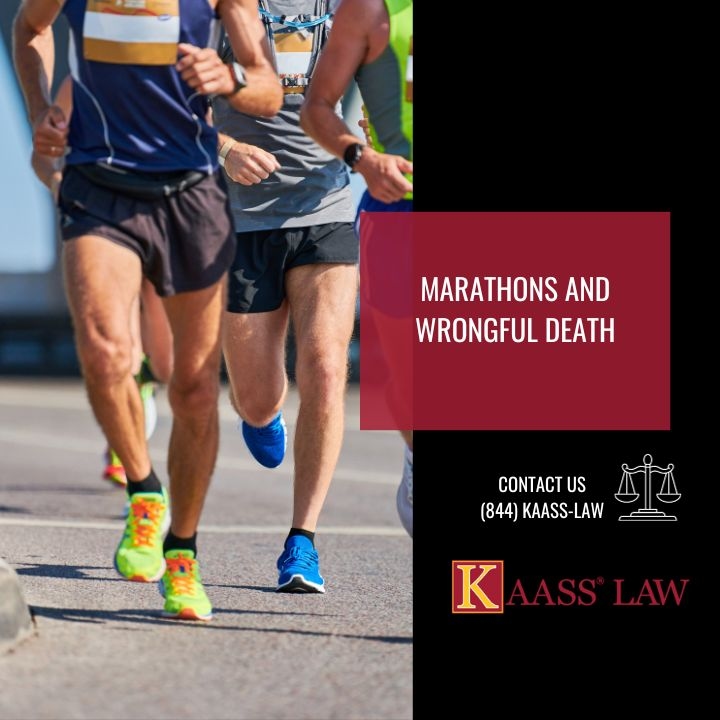
Marathons are tested by human endurance, bringing people together for personal goals or charity. Crossing the finish line after 26.2 miles is indescribable. However, beneath the triumph, marathons have seen tragic deaths. This contrasts achievement and sorrow, reminding us of vulnerability. This blog explores the darker aspects of marathons, where celebration turns to heartache, bringing legal and emotional challenges.
While marathons are renowned for their vibrant celebrations of health, unity, and individual accomplishments, it's crucial to understand that they are not immune to infrequent yet heart-wrenching incidents. Wrongful deaths, though rare, have made an indelible impact on the landscape of long-distance races, causing ripples that shake the very foundations of these events. The stark truth is that such tragedies, while uncommon, can unleash profound and far-reaching consequences. Delving into the hidden aspects of marathons invites us to confront the unforeseen, recognizing that even amid exhilarating achievements, unanticipated misfortunes can cast a pall of sorrow over the sport.
Marathons challenge participants to their physical limits. Even the fittest can face sudden health complications. Sudden cardiac arrest can strike without warning, leading to tragic outcomes. Swift, expert medical care is vital during marathons. We'll discuss potential health risks and the need for on-site medical professionals. Preventing wrongful deaths requires comprehensive medical support. Marathons run in various locations and seasons, exposing runners to diverse weather conditions. Extreme heat can turn a race into a life-threatening ordeal. Overexertion, dehydration, and heatstroke become real risks in high temperatures. Marathon organizers must establish robust . These include hydration stations, teams, and contingency plans. With these precautions, we can reduce the risk of wrongful deaths. In the following sections, we'll explore how organizers and participants can work together to enhance marathon safety and prevent tragic incidents.

The US has the world's largest consumer products market. Every day, people come into touch with a wide range of home items, including toys, cleaning supplies, cosmetics, appliances, and gadgets. We think that the domestic objects we use every day are safe for consumers, however, faults can make commonplace products harmful to use through no fault of your own. Household item defect wrongful deaths could be more common than you may think.
A properly operating electric or fuel system is necessary for appliances like washing machines, ovens, and microwaves. Thus, an explosion or fire in a customer's home might result from these systems not functioning correctly. Moreover, this might lead to a claim for defective manufacture or design. The bulk of fires and fire-related injuries take place in homes. Generally, the major causes of house fires are electrical glitches or malfunctions.
Wrongful death cases involving celebrities emphasize a fundamental principle of our legal system, such as equal justice under the law. The pursuit of justice, accountability, and fairness is a right that transcends social standing, wealth, and fame. It is a cornerstone of our legal system that the law operates impartially. Regardless of whether an individual is a household name or an ordinary citizen, the legal system ensures that the pursuit of justice remains consistent and unprejudiced.
The legal system assumes a central role in the quest for justice when celebrities encounter wrongful death. It serves as the bedrock of equity and responsibility in these situations, guaranteeing a comprehensive and just legal procedure. Wrongful death cases entailing celebrities do not stand as outliers within the legal framework. Instead, they mirror the resolute dedication of the legal system to grant each person the chance for an equitable and impartial resolution.
Celebrity wrongful death cases serve as a potent reminder of the legal system's steadfast commitment to fairness, accountability, and impartiality. These cases underline that the reach of the law extends beyond the boundaries of fame, reinforcing the idea that justice is blind to an individual's public image. Also, the legal complexities surrounding celebrity cases underscore the need for skilled legal representation and a commitment to fairness, accountability, and thoroughness in every case, no matter the celebrity status of the individuals involved.
If you or a loved one is facing the complex legal challenges of a wrongful death case, we are here to provide guidance and support. Our experienced legal team understands that the pursuit of justice is a right that belongs to everyone, regardless of their public image. We are committed to representing your interests, ensuring that you receive the compassionate and skilled legal representation you deserve. Contact us today at 310-943-1171 to take the first step on your path to justice. Your journey begins here, where fairness and accountability prevail, irrespective of the spotlight. We stand ready to support you on this challenging journey and help you seek the justice you rightfully deserve. You are able to find out more information on other practice areas in the field we specialize in. Visit this link for more details.
When a wrongful death occurs due to a wildlife attack, it presents unique legal challenges. Determining liability is often far more complex than in typical personal injury cases. Here are some key legal complexities to consider: 1. Assumption of Risk: In some cases, victims willingly assumed the risk of a wildlife encounter, such as when participating in adventure tourism or wildlife photography tours. This can affect the ability to pursue a wrongful death claim. 2. Negligence vs. Natural Behavior: It can be difficult to distinguish between an individual's negligence and an animal's natural behavior. Did the victim take reasonable precautions, and was the animal's reaction within the norm? 3. Government and Landowner Liability: In cases involving attacks on public lands or private wildlife reserves, legal responsibility may be shared between government agencies, landowners, and tour operators. 4. Conservation and Animal Rights: Legal issues may arise around conservation efforts, with questions of whether the animal should be euthanized and whether the victim's actions contributed to the need for such measures. 5. Insurance and Compensation: Insurance coverage for wildlife attacks varies widely. Securing adequate compensation for wrongful death can be a lengthy and challenging process.
Wildlife attacks are, thankfully, rare, and they often result from a combination of unfortunate circumstances. However, these incidents highlight the importance of responsible wildlife management and public education. Some essential steps to reduce the risk of wrongful deaths caused by wildlife attacks include: 1. Public Awareness: Educate the public on the risks associated with wildlife encounters and the importance of maintaining a respectful distance. 2. Responsible Tourism: Promote responsible wildlife tourism that respects the animals' habitats and behaviors. 3. Wildlife Management: Implement measures for the responsible management of wildlife populations, especially in areas where human-wildlife conflicts are common. 4. Safety Precautions: Encourage individuals to take safety precautions in the wild, such as carrying bear spray, making noise on the trails, and hiking in groups. 5. Research and Data: Support research to better understand the behavior and habits of different species to develop strategies for minimizing the risk of encounters.
Wrongful deaths resulting from wildlife attacks are rare, but when they occur, they leave a lasting impact on the victims' families and communities. Understanding the factors behind these incidents, the legal complexities involved, and the importance of responsible wildlife management is crucial. As we continue to explore the natural world, we must do so with respect, awareness, and knowledge, ensuring that our interactions with wildlife remain positive, educational, and safe. By implementing these principles, we can reduce the risk of wrongful deaths and protect both human and animal lives in our shared natural spaces. Be sure to visit our other website for more information regarding potential cases you may have.
One of the darker aspects of organ transplantation is the issue of organ trafficking. However, the severe shortage of organs worldwide has given rise to a nefarious black market that exploits the vulnerable. This illicit trade often leads to wrongful deaths and is facilitated by lax regulations in some regions. In a deeply moving scenario, the relentless pursuit of a kidney drove an individual to be ensnared in a clandestine network engaged in organ trafficking. In this case, this heart-rending tale serves as a poignant reminder of the immediate necessity for worldwide initiatives to combat organ trafficking and safeguard those most at risk.
Wrongful death cases within the realm of organ transplantation are not limited to organ trafficking. Medical negligence plays a significant role in such cases. Surgical errors, mismanagement of post-transplant care, and lapses in donor screening contribute to these devastating outcomes. Patient safety is non-negotiable in organ transplantation. Afterward, medical professionals must adhere to the highest standards of care, from the initial screening of donors to post-transplant follow-up, to ensure the well-being of patients.
The significant disparity in organ availability across the globe has given rise to transplant tourism. Individuals travel across borders in search of life-saving organs. However, this practice is fraught with dangers, including the risk of receiving organs from questionable sources.
The world of organ transplantation is a realm where the balance between life and death is delicately maintained. Wrongful death cases linked to organ transplantation, be it due to organ trafficking or medical negligence, reveal the multifaceted challenges and ethical quandaries that define this domain. To advance and secure the ongoing success of organ transplantation, it is imperative to prioritize ethics, transparency, and rigorous regulations. Patient safety stands as the paramount concern, upholding both the benevolence of organ donors and the expertise of medical professionals.
If you or a loved one is facing challenges related to organ transplantation or wrongful death, please do not hesitate to contact us at 310-943-1171. Our experienced legal team is here to provide guidance, and support, so as legal representation. Your journey toward justice and accountability begins here. Also, you can visit the following link for our other practices.
The application of comparative fault varies depending on the jurisdiction and its specific laws.
Comparative fault is vital in wrongful death cases, shaping compensation for surviving family members. After a wrongful death, the plaintiff seeks compensation for various losses, including medical, funeral, and emotional damages. If the court finds the deceased partly at fault, it weighs their degree of responsibility when awarding damages. If the deceased contributed partially to the accident, compensation may be reduced proportionally. This triggers complex legal discussions and negotiations to determine the exact extent of the deceased's responsibility and its impact on compensation.
Firstly, examine the evidence. The court diligently reviews all available evidence, including witness accounts, expert testimonies, accident reports, and relevant documents. Secondly, negligence plays a pivotal role. It centers on the extent of negligence or recklessness displayed by each party. That includes whether they took reasonable precautions to prevent the accident. Thirdly, assess contributory actions. Scrutinize the actions of both the deceased individual and the defendant. Examine any actions by the deceased that may have contributed to the accident. Finally, consider state laws as a vital factor. These are the specific statutes in the state. Some states follow a pure comparative fault approach, while others use modified models with varying thresholds.
In wrongful death cases, the allocation of responsibility significantly affects case outcomes and compensation for surviving family members. Both plaintiffs and defendants should understand these implications. Collaborating with experienced legal counsel who are knowledgeable about relevant statutes is essential for navigating this complex legal landscape effectively. Ultimately, this approach serves the broader goal. It ensures a fair and impartial final judgment by considering the actions and liabilities of all parties involved. Visit our other website for more information on related matters.
When calculating damages, we consider the potential future earnings of the deceased. Factors such as their occupation, education, earning capacity, and career trajectory are considered. Additionally, if the deceased provided financial support to dependents, this can significantly impact the value of the claim.
The circumstances leading to the wrongful death also play a critical role. For example, if the responsible party's actions were particularly egregious or reckless, it may result in punitive damages, which are intended to punish the wrongdoer and deter similar behavior in the future. Punitive damages can substantially increase the overall value of the claim.
In some instances, the deceased might have had some responsibility for contributing to their own demise. Contributory negligence is the term for this. The amount of compensation the family is entitled to receive may change based on the applicable laws. Some states operate under a comparative negligence system, which reduces the damages paid based on the degree of responsibility assigned to each party.
The availability and limits of insurance coverage held by the responsible party can directly affect the potential compensation. In cases where the negligent party is underinsured or lacks insurance altogether, it may limit the amount of compensation that can be recovered.
Navigating the complexities of wrongful death claims requires a thorough understanding of the factors that influence their value. From establishing liability to considering economic and non-economic damages, each element plays a crucial role in determining the compensation that grieving families may receive. By taking these factors into account, legal professionals can better advocate for the rights of those who have suffered the loss of a loved one due to the negligence of another. Feel free to call us at 310.943.1171 or visit the website for other practices.
In some cases, the deceased may have contributed to the accident or incident that led to their death. This concept, known as comparative fault, can complicate negotiations. States have different rules regarding how comparative fault affects damages. Determining the extent to which the deceased was responsible for their own demise can be a contentious issue, potentially leading to prolonged negotiations.
The negotiation of damages must take future losses into account. Accordingly, estimates of the deceased's prospective earnings and any other financial support they might have given their family are included in this. When taking into account variables like inflation, employment shifts, and ambiguous economic situations, these estimates may be speculative and open to debate.
Insurance policies often have limits on the amount they will pay out for wrongful death claims. When negotiating damages, it's important to be aware of these limits and to explore other potential sources of compensation. This might involve identifying additional liable parties or pursuing claims against different types of insurance policies.
Negotiating damages in wrongful death cases is emotionally taxing for the surviving family members. Dealing with grief and loss while simultaneously navigating complex legal processes can be overwhelming. This emotional strain can impact the negotiation process, potentially leading to rushed decisions or heightened emotions during discussions.
Public opinion can place enormous pressure on talks in high-profile cases. The negotiation process may be influenced by the reputations of the parties involved as well as the case's larger consequences. It can be tricky to strike a balance between the necessity to regulate public perception and the need for a just resolution.
Negotiating damages in wrongful death cases requires careful consideration of numerous factors, from establishing liability to valuing non-economic losses. Dealing with comparative fault, assessing future losses, and managing insurance coverage limits are additional hurdles that negotiators must navigate. Moreover, the emotional toll on survivors and the potential impact of public perception further complicate the process. By seeking the counsel of seasoned legal specialists and making use of their abilities, the probability of a successful negotiation can eventually be significantly boosted. Furthermore, addressing these problems may lead to a solution that is more fair to all parties involved. Open communication, thorough planning, and a readiness to take into account novel ideas enable this. Consequently, you have the opportunity to delve into supplementary practice areas within our specific field. Kindly click on this link for more details.
Despite the noble intentions behind humanitarian missions, tragic incidents leading to wrongful deaths do occur. These deaths can result from various factors, including armed conflict, accidents, disease outbreaks, or even deliberate attacks on humanitarian workers. Consequently, in such cases, innocent lives are lost, and families are left devastated.
Within the painful context of wrongful death in humanitarian missions, a multitude of challenges emerge, each casting a shadow upon the pursuit of justice and the healing process for those left behind. Let us delve into these challenges, where complexity intertwines with grief.
In the wake of an unjust death occurring during a humanitarian mission, the pursuit of justice transcends being a mere abstract idea; it becomes an urgent necessity. This necessity extends not only to the families of the victims but also encompasses the wider humanitarian community. It constitutes a call for accountability, responsibility, and a reaffirmation of the guiding principles that underlie such missions.
Wrongful death in humanitarian missions is a tragic reality that underscores the risks associated with providing aid in crisis-stricken regions. Strengthening legal frameworks, raising awareness, and fostering international cooperation are vital for seeking justice in humanitarian missions. Honoring those who sacrificed, we aim to enhance mission safety and accountability. By doing so, we can work to ensure that their legacy is one of compassion and justice. Give our office a call at 310.943.1171 for more information. Be sure to also visit https://motorcyclepains.com/ for other cases we are able to assist in.
Negligence often arises when event organizers fail to implement comprehensive safety measures. These lapses can include a lack of well-trained medical personnel on standby, insufficient emergency response plans, and inadequate security throughout the event. In this case, negligence can lead to accidents, injuries, and even wrongful deaths, thereby exposing organizers to potential legal liabilities. Organizers play a pivotal role in ensuring the safety and well-being of marathon participants. Afterward, negligence in terms of event planning, medical support, or the failure to adequately monitor the physical condition of runners can result in legal consequences if a runner experiences wrongful death. Event organizers must take their responsibilities seriously to ensure the safety of all participants.
Families who have lost loved ones during marathons have the option to seek justice and compensation through wrongful death lawsuits. To do so, they must demonstrate negligence by the marathon organizers. This legal recourse is crucial for holding responsible parties accountable for the tragic loss of life and provides a means for families to find closure. Preventing wrongful deaths during marathons should be a paramount concern for organizers. Implementing safety measures, maintaining trained medical staff on standby, and providing ample hydration stations are all vital steps to minimize risks and ensure the well-being of participants.
If you have questions or require legal assistance regarding wrongful death cases related to marathons, please don't hesitate to contact us today at 310-943-1171. We are here to provide guidance and support, helping you navigate the complexities of these challenging situations and seek justice for your loved ones. Additionally, visit our other website for more information about other potential cases you can get assistance on.
The following are some of the most typical household items implicated in electrical fires or malfunctions:
An electrical malfunction or failure is frequently the result of a manufacturing defect. Inadequate wiring, items without required safety safeguards, and flawed designs that might cause overheating are examples of safety faults.
Defects in products like strollers, cribs, and toys can cause catastrophic injury to children. In the event that a child chokes on a toy that does not show a label as a potential choking hazard, he or she may have grounds for a product liability claim due to poor labeling. Evidently, the most typical causes of toy-related injuries and fatalities are:
The most often recalled home item for the purpose of shielding the general public from goods that represent an irrational risk of harm or death is toys. Take a look at the following examples of common defects:
The vast majority of the recalled toys are still in customers' hands, however.
Product defect cases can take many various forms. While sometimes the harm is insignificant, other times it can have catastrophic results. The following list identifies common causes of injury or wrongful death in a home due to household products due to either failure or misuse.
Particularly, the maker, manufacturer, distributor, and/or retailer might all be accountable for the goods. Correspondingly, two theories determine liability:
To assess its performance and safety, every chemical meant for home use—such as toothpaste or surface cleaners—undergoes rigorous testing. Nonetheless, there are undoubtedly cases where faulty items wind up in the homes of unwary customers, and these events may make the product's producers liable.
A defendant can disprove charges that their product was faulty by demonstrating that the product was in reality not defective. Yet there are two popular strategies that you should be aware of because they are frequently used. You can assert that a product was abused if you can show that it wasn't used properly or for its original purpose. So, it is doubtful that the customer will be held liable if they become sick after using bathroom cleanser to wash their dishes notwithstanding the warning on the product label. Product modification entails alleging that the product user altered the product after it left the control of the manufacturer. For instance, if a consumer removes the safety guard from a razor blade, it may be challenging for them to get receive compensation if the razor causes them harm.
If a faulty home item left you with injuries or a loved one's death, you are entitled to financial compensation, certainly. Evidently, the professional legal team at Kaass Law has expertise helping clients get the payments they are due for their injuries or tragic deaths. Additionally, visit https://motorcyclepains.com/ for more information.