
Some common motorcycle accident related questions riders have are regarding how insurance adjusters determine liability. The following are some of those common questions for California motorcycle helmet laws.
A: The party making the left turn is at fault when failing to allow vehicles pass saftley before turning left. Under California Vehicle Code § 21801.
A: It is always important to document as much material as you can. Take photos and videos of damage to your motorcycle and the other vehicle. Include your gear, helmet, and any physically visible injuries. Keep copies of any and all medical records, bills, and any related expenses. If you are unable to meet with an attorney right away, do not admit any fault or sign anything in order to preserve your rights.
A: Under California motorcycle helmet laws, all riders must wear motorcycle helmets, no matter the age. If you sustain a head or brain injury while NOT wearing a helmet, it will be difficult to recover damages for your injury. If you sustained other injuries, such as, broken rib, broken bone, back or shoulder injury you may still be able to recover for other injuries, however an issue that arises and also relevant as to the amount of damages you will recover, if it is shown that your failure to wear a helmet contributed to your injuries.
A: Check your helmet to find a label that reads "DOT", which stands for Department of Transportation and is the manufacturer's certification that the helmet conforms to federal safety standards. If you were involved in a motorcycle accident, call now for a free consultation and speak with a motorcycle accident attorney. Our attorneys speak English, French, Spanish, Russian, Armenian, Hebrew, Farsi, and Arabic.
KAASS LAW has the authority to practice law in California. The above content is for California residents only. This content provides only general information which may or may not reflect current legal developments. KAASS LAW expressly disclaims all liability in respect to actions taken or not taken based on any of the contents of this website. The above content DOES NOT create an attorney-client relationship. KAASS LAW does not represent you unless you have expressly retained KAASS LAW in person at the KAASS LAW office. KAASS LAW helps clients in: Los Angeles, Burbank, Hollywood, Glendale, Van Nuys, North Hollywood, Studio City, Highland Park, Eagle Rock, Sunland, Tujunga, Sylmar, La Crescenta, La Canada, Beverly Hills, Westwood, Santa Monica, Brentwood. Pacoima, Montebello, Commerce, Alhambra, Downey, Bell, Maywood, Walnut Park, Vernon, Lynwood, Echo Park, Silverlake, Mission Hills, Northridge, Woodland Hills, Encino, Canoga Park, North Hills, Porter Ranch, Chatsworth, Reseda.
Are you filing a lawsuit? Defending a lawsuit? If so, you are naturally—and, inevitably—thinking about the excessive expenses. Being involved in litigation is a burden on your pocket—not to mention a burden on your mind. You can minimize your mental burden concerning expenses by learning that there are in fact ways on recovering attorney fees.
The general “American Rule” places each party responsible for its own legal costs, including attorney fees. In other words, based on this rule even the prevailing party must pay his or her own attorney fees arising out of litigation. Surely, California follows this rule, regardless of what the cause of action may be and regardless of whether you win or lose the case. However, there are exceptions to this rule. The prevailing party may be awarded in two situations: (1) based on a written contract provision, (2) based on an applicable statute. These exceptions may hold the losing party responsible for paying the prevailing party’s attorney fees.
Signing a contract? Look out! There may be a clause in the contract you are about to sign, which provides the prevailing party in litigation to be awarded with most, if not all, of its reasonable fees. Generally, a contract that includes such provision is enforceable. A contract that entitles recovery of said expenses addresses the rights of the prevailing party to collect not only attorney fees, but also its reasonable costs incurred before and during litigation. Such costs include, but are not limited to, court filing fees, expert witness fees, preparation for deposition, pre-trial interviews, serving complaints, paying court reporters, photocopying, and travel expenses. On the other hand, reasonable attorney fees are the compensation for the legal services an attorney performs. While attorney fees and the legal costs are different, contract provisions may entitle the prevailing party to recover for both expenses.

California law allows consumers to bring bad faith tort action against their insurers for breaching the duty of good faith when refusing without proper cause to compensate its insured for a loss cover by the policy. Generally, every insurance policy has an implied obligation of good faith and fair dealing that neither the insurance company nor the insured will do anything to injure the right of the other party to receive the benefits of the agreement.
Insurance bad faith means to breach the implied obligation of good faith and fair dealing, an insurance company must, unreasonably or without proper cause, act or fail to act in a manner that deprives the insured of the benefits of the policy. It is not a mere failure to exercise reasonable care. However, it is not necessary for the insurer to intend to deprive the insured of the benefits of the policy.
Generally, the term bad faith for insurance purposes means an insurance company:
When a motorcyclist is injured due to another driver's negligence, the rider is entitled to seek compensation for not only their property damage and injuries, but are also entitled to seek loss of income, past and future medical expenses, pain, suffering, and other related expenses from the other drivers insurance company.
When a motorcyclist or motorcyclists passenger is killed in an motorcycle accident that was result of another parties fault or negligence the surviving heirs or relatives of the deceased party is entitled to pursue compensation for wrongful death. A civil lawsuit may be brought against the person that caused the death to recover monies.
There are a few things that should be noted that California law allows for two different types of lawsuits a and a suit brought based on a . Pursuant to Code of Civil Procedure § 377.60, a cause of of a person caused by the or may be asserted by any of the following persons or by the decedent’s personal representative on their behalf:

Consumers are increasingly purchasing unmanned aircraft, or drones, with estimates predicting they will buy around 700,000 this year alone. It is important to know and understand which laws and regulations govern the recreational use of drones.
The Federal Aviation Administration (FAA), with state and local governments, regulate the recreational use of drones. The main purpose of these regulations is to ensure public safety. Thus, the FAA has set specific limitations for such use. For example, the FAA limits recreational drones to daytime use only.
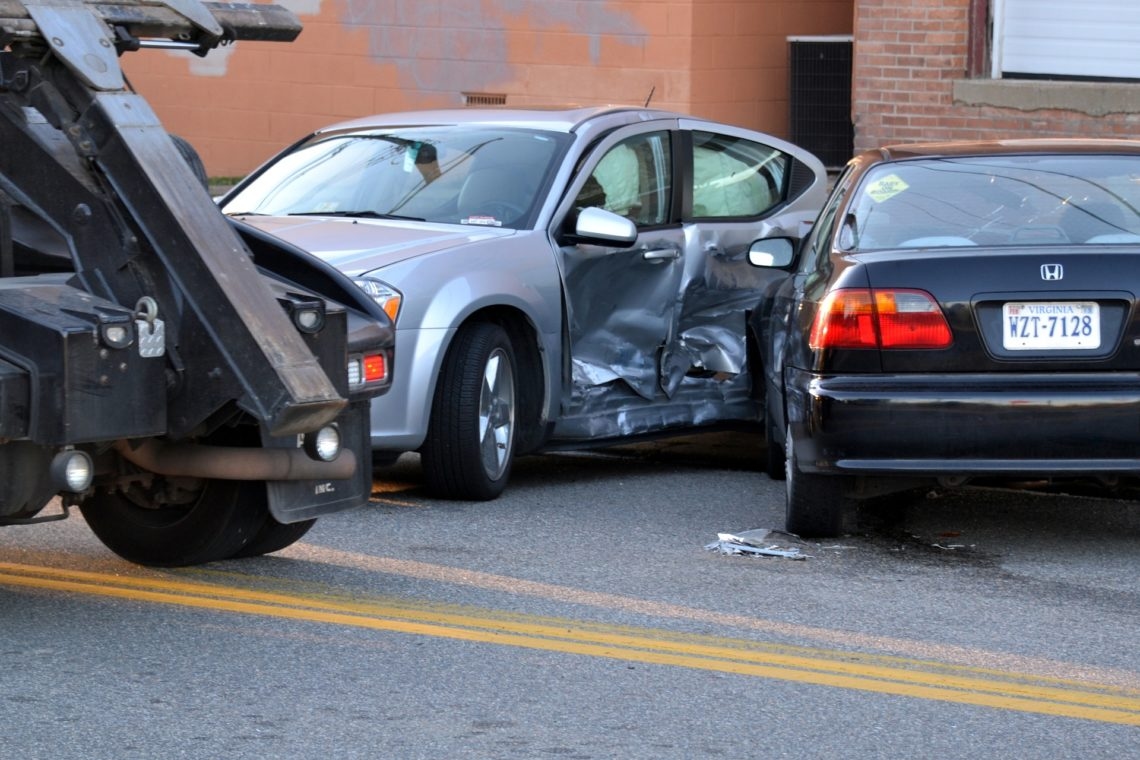
A left turn collision is when a vehicle turning left at an intersection is involved in a collision with another vehicle on the opposite side of the road that is going straight through the intersection.
Under the reasonable person standard, the driver turning left is usually at fault for the accident. This is because a vehicle turning left turning must wait until it is safe to turn.
However, the driver going straight through the intersection may be partially at fault if s/he was speeding or ran a red light. This may also reduce recovery, but not completely. Usually, speeding makes it difficult for the ‘left turning’ driver to judge when it is safe to turn. More commonly, when the light turns red, most drivers will assume it is safe to proceed in making a left turn. This is not the case if a driver runs a red light. However, many times even in these instances, the driver determined “mostly at fault”, is usually the driver turning left.
Under the reasonable person standard, a driver that rear-ended another will almost always be found at fault. One of the main factors insurance adjusters consider during rear end collisions is vehicles must maintain a safe distance behind the cars in front of them at all times. However, if you were breaking and one or more of your brake or tail light bulbs were out or broken, fault can be split between drivers. For instance an adjuster may find the drivers partially at fault or 50/50. If an driver can prove that due to the broken tail light, the driver did not have enough time to respond or had a difficult time stopping. In this situation the amount of money you can recover will be reduced, however, you will probably still be able to get something.
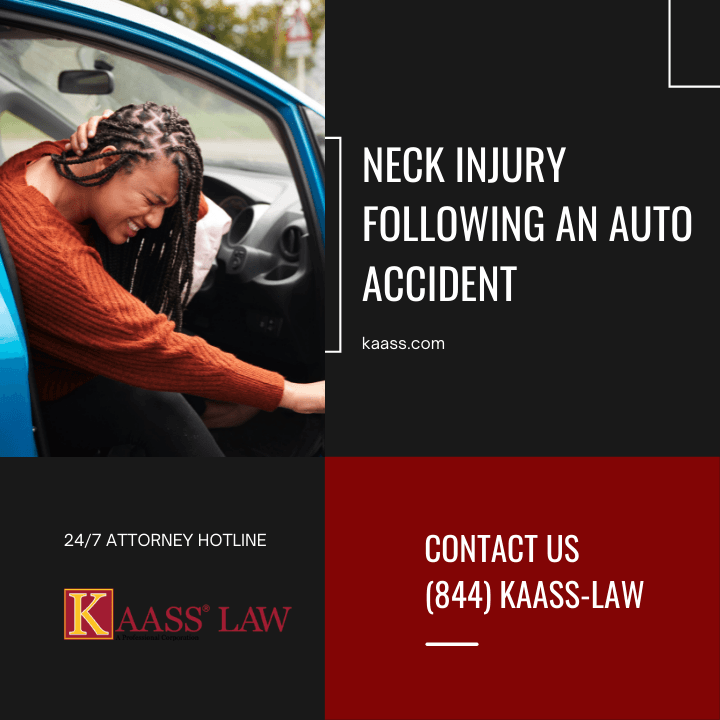
Injuries to the neck, resulting from snapping or jerkin are known as "whiplash". Whiplash describes a range of neck injury 'soft tissue' damages, which is a common result of rear-end accidents. In a rear-end accident, the impact forces the driver's and passengers' bodies to be thrown forward. At the same time, their heads stay in place, causing the neck to suddenly extended, which follows a whip-like motion.
While whiplash and any other types of neck injuries generally occur in rear-end auto accidents, neck injuries and whiplash injuries can also result from different types of accidents and personal injury matters as well. Some types of accidents that may cause whiplash or neck injuries are:

According to the United States Department of Transportation, nearly 80 percent of motorcycle accidents are either fatal or cause injuries. Understanding of your rights cannot hurt as much as getting into one. California motorcycle accident laws are very similar to those in other states. There are some differences that are specific to California.
California is the only state that permits lane splitting, “squeezing” in past slow or creeping traffic. California bikers must wear helmets at all times and must carry liability insurance at all times. California bikers must possess a Class M1 or M2 license and pass a skills test. Many times even the most skilled motorcyclist are involved in accident, i.e., motorcycle-auto or motorcycle-truck accidents. There are various causes for motorcycle accident such as:
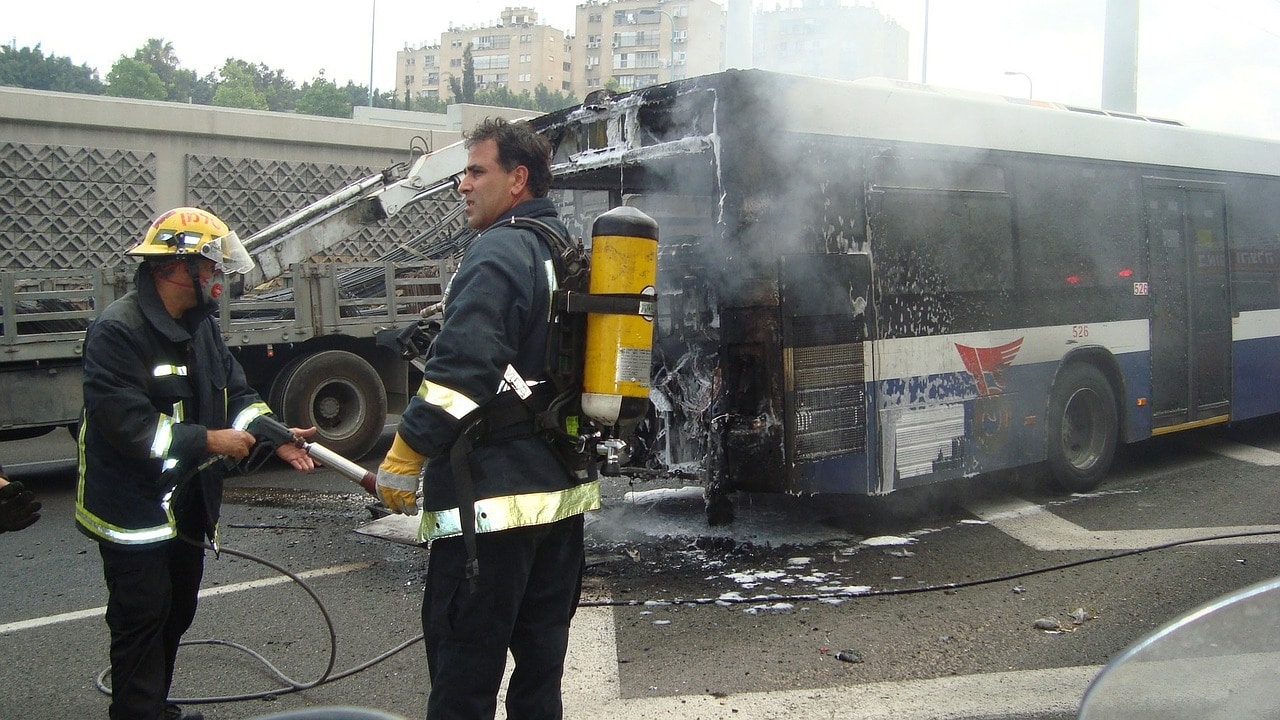
Can you sue the government or city if you were involved in an auto-bus accident? Can a passenger on the bus that sustained injuries and damages sue the bus driver?
Depending on a number of factors, you may be able to file a law suit against the responsible entity. However, if you were involved in an accident involving a public transportation vehicle, such as the Los Angeles Metro or Los Angeles Fire Department, it is vital that you contact a personal injury attorney that specializes in government tort claims because due to special laws that apply to government bodies and employees. If you were involved in an accident with a public transportation vehicle, call KAASS LAW for a free consultation with a personal injury lawyer specializing in government torts. Below are a few steps you take if you were the other car(s) that was/were involved in the accident.
If you have passengers make sure you check to see if anyone needs immediate medical attention.If anyone is injured it’s imperative that you wait for emergency personal to tend to injured passengers.
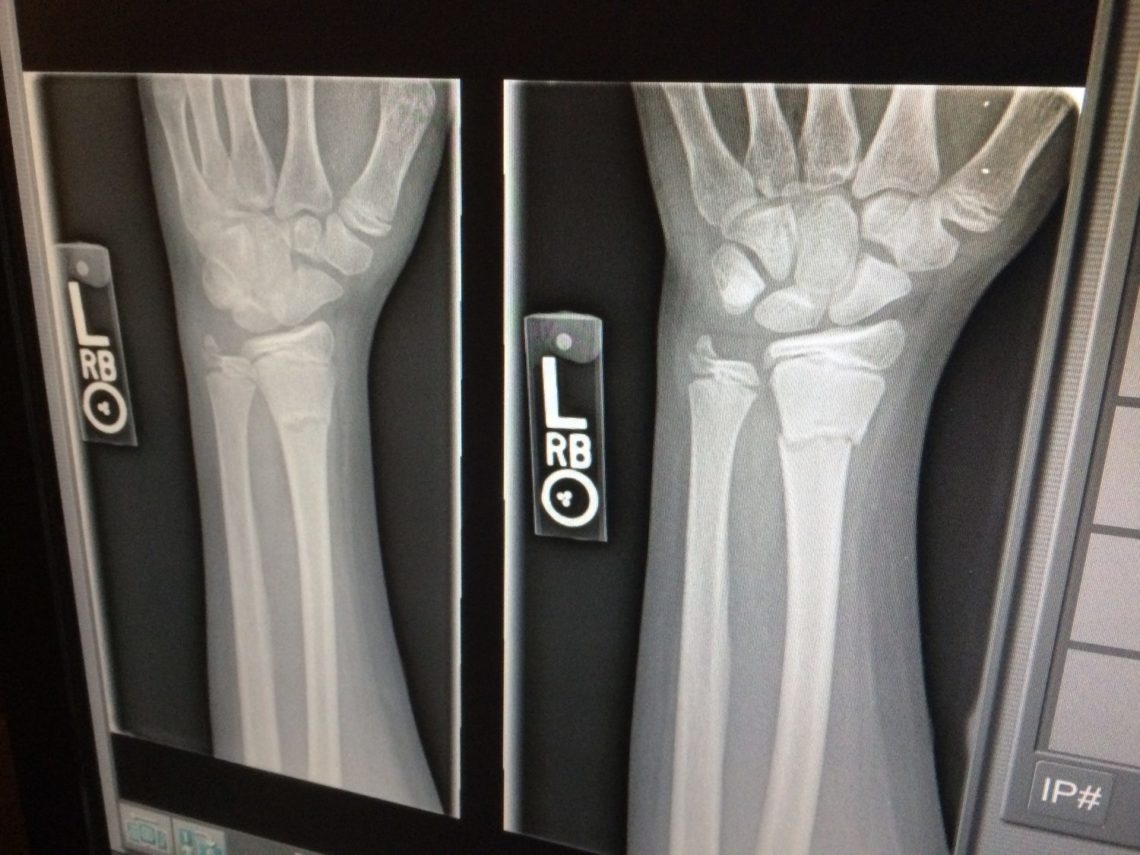
It is possible that your insurance company uses or has used Colossus in the past to determine how much should they pay you for your injury.
Wait, so you mean a computer decides the value of my injuries? Yes, a computer program computes the value of human injuries. Sadly, many times, these settlement offers are unreasonably low. If you received an unreasonable settlement offer for your damages, you can file a bad faith claim against your insurance company with regards to the use of Colossus. If you believe that you may have a bad faith claim against your insurance company give KAASS LAW a call for a free consultation with a personal injury attorney or accident attorney. Our skilled Glendale personal injury lawyers, insurance litigation attorneys, economists, and negotiators work together to secure fair settlements.
Additionally, if an applicable statute authorizes, the prevailing party in litigation can seek to recover attorney fees. Some California statutes are discretionary; such that the court “may” award attorney fees to the prevailing party, whereas other statutes provide mandatory language and “shall” award the prevailing party with its attorney fees. Some statues that allow the prevailing party to recover is when the losing party files a lawsuit based on no grounds, such that there was no reason to bring forth the lawsuit; instead, it was a waste of court’s time and resources. Other statues allow recovery of fees from a case that substantially benefits or influences the public. Give us a call, we speak English, French, Spanish, Russian, Armenian, Hebrew, Farsi, and Arabic. KAASS LAW is authorized to practice law in California. The above content is intended for California residents only. This content provides only general information which may or may not reflect current legal developments. KAASS LAW expressly disclaims all liability in respect to actions taken or not taken based on any of the contents of this website. The above content DOES NOT create an attorney-client relationship. KAASS LAW does not represent you unless you have expressly retained KAASS LAW in person at the KAASS LAW office. KAASS LAW helps clients in: Los Angeles, Burbank, Hollywood, Glendale, Van Nuys, North Hollywood, Studio City, Highland Park, Eagle Rock, Sunland, Tujunga, Sylmar, La Crescenta, La Canada, Beverly Hills, Westwood, Santa Monica, Brentwood. Pacoima, Montebello, Commerce, Alhambra, Downey, Bell, Maywood, Walnut Park, Vernon, Lynwood, Echo Park, Silverlake, Mission Hills, Northridge, Woodland Hills, Encino, Canoga Park, North Hills, Porter Ranch, Chatsworth, Reseda.
Location: 701 North Brand Blvd. Suite 100 Glendale, CA 91203 Telephone: (310) 943-1171 Email: [email protected]
Both first and third party can bring suit for insurance bad faith.
First party claims are made between its policyholder or insured and the insurance company. These type of claims are contractual by nature and are contingent on the language of the insurance policy. For the insurer to fulfill its obligation not to impair the right of the insured to receive the benefits of the agreement, it again must give at least as much consideration to the latter’s interests as it does to its own.” (Egan v. Mutual of Omaha Insurance Co. (1979) 24 Cal.3d 809, 818—819 [169 Cal.Rptr. 691, 620 P.2d 141].)
Third party insurance claim is made by a party that is not a named policyholder or insured. The most common type of third party insurance claim would be a liability claim i.e, you were rear-ended up by another driver and filed a claim with his/her insurance company.
California Insurance Code §790.3 underlines what insurance companies are prohibited from doing:
Insured must show that the insurer has:
The actionable withholding of benefits may consist of the denial of benefits due; paying less than due; and/or unreasonably delaying payments due.” (Major v. Western Home Ins. Co. (2009) 169 Cal.App.4th 1197, 1209 [87 Cal.Rptr.3d 556], internal citations omitted.)
If an insurance company is successfully found to have acted in bad faith, they may be liable to pay for:
[video width="1280" height="720" mp4="https://kaass.com/wp-content/uploads/2019/12/output_HD72010.mp4"][/video]
If you believe that your insurance company may be acting in bad faith, speak to a Los Angeles insurance attorney for a free consultation. Call our office at (310) 943-1171, our attorneys speak English, French, Spanish, Russian, Armenian, and Italian.
Location: 701 North Brand Blvd. Suite 100 Glendale, CA 91203 Telephone: (310) 943-1171 Email: [email protected]
KAASS LAW is authorized to practice law in California. The above content is intended for California residents only. This content provides only general information which may or may not reflect current legal developments. KAASS LAW expressly disclaims all liability in respect to actions taken or not taken based on any of the contents of this website. The above content DOES NOT create an attorney-client relationship. KAASS LAW does not represent you unless you have expressly retained KAASS LAW in person at the KAASS LAW office. KAASS LAW helps clients in: Los Angeles, Burbank, Hollywood, Glendale, Van Nuys, North Hollywood, Studio City, Highland Park, Eagle Rock, Sunland, Tujunga, Sylmar, La Crescenta, La Canada, Beverly Hills, Westwood, Santa Monica, Brentwood. Pacoima, Montebello, Commerce, Alhambra, Downey, Bell, Maywood, Walnut Park, Vernon, Lynwood, Echo Park, Silverlake, Mission Hills, Northridge, Woodland Hills, Encino, Canoga Park, North Hills, Porter Ranch, Chatsworth, Reseda.
(a) The decedent’s surviving spouse, domestic partner, children, and issue of deceased children, or, if there is no surviving issue of the decedent, the persons, including the surviving spouse or domestic partner, who would be entitled to the property of the decedent by intestate succession.
(b) Whether or not qualified under subdivision (a), if they were dependent on the decedent, the putative spouse, children of the putative spouse, stepchildren, or parents. As used in this subdivision, “putative spouse” means the surviving spouse of a void or voidable marriage who is found by the court to have believed in good faith that the marriage to the decedent was valid…”
Minors can also bring a cause of action for wrongful death, IF the minor(s)
Damages for wrongful death include:
We provide 24/7 motorcycle accident hot line available for victims involved in motorcycle accidents. Speak to a Los Angeles motorcycle accident attorney and find out if you qualify as a relative under California law. Our motorcycle accident lawyers charge our clients' zero upfront legal fees. That’s right – you pay nothing until and unless we make a recovery. Our attorneys speak English, Spanish, Russian, Armenian, and French.
KAASS LAW is authorized to practice law in California. The above content is intended for California residents only. This content provides only general information which may or may not reflect current legal developments. KAASS LAW expressly disclaims all liability in respect to actions taken or not taken based on any of the contents of this website. The above content DOES NOT create an attorney-client relationship. KAASS LAW does not represent you unless you have expressly retained KAASS LAW in person at the KAASS LAW office.
KAASS LAW helps clients in: Los Angeles, Burbank, Hollywood, Glendale, Van Nuys, North Hollywood, Studio City, Highland Park, Eagle Rock, Sunland, Tujunga, Sylmar, La Crescenta, La Canada, Beverly Hills, Westwood, Santa Monica, Brentwood. Pacoima, Montebello, Commerce, Alhambra, Downey, Bell, Maywood, Walnut Park, Vernon, Lynwood, Echo Park, Silverlake, Mission Hills, Northridge, Woodland Hills, Encino, Canoga Park, North Hills, Porter Ranch, Chatsworth, Reseda.
Additionally, the FAA requires recreational users of drones that weigh between 0.55lbs (250 grams) and 55lbs to register their aircraft online through the FAA website.
Similar to the FCC rules, the Los Angeles City council has recently passed an ordinance that regulates both commercial and recreational drone use. The Los Angeles City ordinance mimics the FAA rule as it limits recreational use of drones as follows:
On the state level, the California legislature has recently passed three bills concerning recreational drone use, which the governor has signed into law.
The first bill, A.B. 856 was signed into law in October of 2015. The bill expands liability for physical invasion of privacy to additionally include a person knowingly entering into the airspace above the land of another person without permission.
Moreover, A.B. 1680, was signed into law in September of 2016. This bill expands the scope of the crime of “going to or stopping at scene of emergency for purpose of viewing; interference” under California Penal Code § 402 to include the operation or use of an unmanned aerial vehicle, remote piloted aircraft, or drone, regardless of the operator's location, in the definition of a person.
Lastly, S.B. 807, signed into law in September 2016, limits the civil liability of emergency responders, volunteers, or private entities for drone damage caused while they were performing emergency services and the drone was interfering with those services.
It also limits the exposure to civil liability of a local public entity or public employee for damage, if the damage was a result of specified emergency services.
Because of the increasing popularity of recreational drone use, it is important to know and understand the laws and regulations that govern the activity. It is expected that more acts, regulating drone use, will be enacted both on federal and state level. [1] Rules are subject to waiver [2] L.A. Mun. Code, §56.31(b) [3] 2015 Bill Text CA A.B. 856 [4] 2015 Bill Text CA A.B. 1680 [5] 2015 Bill Text CA S.B. 807
KAASS LAW is authorized to practice law in California. Our lawyers in Glendale, Los Angeles County, California, specialize in multiple attorney practice areas. The above content is intended for California residents only. This content provides only general information which may or may not reflect current legal developments. KAASS LAW expressly disclaims all liability in respect to actions taken or not taken based on any of the contents of this website. The above content DOES NOT create an attorney-client relationship. Additionally, please note that KAASS LAW does not represent you unless you have expressly retained KAASS LAW in person at the KAASS LAW office.
KAASS LAW criminal defense attorneys helps represent clients in Los Angeles, Burbank, Hollywood, Glendale, Van Nuys, North Hollywood, Studio City, Highland Park, Eagle Rock, Sunland, Tujunga, Sylmar, San Bernardino, La Crescenta, La Canada, Beverly Hills, Westwood, Santa Monica, Brentwood. Pacoima, Montebello, Commerce, Alhambra, Downey, Bell, Maywood, Walnut Park, Vernon, Lynwood, Echo Park, Silverlake, Mission Hills, Northridge, Woodland Hills, Encino, Canoga Park, North Hills, Porter Ranch, Chatsworth, Reseda.
Insurance companies will often classify a rear-end collision as a low impact accident and will attempt to argue that the due to the impact bodily injury damages are minimal, thus offering low ball offers, even if medical reports prove otherwise. However, a typically injury one may sustain from a rear-end collision is whiplash or an neck injury, which may sometimes cause serious soft tissue damage. Some soft tissue damage includes, muscle tissue, ligaments and tendons. These types of damages frequently results in pain, swelling, tightness, bruising, or inflammation. However, these injuries are not always immediately apparent. Thus, injured parties may be offered a low settlement amount. Don't be that guy. Contact our office and receive free no obligation consultation with our Glendale personal injury attorneys specializing in auto accidents.
Address: 701 North Brand Blvd. Suite 100 Glendale, CA 91203 Phone: (310) 943-1171 Email: [email protected]
Many mistakenly believe that whiplash can only occur in high-speed accidents. Low-speed, low-impact, rear-end auto accidents commonly cause whiplash.
Another misconception is that whiplash is a minor injury. However, many medical experts suggest that soft tissue injuries can be severe and have long-term affects if left untreated. It is recommended following an accident, one seeks medical attention or a chiropractor in Los Angeles as soon as possible. If left untreated, it is possible that neck injuries can have serious consequences and cause widespread health problems.
If you were involved in an auto accident, motorcycle accident, pedestrian accident, bicycle accident, or any other personal injury matter, call or contact our personal injury attorneys for a free consultation. Our Glendale personal injury attorney at KAASS Law will review your case and answers any questions you may have.
[contact-form][contact-field label="Name" type="name" required="true" /][contact-field label="Email" type="email" required="true" /][contact-field label="Website" type="url" /][contact-field label="Message" type="textarea" /][/contact-form]
It is important for you to protect your legal rights when involved in a motorcycle accident. Never sign a document that is presented to you by the opposing insurance company without having an experienced California motorcycle accident lawyer review it for you first.
Many times, insurance adjusters will offer very low settlement offers. Other times the driver will deny fault and attempt to force the motorcyclist to admit fault. It is important that you consult with an motorcycle accident attorney to help preserve your rights. Call KAASS LAW and schedule you with a free consultation with an experience motorcycle accident attorney.
Our Los Angeles motorcycle accident attorneys represent riders in Glendale, Los Angeles, Burbank, Woodland Hills, North Hollywood, San Fernando Valley, and the surrounding cities.
Depending on the severity of the accident it is important to try to not move anyone because this might aggravate their injuries
If there is significant property damage, physical injury, or death call the police.
If injuries are reported tell the office to write a police report and get the responding officer's name, badge number, and what bureau the officer is employed with.
Like most car accident cases parties will have to prove who the at-fault driver was. Public transportation companies are subjected to “common carrier” law in some states.
“Common carrier” law refers to the higher or highest degree of care that public transportation companies have to provide for their customers. Trolleys, trains, buses, taxis, and even limousines are subject to the “common carrier” law meaning they have a higher duty to act reasonably. Further, if the public transportation driver was found at fault there are special laws and rules that apply to government entities. If the driver/employee of public transportation is found negligence, you can file a claim or sue the city, county or state responsible for overseeing public transportation activities under Government Tort laws.
For instance, the if the accident involved the Los Angeles Metro the responding entity would most likely be the Los Angeles County Metropolitan Transportation Authority.
Six months deadline to properly notify the proper entity overseeing that specific public transportation/bus, in writing of the precise circumstances of your accident.
You may have to file a special form provided by the responsible government agency. If you fail to file a claim with the correct entity within the 6-month statue, you may lose your chances of filing a lawsuit If you properly filed your claim and your claim was denied, it is required by law that you are put on notice of your legal rights regarding the 6-month statute of limitation to file lawsuit for personal injuries and damages sustained. If you have not heard from or unsure about the status of your claim, you may still have 2 years to file a lawsuit against the government entity.
If you are unsure if you have a claim, call KAASS LAW at (310) 943-1171 for a free consultation.
Rule 23 of the Federal Rules of Civil Procedure: Rule 23 requires the following: (1) the class is so numerous that joiner of all members is impracticable; (2) there are questions of law or fact common to the class; (3) the claims or defenses of the representative parties are typical of the claims or defenses of the class, and; (4) the representative parties will fairly and adequately protect the interests of the class. To certify a class under Rule 23(b)(3), questions of law or fact common to the members of the class must predominate over any questions affecting only individual members.”