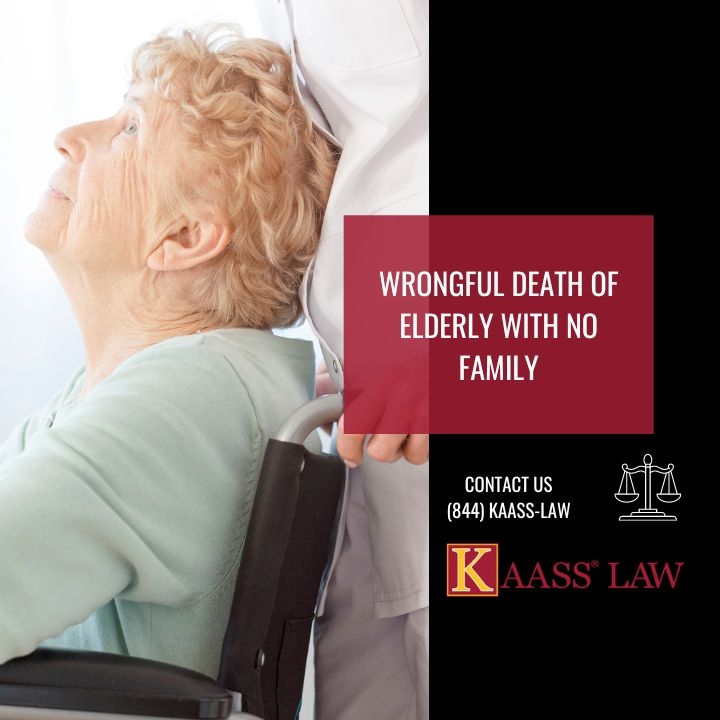
Elderly persons are among the most at-risk populations in society, and their passing can be devastating. When an older person passes away unexpectedly, the loss and sadness could be even deeper. Unfortunately, it is much harder on the elderly with no family since they don't have family or close relatives to comfort them in their loss or fight for justice on their behalf.
The Definition of Wrongful Death
A "wrongful death" occurs when someone dies as a result of someone else's or a group's negligence. The surviving family members may be able to get financial compensation because this kind of death is thought to constitute a civil wrong. One who has lost their family may still be able to pursue compensation and justice. This process could be more difficult.
The Tragedy of Older People Without Families
Elderly people who have no family confront numerous obstacles in their daily lives. They may not have the necessary emotional and practical assistance because they are frequently alone. They may find it challenging to handle their daily affairs and obtain necessary services as a result of this lack of help. These people frequently have other medical or mental health problems, which can make them even more vulnerable and isolated. It is upsetting when a senior without a family goes away since there might not always be someone to speak out for their needs or defend their rights. Elderly people who live alone are frequently the victims of abuse or neglect in care institutions. A wrongful death might come from this in a hospital, nursing home, or another care facility.
The Benefits of Representing Elderly People
We must speak up for older persons without families to protect their rights and advance their interests. This can be accomplished in a number of ways, including through advocacy organizations and legal action. Elderly persons who regularly pass away have the right to compensation through a wrongful death case, according to their surviving family members. The rights of elderly individuals without families can get protection from advocacy groups. Legally, emotionally, and practically, these groups can help those who are overcoming the challenges of age and loneliness. In addition to raising awareness of the issues that older persons without families face, they can strive to guarantee that their perspectives are as important.
What will Happen with Compensation?
When a senior citizen without family dies in a car accident, the estate of the deceased is typically reimbursed. You can use the funds to cover the cost of the deceased's funeral. Or even any further losses brought on by the wrongful death. Sometimes there is no will or other manner of determining how the settlement fund will be allocated. The court may appoint an administrator to oversee the distribution. The administrator may be a government representative, an ordinary person, or a lawyer, depending on the applicable jurisdiction. On occasion, a nonprofit or benevolent organization that helps the elderly or people in similar situations can receive the funds. This raises the possibility that the departed will leave a lasting legacy and that their death will benefit other people. It is essential to consult with an attorney who specializes in wrongful death cases. He can help you determine the best course of action in a particular situation. A lawyer can guide you through your legal options.
Contact Los Angeles Attorney Today
The wrongful death of an elderly person with no family is a tragedy that highlights the importance of protecting the rights and interests of all members of society, regardless of their age, health, or social status. It is imperative that we cooperate to safeguard the elderly from abuse, neglect, and other wrongdoing. We may contribute to making sure that elderly people's rights remain valid through advocacy, legal action, and other ways. Give us a call for a free consultation at 310.943.1171 or visit our website for other practices.
Video games have been more and more popular recently, especially in Los Angeles, which is known for having a strong entertainment industry. The worrisome trend of video game-related wrongful death has emerged in the city as a result of this growing fondness for video games.
What is Wrongful Death in Video Games Accidents?
When someone dies as a result of someone else's carelessness or wrongdoing, this is "wrongful death." This can happen when a person plays a video game for an inordinate length of time, which can result in damage or death.
Types of Injuries Caused by Video Games Accidents
Types of injuries that video games accidents can cause include:
Injuries. Playing video games for extended periods can lead to physical ailments like carpal tunnel syndrome, back pain, and eye strain. However, these illnesses may be crippling and have an enormous influence on a person's quality of life.
Issues with mental health. A person's mental health may suffer by playing video games. Excessive gaming has been linked in studies to addiction, depression, and anxiety.
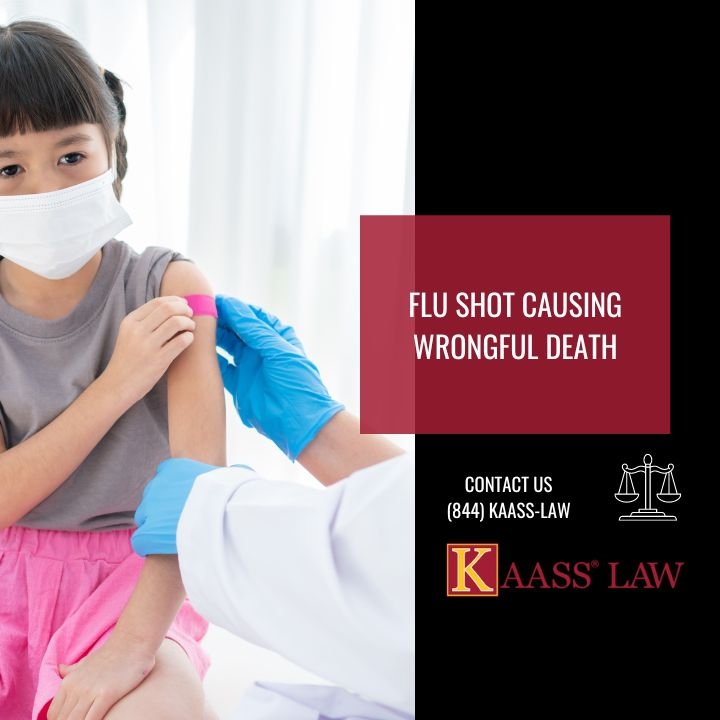
A flu shot is a crucial component of many people's healthcare regimens. It is a vaccination that aids in defending against the influenza virus, which can result in significant illness. As well as inpatient stays and even fatalities. Although the flu vaccination is typically considered safe, there have been instances where people have had serious responses that resulted in their wrongful death. This blog post will go over what wrongful death following a flu vaccination is, and how it occurs. We will also discuss the legal recourse the families have.
Understanding Wrongful Death After a Flu Shot
Wrongful death is when someone passes away following a flu shot due to a serious adverse response. Several factors, such as allergic responses or other issues that develop after having the vaccine, can cause this. These fatalities are regarded as unjust since they result from someone else's carelessness or fault, such as a healthcare practitioner or a vaccine manufacturer. The family of the deceased may be eligible for compensation in cases of wrongful death following a flu vaccine. This compensation may include lost wages, burial fees, hospital bills, and other related costs. Yet, because there are frequently several circumstances to take into account, proving wrongful death in these cases can be difficult.
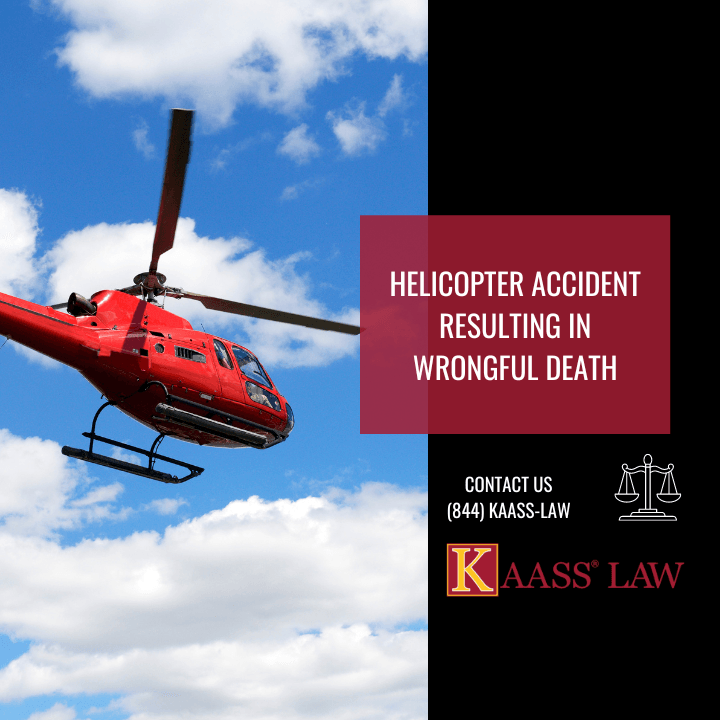
Although you might not consider helicopter accidents frequent, they can occur and result in terrible losses. Even a modest helicopter collision can result in injuries and property damage costing millions of dollars. Also, helicopter accidents might result in lifetimes of mental pain and financial costs for surviving family members. After any helicopter accident, the California helicopter crash attorneys at Kaass Law are here to defend your legal rights.
Typical Causes of a Helicopter Accident
Helicopter crashes can happen for a variety of causes. So, working with a lawyer familiar with aviation's technical complexities is essential to establish liability for the accident. Here are some frequent reasons for helicopter accidents:
Pilot Mistake
All aviation accidents are most likely caused A careless pilots who can be responsible for the harm (or fatalities) they bring by pilot error. Both the aircraft owner and the pilot's employer are liable. A wrongful death may also be the responsibility of related businesses, such as the private charter firm that organized the flight or a helicopter tour. Therefore, to guarantee that you receive all the compensation you are entitled to for your injuries, a skilled helicopter accident lawyer will be able to identify all potential defendants and establish their legal liability for the accident.
The healthcare industry has always been a noble profession, with staff members there to provide care to the elderly and the sick. However, the COVID-19 pandemic has brought to light the dangers faced by healthcare workers, especially those working in nursing homes. The heartbreaking reality is that many of these dedicated and selfless individuals have lost their lives while serving others. This article will examine the issue of wrongful death of staff members in nursing homes and the impact it has on their families, communities, and the healthcare system as a whole.
Defining Wrongful Death
Wrongful death is a legal term that describes a death that occurs as a result of the negligence or wrongful act of another person or entity. In the context of nursing homes, this can refer to a death that occurs as a result of inadequate staffing levels. As well as, a lack of personal protective equipment (PPE), or failure to implement proper infection control measures.
The Impact of COVID-19
The COVID-19 pandemic has had a profound impact on the healthcare system, and nursing homes have been especially hard-hit. The virus spreads rapidly in congregate living settings like nursing homes, making staff members and residents alike more susceptible to infection. Unfortunately, many nursing homes were not adequately ready to deal with the pandemic. Therefore, staff members were at risk as a result. The U.S. Centers for Disease Control and Prevention (CDC) reported that by the end of December 2020, over 40,000 staff members in nursing homes had been infected with COVID-19 and over 1,200 had died. This is a staggering number and highlights the need for better protection and support for these essential workers.
A sizable part of workers s hurt or killed on construction sites each year are victims of crane accidents. Because of the nature of crane-related work, persons hurt in crane accidents usually have severe injuries, and many of these incidents also cause fatalities. Cranes are robust machines, but when mismanaged, they can tip over, collide with other machines, interfere with electrical lines, or cause debris to fall. Regrettably, many crane-related human injuries and deaths result from negligence, poor management, defective design, and other avoidable issues. Failure to follow basic procedures can affect construction workers and pedestrians near crane sites. Our team of wrongful death attorneys at Kaass Law understands the significance and severity of crane accidents. Therefore, we are ready to commit the resources required to guarantee victims receive maximum compensation for their injuries.
What Are the Most Common Causes of Crane Accidents Causing Wrongful Death?
The most frequent reasons for crane fatalities are abrupt drops of loads from great heights, worker strikes from swinging loads, and crane collapse. State statutes allow families to pursue a California construction injury claim against property owners, contractors, and death benefits when these mishaps happen. In California, if any of the following caused the crane disaster, surviving family members might be eligible to seek compensation also from third parties.
Taxable settlements for wrongful death are typically exempt from taxation. According to IRS Rule 1.104-1, the compensation you get from a wrongful death settlement is not taxable. Any "compensatory" element of a settlement or award is exempt from taxation in the eyes of the Internal Revenue Service. For tax purposes, these damages are not deductible. They aim to compensate for losses a party has previously suffered. Unfortunately, the analysis does not end there for the plaintiffs. Numerous survival actions result in significant punitive damages, which aim to hold a party accountable for their actions and deter others from taking the same or similar activities. Punitive damages are sometimes high in these cases when a giant corporation is a defendant to have a significant effect on the defendant's financial status. The IRS will examine the nature of the alleged damages in determining the share of a settlement or award subject to tax. Furthermore, suppose the ratio of punitive to compensatory damages does not accurately reflect the "economic substance" of the payment. In that case, the IRS has the legal right to contest the settlement's legal framework.
Drunk driving collisions can cause severe injuries and even fatalities, mainly when they occur quickly. Because drunk driving accidents are so dangerous, the legislation imposes administrative, criminal, and civil penalties on violating drivers. If someone close to you died in a drunk driving accident, Kaass Law attorneys are here to help. We will examine the event's circumstances and evaluate whether you can file a claim. Although no amount of money will ever replace the loss of your family member, it can give you the sense of justice and closure you need.
Legal Standards for Drunk Driving
A person will face severe convictions for drunk driving in California. A driver with a blood alcohol content (BAC) of 0.08 percent or more is frequently considered inebriated. Drivers of large rigs, tractor-trailers, and drivers under the age of 21 are subject to stricter regulatory requirements.
Drunk Driving and Wrongful Death Claim in California
A wrongful death claim is a lawsuit that enables the surviving family members of the deceased to demand compensation from the person or entity who caused their loved one's passing. The damages obtained may be used to assist in covering funeral costs, medical expenditures, and other losses related to the death. These claims may be brought in civil court. Claims for wrongful death result from another person's careless, irresponsible, unlawful, or intentionally bad behavior. Establishing an estate for your departed loved one is the first step in bringing a The court will then choose a personal representative (PR) to manage that estate. The personal representative then files the wrongful death claim, usually with the negligent driver's auto insurance provider. Wrongful death lawsuits often proceed similarly to any other personal injury action. To prevail in a wrongful death lawsuit, the claimant must show that the other driver's negligent behavior caused the vehicle accident, which then caused the accident victim's premature death. A skilled attorney can assist you in establishing the legal aspects of your claim and recovering the damages.
Wrongful death in an ambulance is a tragic event. It happens when medical professionals fail to provide proper care and treatment to a patient. It can happen due to negligence, incompetence, or malpractice. This type of incident can have a devastating impact on the patient's family and loved ones. This blog post will discuss ways to prevent wrongful death in an ambulance and what steps to take if it does happen.
What is a Wrongful Death in an Ambulance?
Wrongful death in medicine happens when a care practitioner disregards or forgets established medical practice when negligently treating a patient. In a hospital, it might be defying medical tradition, failing to diagnose, making a surgical error, or making a drug error. Other regrettable but prevalent causes of wrongful death include:
A restaurant accident resulting in a wrongful death can raise serious concerns about the safety and security of that restaurant. Negligent behavior by the staff, inadequate safety measures, or insufficient training are just some of the reasons why such an incident can occur.
What Does a Wrongful Death Mean?
When a person dies due to another person's negligence or intentional action, it is considered a wrongful death. In the context of a restaurant, this can include instances such as food poisoning, slip, and fall accidents, or choking on food.
Determining Liability in a Restaurant Accident Case
The owner or staff may be liable if their negligence was the cause of the customer's death. Liability can be determined through various theories, such as negligence, product liability, or intentional wrongdoing.
Negligence. For instance, can arise if the restaurant owner or staff failed to take reasonable measures to ensure the safety of their patrons. This can include failing to train employees, improper maintenance of equipment, or inadequate steps taken to prevent food poisoning.
Death. In the worst circumstances, excessive gaming has even resulted in fatalities. This can happen out of neglect, such as when a person neglects to eat, drink, or sleep while gaming, or it can happen as a result of the physical stress brought on by extended gaming sessions.
The Impact of Wrongful Death on Families
The loss of a loved one is always tragic. When it happens because of someone else's carelessness, it can be even more upsetting. Families of those who have lost loved ones in Los Angeles as a result of excessive gaming frequently experience grief and may even feel angry and frustrated.
The Role of Game Developers and Online Gaming Platforms
Similar obligations exist for online gaming providers to guarantee the security of their players' data. In this, people need to take measures to avoid excessive gaming. For instance, including time-limitation tools and alerting users to the risks of protracted gaming sessions. Additionally, online gaming platforms must be mindful of how their games could affect a player's physical and mental health and take precautions to reduce these hazards. Online gaming platforms and game creators in Los Angeles need to adhere to industry-wide standards. It guarantees the safety of all items for consumers. Therefore, this might contain rules for limiting overindulgent gaming. as well as, guidelines for alerting consumers to the risks associated with protracted gaming sessions. Industry-wide standards would facilitate the development of a unified strategy. It guarantees user security and aids in preventing wrongful death brought on by video games. Video game accidents are becoming more and more of a problem in Los Angeles and other places across the globe. People must be aware of the risks of excessive gaming and take steps to restrict their playtime. Also, game developers and online gaming platforms must make sure that their products are safe for consumers. Additionally, everyone has to be aware of the potential risks posed by video games and take action to avoid wrongful deaths.
Contact Our Experienced Attorney Today
Seek the advice of an experienced attorney if you or a loved one has been harmed by wrongful death brought on by video games in Los Angeles. An attorney with experience in this field can guide you through the complicated legal system and make sure you get the money you are due. With their expertise, they can help you create a compelling argument and represent you in court. You'll be able to concentrate on getting better and progressing. Stop waiting right now. Get in touch with our skilled lawyer right away. Take the first step toward protecting your rights and obtaining the justice you deserve by calling us at 310-943-1171. Visit our website for other practices.
After receiving a flu vaccination, wrongful death can occur for several reasons. They may consist of:
Allergy symptoms. The flu vaccination or any of its ingredients may cause adverse reactions in certain people. Anaphylaxis, a severe reaction that can cause death, is one such possibility.
Medical issues that were present before. Those with autoimmune disorders or other pre-existing medical illnesses may be more likely to experience severe reactions after receiving the flu vaccine.
Contamination of the vaccine. The flu vaccination occasionally develops contamination during manufacture, which can result in serious side effects and even death.
Medical malpractice. In some situations, doctors may administer the flu shot incorrectly, resulting in complications and wrongful death.
Legal Options for Families Affected by Wrongful Death After a Flu Shot
You may be able to get compensation if your loved one passed away due to wrongful death following a flu vaccine. As well as demonstrate that the vaccine manufacturer or a healthcare professional was at fault for the end to do. You must demonstrate that a healthcare professional or vaccine maker owed the dead a duty of care, that duty was broken, and that the death was the result of the broken duty to establish wrongful death. This can be difficult because there are frequently many elements to take into account and evidence to gather. You may bring a case against the parties at fault if a flu vaccine results in wrongful death. This can include the producers of vaccines, healthcare providers, and other organizations that may have caused the death. You will need to engage with a skilled lawyer who can guide you through the court process and create a compelling argument on your behalf.
Contact Attorney Today
While people typically consider the flu vaccination to be safe, it has caused serious responses resulting in wrongful death. If a loved one passed away because of a flu vaccine, you might be able to get financial compensation. To do this, you will need to engage with a skilled lawyer who can guide you through the court system and create a compelling argument on your behalf. You can seek justice for your loved one and hold those responsible accountable with the help of competent legal counsel. Give us a call for a free consultation at 310.943.1171 or visit our website for other practices.
A helicopter may occasionally crash before it ever takes off. Before taking off, pilots must make sure their aircraft is safe to fly. Thus, like other aircraft, helicopters require routine inspection. Helicopter owners must complete annual reviews and maintain their aircraft in operable condition. In the event of a crash brought on by inadequate maintenance, the owner, the pilot, and the organization contracted to maintain or repair the aircraft may all be held accountable.
Defective Parts
A helicopter is a complex mechanical device with thousands of moving components susceptible to failure. There is a greater chance of flaws in parts, systems, or the entire helicopter because aircraft are even more complex machines than automobiles. Known as "strict product liability," manufacturers may be held accountable for helicopter crashes brought on by malfunctioning components. Basically, an injury victim need not demonstrate the manufacturer's negligence under strict responsibility. The maker can be held accountable for the victim's injuries as long as the product was being used as intended at the time of the incident. Along with handling wrongful death and personal injury lawsuits, the helicopter attorneys at Kaass Law have experience with these product liability claims.
Wrongful Death Claims after a Helicopter Accident in California
Unfortunately, wrongful deaths are a common outcome of helicopter accidents. While grieving, it can be challenging for surviving family members to consider submitting a claim and going through the legal system. However, it is crucial to hold negligent actors accountable for the deaths they bring about. Pilots, helicopter owners, and negligent manufacturers must all be liable for the tragedies they bring about. This responsibility assists in preventing future instances of negligence. In the long run, it might even save lives.
Who Can Be Liable for a Wrongful Death?
There are several possible defendants if a helicopter accident results in wrongful death. These defendants include:
Pilots
Owners
Charter services
Manufacturers
Others whose negligence led to the victim's demise
Damages that Family Members Can Recover
Survival family members can get compensation for an extensive list of damages, including:
Additionally, registered domestic partners and surviving spouses are eligible for compensation for loss of consortium. This loss of consortium stands in for the emotional losses brought on by a spouse's premature passing, including care, companionship, affection, and even the inability to engage in sexual activity.
Our knowledgeable helicopter crash attorneys at Kaass Law have years of expertise. We are familiar with the legal and medical concerns that helicopter crash cases raise. Call (310) 943-1171 to schedule your consultation now! Visit this website to see our other services.
One of the biggest factors contributing to the high number of staff fatalities is the lack of personal protective equipment. PPE is critical in preventing the spread of COVID-19 and protecting healthcare workers. However, many nursing homes have reported shortages of PPE, putting staff members at risk of infection. In some cases, staff members had to reuse masks and other protective gear. This puts themselves and their patients in danger.
Inadequate Staffing Levels
Another factor that has contributed to the high number of staff fatalities in nursing homes is inadequate staffing levels. Nursing homes need to have enough staff members to provide adequate care for their residents. However, many facilities are operating with a skeleton crew due to budget constraints, staff shortages, and the need to quarantine infected workers. This leaves remaining staff members overworked and at higher risk of infection.
Impact on Families and Communities
The wrongful death of a staff member in a nursing home is a tragedy that has far-reaching consequences. The family of the deceased is left to cope with the loss of a loved one, and in many cases, a primary source of income. The wider community also feels the impact. As these individuals were often respected and loved members of their neighborhood. The loss of a healthcare worker also has a significant impact on the healthcare system as a whole. The sudden departure of a dedicated and skilled staff member can create a vacuum that is difficult to fill. Also, it takes time and resources to train a new hire to take their place.
Contact Attorney Today
The wrongful death of staff members in nursing homes is a devastating reality. It is unacceptable that these essential workers, who have dedicated their lives to serving others, are losing their own lives due to a lack of adequate protection and support. Governments, nursing homes, and other stakeholders must take action to ensure that these dedicated individuals are properly. Call us at 310.943.1171 or visit our website for other practices.
Contractors may be responsible for crane movement due to altering ground conditions or placing the crane too close to electrical power lines. Construction of crane foundations must follow manufacturer and safety requirements.
Manufacturing Flaws
The crane's manufacturer may be responsible if the crane had poor design, was poorly tested, or had manufacturing flaws. A product maker may also be liable if one of its crane components malfunctions. The products can include hooks, slings, pulleys, or wire rope.
Lack of Supervision or Training
Contractors can be responsible for fatalities caused by inexperienced crane operators, a lack of a signalman, or allowing crane operations to proceed unchecked.
Lack of Warning
The risks associated with operating a crane, particularly the perils of exceeding the crane's load capacity, are muscularly disclosed by crane makers.
Improper Inspections or Maintenance
Before utilizing lifting weights, cranes must pass a thorough inspection to find any flaws. Regrettably, a lot of components malfunction as a result of improper maintenance.
Who Can Be Responsible For Crane Accidents that Caused Wrongful Death?
Accidents on a building site caused by crane failure implicate multiple possibly culpable parties. The vast majority of crane-related injuries are the result of operator error. The company that hired the operator and any companies entrusted with training the employee are immediately liable. The individual, lousy superb, vision, and failure to enforce proper safety practices can be responsible for wrongful death. These could also result from improper load fastening, inadequate clearing of the lift site, and failure to account for wind. In addition to these potential operator errors, mechanical difficulties might result in injury. Inadequate maintenance might result in crane collapses and buckling. In situations like this, property safety precautions could have prevented the tragedy. Additionally, a surviving family member may seek restitution from the following parties:
Property owner
Property management company
Subcontractors to the general contractor
Manufacturer
Contact Experienced Wrongful Death Attorney Today!
While nothing can compensate for the loss of a loved one, a wrongful death case can provide family members with closure and consolation. You may be entitled to receive damages as a surviving relative for your loved one's medical bills, end-of-life costs, lost financial benefits, lost guidance and emotional support, and other effects of accidental death. Contact Kaass Law wrongful death attorneys at (310) 943-1171. Visit this website to see our other services.
Various factors must be taken into account. There are some cases where an exception can apply, and punitive damages will not be regarded as taxable income. You can manage these obstacles with our team of wrongful death attorneys. Basically, you can negotiate the tax ramifications of your wrongful death compensation with an experienced attorney.
Do You Have to Pay State Taxable Settlements in California After a Wrongful Death?
According to California law, people who have lost a loved one as a result of avoidable mishaps or the malicious actions of others are frequently entitled to substantial monetary compensation. So, family members who are still alive have two independent legal options that let them demand various mutually incompatible damages:
Wrongful Death Action Tax Liability in California
Surviving family members like spouses, siblings, parents, and children can feel this lawsuit. Here are a few examples of damages family members can recover:
In these legal cases, family members frequently receive compensation that exceeds millions of dollars. Because of this, many people thinking about pursuing a wrongful death or survival action question if there is any way to avoid having a hefty tax liability upon receiving a settlement or award.
Survival Action Tax Liability in California
According to California Code of Civil Procedure 377.30, the personal representatives of a decedent's estate bring the survival actions. Thus, survival actions allow them to pursue any personal injury claims that the decedent may have sought if he or she had survived. All of the following damages an injured party can recover:
Wrongful Death Award May be Subject to Taxation in California
As California law allows for punitive damages in wrongful death lawsuits, a portion of the award from a survival action may be taxable. However, because wrongful death damages are limited to compensatory damages, any settlement or award you receive may be non-taxable. Of course, for specific information about your case, you should consult with an attorney who has experience representing clients in your situation.
You should contact our California wrongful death attorneys right away if you lost a loved one in an accident or as a result of someone else's wrongdoing. Our knowledgeable attorneys are aware of how crucial it is for families to receive justice through a successful legal proceeding. Call (310) 943-1171 now to arrange a consultation with one of our attorneys. For more practice visit our other website.
Those who successfully establish the required legal aspects of their wrongful death claim may get compensation for various damages. Damages for wrongful death vary from case to case, and no two claimants will receive the same sum of money. The accident conditions and other significant elements will often affect the damages that a claimant may be able to receive. A wrongful death claimant may receive compensation for the costs of burying and funeral his loved one. The settlement could also cover the deceased person's pain and suffering between the time of the accident and the untimely passing. Moreover, the claimants can recover damages for losing the deceased's future earnings. This devastation is frequent when surviving family members rely on the decedent for financial support. Moreover, claimants can get compensation for losing the deceased's comfort, care, and company. Finally, claimants may pursue punitive damages because of the negligent driver's heinous actions. Punitive damages aim to punish the guilty motorist and deter others from driving after drinking.
Contact California Wrongful Death Attorney Today!
You should contact a skilled California wrongful death attorney as soon as you can if a loved one died in an automobile accident brought on by a careless driver. Kaass Law's attorney can assist you in submitting the required claim or lawsuit and explain your legal alternatives for moving forward. Kaass Law is A reputable law firm with years of expertise guiding families through wrongful death cases in California. We will advocate for you during every stage of the proceedings. At Kaass Law, we will work to maximize the monetary recovery you receive through settlement. Give our office a call at 310.943.1171 and visit our other website for more information.
Proper training and equipment are key to preventing wrongful death in an ambulance. Medical professionals must be equipped to handle emergencies. Providing adequate equipment such as defibrillators and oxygen tanks is crucial. Medical professionals must also be trained to use them properly. Proper screening and evaluation of patients before transport is also important. This includes taking a thorough medical history, performing a physical examination, and ordering necessary tests. By properly evaluating and treating patients, medical professionals can prevent serious complications from occurring during transport. However, some components must be present for the death to be classified as carelessness, medical malpractice, or wrongful death. First, you must show that the defendant owed you a duty of reasonable care. This is especially complicated in ambulance circumstances, as EMTs and paramedics face both competence and legal constraints. Second, you must establish that the defendant violated their duty of care. This may not always imply making a mistake by taking a risk, but it typically entails going against medical orthodoxy in some way. It examines if a reasonable individual with the same training would have made the same decision in the scenario. Third, you must demonstrate that the duty of care violation caused the death. Again, this is troublesome in ambulance instances due to the restricted reach of the EMS as well as the patient's complicated condition. Finally, you must demonstrate harm. Death is the harm in wrongful death claims.
Investigating Incidents of Wrongful Death
If a patient does suffer a wrongful death in an ambulance, a thorough investigation can determine the cause of the incident. This can help to identify any lapses in care or treatment. It can also help to prevent similar incidents from happening in the future. It's important to note that in cases of wrongful death, the family of the deceased may have legal rights to seek compensation for their loss. An experienced attorney can help to navigate the legal process and ensure the family receives the compensation they deserve. Overall, wrongful death in an ambulance is a serious issue that needs to be addressed by medical professionals, public health officials, and the legal community. By working together to improve patient care and safety, we can help prevent these tragic incidents from happening. Proper training, equipment, evaluation, and treatment are crucial in preventing wrongful death in an ambulance.
Contact Experienced Attorney Today
Consider contacting the legal team at KAASS Law. We promise that you will receive unrivaled expert assistance. Contact us today for a consultation by calling 310-943-1171. Wrongful death is simply one of our many practices.
Product Liability. This can occur if the restaurant didn't store food properly. Also, if the product was defective.
Intentional Wrongdoing. In some cases, a wrongful death at a restaurant may be the result of intentional misconduct by the restaurant owner or staff. For example, if the restaurant served alcohol to a visibly intoxicated customer who later died in a car accident, the restaurant could be held liable for the wrongful death.
In the event of a wrongful death at a restaurant, it is important to thoroughly investigate the incident and assess the potential liability of the restaurant and its staff. Therefore, consulting an experienced wrongful death attorney can help you navigate the legal process and ensure that the surviving family members receive the compensation they deserve.
Compensation for Surviving Family Members
Surviving family members in a wrongful death case may be entitled to compensation for their losses. For example, financial damages for the loss of income and benefits that the deceased person would have earned. As well as, compensation for funeral expenses, medical expenses, and other costs associated with the death.
Steps to Take After a Wrongful Death
If you have lost a loved one in a wrongful death at a restaurant, it is important to take steps to protect your rights and seek compensation. Contacting a wrongful death attorney is crucial in navigating the legal process and ensuring fair and just compensation. Additionally, gathering evidence such as eyewitness statements, medical records, and any other relevant documentation is important in building a strong case.
Preventing Wrongful Deaths at Restaurants
There are several steps that restaurants can take to prevent wrongful deaths and protect their customers. Some of these steps include:
Providing proper training to staff. Staff should take training in CPR and the Heimlich maneuver, as well as in food safety procedures.
Regularly inspecting and maintaining equipment. This includes checking for any potential hazards. For example, frayed electrical cords, and ensuring that equipment is in good working order.
Proper food handling. Restaurants should have clear procedures in place for handling and storing food to prevent food poisoning.
Ensuring safety measures in restaurants
To prevent the occurrence of wrongful death incidents, restaurants must maintain a safe and clean environment free from hazards.
Seeking Legal Assistance
Losing a loved one due to a restaurant accident can be emotionally and financially challenging for families. It is crucial to seek legal advice from experienced attorneys who can help you obtain the compensation you deserve. Contact us today at 310-943-1171 to schedule a consultation or visit the website for other practices.