Talc powder, commonly referred to as talcum powder, has long been a standard in many homes. People often use latex for personal hygiene purposes, such as absorbing moisture, reducing friction, and preventing rashes. Nevertheless, recent research has connected talc powder to ovarian cancer and other health problems. This sparked a number of legal actions against Johnson & Johnson, the product's producer. In addition to ovarian cancer, researchers have linked talc powder to cases of wrongful death. This article will explore the impact of talc powder on such cases, including the Johnson & Johnson lawsuit.
What is Talc Powder?
Magnesium, silicon, and oxygen make up the soft mineral known as talc powder. Manufacturers commonly use talc in cosmetic and personal care products, such as deodorants, baby powder, and cosmetics, due to its absorbent and soothing properties. However, talc powder can contain asbestos, a cancer-causing material that has been banned in the United States since 1973. Despite the ban, some talc deposits still contain asbestos.
The Johnson & Johnson Case
A multinational company called Johnson & Johnson produces a range of consumer health products, including baby powder with talc as its primary ingredient. A lawsuit was brought against Johnson & Johnson in 2013 on the grounds that talc powder use contributed to the development of ovarian cancer. Deane Berg, a South Dakotan who received an ovarian cancer diagnosis in 2006, brought the complaint. Before getting a diagnosis, Berg allegedly was using Johnson & Johnson's talc-based baby powder for more than 30 years. As word of the lawsuit spread, more women came forward with comparable complaints. Jacqueline Fox used Johnson & Johnson's talc-based baby powder for over 35 years and died from ovarian cancer in 2016. A St. Louis jury awarded her family a $72 million settlement. The jury found that Johnson & Johnson knew about the cancer risk but failed to warn customers. Since then, Johnson & Johnson has been the target of hundreds of lawsuits claiming that talc powder is to blame for ovarian cancer and other illnesses. Johnson & Johnson has maintained that its products are secure and denied any misconduct.
Wrongful Death Cases
Researchers have linked talc powder to various health hazards, such as respiratory problems and mesothelioma, which is a rare form of cancer that affects the lining of the lungs, chest, and abdomen. These risks are in addition to ovarian cancer. wrongful death lawsuits against Johnson & Johnson are the result of these health hazards. One such instance is the passing away in 2017 of Texas woman Darlene Coker from mesothelioma. Before receiving her diagnosis, Coker used Johnson & Johnson's talc-based baby powder for more than 20 years. Her family sued Johnson & Johnson, claiming the business knew their talc powder contained asbestos but did not alert customers. The parties involved settled the matter out of court for an undisclosed sum.
Impact on Consumers
The cases filed against Johnson & Johnson have raised questions about potential talc powder health risks. As a result, many customers have shifted to talc-free substitutes for products that once contained talc. The sale of talc-based products has decreased as a result, notably talc-based baby powder from Johnson & Johnson. The talc-based products of Johnson & Johnson were changed in response to the complaints. The company has now added a notice to the baby powder box that contains talc. The product's inclusion of talc, which the State of California has classified as a carcinogen and a potential cause of birth defects and other reproductive harm, is disclosed on the label. Johnson & Johnson no longer offers talc-containing baby powder for sale in the US and Canada. The cases filed against Johnson & Johnson have raised questions about potential talc powder health risks. As a result, many customers have shifted to talc-free substitutes for products that once contained talc. Due to the potential health risks involved, sales of talc-based goods have plummeted, notably Johnson & Johnson's talc-based baby powder. Johnson & Johnson changed its talc-based products in response to the accusations. This item contains talc, which the State of California identifies as a carcinogen and a likely cause of birth defects and other reproductive harm. In order to convey this information, the business has since included a warning on the box of its talc-based baby powder. Johnson & Johnson no longer distributes talc-based baby powder in the US and Canada, however, it still does so in other nations.
Contact Attorney Today
The ongoing litigation against Johnson & Johnson emphasizes the importance of customers who have used talc-based products to understand the potential health hazards linked with these products. If you or a loved one has used talc-based goods and experienced health issues, it is crucial to seek advice from an experienced lawyer about your legal options. To arrange a free consultation and discover more, call us right away. Contact Kaass Law wrongful death attorneys at (310) 943-1171. Visit this website to see our other services.
Losing a beloved family member is an excruciatingly painful ordeal, and the anguish intensifies when that loss is attributed to the negligence or malevolent actions of another party. In such distressing circumstances, a wrongful death claim can provide a legal avenue to pursue justice and obtain recompense.
Understanding Wrongful Death Claims
A wrongful death claim is a legal recourse taken against an individual, a business entity, or any other party whose carelessness, recklessness, or deliberate actions result in the demise of another person. With surviving family members left to grapple with the emotional and financial repercussions of the loss, these claims aim to hold the negligent party accountable while offering financial support.
Who Can Initiate a Wrongful Death Claim?
The specific laws governing wrongful death claims vary by jurisdiction. However, in general, the following parties may be eligible to file a claim:
Immediate Family Members: This category generally encompasses spouses, children, and parents of the deceased. They often stand as the primary beneficiaries of any compensation awarded. Dependents and Financial Dependents: In specific cases, individuals who relied on the deceased for financial support, such as a common-law spouse or stepchildren, may also possess the legal standing to file a claim. Distant Family Members: In certain jurisdictions, more distant relatives like siblings or grandparents may be eligible to pursue a wrongful death claim, provided they can demonstrate financial dependency or other valid reasons. Estate Representatives: In instances where no immediate family members remain, the executor or administrator of the deceased person's estate may file a claim on behalf of the estate. Categories of Wrongful Death Cases Wrongful death claims can emerge from a diverse array of circumstances, including:
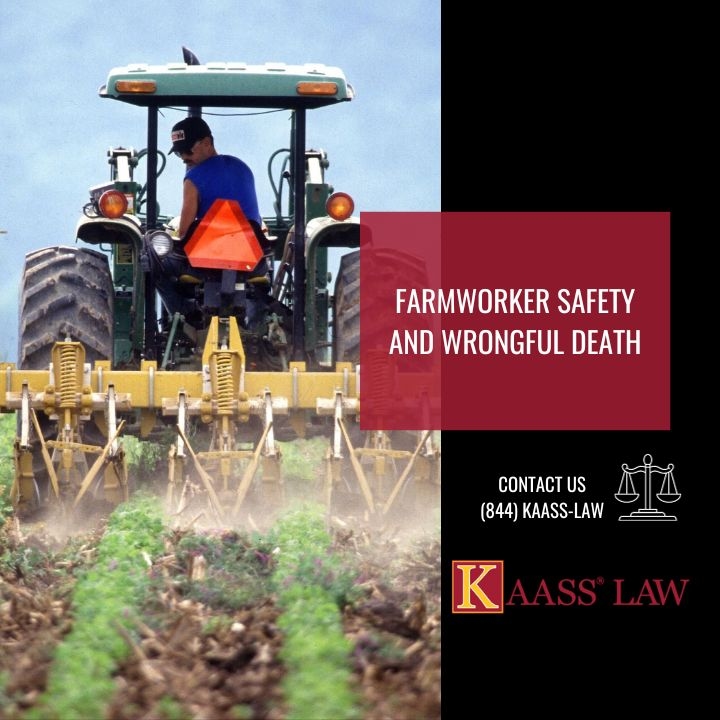
In the heart of rural America, amidst picturesque landscapes and fields of golden crops, lies a group of essential yet often overlooked individuals: farmworkers. These dedicated laborers toil under the sun, planting, tending, and harvesting the food that sustains us all. In this blog, we explore the often-overlooked issue of farmworker safety and the tragic cases of wrongful death in this vital sector.
The Life of a Farmworker and Fatal Risks
Farmworkers are the backbone of agriculture, contributing to the production of food and other essential goods. Their work is physically demanding, often involving long hours of labor under diverse weather conditions. These dedicated individuals perform a wide range of tasks, from planting and weeding to operating heavy machinery and handling pesticides. Despite the fundamental role they play in our food supply, farmworkers face unique challenges and dangers that go unnoticed. Factors such as limited access to healthcare, language barriers, and inadequate legal protection make farmworkers vulnerable to accidents and injuries, including fatal ones. Working on a farm is more than just a job; it's a way of life. However, this way of life is not without its share of hazards:
Rooftop wrongful deaths can happen at any moment, often when we least expect them. Some accidents result in minor injuries, while others have catastrophic consequences. Falling from a rooftop is one such example that can lead to wrongful death. In this blog, we will explore the heartbreaking reality of rooftop accidents and the devastating impact they can have on families and communities.
The Rooftop Dangers
Although rooftops are a common sight, they can be unexpectedly dangerous if not handled with extreme caution. There is always a chance of danger, whether you're a guest taking in the view from the rooftop, a resident doing maintenance, or a builder. Construction Workers: When it comes to accidents on rooftops, construction workers are among the most vulnerable populations. Whether they are constructing new buildings or maintaining and repairing old ones, they frequently have to work at great heights. These kinds of falls can cause fatalities or very serious injuries. Homeowners and Do-It-Yourselfers: Although construction workers receive training on how to work safely at heights, homeowners and do-it-yourselfers might not possess the same degree of skill.
The Legal Aspect of Rooftop Wrongful Deaths
Whenever there is a deadly rooftop accident, issues of liability and legal accountability frequently come up. There are several variables that can have contributed to the disaster, making it difficult to determine who is at fault.
On our extensive network of highways, truck drivers are pivotal in ensuring the smooth flow of commerce. Unfortunately, tragedy strikes when the influence of drugs or alcohol impairs a driver's judgment, resulting in severe accidents and wrongful deaths. This blog post aims to explore the distressing aftermath of truck accidents caused by impaired driving and the legal intricacies that surround these cases.
The Human Toll
Truck accidents resulting from drivers under the influence are more than just statistics – they represent shattered lives and grieving families. The sheer size and weight of commercial trucks intensify the impact of accidents, making them particularly lethal. The consequences are often devastating, leaving families to cope with the untimely loss of a loved one due to someone else's reckless choices.
The Influence of Substance Abuse
Truck drivers, like all individuals, may grapple with various stressors on the road. Unfortunately, some turn to drugs or alcohol as a means of coping, impairing their ability to operate their vehicles safely. The use of substances not only endangers the driver but also puts everyone sharing the road at significant risk.
Legal Implications
When a truck accident occurs under the influence, legal repercussions are swift and severe. Wrongful death claims in such cases hinge on establishing the driver's impairment as a direct cause of the fatal accident. This often involves a comprehensive investigation into the driver's actions leading up to the crash, including toxicology reports, witness statements, and law enforcement findings.
Establishing Liability
Determining liability in cases of truck accidents involving impaired driving can be complex. While the impaired driver is undoubtedly at fault, other parties may share responsibility. For instance, if a trucking company fails to implement and enforce strict anti-substance abuse policies, they may be held accountable. Additionally, those who overserve the driver at a bar or restaurant could face legal consequences under dram shop laws.
What types of garage door accidents can occur? Garage door accidents are not uncommon but they can still occur if a garage door has not been installed or maintained properly. Whether the accident happens inside your own home, someone else’s home, or a public place, a garage door accident can be very serious. Some common garage door accidents include: -Getting hit with a falling garage door -Body part getting stuck between moving parts -Suffocation from getting stuck under a closing garage door -Lacerations from broken glass of a garage door What types of injuries can be caused by a garage door accident? A garage door malfunctioning can cause any number of serious injuries, depending on the severity of the accident. Injuries that can be caused by a garage door accident include: -Lacerations on face/body -Head trauma/concussion -Internal organ damage -Suffocation and lung damage -Broken bones Who can be liable in a garage door accident? To figure out who is liable in a garage door accident, it is crucial to know what caused the accident or any malfunction of the garage door. Among those that can be considered a liable party include: -Property owner or tenant -Seller -Manufacturer -Designer -Installer What damages can I be compensated for after a garage door accident? If you file a lawsuit after a garage door accident injury, you can be compensated for damages or losses caused by the accident. These include both economic and non-economic damages, including: -Medical bills -Physical therapy -Lost income and/or earning capacity -Property damage -Pain and suffering -Emotional distress -Loss of enjoyment of life What should I do if I was injured in a garage door accident? If you or a loved one have been injured in a garage door accident, we invite you to contact our office at (310) 943-1171 for a free consultation with a Los Angeles garage door injury lawyer. Our attorneys will help you determine the liable party and proceed accordingly.
It is an unspeakable tragedy to lose a loved one as a result of someone else's carelessness or misbehavior. Families can seek redress and financial recompense for their losses in these situations by filing a wrongful death lawsuit. A wrongful death claim's value might differ significantly based on a number of variables. Both the bereaved families and their legal representatives must comprehend these issues. We'll examine the crucial factors that greatly impact the value of wrongful death cases in this blog post.
Liability and Negligence
The first and foremost factor in determining the value of a wrongful death claim is establishing liability. This means demonstrating that the responsible party (or parties) acted negligently or wrongfully, leading to the untimely death. Strong evidence and a clear demonstration of negligence can significantly strengthen a wrongful death case, potentially resulting in higher compensation.
Economic Damages
Economic damages refer to the measurable financial losses suffered as a result of the wrongful death. This includes medical expenses, funeral costs, lost income, and other direct financial burdens caused by the death. These concrete figures play a pivotal role in determining the overall value of the claim.
Non-Economic Damages
Non-economic damages are less tangible losses, such as pain and suffering, emotional distress, loss of companionship, and the impact on the family's quality of life. Quantifying non-economic damages can be challenging, but they hold significant weight in the overall value of a wrongful death claim.
Age and Health of the Deceased
The deceased person's age and health condition at the time of passing can impact the value of the claim's worth. For example, if the individual was youthful and in excellent health, their projected lifespan and potential future income could have been substantial. This could result in a greater compensation sum compared to an older person with pre-existing health conditions.
A crucial part of obtaining compensation in personal injury lawsuits is negotiating with insurance providers. We'll go over important tactics and insights in this blog article to guide you through the insurance company negotiation process and increase the likelihood of a successful conclusion.
1. Recognize the insurance provider's Motivation
Because they are for-profit businesses, insurance firms' main goal is to limit claims while maintaining a profit. It is essential to understand this underlying motivation. It creates the conditions for a realistic viewpoint on the negotiation process and aids in your preparation.
2. Obtain credible evidence
The foundation of any effective negotiation is solid evidence. Hence, gather all necessary information, including witness accounts, accident reports, and medical records. This verifiable proof gives your claim credibility and fortifies your negotiation position.
3. Know the Value of Your Claim
Know the potential value of your claim clearly before starting any talks. Take into account both (such as medical costs and missed pay) and non-economic (such as pain and suffering and emotional distress) damages. This information serves as a yardstick for evaluating any offers the insurance provider may make.
A person's world might be shattered by the unbearable agony of losing a loved one. The emotional cost is significantly greater when the loss is brought on by a wrongful death. In addition to the grief, dealing with the loss of the support and company that the deceased provided adds to the burden. This article explores the difficulties of handling such situations and provides advice on how to deal with the absence of support and company following a wrongful death.
The Impact of Wrongful Death
A wrongful death occurs when someone passes away as a result of someone else's carelessness, malfeasance, or intentional behavior. It could be due to a car accident caused by a reckless driver, medical malpractice, workplace accidents, or other scenarios where someone's conduct or negligence directly contributed to the death of another person. When such a tragic incident occurs, it's not simply the emotional loss that loved ones have to deal with; there's also the tremendous emptiness left by the loss of support and company that the deceased gave. This part of wrongful death sometimes goes forgotten, yet it's crucial in the grieving process.
Loss of Emotional Support
The lack of emotional support is one of the hardest things about losing a loved one to wrongful death. Partner, family, and friend relationships frequently rely on one another for emotional support, counsel, and company. The sudden absence of this pillar of support can leave survivors feeling isolated and overwhelmed. Imagine a spouse who lost their spouse to someone else's neglect. Partners can be the main source of emotional support, sharing both the joys and the burdens. After their death, the surviving spouse struggles not only with grief but also without their confidant, listener, and source of comfort.
The phrase "wrongful death" conjures up images of bereavement and injustice. When a person's life is brutally cut short owing to the negligence or misbehavior of another party, a wrongful death claim may be filed. There are industry challenges in wrongful death cases. They occur in a variety of industries, each with its own set of obstacles. In this blog, we'll look at wrongful death in certain industries, offering insight on the conditions that persons seeking justice face.
Healthcare Sector
The healthcare industry, which should be synonymous with care and compassion, is not immune to wrongful death in specific industries. Misdiagnoses, surgical mishaps, and medication problems are just a few instances of how things may go horribly wrong in this industry. Families who have lost a loved one may wish to file a wrongful death lawsuit against healthcare providers. These circumstances, however, can be exceptionally difficult.
The necessity to prove fault is sometimes a source of difficulty in healthcare-related wrongful death lawsuits. Medical personnel must adhere to a specific standard of care, and establishing that they did not do so might be difficult. Expert witnesses frequently come upon to assist in establishing that a healthcare provider's activities departed from acceptable norms, resulting in a violation.
Medical Malpractice: When a healthcare professional's negligence or incompetence leads to a patient's demise.
Motor Vehicle Accidents: Encompassing car, truck, and motorcycle accidents caused by another driver's recklessness or negligence.
Workplace Accidents: In cases where an employer's negligence or failure to provide a safe working environment leads to an employee's death.
Defective Products: When a product is manufactured or designed in a manner that renders it dangerous, and it results in a person's passing.
Intentional Acts: Cases involving deliberate harm or criminal actions resulting in death, such as assault or homicide.
Establishing Liability in Wrongful Death Claims For a wrongful death claim to succeed, specific elements must be proven:
Duty of Care: It must be demonstrated that the defendant owed a duty of care to the deceased. For instance, a doctor has a duty to provide competent medical care.
Breach of Duty: It must be shown that the defendant breached their duty of care through negligence, recklessness, or intentional misconduct.
Causation: It must be established that the defendant's actions were the direct cause of the deceased person's passing.
Damages: The claimants must provide evidence of the losses suffered due to the death, encompassing medical expenses, funeral costs, lost income, and emotional suffering.
Compensation in Wrongful Death Claims The compensation awarded in a wrongful death claim can include:
Economic Damages: These encompass quantifiable losses like medical expenses, funeral costs, lost income, and the value of services the deceased would have provided.
Non-Economic Damages: These pertain to subjective losses such as pain and suffering, emotional distress, and the loss of companionship.
Punitive Damages: In instances of extreme negligence or intentional wrongdoing, the court may award punitive damages to penalize the defendant and discourage similar behavior in the future.
The Statute of Limitations It's crucial to understand that there exists a limited window of time within which a wrongful death claim can be filed, known as the statute of limitations. This timeframe varies by jurisdiction and the type of case. Failing to file within this period may result in the claim being dismissed. Seeking Legal Counsel Navigating a wrongful death claim is a multifaceted and emotionally charged process. Consulting with a seasoned attorney specializing in wrongful death cases can provide invaluable support during this challenging time. They can assist you in comprehending your rights, gathering evidence, negotiating with insurance companies, and representing your interests in court if necessary. In summary, wrongful death claims serve as a critical legal tool for seeking justice and compensation when a loved one's demise is the consequence of someone else's actions. By grasping the fundamentals of these claims, you can take the initial steps towards holding those responsible accountable and securing the support your family needs during this demanding period.
Machinery Accidents: Farmworkers operate various types of machinery, from tractors to combines, which can pose substantial risks when mishandled or poorly maintained.
Falls and Falls from Heights: The need to access high places for tasks like fruit-picking or maintenance work can lead to dangerous falls.
Pesticide Exposure: Farmworkers may be exposed to harmful chemicals used in pest control, which can lead to acute poisoning or long-term health issues.
Heat Stress and Heat Stroke: Working long hours in the sweltering heat can result in heat-related illnesses, potentially leading to fatalities.
Transportation Accidents: Commuting to and from worksites, often in overcrowded and unsafe conditions, can put farmworkers at risk of traffic accidents.
Inadequate Training: Limited training opportunities and language barriers can prevent farmworkers from acquiring the knowledge and skills necessary to protect themselves.
Long Hours: The demanding nature of farm work can lead to exhaustion, which, when combined with machinery operation, can result in accidents.
Wrongful Deaths in Farmwork Due to Lack of Safety
Wrongful deaths among farmworkers are, sadly, not uncommon. These cases involve the tragic loss of life due to preventable circumstances in the workplace. The agricultural sector is inherently dangerous, but there are instances where better safety measures could have saved lives. Let's explore a few notable examples:
Pesticide Poisoning: Inadequate safety procedures for handling pesticides can lead to poisoning and wrongful deaths. Cases like these have sparked debates about the use of harmful chemicals in agriculture.
Machinery Mishaps: Improper training, lack of safety measures, and maintenance neglect have caused farm machinery accidents resulting in fatal injuries. Such cases often highlight the need for more rigorous safety protocols.
Transportation Accidents: Farmworkers often rely on crowded and unsafe modes of transportation, which can result in tragic accidents. These incidents highlight the need for better transportation infrastructure and regulation.
Heat-Related Fatalities: Extended hours in the sun, especially during scorching summer months, can result in heat-related illnesses and fatalities. Improved working conditions, rest periods, and hydration measures are essential in preventing such cases.
Lack of Protective Gear: The absence of protective gear, such as helmets, gloves, and respiratory masks, puts farmworker safety at risk of injuries and exposure to harmful elements.
The Legal Aspects of Farmworker Wrongful Deaths
When farmworker wrongful deaths occur, the legal system is called into action. That is, to address accountability and provide compensation to the affected families. Legal aspects in these cases may include:
Workers' Compensation: Eligible for workers' compensation benefits, which provide financial support to families in the event of a work-related death.
Third-Party Liability: A machinery manufacturer may be responsible for wrongful death if their negligence contributed to the incident.
Workplace Safety Regulations: Wrongful deaths are investigated to determine whether the farm complied with safety regulations.
Litigation and Lawsuits: Where negligence or non-compliance is identified, wrongful death lawsuits can be filed to seek compensation for damages.
Contact an Attorney Today for Farmworker Safety
The safety and well-being of farmworkers are essential aspects of the agricultural industry that deserve more attention. The wrongful deaths among these dedicated individuals highlight the need for safety measures, improved training, and better legal protections. Farmworker jobs play an indispensable role in putting food on our tables. It is our collective responsibility to ensure their safety and well-being while they do so. Additionally, view our other website for more information of other cases we can help in.
Property Owners: If property owners did not keep their surroundings safe or did not give enough notice of such dangers, they might be held accountable. There may be legal repercussions if guardrails are not installed properly, roofing materials are destroyed, or other safety issues are not addressed.
Employers: It is the responsibility of employers to make sure that the relevant safety equipment and measures are available for construction workers. Employers risk being held liable for the harm or death of a worker if they neglect to take these steps.
Manufacturers of equipment: Defective equipment can occasionally cause accidents.
The Human Toll
Every rooftop mishap that ends in wrongful death has a heartbreaking backstory of sorrow and loss. The effects on the victims' relatives are incalculable. It is impossible to fill the gap left by losing a loved one.
Emotional Trauma: Relatives of those killed in rooftop accidents frequently go through a spectrum of feelings, such as shock, sadness, rage, and bewilderment. Years may pass before the emotional trauma fades, negatively impacting their general wellbeing.
Financial Burden: In addition to causing emotional distress, an untimely death puts a heavy financial strain on the surviving family members. It might be extremely expensive to pay for the victim's funeral, hospital bills, and lost income.
Lost Potential: Every person who perished in a rooftop collision had hopes, objectives, and potential.
Preventing Rooftop Accidents
Preventing rooftop incidents from occurring in the first place is the best way to handle them. The following are important actions that people and organizations may do to improve safety:
Appropriate Training: Getting the right instruction in using safety equipment and working at heights is essential for both DIY enthusiasts and construction workers. Knowledge and education are effective methods for reducing the risk of accidents.
Frequent Maintenance: In order to recognize and mitigate such risks, businesses and property owners alike must place a high priority on regular maintenance and inspections. Maintaining the integrity of roofs and other raised places is essential to safety.
Sufficient Safety Procedures: By installing safety nets, guardrails, and other precautions, the risk of falls can be greatly decreased. Employers are responsible for making sure their employees have access to these safety measures.
Rooftop accidents resulting in wrongful death are a tragic reality that impacts countless families and communities. By understanding the dangers associated with working at heights and taking proactive measures to prevent accidents, we can mitigate the risks and save lives. It is our collective responsibility to ensure that rooftops are safe spaces for everyone, whether they are workers, homeowners, or visitors. If you have any further questions please visit our website.
The emotional toll on families affected by truck accidents under the influence is immeasurable. Wrongful death lawsuits seek not only to hold responsible parties accountable but also to provide some semblance of justice for the grieving families. Compensation may be pursued for medical expenses, funeral costs, loss of income, and the intangible pain and suffering endured by the surviving family members.
Preventive Measures
Dealing with the problem of truck accidents caused by impaired driving demands a comprehensive strategy. Trucking companies need to give precedence to robust substance abuse policies, which involve regular testing and educational programs for their employees. Furthermore, cooperation between the industry and law enforcement is essential in identifying and tackling potential issues before they escalate into tragedies.
Industry Responsibility
The trucking industry, as a whole, plays a pivotal role in fostering a culture of safety and responsibility. Companies should not only implement preventive measures but also prioritize the mental health and well-being of their drivers. Supporting programs that address the underlying issues contributing to substance abuse can create a safer environment for all road users.
Stricter Regulations
Advocating for and enforcing stricter regulations related to impaired driving in the trucking industry is essential. This includes regular and random drug and alcohol testing, stringent penalties for violations, and comprehensive training programs. Regulatory bodies must work collaboratively with industry stakeholders to ensure that these measures are effective in preventing accidents caused by impaired driving.
Conclusion
Truck accidents resulting from impaired driving are tragic events that leave a lasting impact on families and communities. Addressing this issue requires a comprehensive and collective effort from the trucking industry, regulatory bodies, and law enforcement. By prioritizing safety, implementing preventive measures, and holding those responsible accountable, we can work towards a future where the devastating consequences of impaired driving are minimized, and every journey on the road is a safer one. The human cost of truck accidents under the influence is too high to ignore, and it demands our collective commitment to prevent further loss of life on our highways.
When calculating damages, we consider the potential future earnings of the deceased. Factors such as their occupation, education, earning capacity, and career trajectory are considered. Additionally, if the deceased provided financial support to dependents, this can significantly impact the value of the claim.
Circumstances Surrounding the Death
The circumstances leading to the wrongful death also play a critical role. For example, if the responsible party's actions were particularly egregious or reckless, it may result in punitive damages, which are intended to punish the wrongdoer and deter similar behavior in the future. Punitive damages can substantially increase the overall value of the claim.
Contributory Negligence
In some instances, the deceased might have had some responsibility for contributing to their own demise. Contributory negligence is the term for this. The amount of compensation the family is entitled to receive may change based on the applicable laws. Some states operate under a comparative negligence system, which reduces the damages paid based on the degree of responsibility assigned to each party.
Availability of Insurance Coverage
The availability and limits of insurance coverage held by the responsible party can directly affect the potential compensation. In cases where the negligent party is underinsured or lacks insurance altogether, it may limit the amount of compensation that can be recovered.
Call our Office Today
Navigating the complexities of wrongful death claims requires a thorough understanding of the factors that influence their value. From establishing liability to considering economic and non-economic damages, each element plays a crucial role in determining the compensation that grieving families may receive. By taking these factors into account, legal professionals can better advocate for the rights of those who have suffered the loss of a loved one due to the negligence of another. Feel free to call us at 310.943.1171 or visit the website for other practices.
In an effort to quickly resolve the issue, insurance firms may approach you with a rapid settlement offer. Accepting early offers, nevertheless, should be done with caution because they frequently underestimate the actual magnitude of your damages. Spend some time carefully assessing the offer in light of your proof and the possible merit of your claim.
5. Communicate Strategically
Successful negotiations depend on clear communication. Correspondingly, in every conversation you have with the insurance provider, be precise, polite, and professional. Avoid saying anything that could be taken as an admission of guilt, and think about hiring a lawyer to handle discussions on your behalf.
Your negotiating power might be considerably increased if you have a skilled personal injury attorney on your side. Attorneys can fight for your rights while looking out for your best interests because they are knowledgeable about the strategies employed by insurance companies. Additionally, they are qualified to evaluate the merits of your claim with accuracy.
7. Create a Powerful Negotiation Plan
A well-planned negotiation plan can completely alter the outcome. Think about things like the quality of your proof, how responsive the insurance company is, and any possible legal precedents. Determine the result you want, and be prepared to explain your stance in detail.
8. Don't Settle for the First Offer
It's rare for an initial offer from an insurance company to be their best and final offer. Expect some back-and-forth in negotiations. However, if you receive an offer that you believe undervalues your claim, counter with a reasonable, well-supported demand.
9.Think about alternative dispute resolution (ADR).
If talks go down, one option is to look into alternative conflict resolution processes like mediation or arbitration. These procedures can offer a neutral setting where both parties can work toward a settlement.
10. Keep trying and be persistent.
Negotiating with insurance firms can take a while. It's crucial to pursue a just conclusion with patience and tenacity. Avoid settling quickly out of irritation; instead, stick to your plan and fight for your just recompense. Contact an Attorney Negotiating personal injury cases with insurance companies is a challenging endeavor that demands thorough preparation, adept communication, and a strategic mindset. With a clear understanding of the motivations behind insurance companies, the accumulation of compelling evidence, and the guidance of a seasoned personal injury attorney, you can approach this process with assurance. It's crucial to bear in mind that patience and unwavering persistence are key, as settling for a compensation offer below the genuine value of your claim is not in your best interests. With the right approach, you can enhance your likelihood of securing the rightful compensation you deserve. As a result, you can learn more about various practice areas in our profession in which we specialize. More information you can find at this page.
Companionship plays an important role in our life. Friends, family members, and partners bring a sense of belonging and share experiences that enrich our lives. When the life of a loved one is cut short due to an untimely death, there is a huge gap in the field of companionship. For example, consider the loss of a parent due to medical negligence. Children not only lose parental care and guidance, but they also lose companionship in shared activities, conversations, and memories. This loss can be especially difficult for young children or teenagers who are highly dependent on their parents' company.
Coping Strategy With Loss of Companionship
Coping with the loss of support and companionship after an untimely death is a complex journey that takes time, patience, and compassion. Here are some strategies to help you through this difficult process:
Seek professional help. Grief can be overwhelming and it is essential to seek help from therapists, counselors, or support groups that specialize in grief and loss. They can provide a safe space to express feelings and offer advice on how to cope with the loss of support and companionship.
Based on your network. Although you may have lost an important source of support and companionship, there are still others who care about you and want to help you. Don't hesitate to rely on your wider network of friends, family, and community for emotional support.
Storing memories. Memories of your loved one can bring comfort and a constant sense of connection. Create a keepsake, write a letter, or participate in activities that honor their memory and keep their spirits alive.
Professional legal support. In the event of a wrongful death, legal action may be taken for justice and compensation. Counseling with a wrongful death attorney can help survivors navigate legal troubles while allowing them to focus on healing.
Self-care. Taking care of your physical and mental health is very important during this difficult time. Engage in activities that bring you joy, practice mindfulness, and prioritize self-care habits.
Create a new connection. While no one can replace someone you've lost, opening yourself up to new connections and relationships over time can help fill gaps in friendships. Join support groups, get involved in community activities, or consider volunteering.
Contact Attorney Today!
Losing a loved one to an untimely death is a heartbreaking experience that goes beyond grief. The loss of support and companionship can leave survivors struggling with emotional challenges that are difficult to put into words. Feel free to give us a call at 310.943.1171 to help you get through these hard times. Visit this link for other practices.
In the transportation industry, wrongful death cases in specific industries are commonly tied to car accidents, truck accidents, railroad derailments, and aircraft events. The nature of these events can make determining responsibility difficult. In such circumstances, accident reconstruction specialists, maintenance records, and assessments of driver or pilot conduct may be working in investigations.
Furthermore, in the transportation business, wrongful death cases may involve several culpable parties, including as vehicle owners and even manufacturers. This complication frequently needs lengthy investigations and expert testimony to establish liability.
Industry of Construction
Construction sites are inherently risky areas, and wrongful death accidents are not uncommon. Falls from great heights, structural breakdowns, and equipment malfunctions can all have tragic effects. When it comes to wrongful death claims in the construction business, determining responsibility is frequently the most difficult task. Construction sites sometimes involve a large number of subcontractors, and the lines of accountability can become hazy. In such circumstances, determining who was accountable for ensuring a safe working environment and whether any party failed in that role is critical. Furthermore, state-specific laws and regulations governing workers' compensation may impact the legal choices accessible to the deceased's family.
Sector of Manufacturing and Industry
The manufacturing and industrial sectors are also subject to wrongful death claims. Accidents in factories, warehouses, and industrial plants can be deadly. Because of the complexity of the machinery and the presence of hazardous materials, it is critical to demonstrate culpability when seeking justice for the deceased's family. Determining whether the tragedy was caused by equipment failure or human mistake is one of the issues in manufacturing and industrial wrongful death lawsuits. Expert testimony is frequently necessary to determine the cause of an accident and establish liability. Furthermore, if a defective product played a role in the accident, product liability issues may arise.
Offshore and Maritime Industry
Shipping and fishing, as well as oil and gas extraction, are all part of the marine and offshore business. Working in these environments can be dangerous, and incidents can happen for a variety of reasons, including equipment failure, adverse weather conditions, or human error. Wrongful death lawsuits in the maritime and offshore industries become complicated by differences in maritime law . The Jones Act, for example, gives seamen who are injured or killed on the job special legal rights. Establishing culpability and managing the complexities of maritime law frequently necessitate legal competence and a full knowledge of the industry's laws.
Contact an Attorney
Wrongful death cases in certain industries provide obstacles, ranging from establishing blame in the construction, manufacturing, and maritime sectors to showing negligence in healthcare. These are emotionally and legally complicated situations that necessitate a thorough understanding of the industry dynamics. Expert witnesses and attorneys are frequently indispensable in establishing liability, and seeking justice for the families affected by these incidents. Finally, these incidents illustrate the importance of accountability and, in some cases, systemic changes in these businesses to prevent future wrongful deaths. For a free consultation contact us at 310.943.1171. Visit our website for other practices.