If you are an individual or a business entity that is using or is willing to use a mark in relation to your business you have probably thought about registering the mark with the United States Patent and Trademark Office. An application to register a trademark can be made only if the applicant’s situation falls under one of the grounds for registration specified by the Lanham Act, also known as the Trademark Act of 1946. The Lanham Act provides four different bases for registering a trademark.
Registration Based On Prior Actual Use Of The Mark In Commerce
Pursuant to the Lanham Act, the owner of a trademark used in commerce may request registration of its trademark on the principal register. 15 U.S.C. 1051(a)(1). This section of the Lanham Act gives a right to individuals and business entities to register a trademark if they have actually used it in commerce.
The Section 45 of the Lanham Act defines “use in commerce” as a “…bona fide use of a mark in the ordinary course of trade and not merely to reserve a right in the mark.” 15 U.S.C 1027. For goods, the use in commerce requires (a) placement of the mark on the goods, their containers, the displays associated with goods, the tags or labels affixed to goods or, if such placement is impracticable because of the nature of the goods, on documents associated with goods or their sale, and (b) that the goods be sold or transported in commerce. Id. For services, the use in commerce requires that the mark be used or displayed in the sale or advertising of services and that the services be rendered in commerce. Id.
Pursuant to this basis for registration, the applicant must first use the mark in commerce. Once the mark is used in commerce the applicant can file the application to register the trademark.
Intent To Use Application
The Lanham Act also allows filing an application for registration if the applicant has a bona fide intention to use the mark in commerce. 15 U.S.C. 1051(a)(2). Here, the applicant has not used the mark in commerce yet, however, he has a bona fide intention to make such use in future. The bona fide intent requirement means that there must be an actual intent to use a mark and evidence objectively demonstrating such intent. Aktieselskabet AF 21. November 2001 v. Fame Jeans Inc. (2008) 525 F.3d 8, 21.
It should be noted, that although the Lanham Act allows to file the intent to use application before using the mark in commerce, the registration of the mark will not be granted unless the applicant files a proof that he has used the mark in commerce. After filing the statement of use application, if the mark is registrable and no successful opposition is filed, the US Patent and Trademark Office will issue a notice of allowance which will give the applicant time to file a statement showing that the mark was used in commerce.
The applicant has a maximum of thirty six month after the date of issuance of the notice of allowance to show the actual use of the mark in commerce. The applicant shall comply with this requirement by filing the statement of use application with evidence showing the use of the mark in commerce. Only after filing the proper statement of use application the applicant can obtain the actual registration of the trademark.
Applications By Foreign Nationals With A Foreign Application Or Registration
Pursuant to the Section 44 of the Lanham Act, if a foreign national’s country of origin is a party to an international trademark treaty signed by the United States, and if he has or has applied for trademark registration in the foreign country, the foreign national with a bona fide intent to use the trademark in US can file an application with the United States Patent and Trademark Office to register the same trademark. 15 U.S.C. 1126.
This section of the Lanham Act is intended to give privilege to nationals of foreign countries who have entered the same international trademark treaties with the US. This basis gives an opportunity to foreign nationals to register a trademark if they already have a registration or application in their home country. It should also be noted that in this case the applicant does not have to show the actual use of the mark in the US in order to obtain registration of the mark. If the applicant has bona fide intent to use the trademark in the US and he already has a registration or application in his home country that will suffice for registering the mark in the US.
Application To Extend The Protection To The United States Under The Madrid Protocol
“[T]he holder of an international registration shall be entitled to the benefits of extension of protection of that international registration to the United States to the extent necessary to give effect to any provision of the Madrid Protocol.” 15 U.S.C. 1141E(a). This section of the Lanham Act is intended to enforce the provisions of the Madrid Protocol which is designed to facilitate the registration of trademarks in several nations.
This basis gives an opportunity to applicants who have international registration pursuant to the Madrid protocol to extend the protection of the mark to the US. It should be noted that the applicant does not have to show actual use of the mark in the US for the extension of protection. The international registration of the mark and the applicant’s bona fide intent to use the mark in the US will be enough for registering the mark with the United States Patent and Trademark Office.
If your situation falls under one of the four bases for registration described above you can consider registering your trademark with the United States Patent and Trademark Office.
If you have questions regarding trademarks or even trademark infringement, give us a call and speak to one of our experienced Glendale business law attorneys.
KAASS LAW is authorized to practice law in California. The above content is intended for California residents only. This content provides only general information which may or may not reflect current legal developments. KAASS LAW expressly disclaims all liability in respect to actions taken or not taken based on any of the contents of this website. The above content DOES NOT create an attorney-client relationship. KAASS LAW does not represent you unless you have expressly retained KAASS LAW in person at the KAASS LAW office.
What can plaintiffs, in California, do if they have been wronged, but have only suffered a minor loss or do not have the funds necessary to file a claim? For example, if a bank has been wrongfully charging their clients fees for a year, and each client has suffered a loss of about $100, what options do these clients have? It would not be feasible for each client to file a claim against the bank because the costs would likely outweigh their potential award. In this case, the wronged clients have the option of filling a “class action” suit. California Civil Code § 1781 describes class action lawsuits, and the requirements to receive certification. “Any consumer entitled to bring an action under Section 1780 may, if the unlawful method, act, or practice has caused damage to other consumers similarly situated, bring an action on behalf of himself and such other consumers to recover damages or obtain other relief . . . .” Cal Civ Code § 1781. In order to obtain a class action certification, the court must first find that it would be impracticable for all the members of the wronged class to be brought before them. Second, the issues or facts that are common to the class must be “substantially similar” and must predominate any other issues that affect the individual members of the class. Third, the claims or defenses of the parties representing the class must be typical of the class itself. And lastly, the representing party must fairly and adequately represent the class as a wholeIf a class action suit is certified, members of the class must be notified about the suit. Notifying class members about the suit is important because all members of the class will be bound by the judgment, whether it be favorable or not. If a class member wishes to not be bound by the judgment in that particular suit, they must request to be excluded by the dates specified. Class members who have been notified of the suit, and have not requested exclusion, will be notified if the suit is dismissed, settled, or compromised. Give us a call, speak English, French, Spanish, Russian, Armenian KAASS LAW is authorized to practice law in California. The above content is intended for California residents only. This content provides only general information which may or may not reflect current legal developments. KAASS LAW expressly disclaims all liability in respect to actions taken or not taken based on any of the contents of this website. The above content DOES NOT create an attorney-client relationship. Our , at KAASS LAW do not represent you unless you have expressly retained KAASS LAW in person at the KAASS LAW office. KAASS LAW helps clients in: Los Angeles, Burbank, Hollywood, Glendale, Van Nuys, North Hollywood, Studio City, Highland Park, Eagle Rock, Sunland, Tujunga, Sylmar, La Crescenta, La Canada, Beverly Hills, Westwood, Santa Monica, Brentwood. Pacoima, Montebello, Commerce, Alhambra, Downey, Bell, Maywood, Walnut Park, Vernon, Lynwood, Echo Park, Silverlake, Mission Hills, Northridge, Woodland Hills, Encino, Canoga Park, North Hills, Porter Ranch, Chatsworth, Reseda.
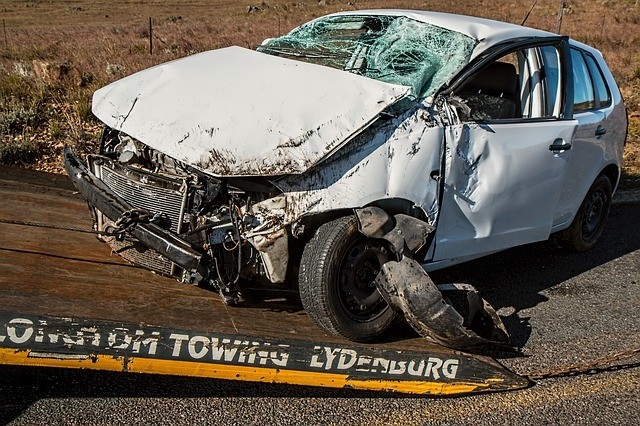
Under California law, drivers are required to carry liability insurance when operating a motor vehicle on a public road. If you were involved in an accident, due to the fault of another, while operating a motor vehicle without liability insurance you likely fall under "Proposition 213". UnderCalifornia law, uninsured motorists involved in traffic collisions within the State of California, whether or not the collision was caused by the uninsured motorist, are not allowed to recover general damages such as pain and suffering. HOWEVER, there are exceptions to Prop 213. For instance, Prop 213 strictly applies strictly to drivers and not its passengers. If you have been involved in a car, truck, motorcycle, bus or other motor vehicle accident, do not rely on this as legal advice. Speak to a Glendale accident attorneytoday and request a free consultation
What Type of Damages Can Prop 213 Uninsured Motorist Recover?
There are certain exceptions to Prop 213. For instance, Prop 213 does NOT limit your ability to recover medical costs, lost wages, damaged property, or compensate you for future medical charges. As an uninsured motorist, Proposition 213 creates serious difficulties, fears, and frustrations to your accident claim. Regardless of your insurance status, adjusters are skilled in limiting the damages you can recover. Even if you are entitled to compensation, insurance companies can hold your lack of coverage against you in your claim. Thus, if you fall under Prop 213 uninsured motorists, your difficulties just got harder. There are exceptions to the rule, and with a knowledgeable and established , you can receive the compensation you deserve.
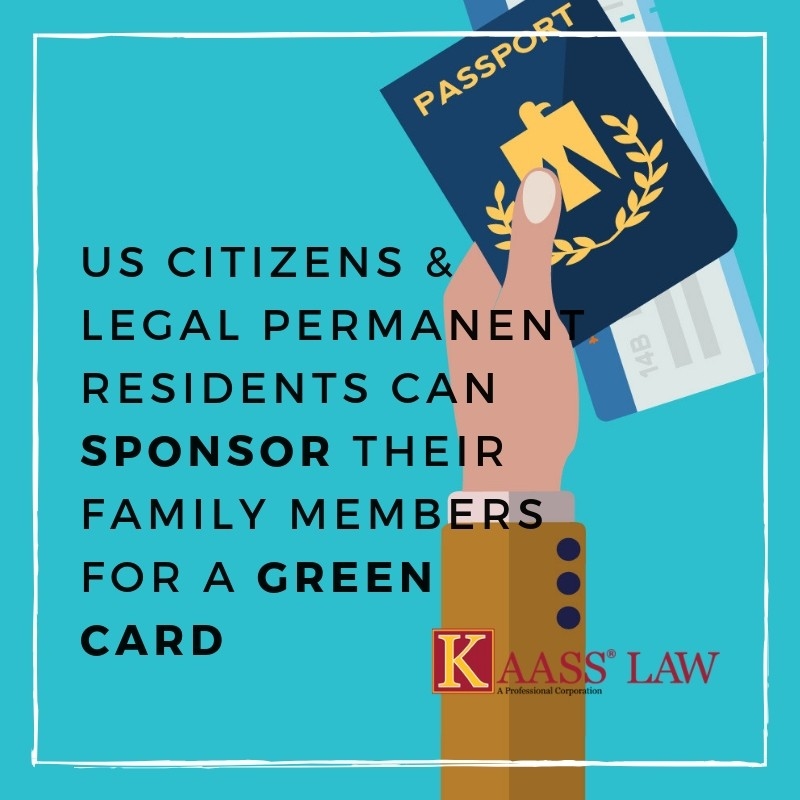
US citizens and legal permanent residents can sponsor their family members for a green card. Particularly, a US citizen can sponsor his spouse, children, parents and siblings, while a legal permanent resident can sponsor his spouse and unmarried children. The petitioner willing to sponsor his relative and the beneficiary family member shall go through certain procedure to obtain green card for the family member.
Filing the Petition for Alien Relative with USCIS
The initial step in the process of sponsoring a family member for a green card is filing the Petition for Alien Relative with USCIS. The USCIS Form I-130, Petition for Alien Relative, shall be used for initiating the sponsorship process. The current version of the Form I-130 can be found on the USCIS website (www.uscis.gov/forms). The petition contains information about the petitioner, the beneficiary family member, and their relationship. The petitioner shall file the petition with all the documents showing that the family member qualifies for the sponsorship. The list of supporting documents is different based on the family relationship between the petitioner and the beneficiary. However, the main purpose of the supporting documents is to show that the petitioner is a US citizen or a legal permanent resident, and that the required family relationship exists between the petitioner and the beneficiary. The petition is filed in the appropriate USCIS office based on the address of the petitioner. The petition is considered properly filed if it is signed by the petitioner, and the filing fee is paid. The current filing fee for the Form I-130 is $535 which shall be paid simultaneously with filing the petition for family member unless the petitioner qualifies for a fee waiver.
It is always a drag being part of a motorcycle accident. Literally. An automobile is built to keep you safe and cozy from all the noise, smoke, and life threatening injuries. For Example the B-Pillar, which is the part of the automobile frame which your seat belt is usually attached to. This part of the car is a life saver from T-bone accidents and collision. See image. Now substitute the automobile with all its fine tuned standard protections against bodily injury and death with a 2 wheeler. A motorcycle, yes that thing that buzzes next to you on the 10, 405, and my favorite the 2 freeway. The machine we have all wanted to ride or learn how to ride, but more one reason or many opted to save more than a pretty penny. With a motorcyclist, whom we are all afraid of injuring or potentially even worse. I can honestly say that after years in the practice of representing motorcycle accident victims with massive traumatic and life changing injuries, I have more or less developed a sort of PTSD. Every time I hear the purring of the motorcycle’s engine in the back of my ear, I automatically remember 2 things. Do not even think about placing or answering a hands-free phone call of course and put down that country music. Post-Traumatic Stress you say? I say, my civil duty for the safety of my fellow man. Exactly. I feel as if I worry about these souls more than they. Whizzing, squeezing, cutting, splitting, and my favorite, all while stylishly popping a wheelie standing on the seat with one leg no hands or helmet, providing job security for the Highway Patrol. Oh, yes, slightly, the undiagnosed kind.
Family members of US citizens and permanent residents are the primary source of immigration to US. US citizens and permanent residents can sponsor some of their foreign citizen family members for green card. When the foreign family member can obtain the green card depends on the status of the petitioner (whether he is a citizen or a permanent resident) and the family relationship between the petitioner and the family member.
Which Family Members Can Be Sponsored for a Green Card?
Immediate Relatives of US Citizens
So called immediate relatives of US citizens have the easiest route to immigrate to US. The category of immediate relatives includes spouses of US citizens, unmarried children under 21 of US citizens, and parents of US citizens who are 21 and older. The main advantage of being an immediate relative of a US citizen is that they are exempt from numerical quotas for the issuance of immigrant visas that apply to other family categories. The exemption means that immediate relatives, if they are otherwise admissible, will be admitted to US regardless the numerical limitations.
L-1 non-immigrant visa is for intracompany transferees who come to the United States to temporarily work for a U.S. company. If you are a foreign worker overseas, a U.S. company may qualify to transfer you with an L-1 visa, as an overseas employee, to the U.S. to work as a manager, executive, or specialized knowledge personnel.
Who is Considered An L-1 Manager?
“A manager generally refers to someone who supervises and controls the work of other supervisory, professional managerial employees. The L-1 visa classification also includes managers of an essential function within the organization or a department or subdivision of the organization.”
Who is Considered An L-1 Executive?
“An executive generally refers to someone who primarily directs the organization or a major component or function of the organization.”
Who is Considered Someone With L-1B Specialized Knowledge?
“An individual with specialized knowledge is someone who possesses special knowledge, of the organization's product, service, research, equipment, techniques, management, or other interests and its application in international markets, or an advanced level of knowledge or expertise in the organization's processes and procedures.”
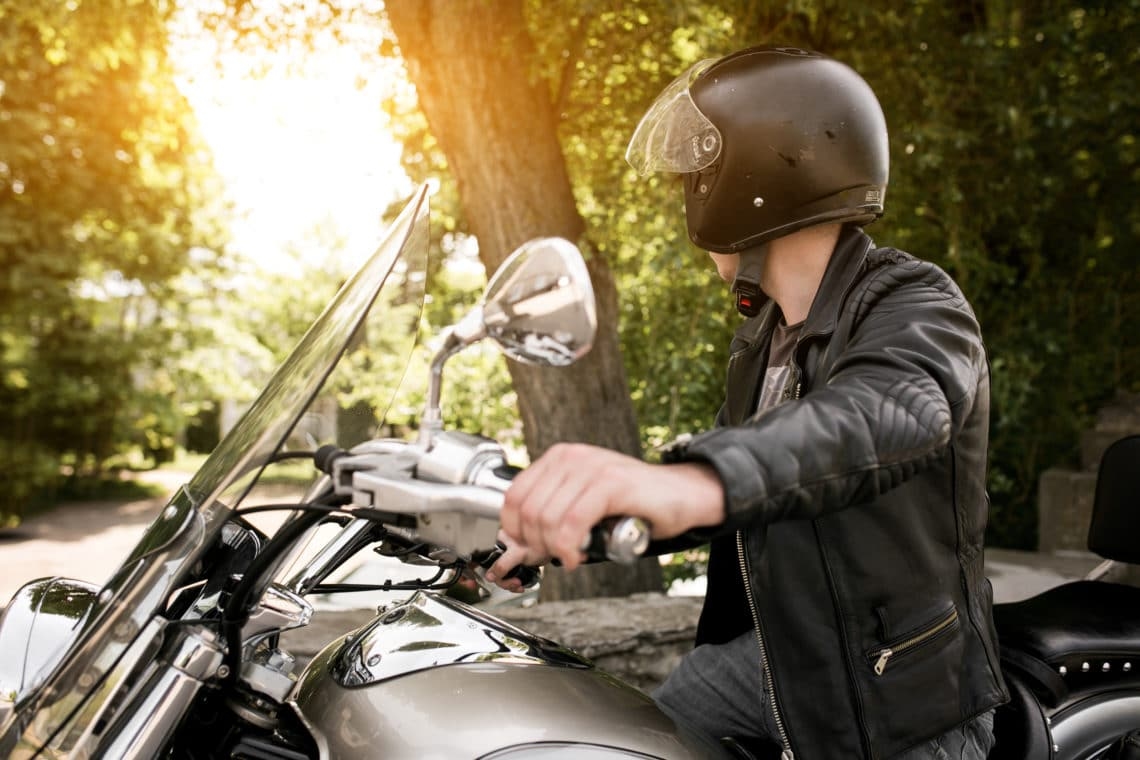
The most significant protective gear while riding a motorcycle is your helmet. Helmets that meet the Department of Transportation (DOT) standard are potentially the most effective way of reducing injury levels while riding a motorcycle. The DOT standards are for motorcycle helmets that usually hold a minimum standard of protection for riders. The most effective motorcycle helmets are the full-face helmets, protecting the face and chin. Helmets that are effective can protect the rider from acquiring a Traumatic Brain Injury, which is often the cause of motorcycle accident death. Helmets reduce the risk of head injury by 69%
Research shows that motorcycle helmets absorb the energy from the crash to protect the rider from experiencing the force of the collected injury on their head. Unhelmeted motorcycle riders are known to have more of a significant amount of severity in their injuries than helmeted motorcycle riders.
Determining Who is at Fault in a Left Turn Motorcycle Crash
Under California Vehicle Code § 21801 (a) The driver of a vehicle intending to turn to the left or to complete a U-turn . . . shall yield the right-of-way to all vehicles approaching from the opposite direction which are close enough to constitute a hazard at any time during the turning movement, and shall continue to yield the right-of-way to the approaching vehicles until the left turn or U-turn can be made with reasonable safety. According to California Civil Jury Instructions (CACI) a “hazard” exists if: "any approaching vehicle is so near or is approaching so fast that a reasonably careful person would realize that there is a danger of a collision [or accident]." In other words, the driver who is attempting to make a left turn must ensure that no oncoming vehicles are close enough to be a hazard before he or she proceeds across each lane the driver of a vehicle will yield the right of way, until the turn may be made with reasonable safety.
Determining Fault in a Left Turn Motorcycle Accident
Before we dive into determining fault in a left turn motorcycle collision, it is important to understand the term "Negligence", which is a term used to characterize conduct that creates an unreasonable risk of harm to others. In order to prove negligence you must prove:
Defective Motorcycle Gear & Product Liability Laws In California
Many times, product liability lawsuits can arise out of a motorcycle accident. In Soule v. GM, “A manufacturer, distributor, or retailer is liable in tort if a defect in the manufacture or design of its product causes injury while the product is being used in a reasonably foreseeable way.” This is one of many that defines defective motorcycle gear and product liability laws. It's quite often that faulty tires, helmets, or jackets, can be a cause or worsen a motorcycle accident. Helmets and jackets alone can be exacerbate a motorcyclist’s injuries in the event of an accident. This is why we have defective motorcycle gear and product liability laws.
How Can A Product Be Defective?
If a motorcycle manufacturer fails to warn or label the risk towards the consumer, the item is therefore defective.
Only Applies to Drivers/Owners of Uninsured Vehicle Not Passengers– Prop. 213 is designed to punish people that violate the insurance laws of the state. It does not apply to passengers, unless that passenger is also the owner of the uninsured car. Even then, the owner can avoid Prop. 213 if the driver is insured. Goodson v. Perfect Fit Enterprises, Inc. (1998) 67 Cal.App.4th 508
Punitive Damages - You may still recover insurance payments made to punish the at-fault driver if that person breaks the law
Make a Claim for Punitive Damages – The purpose of punitive damages it to punish, not to compensate. Therefore, they appear to fall outside of Prop. 213. , as such. you may still recover insurance payments made to punish the at-fault driver if that person breaks the law. For insurance, if you were struck by a drunk driver
When You Borrowed A Uninsured Vehicle – Prop 213 does not apply, if the owner of the vehicle was not insured, but the driver who borrowed the vehicle was insured,
When The Defendant Was Convicted of a D.U.I. – Civil Code 3333.4 specifically exempts the application of Prop. 213 in cases where the defendant was (convicted of) driving under the influence
Does NOT Apply to Employer Owned Vehicles – Employees are not required to buy insurance for their employer’s vehicles. That responsibility falls to the employer, so the innocent employee will not be punished for their employer’s failing. Vargas v. Athena Assurance Co. (2001) 95 Cal.App.4th 461
Show Some Other Negligence – Civil Code 3333.4 applies to “any action to recover damages arising out of the operation or use of a motor vehicle.” Therefore, if the plaintiff can show that his harm was caused by some other form of negligence, Prop. 213 does not apply
Does NOT Apply to Wrongful Death Heirs– Wrongful death heirs may still recover for the loss of “damages for loss of care, comfort, and society” etc., from their uninsured decedent. See Horwich v. Superior Court (1999) 21 Cal.4th 272
Accident Occurred on Private Property– Prop 213 does not apply if the accident took place on private property
It is important to find an experienced accident attorney that is experienced with accidents involving Prop 213. KAASS LAW is authorized to practice law in California. The above content is intended for California residents only. This content provides only general information which may or may not reflect current legal developments. KAASS LAW helps clients in: Los Angeles, Burbank, Hollywood, Glendale, Van Nuys, North Hollywood, Studio City, Highland Park, Eagle Rock, Sunland, Tujunga, Sylmar, La Crescenta, La Canada, Beverly Hills, Westwood, Santa Monica, Brentwood. Pacoima, Montebello, Commerce, Alhambra, Downey, Bell, Maywood, Walnut Park, Vernon, Lynwood, Echo Park, Silverlake, Mission Hills, Northridge, Woodland Hills, Encino, Canoga Park, North Hills, Porter Ranch, Chatsworth, Reseda.
Obtaining the Green Card after the Approval of the Petition for Alien Relative
The approval of the petition for family member does not mean that the beneficiary family member will automatically get his green card. After the approval of the petition the family member has to apply to the consulate in his home country to obtain immigrant visa to enter the US as a legal permanent resident or has to submit an application to adjust his status if he is already in the US. However, not in all the cases the family member can apply to the consulate or file the application to adjust his status immediately after the approval of the petition.
Immigrant Visa is Immediately Available to The Spouse, Parents and Unmarried Children Under 21 of US citizens
The approval of a US citizen’s petition for his spouse, parents or unmarried children under 21, so called immediate relatives, makes the immigrant visa immediately available for the beneficiary family member. This means that right after the approval of the petition immediate relatives can apply to the consulate in their home country and obtain an immigrant visa to enter the US as permanent residents. If beneficiary family members falling under the immediate relative category are already in the US they can obtain their permanent resident status by filing an application to adjust status with USCIS. The application to adjust status can be filed simultaneously with the petition for alien relative or right after the approval of the petition. Generally, immediate relatives planning to adjust their status in the US file their application together with their family member’s petition for alien relative. However, it should be noted that the family member planning to adjust his status should qualify for the adjustment of status. There are certain circumstances that might bar a person’s eligibility to adjust his status in the US. One of the most common bars to adjustment of status is illegal entry to the US. On the other side, overstaying a visa does not bar an immediate relative’s eligibility to adjust his status.
Family Members Falling Under One of The Preference Categories Shall Wait Until Their Immigrant Visa Becomes Available
The approval of the petition for alien relative does not make the immigrant visa immediately available for family members of US citizens who do not fall under the immediate relative category or for family members of legal permanent residents. The waiting time for these family members depend on the family preference category under which they fall and their country of citizenship. The Immigration and Nationality Act divides family members of US citizens and legal permanent resident into four preference categories: 1) First Preference – unmarried sons and daughters of US citizens who are 21 and older; 2) Second Preference – spouses and unmarried sons and daughters of legal permanent residents; 3) Third Preference – married sons and daughters of US citizens; 4) Fourth Preference – brothers and sisters of US citizens. Specific limit is set on the number of visas that can be issued in each preference category. US consulates abroad cannot issue more visas than the number allocated to the specific preference category. The number of petitions for family members considerably exceeds the number of visas allocated for the preference categories. Therefore, a substantial backlog has been created, and the family members of US citizens and permanent resident have to wait for long years until their visa becomes available. It should also be noted that there is a per country limit on issuance of visas each year as a result of which citizens of certain countries have to wait much longer than others. US Department of State publishes a monthly visa bulletin which specifies the waiting times for all preference categories for all the countries. The visa bulletin states how long the family member will have to wait after the petitioner properly files the petition for alien relative, so called priority date. For example, pursuant to the last visa bulletin, unmarried sons and daughters of US citizen who are 21 and older and who are citizens of Mexico shall wait for 21 year until their visa becomes available, citizens of Philippines falling under the same category will have to wait for 11 years, while citizens of all other countries will have to wait for 6 years. The link to the most recent visa bulletin can be found here Once the visa becomes available, the family member can apply to the consulate in his home country to obtain an immigrant visa to enter the US or to apply to adjust his status if he is in the US and qualifies for adjustment of status. For certain family members of US citizens falling under the category of immediate relatives it does not take long to immigrate to the US because their immigrant visa becomes immediately available after the approval of the petition for alien relative. However, family members who fall under one of the preference categories discussed above have to wait for years until their immigrant visa becomes available. Give our immigration attorneys a call for a free consultation. We speak English, French, Spanish, Russian, Armenian, and Italian.
KAASS LAW is authorized to practice law in California. The above content is intended for California residents only. This content provides only general information which may or may not reflect current legal developments. KAASS LAW expressly disclaims all liability in respect to actions taken or not taken based on any of the contents of this website. The above content DOES NOT create an attorney-client relationship. KAASS LAW does not represent you unless you have expressly retained KAASS LAW in person at the KAASS LAW office. KAASS LAW helps clients in: Los Angeles, Burbank, Hollywood, Glendale, Van Nuys, North Hollywood, Studio City, Highland Park, Eagle Rock, Sunland, Tujunga, Sylmar, La Crescenta, La Canada, Beverly Hills, Westwood, Santa Monica, Brentwood. Pacoima, Montebello, Commerce, Alhambra, Downey, Bell, Maywood, Walnut Park, Vernon, Lynwood, Echo Park, Silverlake, Mission Hills, Northridge, Woodland Hills, Encino, Canoga Park, North Hills, Porter Ranch, Chatsworth, Reseda.
OTS has data that shows back in 2021, in Los Angeles, California, with an approximate population of 10 million people, 2,812 people died or were victims of a motorcycle accident. These types of numbers appear small, but these are real numbers and, nonetheless, real people who are no longer with us or cannot be the same due to a motorcycle accident.
Conclusion
Here at KAASS Law, as always, reminds everyone to be safe and extremely cautious out there! You have all given us so much business in the past and we have fearlessly advocated for your causes and brought in the big settlement bucks. However, as I hear our attorneys time and time again pragmatically and unsuccessfully advise--“Maybe you keep off that thing for a while.”
In addition to immediate relatives of US citizens, there are other family based categories which are subject to numerical limitations. Family-sponsored immigrants are divided into four preference categories: 1) First Preference – unmarried sons and daughters of US citizens. This group includes unmarried sons and daughter who are 21 and older. Each year 23400 visas are available to family members who fall under the first preference. 2) Second Preference – spouses and unmarried sons and daughters of permanent residents. This group is divided into 2 categories: (a) spouses and unmarried sons and daughter under 21, and (b) unmarried sons and daughters who are 21 and older. Permanent residents cannot sponsor their married sons and daughters. The annual limit of visas in the second preference category is 114200. It should be noted that 77% of available visas in the second preferences category is allocated to spouses and unmarried sons and daughters under 21. 3) Third Preference – married sons and daughters of US citizens. This preference category includes married sons and daughter of US citizens whether they are under or over 21. The annual limit of visas available in this preference category is 23400. 4) Fourth Preference – brothers and sisters of US citizens. To fall under the fourth preference category the siblings must have at least one common parent. 65,000 visas are available in this category annually. Are you wondering how long it will take to bring a family member to the US? Because of the limited number of visas available each year, family members of US citizens, other than immediate relatives, might have to wait for years in order to obtain permanent residence in US. It should also be noted, that because of per country limits on issuance of visas, citizens of certain countries have to wait much longer compared to others. The waiting times for all 4 preference categories are available in the Visa Bulletin which is updated by US Department of State monthly. Family based immigration gives an opportunity to US citizens and permanent residents to bring their family members to US. However, US citizens and permanent residents must keep in mind that in many cases they might have to wait for years until their family members will be admitted to US. Speak to a Glendale immigration lawyer from KAASS LAW for a free consultation. We speak English, Spanish, Armenian, Russian, French, and Italian.
The Employee Must Work for the Overseas Company for a Total of One Year in the Preceding Three Years.
Before being transferred to the U.S. company with an L-1 visa, the employee must have completed one continuous year of work outside the U.S. with the overseas company. However, if an employee works in the U.S. during that year, he or she will need to equally work for the overseas company in order to obtain a total of at least 12 months employment overseas.
The Overseas Company and the U.S. Company Must be Related in a Specific Manner.
The overseas company that the employee works for during the required period of one year must be related, such that it must be the same employer, subsidiary, or affiliate of the U.S. company. To prove the amount of time worked, the employee may include pay stubs, payroll records, or tax records.
The Company Must Be a Qualifying Organization.
In order for the company to be a qualifying organization, it must be doing regular, systematic, and continuous business in the U.S. and another country during the entire duration of the transfer.
The Employee to Be Transferred from Overseas Must Have Been Employed in an Executive, Managerial, or Specialized Knowledge Position.
The transferee must fill in at least one of the following three capacities: executive, manager, or specialized knowledge. There is no requirement for the employee being transferred to the U.S. to perform the same services as he or she did overseas; they may be employed in a different capacity in the U.S. For example, an individual with specialized knowledge overseas may be transferred to work in the U.S. as a manager. The same is possible with an employee working as a manager overseas and being transferred to the U.S. as an employee. Provided that the position held by the employee was for a period of one year before transferring with an L-1 visa.
The Employee Must be Transferred to The U.S. to work in an Executive, Managerial, or Specialized Knowledge Capacity.
As explained above, the employee must not fill in the same position as he or she did overseas. However, the employee must be working in a capacity involving duties of an executive, manager, or specialized knowledge personnel.
Previous Education and Experience Will Determine the Employee’s Qualifications for a Particular Position.
The employee must be qualified for the position he or she is transferring to occupy. United States Citizenship and Immigration Services (USCIS) require proof of such qualifications by showing prior education and experience. This proof must be presented with the L-1 petition.
The L-1 Transferee Must intend to Depart the United States Upon Completion.
The employee must intend to depart the U.S. after the completion of his authorized stay. However, an L-1 employee can seek permanent residency in the U.S. if he qualifies on another basis.
How Long Can I Stay in the U.S with an L-1 visa?
An individual, entering the United States in L-1 status, will stay for the time required by the U.S. company, up to three years maximum. However, up to two years of extension can be authorized in increments. A maximum stay for managers and executives (L-1A) is seven years, where as for specialized knowledge personnel (L-1B), it’s five years. An employee with specialized knowledge may later qualify for a managerial or executive position within the U.S. company only if the specialized knowledge employee has been performing managerial or executive duties for six months before requesting an extension of stay beyond what is permitted for the specialized knowledge employee, which is five-years. This distinction is important for two reasons. First, to determine the duration of the transferee’s stay. Second, because managers and executives have a potential route to obtaining permanent residency in the U.S.
Can I Bring Family to the United States if I have an L-1 Visa?
Under L-2 nonimmigrant category, family members of the L-1 nonimmigrant are permitted to enter the United States. Family members only include the visa holder’s spouse or unmarried children under the age of 21. However, once children reach the age of 21, they may no longer remain in the U.S. The duration period for family members is the same as that of which the main working family member is admitted. Family members admitted in the L-2 nonimmigrant category may now be authorized to work and study while remaining in the U.S. Give us a call, our attorneys speak English, French, Spanish, Russian, Armenian, and Italian. KAASS LAW is authorized to practice law in California. The above content is intended for California residents only. This content provides only general information which may or may not reflect current legal developments. KAASS LAW expressly disclaims all liability in respect to actions taken or not taken based on any of the contents of this website. The above content DOES NOT create an attorney-client relationship. KAASS LAW does not represent you unless you have expressly retained KAASS LAW in person at the KAASS LAW office. KAASS LAW helps clients in: Los Angeles, Burbank, Hollywood, Glendale, Van Nuys, North Hollywood, Studio City, Highland Park, Eagle Rock, Sunland, Tujunga, Sylmar, La Crescenta, La Canada, Beverly Hills, Westwood, Santa Monica, Brentwood. Pacoima, Montebello, Commerce, Alhambra, Downey, Bell, Maywood, Walnut Park, Vernon, Lynwood, Echo Park, Silverlake, Mission Hills, Northridge, Woodland Hills, Encino, Canoga Park, North Hills, Porter Ranch, Chatsworth, Reseda.
Each state has their own helmet law. California has a Universal Helmet Law. Pursuant to California Vehicle Code, Division 12, Chapter 5, Article 7, Section 27803.
(a) A driver and any passenger shall wear a safety helmet meeting requirements established pursuant to Section 27802 when riding on a motorcycle, motor-driven cycle, or motorized bicycle.
(b) It is unlawful to operate a motorcycle, motor-driven cycle, or motorized bicycle if the driver or any passenger is not wearing a safety helmet as required by subdivision (a).
(c) It is unlawful to ride as a passenger on a motorcycle, motor-driven cycles, or motorized bicycle if the driver or any passenger is not wearing a safety helmet as required by subdivision (a).
(d) This section applies to persons who are riding on motorcycles, motor-driven cycles, or motorized bicycles operated on the highways.
(e) For the purposes of this section, 'wear a safety helmet' or 'wearing a safety helmet' means having a safety helmet meeting the requirements of Section 27802 (see :Standards" below) on the person's head that is fastened with the helmet straps and that is of a size that fits the wearing person's head securely without excessive lateral or vertical movement.
(f) In enacting this section, it is the intent of the Legislature to ensure that all persons are provided with an additional safety benefit while operating or riding a motorcycle, motor-driven cycle, or motorized bicycle."
In the United States, there are two types of motorcycle helmet laws:
The Universal Helmet Law that requires everyone that is riding a motorcycle, including passengers to wear a helmet.
The Partial Helmet Law which requires only groups of certain people, such as people who are young, inexperienced, or have low medical coverage to wear helmet.
Research shows that The Universal Helmet Law increased helmet use significantly. The opposite occurs when The Universal Helmet law is not active: helmet use is decreased, alongside with increasing injury and death levels. According to the Insurance Information Institute, the federal government estimates that helmet use while riding a motorcycle can reduces the risk of dying in an accident by 37 percent.
Under California Vehicle Code 27803, it is mandatory to wear a helmet as a rider or passenger while riding a motorcycle. It is even illegal for a helmeted rider to ride with an unhelmeted passenger. Wearing a helmet can help protect riders and passengers from excessive damages. Although it is the law in California, it is strongly suggested riders utilize DOT approved helmets.
Give us a call, our attorneys speak English, French, Spanish, Russian, Armenian, Hebrew, Farsi, and Arabic.
KAASS LAW is authorized to practice law in California. The above content is intended for California residents only. This content provides only general information which may or may not reflect current legal developments. KAASS LAW expressly disclaims all liability in respect to actions taken or not taken based on any of the contents of this website. The above content DOES NOT create an attorney-client relationship. KAASS LAW does not represent you unless you have expressly retained KAASS LAW in person at the KAASS LAW office.
KAASS LAW helps clients in: Los Angeles, Burbank, Hollywood, Glendale, Van Nuys, North Hollywood, Studio City, Highland Park, Eagle Rock, Sunland, Tujunga, Sylmar, La Crescenta, La Canada, Beverly Hills, Westwood, Santa Monica, Brentwood. Pacoima, Montebello, Commerce, Alhambra, Downey, Bell, Maywood, Walnut Park, Vernon, Lynwood, Echo Park, Silverlake, Mission Hills, Northridge, Woodland Hills, Encino, Canoga Park, North Hills, Porter Ranch, Chatsworth, Reseda.
The defendant owed a duty toward the plaintiff (i.e. reasonable care for other's safety)
The defendant failed to act in a reasonable way, or breached its duty (for example, a driver was reckless, drunk, ran a stop sign, or was speeding)
The defendant's breach was the actual cause of another's injuries
The defendant's breach was the proximate cause of the injuries (the defendant should have known that the breach would cause injury)
The plaintiff suffered actual injuries, for which he or she may claim damages
In theory both a rider and the motorist can potentially be partially responsible for causing the left turn collision. For instance under the comparative negligence theory a party may contribute to an act of negligence or be comparatively negligent for his or her own injuries. However, it is important to remember that recovery for damages will be reduced by the percentage of fault associated with that matter. For instance, if you were found 20% at fault for causing the accident, your settlement and or judgement will be reduced by 20% of the entire dollar amount settled or awarded.
Problems with Left Turn Motorcycle Accident Insurance Claims
There are several problems with this. First off, even if there is a traffic collision report, stating that the driver of the car was at fault, the traffic collision report is hearsay. As a matter of fact, it cannot get admitted as evidence to prove the dynamics of the motorcycle accident. Also, the insurance company also doesn’t have to consider this as proof of fault. The insurance company attorneys not having to consider the traffic accident report, will begin placing blame on the innocent victim. They might claim, the rider wasn’t being inattentive. Or they may say you weren’t riding at a safe speed during the collision. Then again, they might claim the rider should have yielded. The Endless Insurance Company Excuses. They can also claim the motorcyclist was not wearing bright enough clothing or anything else. Hence they may argue the motorcyclist at fault instead of the insured auto driver. So besides being worried about getting your bike fixed and custom motorcycle parts, now you have to PROVE it was not your fault.
Proving Negligence in California Motorcycle Accident Insurance Claim
Negligence determines who was at fault and their degree of the blame. Both a rider and the motorist can be partially responsible. The biker can still recover money. Some of these accidents take place due to the motorcyclist passing a larger vehicle in the same travel lane. In fact, that could have obscured him from an oncoming vehicle turning left. The other motorist usually fails to have enough reaction time to complete the left turn safely. This makes the car into a wall of steel, ejecting the rider from their bike. The rider may have been reckless. So starting a motorcycle lawsuit is not always the answer. A unique factor to consider remains that most insurance companies refuse to pay money after a rider gets smacked down.
Hire a Los Angeles Motorcycle Accident Lawyer
We provide 24/7 motorcycle accident hot line available for victims involved in motorcycle accidents. Speak to a Los Angeles motorcycle accident attorney today. Our motorcycle accident lawyers charge our clients' zero upfront legal fees. You pay nothing until and unless we successfully secure a settlement or judgement.
Typical scenarios include:
A rider is passing a vehicle that had blocked him from view
The rider driving towards an intersection A rider overtaking the biker and cuts left in from on him, sideswiping the rider, etc.
Let’s face it; motorcycles have a low, narrow nomenclature. Many motorists simply don’t see the bike until it is too late. Situational awareness on the open road is a key factor in avoidance of vehicle accidents. Many drivers traversing down the highway are inattentive. This egregious behavior makes the offending motorists liable for the rider’s torment and costs of convalescence.
Experienced and inexperienced riders must be ready to deal with every roadside contingency in as little as microseconds. Motorcycle accidents normally occur blue and are totally unpredictable. Only sturdy boots, helmets and other gear reduce harm. But when coupled with training and muscle memory it can prevent harm.
How to Make a Correct Left-Hand Turn.
At the outset, a car operator needs to not be a jerk and pay attention. This elementary action will save lives and on trips to the courthouse. Below is a checklist for all road users. Also, it should help riders and other motorists understand the rules of the road. That way maybe they can exercise some basic civility too.
Always utilize your turn signal when approaching the turn. Slow the vehicle down and give yourself time to scan the road at least 70 or so feet in front of yourself.
Don’t jump lanes. Assure that you are actually in the correct lane and don’t make unsafe, last minute lane changes when approaching the turn.
Exercise extreme care when at the intersection. Stay idle until safe to move. You must have optimum situational awareness before turning.
Lastly, the law requires that you give the right of way to pedestrians and oncoming traffic.
Avoiding Motorcycle Accident Tips
Negotiate the turn by staying right of the center line divider, and don’t jump lanes. Stay in your same predesignated lane. This means stay in the inner lane. The outside lane is designated for motorists who are negotiating right-hand turns.
Always look left and right and in both rear view mirrors immediately before making the maneuver.
Do not speed, especially at a four-way intersection. You may not have enough time to slow and avoid a head on hazard as you head towards the lights.
We provide 24/7 motorcycle accident hotline available for victims involved in motorcycle accidents. Speak to a Los Angeles motorcycle accident attorney today. Our attorneys speak English, Spanish, Russian, Armenian, and French.
Location & Directions
Location: 701 North Brand Blvd. Suite 100 Glendale, CA 91203 Telephone: (310) 943-1171 Email:[email protected]
KAASS LAW is authorized to practice law in California. The above content is intended for California residents only. This content provides only general information which may or may not reflect current legal developments. KAASS LAW expressly disclaims all liability in respect to actions taken or not taken based on any of the contents of this website. The above content DOES NOT create an attorney-client relationship. KAASS LAW does not represent you unless you have expressly retained KAASS LAW in person at the KAASS LAW office. KAASS LAW helps clients in: Los Angeles, Burbank, Hollywood, Glendale, Van Nuys, North Hollywood, Studio City, Highland Park, Eagle Rock, Sunland, Tujunga, Sylmar, La Crescenta, La Canada, Beverly Hills, Westwood, Santa Monica, Brentwood. Pacoima, Montebello, Commerce, Alhambra, Downey, Bell, Maywood, Walnut Park, Vernon, Lynwood, Echo Park, Silverlake, Mission Hills, Northridge, Woodland Hills, Encino, Canoga Park, North Hills, Porter Ranch, Chatsworth, Reseda.
California Products Liability Lawsuits and Strict Liability
Under state law, product liability in California is "strict liability". A Plaintiff does not have to prove negligence by the manufacturer or any in the chain of distribution. However, the Plaintiff must meet the burden of proof in order to recover monies for injuries sustained. In Anderson v. Owens- Corning Fiberglas Corp, “Strict liability has been invoked for three types of defects—manufacturing defects, design defects, and ‘warning defects,’ i.e., inadequate warnings or failures to warn.”
Also, in Greenman v. Yuba Power Products, Inc., “A manufacturer is strictly liable in tort when an article he places on the market, knowing that it is to be used without inspection for defects, proves to have a defect that causes injury to a human being… The purpose of such liability is to insure that the costs of injuries resulting from defective products are borne by the manufacturers that put such products on the market rather than by the injured persons who are powerless to protect themselves.”
What is The Strict Liability Doctrine?
In the case of Elmore v. American Motors Corp., “[T]he doctrine of strict liability may not be restricted on a theory of privity of contract. Since the doctrine applies even where the manufacturer has attempted to limit liability, they further make it clear that the doctrine may not be limited on the theory that no representation of safety is made to the bystander...." Going further on the case, "If anything, bystanders should be entitled to greater protection than the consumer or user where injury to bystanders from the defect is reasonably foreseeable. Consumers and users, at least, have the opportunity to inspect for defects and to limit their purchases to articles manufactured by reputable manufacturers and sold by reputable retailers, whereas the bystander ordinarily has no such opportunities. In short, the bystander is in greater need of protection from defective products which are dangerous, and if any distinction should be made between bystanders and users, it should be made, contrary to the position of defendants, to extend greater liability in favor of the bystanders.”
What Do You Need In Product Liability Lawsuits In California?
In most motorcycle products liability cases, an expert witness testimony is a requirement to prove any defective products.
California Civil Jury Instructions (CACI) Series 1200 - Products Liability
In California civil lawsuits, jurors are given jury instructions in order to help them determine whether the Defendant(s) should be held liable for injuries caused to the Plaintiff(s). A list of jury instructions can be found on the CACI Series 1200 Products Liability Section.
Free Personal Injury Consultation. No Recovery, No Fee.
Give us a call! Speak to a experienced motorcycle accident attorney and motorcycle product liability attorney. We are located in Glendale, Los Angeles County, CA. Our attorneys speak English, French, Spanish, Russian, Armenian, Hebrew, Farsi, and Arabic. [video width="1280" height="720" mp4="https://kaass.com/wp-content/uploads/2019/12/output_HD7204.mp4"][/video]