Recovering Money For Injuries After An Accident
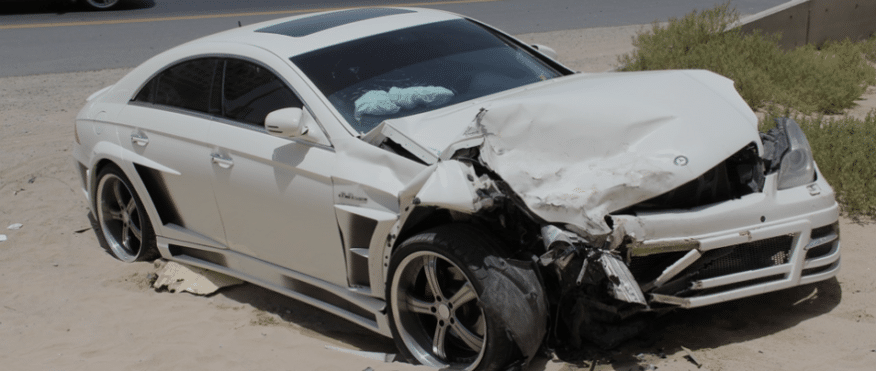
Recovering Money For Injuries After An Accident
1. Stop Your Car
Never leave the scene of an accident no matter how minor the accident. If you fail to do so you may be criminally prosecuted. Thus, when it is safe to do so, pull over and stop your car.
2. Aid Injured Parties
If any party was injured after the accident, it is imperative to call emergency personal. Do not try moving an injured party because you may further aggravate their injuries.
Instead, speak to them and keep them warm until help arrives. In the event that there is severe bleeding, try to stop it by applying direct pressure on the wound. Call the police at which point the police officer will take down all parties information, as well as take down any witness statements and may possibly write a police report. Usually, if none of the parties reported any injuries at the scene of the accident, a police officer will not write a police report.
However, the police report is a helpful tool when filing your claim with both your and opposing parties insurance company.
3. Provide Legally Required Information
After an accident, drivers are required to exchange information, such as your name , address, and insurance information. Including passengers or any witnesses.
It's important to remember that you do not have to give any information that the law does not require you to. Further, do not make any statements or comments with regards the cause of the accident. Specifically, DO NOT admit fault event if you believe that you were the one at fault. Many times, it is discovered that the opposing driver was equally at fault. No one has the right to force you to give an opinion with regards to the cause of the accident. whether at the police station or elsewhere. Keep in mind you have the right to consult with a car accident attorney before making any statement.
Make sure you right down the details of the accident, including the date and time, location of the accident, weather conditions and speed of all other vehicles.
4. Seek Medical Attention
It is always a good idea to seek medical attentions soon after if not immediately following the accident, including that of your passengers.
5. File an Accident Claim With Your Insurance Companies
Notify your insurance company immediately following the accident. Cooperate with your insurance adjuster during the investigation.
However, prior to submitting to a recorded statement, including both your and the opposing insurance company, it is imperative that you seek consult from accident attorney. If you have been involved in an accident, you can request a free consultation with one of our accident attorneys. At this point do not admit fault and remember to always keep copies of all and any correspondence, documents, and reports for your personal records.
Many times insurance adjusters will use various tactics and ask you questions that lead you to admit fault of the accident.
6. Consult an Los Angeles Accident Attorney About Your Rights
Consult an attorney if you are unsure about your rights and remedies. In most cases an experienced accident attorney will increase your personal injury settlement claim and guide your throughout the entire process.
Recover damages for your injuries: You are entitled to recover money damages for injuries sustained due to another drivers negligence. If the opposing driver is found to be at fault or even partially at fault you may also be entitled to damages from the opposing insurance policy as well. Further, if you sustained any other losses, such as missing work, loss of use, you may also be entitled to reimbursement under your personal insurance policy.
You may be entitled to recover money for the following:
(a) Nature, extent and duration of injuries; (b) Pain and suffering from injuries; (c) Disability, both temporary and permanent; (d) Reasonable expenses resulting from injury, including medical and hospital expenses; (e) Loss of income; (f) Loss of Use and/or; (g) Value of damage to property.
Related Articles
View All Posts
Illinois limits private equity influence in law firms, reinforcing attorney independence, client confidentiality, and professional judgment.

What Are California's Clean Car Rules?
Clean Car rules refer to California's vehicle emission standards aimed at reducing air pollution and greenhouse gases. These rules come from the California Air Resources Board (CARB). They require automakers to cut tailpipe emissions and produce zero-emission vehicles like electric or hydrogen-powered cars.
California's program is stricter than federal rules. Over a dozen other states have adopted these standards under Section 177 of the Clean Air Act.
Legal Challenge to Clean Car Standards Gains Traction
Recently, the U.S. Supreme Court allowed a lawsuit against California’s Clean Car rules to move forward. This case was brought by Republican-led states and industry groups. They claim that California's authority to set its own emission rules is unconstitutional.
The main argument revolves around the federal Clean Air Act. It allows California to request a waiver to impose stricter standards. The plaintiffs argue that these waivers create confusion and impose unfair burdens on car manufacturers. Automakers must then meet both federal and California standards.
Supreme Court Declines to Block the Case
The Supreme Court did not rule on the lawsuit’s outcome. Instead, it simply allowed the case to continue in lower courts. This reverses earlier decisions that blocked the case on jurisdictional grounds.
California Attorney General Rob Bonta has promised to defend the rules. Environmental groups also support the Clean Car program, citing public health and climate benefits.
What This Means for Automakers and Consumers
If the challenge succeeds, California might lose its power to enforce stricter emissions rules. Automakers would likely reduce investments in zero-emission vehicles for the California market.
Consumers could see fewer Clean Car options and increased vehicle emissions. If California wins, the state could continue shaping national clean vehicle policy and technology.
Environmental and Health Impacts
Clean Car standards are about more than climate change. They address serious public health concerns. Vehicle emissions worsen smog and trigger asthma and heart conditions, especially in cities.
California suffers from some of the worst air pollution in the U.S. Areas like Los Angeles and the Central Valley are most affected. Clean Car rules aim to reduce the harm caused by millions of vehicles.
To learn more about vehicle pollution and public health, visit the Environmental Defense Fund.
Legal Battle Over State vs. Federal Power
This lawsuit raises big questions about federalism. Should California be able to set stricter rules than the federal government?
The Clean Air Act gives California the right to apply for waivers. That’s because the state has struggled with air pollution for decades.
Opponents argue these waivers give California too much control over national markets. Supporters say they drive innovation and protect public health.
The Trump administration revoked California’s waiver. President Biden later restored it. The back-and-forth has led to legal uncertainty.
Clean Car Standards Drive the Electric Vehicle Future
No matter how this case ends, the shift toward electric vehicles (EVs) is underway. Automakers like Tesla, Ford, and GM are heavily investing in EVs.
Clean Car rules helped build charging infrastructure and encouraged EV adoption. Weakening these rules might slow progress. But market forces and climate goals will likely keep the EV transition moving forward.
KAASS LAW’s Legal Insight
At KAASS LAW, we closely track cases like the Clean Car challenge. Environmental laws affect businesses, consumers, and government entities alike. Our attorneys are ready to help you understand and respond to these legal changes.
Visit our Business Law page to learn how we assist clients with compliance and litigation. We also handle Lawsuits and Litigation in various sectors, including environmental matters.
What Happens Next?
The case returns to lower courts for full litigation. Both sides will present their arguments. A final decision may take years.
Until then, Clean Car standards remain active. Automakers, regulators, and environmental groups will be watching closely. The ruling could reshape national clean air policy.
Conclusion
The Supreme Court’s action allows a high-stakes lawsuit against California’s Clean Car rules to move forward. The outcome will affect state powers, public health, and the auto industry.
Whether you’re a business, consumer, or policymaker, the decisions made in this case could impact you. Contact KAASS LAW to learn how we can help you navigate these evolving legal landscapes.

E-bikes are gaining popularity across California, offering an efficient and eco-friendly way to get around. But with the rise in usage, the number of e-bike injury incidents involving both riders and pedestrians has also grown. If you’ve been injured while riding an e-bike—or struck by one—you need to take swift action to protect your health and your legal rights. Here's what to do immediately after an injury accident in California
Step 1: Get Medical Attention for Your E-Bike Injury
Your health should always come first. After an e-bike injury, call 911 or go to the nearest emergency room, even if you feel okay. Some injuries, such as concussions or internal bleeding, may not show immediate symptoms.
Seeing a doctor promptly not only protects your health but also creates a medical record that can be critical if you decide to pursue a legal claim.
Step 2: Report the E-Bike Injury to the Police
Call local law enforcement to report the accident. In California, any collision involving injury or property damage must be documented. The responding officer will create an official police report.
Be clear and honest when giving your statement. Make sure you ask how to obtain a copy of the report. It will serve as important evidence in your case.
Step 3: Preserve Evidence—Don’t Disturb the Scene
In any e-bike injury case, preserving the accident scene is critical. If you are physically able, avoid moving the e-bike, other vehicles, or debris until authorities arrive. This helps investigators document the scene accurately.
Take photographs or videos of:
- Damaged e-bikes or vehicles
- Skid marks and debris
- Traffic signs or signals
- Visible injuries
- Your location relative to the road or sidewalk
If you're unable to take photos yourself, ask a witness or bystander to help. Never clean up or move items until the scene is documented.
Step 4: Collect Witness Statements After an E-Bike Injury
Witnesses can play a key role in verifying your version of events. If anyone saw the crash, ask them for:
- Full name
- Contact information
- A brief statement of what they saw
Eyewitness accounts are especially helpful in e-bike injury cases involving disputes over right of way, sidewalk use, or rider negligence.
Step 5: Document Your Injuries and Financial Losses
Keep records of everything related to your e-bike injury, including:
- Photos of injuries
- Doctor’s notes
- Prescriptions
- Physical therapy sessions
- Time missed from work
- Property damage (e.g., broken phones, cracked helmets, damaged e-bike)
Hold on to all bills, receipts, and repair estimates. This documentation will help build your case and support your claim for compensation.
Step 6: Don’t Speak to Insurers Without Legal Help
After an e-bike injury, insurance companies may contact you for a statement. Don’t provide one without first consulting a lawyer. Insurers often try to minimize payouts or shift blame.
At KAASS LAW, we deal with insurance adjusters on your behalf. We make sure your rights are protected and help you pursue fair compensation.
Step 7: Understand Liability in an E-Bike Injury Case
Determining fault is key in any e-bike injury case. Liability may fall on:
- A negligent e-bike rider
- A driver who hit a rider
- The city has hazardous road conditions
- An e-bike manufacturer is experiencing equipment failure
A personal injury attorney can help investigate the cause, gather evidence, and identify all responsible parties.
Common Causes of E-Bike Injury in California
Here are the common causes of e-bike injury for both riders and pedestrians:
- Reckless or speeding riders
- Riding on sidewalks or pedestrian paths
- Distracted riding or driving
- Mechanical failures (brakes, tires, batteries)
- Dooring accidents from parked vehicles
- Failure to yield at crosswalks or stop signs
If negligence was involved, you may be eligible for compensation for your injuries and damages.
Know Your Rights After
California law provides legal options for victims of injury accidents. Whether you're a rider or a pedestrian, you have the right to seek damages if someone else was at fault.
Visit our Personal Injury and Bicycle Accident Lawyer pages to learn more about your rights and how KAASS LAW can help.
When to Contact an Attorney
Don't wait to speak with a qualified attorney if you’ve suffered an injury in California. At KAASS LAW, we assist victims in gathering evidence, filing claims, and securing the compensation they deserve.
We offer free consultations and work on a contingency fee basis, meaning you pay nothing unless we win your case.
E-Bike Safety Resources
Visit the National Highway Traffic Safety Administration (NHTSA) to learn more about e-bike safety, traffic laws, and accident prevention. This reputable resource offers valuable guidance for both riders and motorists.
Call KAASS LAW Today for Help With Your E-Bike Injury Case
If you or a loved one has been involved in an e-bike injury accident—whether as a rider or a pedestrian—you don’t have to face the aftermath alone. The legal team at KAASS LAW is here to help you understand your rights, gather critical evidence, and pursue the compensation you deserve.
Our experienced California personal injury attorneys have successfully represented clients in a wide range of transportation-related accident cases. We are committed to holding negligent parties accountable and helping you get the justice you need to move forward. Call us today at (310) 943-1171 or visit kaass.com to schedule your consultation.
