Falling Tree and Branch Accidents: Property Owner Duties to Inspect and Maintain Trees
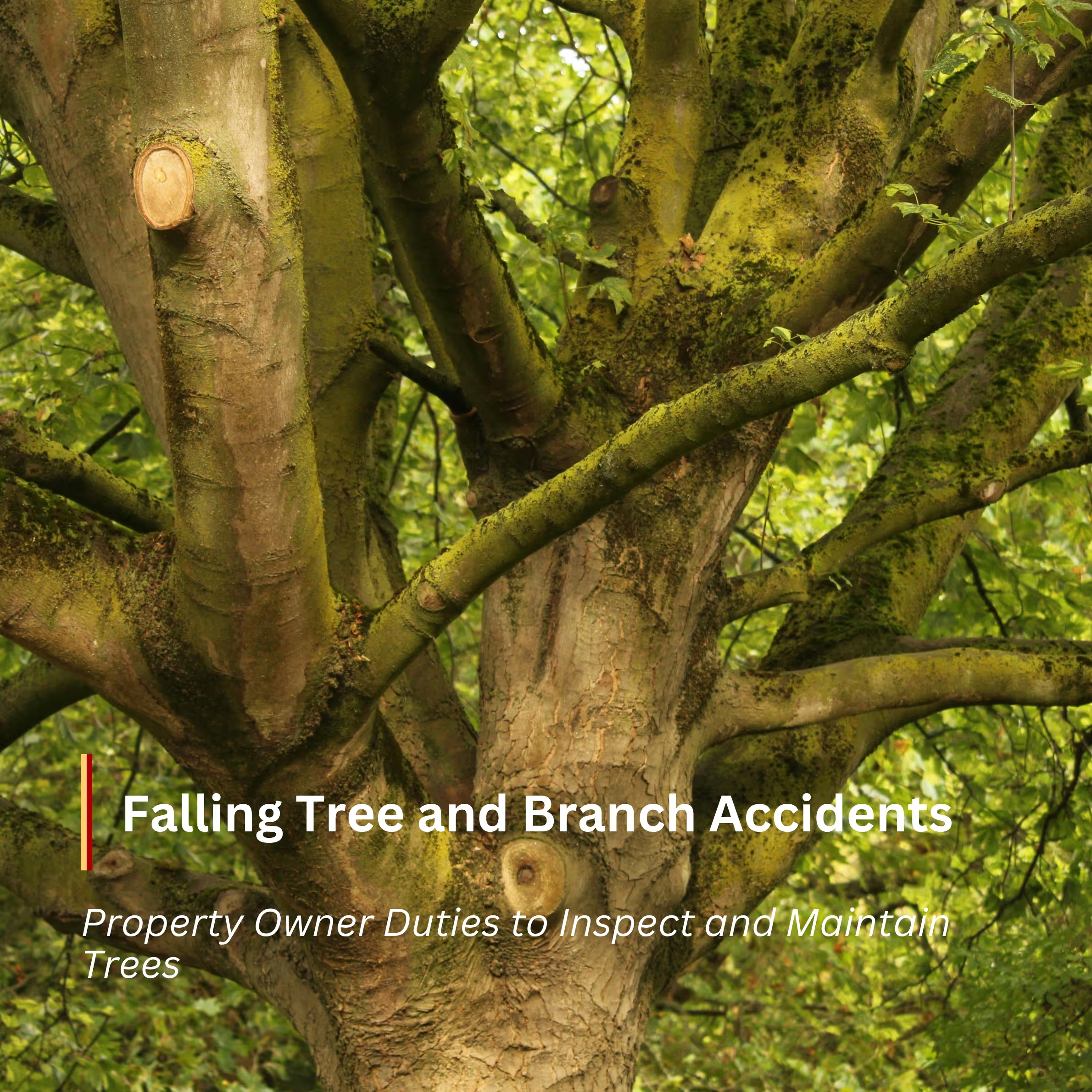
Falling tree and branch accidents may cause serious or sometimes life-threatening injuries to families and their loved ones. Oftentimes, identifying who may be liable after a falling tree or branch accident occurs may be complicated and challenging for individuals to handle on their own. Understanding the steps to take when suffering injuries from these types of accidents is crucial to maintaining your safety for the future.
Understanding the Dangers of Trees
Trees do not always appear dangerous before they fail. Nevertheless, certain visible conditions may suggest that further inspection or maintenance is appropriate. Potential warning signs may include, but are not limited to, the following.
- Dead or hanging branches
- Significant cracks or splits in the trunk
- Visible decay or cavities
- Fungal growth around the trunk or roots
- Exposed or damaged roots
- A significant or unusual lean
- Previous branch failures
- Storm-related damage
- Large dead sections of the canopy
- Evidence of disease or pest infestation
The presence of one of these conditions does not automatically establish negligence. The circumstances surrounding the tree and what a reasonable property owner would have done are important considerations.
Reasonable Care
One significant issue in falling tree cases is whether a dangerous condition could have been discovered through reasonable care. California law does not necessarily require property owners to identify every hidden defect. However, property owners usually have an obligation to exercise reasonable care in keeping their premises reasonably safe, which may include regular inspections to discover unsafe conditions.
Premises Liability Laws
Liability often depends on whether the property owner had actual knowledge of the dangerous condition. California premises liability principles recognize that an owner may be responsible for an unsafe condition when the owner knew or, through reasonable care, should have known about the condition and failed to repair it, protect against the danger, or provide an adequate warning. Evidence showing how long deterioration existed can also become important in a tree accident claim.
Storms
Storms usually cause trees and branches to fall, but severe weather does not automatically eliminate the possibility of property owner responsibility. Sometimes a healthy tree can unexpectedly fall because of strong winds or poor weather conditions such as heavy rain. In other situations, a storm may reveal an existing problem such as decay, disease, weakened roots, or previously damaged branches.
Property Owners
California property owners usually have a duty to maintain their premises in a reasonably safe condition. A property owner is not automatically responsible for an accident just because a tree or branch falls. Instead, an important question is whether the owner knew or should have known that the tree was dangerous.
Tree hazards are especially concerning when branches extend over areas where people regularly walk, drive, park, or gather. A property owner may need to consider the possible risks beyond the location where the tree trunk stands. For example, an unstable branch hanging over a neighboring driveway or public walkway could potentially create a risk to people outside the owner's immediate property. Determining responsibility can become more complicated when trees are located near property boundaries, public rights-of-way, rental properties, or areas maintained by governmental entities.
Preserving Important Documentation
Since trees may be removed quickly after an accident, preserving evidence can be especially important. Useful evidence may include, but is not limited to, the following.
- Photographs and videos of the tree and accident scene
- Maintenance reports
- Records of previous complaints
In addition, weather reports may help establish the conditions at the time of the incident. In some cases, a qualified professional may evaluate whether decay, disease, root problems, structural defects, or heavy storms contributed to the damage. Medical records and photographs of injuries may also help document the nature and extent of harm when someone is physically injured.
Types of Injuries
Large trees and branches can produce heavy force when they fall. Depending on the circumstances, accidents may result in head injuries, fractures, spinal injuries, cuts, soft-tissue injuries, or other trauma. Falling trees may also damage vehicles, homes, fences, outdoor structures, and personal property. The type of claim and available damages will depend on the circumstances, including the nature of the injury or property damage, the evidence regarding responsibility, and applicable insurance coverage.
Speaking to a Legal Professional
Victims should consider seeking legal guidance and support after a falling tree or branch accident. This may be beneficial, as these types of accidents may raise serious challenges and complications. A legal professional may be able to review your case, explain applicable laws, and preserve necessary pieces of evidence that may be used later on.
Our Legal Team at KAASS LAW
At KAASS LAW, we understand the challenges victims and their loved ones may face after a falling tree or branch accident. Oftentimes, victims are unaware of the necessary steps to take to work towards recovery after suffering injuries from these types of accidents. Our legal team at KAASS LAW can help you feel supported and cared for throughout the claims process and ensure you understand your rights moving forward. Call KAASS LAW today for a confidential consultation and to discuss your potential options.
Related Articles
View All Posts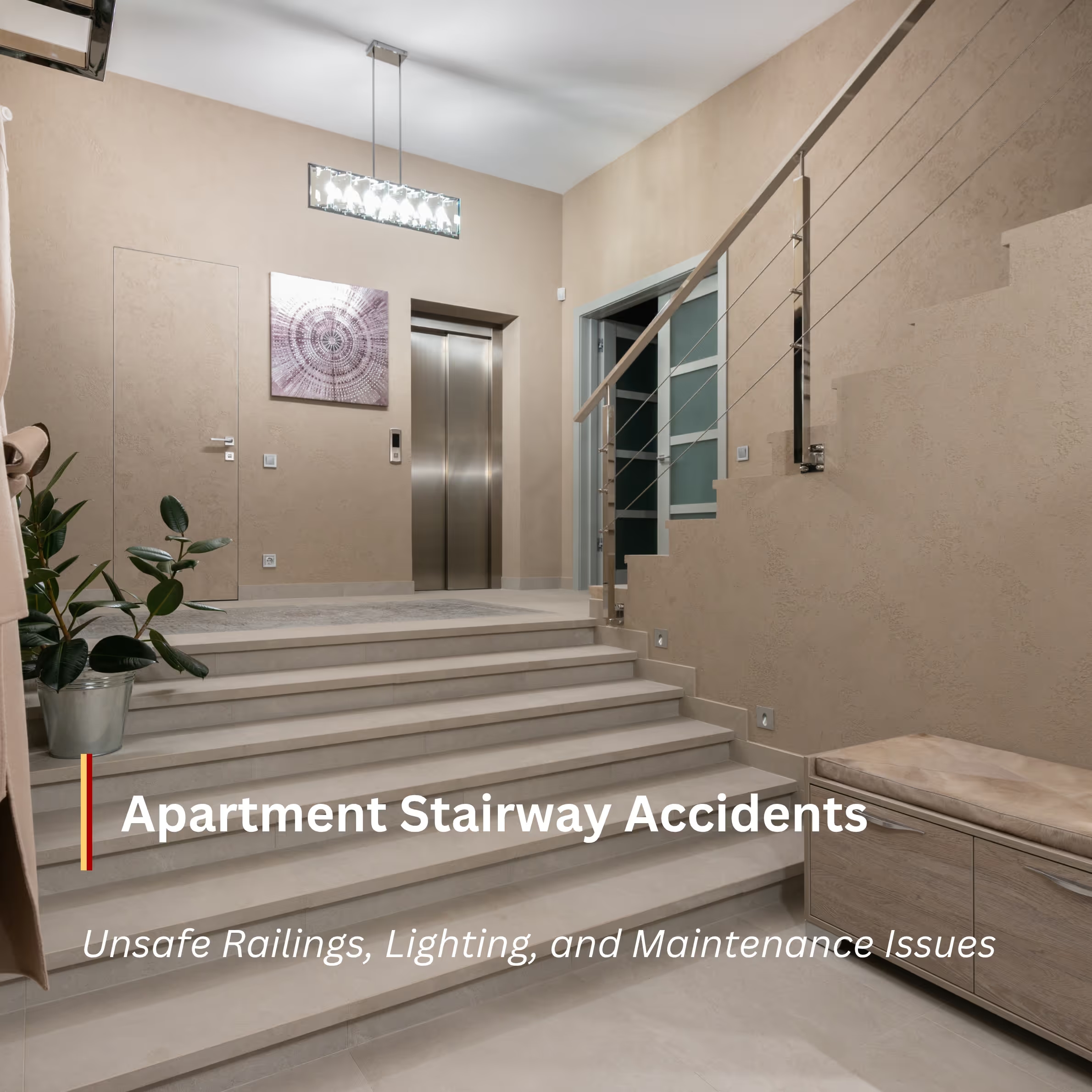
Apartment stairway accidents may result from unsafe railings, poor lighting, damaged steps, or inadequate property maintenance.
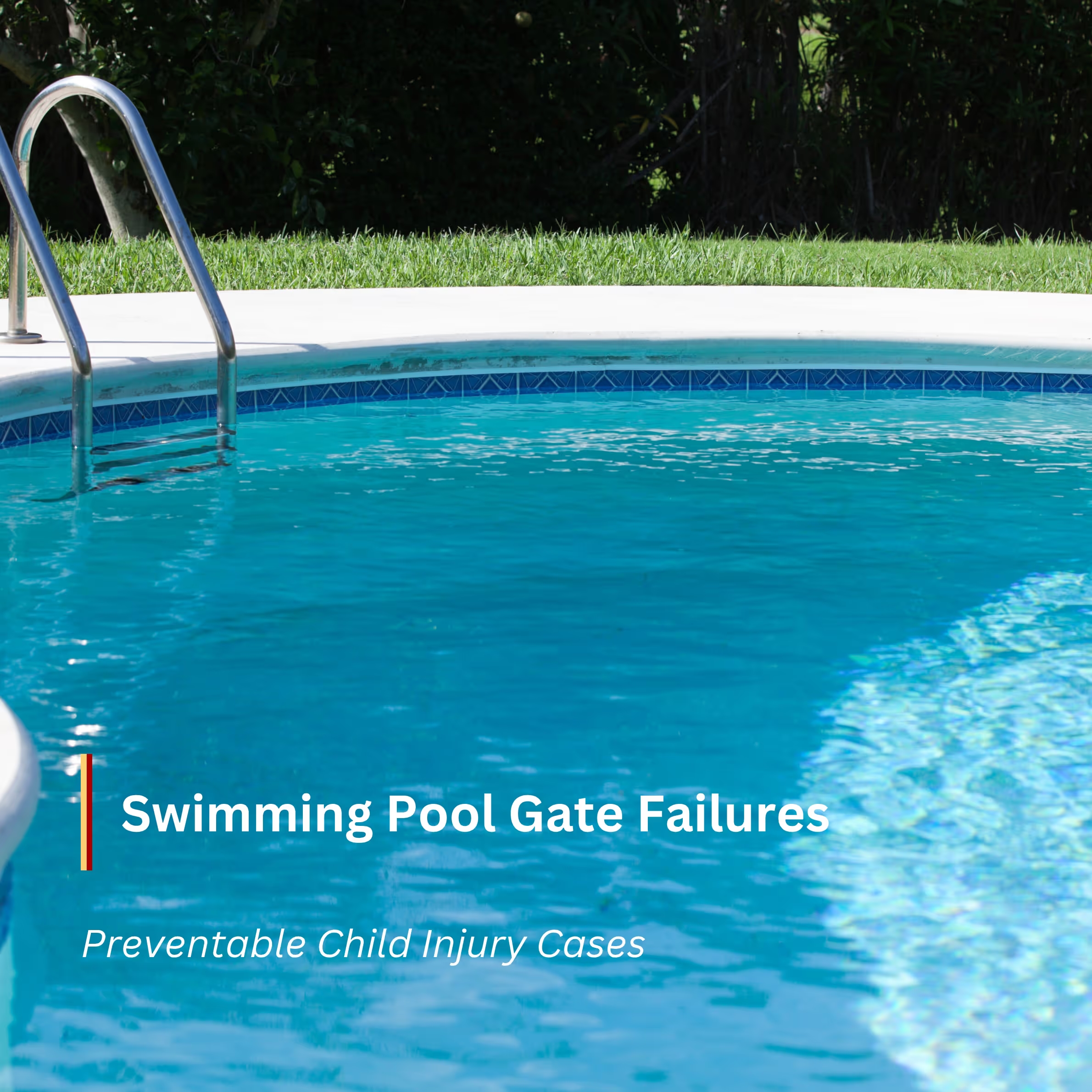
Learn how swimming pool gate failures can contribute to child injuries and when property owners or others may face legal responsibility.

Premises liability injury is one of our many practices. Suppose you were injured in a premises liability accident and are thinking of taking legal action. In that case, you should avoid the following common mistakes, which could endanger your ability to recover your damages adequately.
You Failed to Report the Premises Liability Incident
It is crucial to report the accident to the property or business manager as soon as possible. You must also ask to complete an accident report and demand a copy of that report for the records. This action will help you file a personal injury insurance claim or lawsuit if you later decide. Completing an accident report will also get the property owner to preserve evidence, such as saving a video recording of the accident.
You Failed to Gather Enough Evidence For Premises Liability
Collecting enough evidence to build and support a solid personal injury claim. Evidence can take different forms, and the evidence you will need to gather will depend on the facts of your accident. However, here are some common types of evidence in premises liability cases:
- Photographs
You can take pictures of the hazardous condition that caused your accident, such as:
- a water stain on a shop floor
- debris left in an aisle,
- a pothole or crack on a sidewalk etc...
Additionally, please take pictures of your injuries as soon as possible after your accident when they are most brightly apparent.
Property Records
You must produce certain property records to convince the judge that you bring a claim against the appropriate parties. These records are necessary to demonstrate that the defendant was the owner of the area where you were hurt. You can also work with your attorney to compile your case's lease agreements and property documents.
Insurance Policies
Your lawyer will request and examine the negligent party's insurance coverage. Your lawyer would also want to study the policies if the owner is a different party or if other parties can be responsible for the accident.
Witness Statements
It is better to obtain the statements as soon as possible after your accident while the witnesses can be located and their memories are fresh. As part of his examination of your claim, an experienced personal injury attorney can assist you in identifying the evidence that is required and can gather it for you.
You Delayed to Seek Prompt Medical Attention
One of the biggest mistakes is refusing medical attention after the accident. This will not only protects your health by guaranteeing that you don't have any severe injuries, such as concussions or internal bleeding but will also document your accident and injuries.
You Accepted a Settlement Offer Before Getting Legal Advice
The only proper way to accept the settlement and determine whether it is fair is by speaking with a qualified personal injury attorney from Kaass Law. Investigating the case and gathering the evidence you need to obtain for an appropriate settlement t is one of the significant services a premises liability injury attorney on our team offers. When you deal with our premises liability experts, we'll help you at every step.
Contact KAASS Law Attorneys Today.
Hurt in a premises liability accident? Kaass Law slip and fall attorneys are here to help. Contact us today at (310) 943-1171 to schedule an appointment for a consultation.
