Carbon Monoxide Poisoning Leading To Wrongful Death

Carbon monoxide poisoning is dangerous. It is a gas that may cause a death to you or your loved ones. With carbon monoxide, it is difficult to catch at an early stage as it is spreading, however, they are ways that one may prevent it from the spread in the first place. Thus, take a look into this article to understand what factors to consider.
Carbon Monoxide Poisoning: What are the Symptoms?
Carbon monoxide poisoning initially begin with slight symptoms of a headache. Other potential circumstances may be through the feeling of sickness or being lightheaded. It is highly dangerous to those who are exposed to high levels of carbon monoxide gas. Since the gas has no smell, people could mistake it for the flu. Especially if their symptoms worsen and include chest pain, vomiting, and fatigue.
What Leads to Leaks in Carbon Monoxide Gas?
Fuels that burn incompletely or inefficiently emit carbon monoxide. A buildup of carbon monoxide gas can be brought on by coal fires, burning wood, burning oil, burning car engines, using gas generators, or burning wood in poorly ventilated areas. Possible sources causing carbon monoxide poisoning include:
- Generators. The great majority of fatalities involved generators and happened during blackouts or power interruptions brought on by weather-related events.
- Confined areas. Numerous fatalities occurred in residences with living spaces that were fewer than 1,500 square feet in size and that contained a carbon monoxide-producing apparatus.
- Overnight leakages. Undiscovered leaks have a higher chance of being fatal if they happen at night, when a victim would normally be sleeping, or if the sufferer is asleep.
- Temporary buildings. In temporary shelters like cabins, campers, RVs, and livestock trailers, where victims were trying to supply power to a non-powered structure or vehicle, poisoning was widespread.
- Proximity to the exhaust. There was no apparent attempt to properly ventilate the generator exhaust in over 60% of recorded fatalities. When the generator was outdoors, it was frequently positioned too near windows, air conditioners, or vents, which allowed the gas to enter a room.
Who Is Responsible for a Carbon Monoxide Poisoning-Related Wrongful Death?
You must demonstrate that someone's activity or omission was the cause of the fatal damage. This will help to obtain financial compensation through a wrongful death claim. If you want to prove that you had a duty of care and that one could have prevented the carbon monoxide exposure, you might require our assistance. For example, the cause of your loved one's passing might have been: Tenant carelessness. If the relative's landlord neglected to check that the heating, cooking, and ventilation systems were in excellent working order before renting out the property, you might have a premises liability case. If the building's bad design made injury more likely, landlords, property management firms, and the developer might be accountable. Household flaws. Homeowners may file claims against the architect of the residence, the remodeling firm, the business that installed the furnace, etc. Defective appliances. It is the responsibility of the maker of consumer devices that produce carbon monoxide to make sure the appliance does not have a faulty design. In order to prevent injuries, they must also provide clear instructions on how to utilize the device. CO alarms that aren't working properly. Although carbon monoxide detectors are more prevalent in average homes, they are useless if they malfunction. Autos with problems. If an exhaust pipe leak or obstruction resulted in the poisoning, automakers and mechanics may all be liable.
Contact Glendale Attorney Today
Although money cannot replace a lost loved one, KAASS LAW legal team will use all of its resources to hold those responsible accountable and obtain a settlement that enables you to go on. To learn more about your next steps and to receive a free explanation, get in touch with us right now by calling (310) 943-1171. In addition, visit the website for our other practices.
Related Articles
View All Posts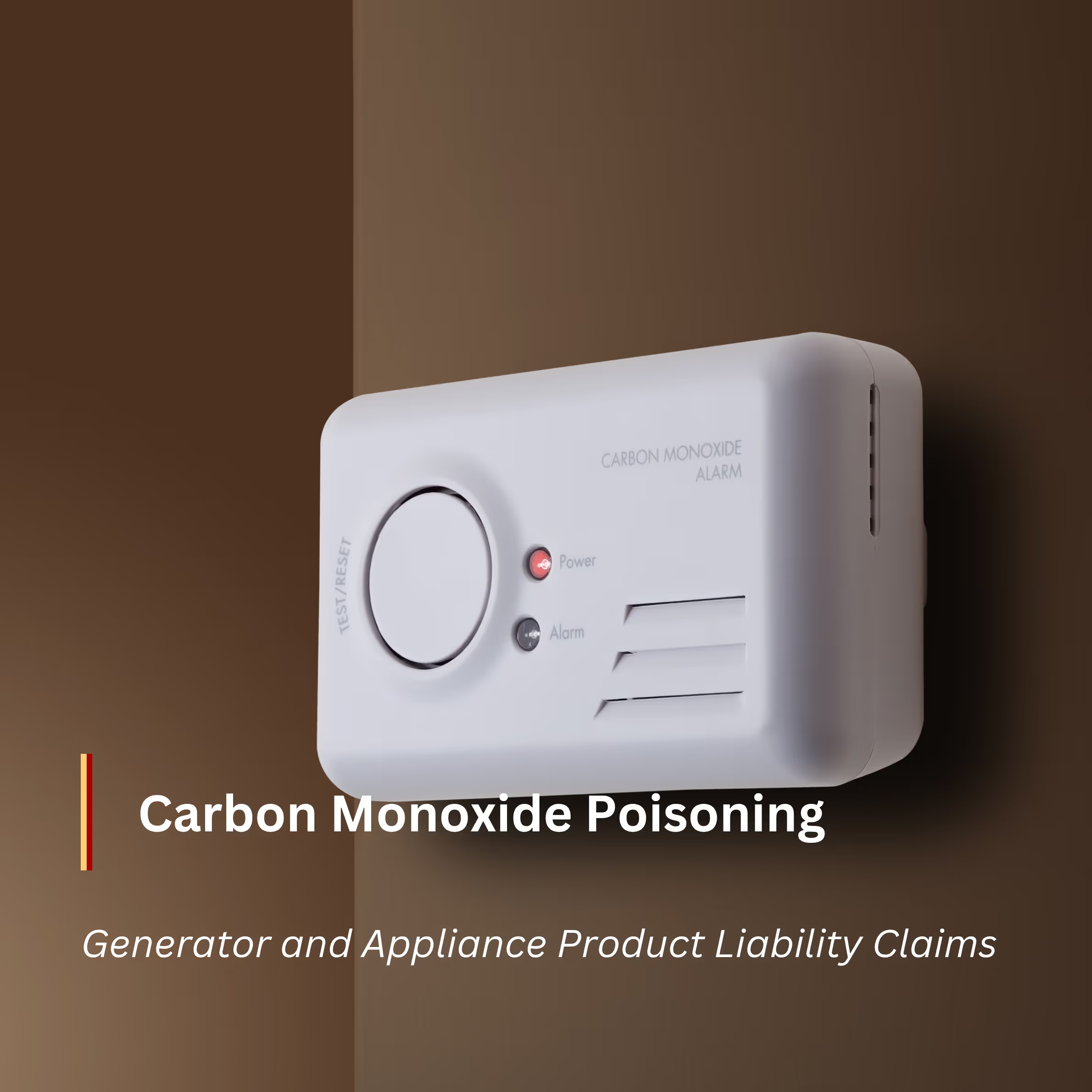
Learn how defective generators and appliances may lead to carbon monoxide poisoning claims and potential product liability in California.

A Downtown Los Angeles fatal stabbing and vehicle incident raises questions about wrongful death, negligence, and potential civil liability.

What Are California's Clean Car Rules?
Clean Car rules refer to California's vehicle emission standards aimed at reducing air pollution and greenhouse gases. These rules come from the California Air Resources Board (CARB). They require automakers to cut tailpipe emissions and produce zero-emission vehicles like electric or hydrogen-powered cars.
California's program is stricter than federal rules. Over a dozen other states have adopted these standards under Section 177 of the Clean Air Act.
Legal Challenge to Clean Car Standards Gains Traction
Recently, the U.S. Supreme Court allowed a lawsuit against California’s Clean Car rules to move forward. This case was brought by Republican-led states and industry groups. They claim that California's authority to set its own emission rules is unconstitutional.
The main argument revolves around the federal Clean Air Act. It allows California to request a waiver to impose stricter standards. The plaintiffs argue that these waivers create confusion and impose unfair burdens on car manufacturers. Automakers must then meet both federal and California standards.
Supreme Court Declines to Block the Case
The Supreme Court did not rule on the lawsuit’s outcome. Instead, it simply allowed the case to continue in lower courts. This reverses earlier decisions that blocked the case on jurisdictional grounds.
California Attorney General Rob Bonta has promised to defend the rules. Environmental groups also support the Clean Car program, citing public health and climate benefits.
What This Means for Automakers and Consumers
If the challenge succeeds, California might lose its power to enforce stricter emissions rules. Automakers would likely reduce investments in zero-emission vehicles for the California market.
Consumers could see fewer Clean Car options and increased vehicle emissions. If California wins, the state could continue shaping national clean vehicle policy and technology.
Environmental and Health Impacts
Clean Car standards are about more than climate change. They address serious public health concerns. Vehicle emissions worsen smog and trigger asthma and heart conditions, especially in cities.
California suffers from some of the worst air pollution in the U.S. Areas like Los Angeles and the Central Valley are most affected. Clean Car rules aim to reduce the harm caused by millions of vehicles.
To learn more about vehicle pollution and public health, visit the Environmental Defense Fund.
Legal Battle Over State vs. Federal Power
This lawsuit raises big questions about federalism. Should California be able to set stricter rules than the federal government?
The Clean Air Act gives California the right to apply for waivers. That’s because the state has struggled with air pollution for decades.
Opponents argue these waivers give California too much control over national markets. Supporters say they drive innovation and protect public health.
The Trump administration revoked California’s waiver. President Biden later restored it. The back-and-forth has led to legal uncertainty.
Clean Car Standards Drive the Electric Vehicle Future
No matter how this case ends, the shift toward electric vehicles (EVs) is underway. Automakers like Tesla, Ford, and GM are heavily investing in EVs.
Clean Car rules helped build charging infrastructure and encouraged EV adoption. Weakening these rules might slow progress. But market forces and climate goals will likely keep the EV transition moving forward.
KAASS LAW’s Legal Insight
At KAASS LAW, we closely track cases like the Clean Car challenge. Environmental laws affect businesses, consumers, and government entities alike. Our attorneys are ready to help you understand and respond to these legal changes.
Visit our Business Law page to learn how we assist clients with compliance and litigation. We also handle Lawsuits and Litigation in various sectors, including environmental matters.
What Happens Next?
The case returns to lower courts for full litigation. Both sides will present their arguments. A final decision may take years.
Until then, Clean Car standards remain active. Automakers, regulators, and environmental groups will be watching closely. The ruling could reshape national clean air policy.
Conclusion
The Supreme Court’s action allows a high-stakes lawsuit against California’s Clean Car rules to move forward. The outcome will affect state powers, public health, and the auto industry.
Whether you’re a business, consumer, or policymaker, the decisions made in this case could impact you. Contact KAASS LAW to learn how we can help you navigate these evolving legal landscapes.
