
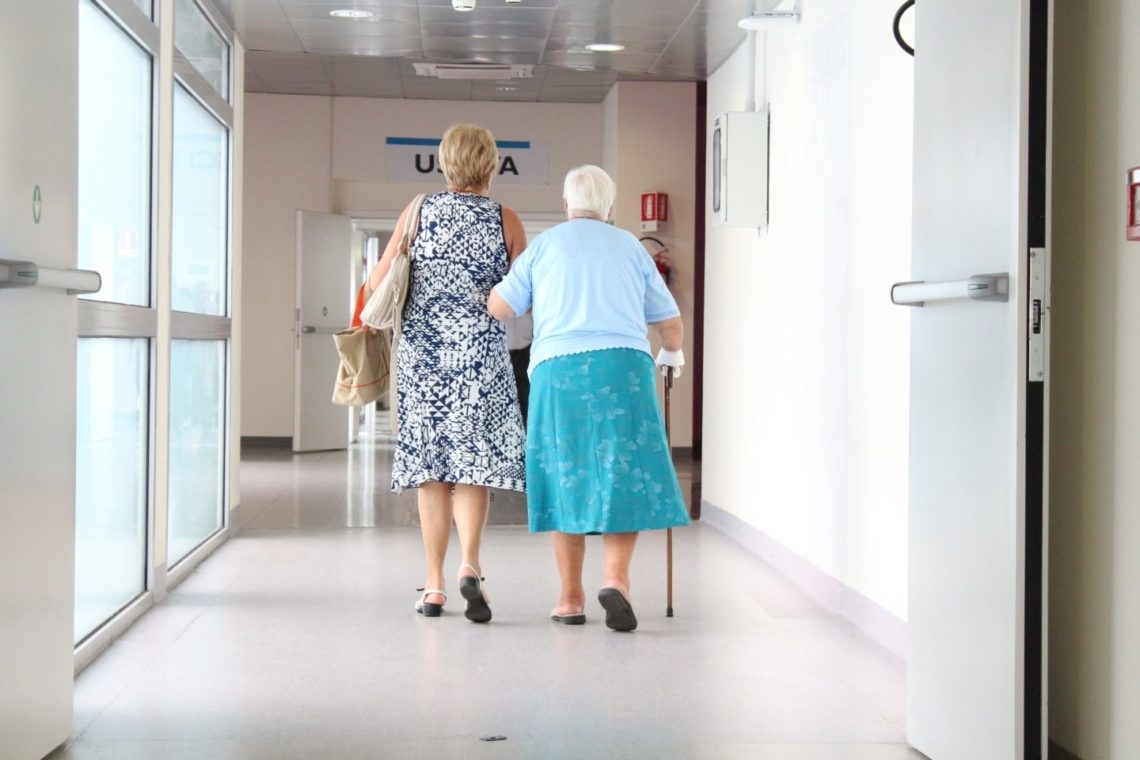
The Elder Abuse Protection Acts focuses on protecting older adults by punishing perpetrators who exploit, abuse, and harm vulnerable seniors.
Elder abuse can occur in various forms such as, physical, mental, emotional, financial and even sexual. Often, the abuse is physical or results from neglect. The law recognizes that factors which contribute to abuse, neglect, or abandonment of elders and dependent adults are economic instability of the family, resentment of caretaker responsibilities, stress on the caretaker, and abuse by the caretaker of drugs or alcohol. Elder abuse can occur in cases involving nursing home negligence. Some of the type of injuries that may appear as:
Common types of physical abuse include any unwarranted or unwelcome physical touching including:
California Welfare And Institutions Code §15600 provides legal protection and recourse for elderly who have suffered abuse under the Elder Abuse And Dependent Adult Civil Protection Act. The law recognizes that many elders and dependent adults who are at the greatest risk of abuse, neglect, or abandonment by their families or caretakers suffer physical impairments and other poor health that place them in a dependent and vulnerable position. Elder is defined in the statutes as any person 65 years of age or older who is residing in California at the time of the alleged abuse. The term “abuse” is interpreted broadly and includes any of the following:
Neglect means that the care giver acted unreasonably by failing to exercise that degree of skill or render that level of care for which a reasonable person would exercise or render under similar circumstances. Under the Elder Abuse Protection Act, you or a loved one are entitled to compensation for any type of abuse, negligence or recklessness on the part of the nursing home facilities caregivers. Further, you or a loved one are entitled to file for damages against each healthcare provider who was involved in the abuse. It is best to seek assistance from an experienced California nursing home attorney. Often times obtaining evidence of abuse and bringing charges against the company or corporation which operates the nursing home can be almost impossible without specialized and experienced legal representation. If you believe that a loved one may be subjected to elder abuse and wish to file a claim, it is imperative to act quickly. There is only a certain amount of time during which you can file a case. The time limits are complicated and strictly enforced by the courts. If you think you have a valid claim, consult with one of our Glendale elder care abuse attorney as soon as possible.
An Glendale elder care abuse attorney can help you review your case and explain the steps that must be taken in order to bring action against the person, nursing home, rehabilitation center, or elder care facility. Speak to one of our Los Angeles personal injury lawyers experienced with elder abuse and nursing home negligence cases. We offer a free consultation and case review. Call our office at (310) 943-1171, our attorneys speak English, French, Spanish, Russian, Armenian, and Italian.
The California Welfare And Institutions Code §15600 provides legal protection and recourse for elderly who have suffered abuse under the Elder Abuse And Dependent Adult Civil Protection Act and provides that: (a) The Legislature recognizes that elders and dependent adults may be subjected to abuse, neglect, or abandonment and that this state has a responsibility to protect these persons. (b) The Legislature further recognizes that a significant number of these persons are elderly. The Legislature desires to direct special attention to the needs and problems of elderly persons, recognizing that these persons constitute a significant and identifiable segment of the population and that they are more subject to risks of abuse, neglect, and abandonment. (c) The Legislature further recognizes that a significant number of these persons have developmental disabilities and that mental and verbal limitations often leave them vulnerable to abuse and incapable of asking for help and protection. (d) The Legislature recognizes that most elders and dependent adults who are at the greatest risk of abuse, neglect, or abandonment by their families or caretakers suffer physical impairments and other poor health that place them in a dependent and vulnerable position. (e) The Legislature further recognizes that factors which contribute to abuse, neglect, or abandonment of elders and dependent adults are economic instability of the family, resentment of caretaker responsibilities, stress on the caretaker, and abuse by the caretaker of drugs or alcohol. (f) The Legislature declares that this state shall foster and promote community services for the economic, social, and personal well-being of its citizens in order to protect those persons described in this section. (g) The Legislature further declares that uniform state guidelines, which specify when county adult protective service agencies are to investigate allegations of abuse of elders and dependent adults and the appropriate role of local law enforcement is necessary in order to ensure that a minimum level of protection is provided to elders and dependent adults in each county.

Motorcycles are more likely to get into accidents than any other motor vehicle. According to the Insurance Information Institute, in 2015, there were 88,000 motorcycle accidents injuries. In motorcycle accidents, knowing your options as a passenger on a motorcycle involved in an accident is important. It is critical for the rider of a motorcycle to have proper motorcycle insurance. Most biker clubs have discounts for motorcycle insurance to avoid being denied damages under California Proposition 213.
Under California law, riders of motorcycles must have insurance with liability coverage. This means that the passengers in a motorcycle accident would have coverage for property damage and bodily injury caused by the rider. This coverage does not cover the damages of the rider unless it has comprehensive coverage, usually coverage for property damages only. Thus, if a rider is at-fault and has liability and comprehensive insurance coverage, then the rider's insurance will cover passengers' personal injuries and rider's property damages only. Coverage. This coverage applies when the rider is not-at-fault and the at-fault opposing driver's coverage is nonexistent or insufficient. In this scenario, the rider and the passenger can make a claim for injuries towards the rider's (in case of no coverage) or (in case of insufficient coverage) motorist coverage. Are you wondering about ? The rider's insurance company will cover for medical expenses irrespective of fault up to the Medical Payments coverage limit, which is usually anywhere from $1000-$10,000.

When a loved one passes away due to the negligence of another party, California law allows for two different types of lawsuits that can be against the negligent party. A California wrongful death lawsuit may be filed by the representative of the deceased’s estate, or by the decedent’s surviving spouse, children or other dependent family members. While, a survival cause of action can be filed by the estate’s personal representative, or if none has been appointed, by the decedent’s successor-in-interest. A survival cause of action can only be brought if the decedent did not immediately die from his injuries. The survival statute allows one to “step into the shoes” of the deceased and recover the damages the had they lived, including and , such as:
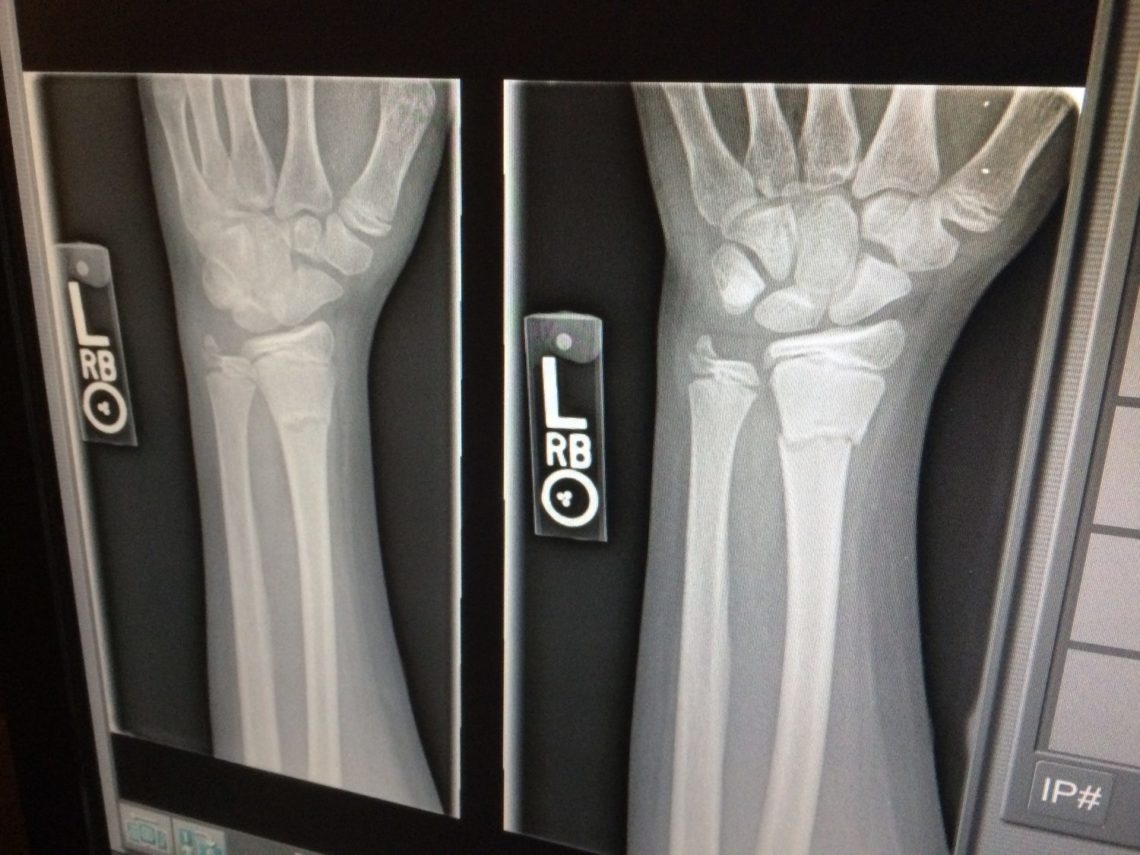
It is possible that your insurance company uses or has used Colossus in the past to determine how much should they pay you for your injury.
Wait, so you mean a computer decides the value of my injuries? Yes, a computer program computes the value of human injuries. Sadly, many times, these settlement offers are unreasonably low. If you received an unreasonable settlement offer for your damages, you can file a bad faith claim against your insurance company with regards to the use of Colossus. If you believe that you may have a bad faith claim against your insurance company give KAASS LAW a call for a free consultation with a personal injury attorney or accident attorney. Our skilled Glendale personal injury lawyers, insurance litigation attorneys, economists, and negotiators work together to secure fair settlements.
The motorcycle passenger, or urban for "b&tch seat" or "riding b&tch" can claim for compensation for injuries sustained as a result of the motorcycle crash from any and all responsible parties by proving fault. This is why riders have a requirement to have an insurance policy that will cover the passengers' injuries. Although claiming injuries against someone you know, possibly a BFF or sweetheart, may or may not be ideal, it is important to understand that you are not going after their piggy bank, as their insurance company will "indemnify" and pay for the injuries up to the coverage limit and save the day! And hopefully, you never have to find out, but if you are reading this, we highly recommend speaking to a motorcycle accident attorney before speaking to anyone else. Whatever you say or do will be used against you and your sweetheart no matter what seat you're riding.
Would you like a free consultation from our personal injury lawyers at KAASS Law? Give us a call now (310) 943-1171 for more information on motorcycle accidents. You will not have to pay us upfront or out of pocket for our services! We get paid when you get paid. [embed]https://www.youtube.com/watch?v=cmYyFUF-XQg[/embed]
In wrongful death cases, plaintiffs are the surviving family members of the decedent and can seek to recover economic damages. This includes financial support the decedent would have contributed to the family during the lifetime of the decedent or plaintiff. Also, loss of gifts or benefits that plaintiff would have expected to receive from decedent. Lastly, funeral/burial expenses reasonable value of household services that decedent would have provided to his or her loved ones. Additionally, the surviving family members may also seek non-economic damages. This includes loss of decedent’s love, companionship, loss of services, loss of support, comfort, care, assistance, protection, and moral support. Loss of the enjoyment of sexual relations and loss of decedent’s training and guidance are also real factors.
A survival cause of action in California can only be brought if the decedent did not pass from the injuries. If the deceased lived for a period between the accident and death, considering to file under survival cause of action. The representative of decedent's estate may seek to recover damages. This includes, “the loss or damage that the decedent sustained or incurred before death, including any penalties or punitive or exemplary damages that the decedent would have been entitled to recover had the decedent lived, and do not include damages for pain, suffering, or disfigurement". If you and your family are considering filing either a wrongful death or survival action lawsuit, or both if the circumstances permit, we invite you to contact one of our Los Angeles personal injury attorneys today for a free consultation and case review. KAASS LAW has successfully represented victims in wrongful death and survival cause of actions.
This content is intended for educational purposes only. KAASS LAW is authorized to practice law in California. The above content is intended for California residents only. This content provides only general information, which may or may not reflect current legal developments. KAASS LAW expressly disclaims all liability in respect to actions taken or not taken based on any of this website. The above content DOES NOT create an attorney-client relationship. KAASS LAW does not represent you unless you have expressly retained KAASS LAW in person at the KAASS LAW office. KAASS LAW helps clients in: Los Angeles, Burbank, Hollywood, Glendale, Van Nuys, North Hollywood, Studio City, Highland Park, Eagle Rock, Sunland, Tujunga, Sylmar, La Crescenta, La Canada, Beverly Hills, Westwood, Santa Monica, Brentwood. Pacoima, Montebello, Commerce, Alhambra, Downey, Bell, Maywood, Walnut Park, Vernon, Lynwood, Echo Park, Silverlake, Mission Hills, Northridge, North Hills, Porter Ranch, Chatsworth, Reseda, San Diego, La Jolla, El Cajon, Chula Vista, Del Mar
Rule 23 of the Federal Rules of Civil Procedure: Rule 23 requires the following: (1) the class is so numerous that joiner of all members is impracticable; (2) there are questions of law or fact common to the class; (3) the claims or defenses of the representative parties are typical of the claims or defenses of the class, and; (4) the representative parties will fairly and adequately protect the interests of the class. To certify a class under Rule 23(b)(3), questions of law or fact common to the members of the class must predominate over any questions affecting only individual members.”