
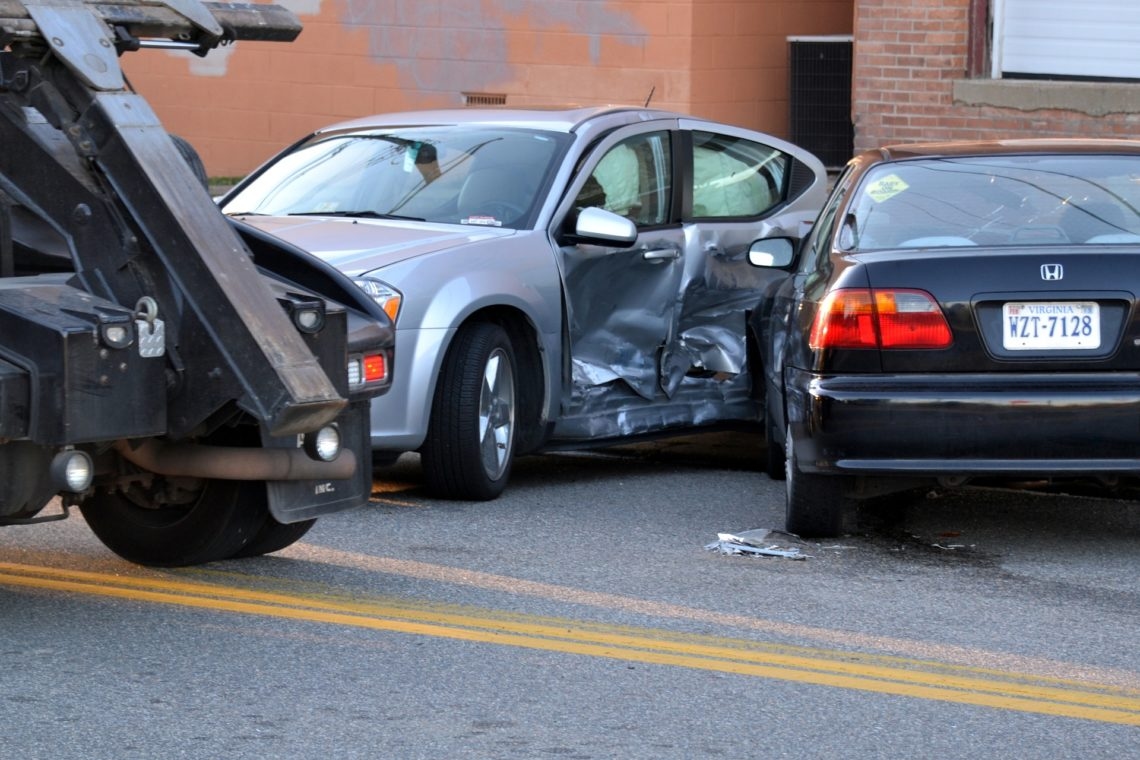
A left turn collision is when a vehicle turning left at an intersection is involved in a collision with another vehicle on the opposite side of the road that is going straight through the intersection.
Under the reasonable person standard, the driver turning left is usually at fault for the accident. This is because a vehicle turning left turning must wait until it is safe to turn.
However, the driver going straight through the intersection may be partially at fault if s/he was speeding or ran a red light. This may also reduce recovery, but not completely. Usually, speeding makes it difficult for the ‘left turning’ driver to judge when it is safe to turn. More commonly, when the light turns red, most drivers will assume it is safe to proceed in making a left turn. This is not the case if a driver runs a red light. However, many times even in these instances, the driver determined “mostly at fault”, is usually the driver turning left.
Under the reasonable person standard, a driver that rear-ended another will almost always be found at fault. One of the main factors insurance adjusters consider during rear end collisions is vehicles must maintain a safe distance behind the cars in front of them at all times. However, if you were breaking and one or more of your brake or tail light bulbs were out or broken, fault can be split between drivers. For instance an adjuster may find the drivers partially at fault or 50/50. If an driver can prove that due to the broken tail light, the driver did not have enough time to respond or had a difficult time stopping. In this situation the amount of money you can recover will be reduced, however, you will probably still be able to get something.
Insurance companies will often classify a rear-end collision as a low impact accident and will attempt to argue that the due to the impact bodily injury damages are minimal, thus offering low ball offers, even if medical reports prove otherwise. However, a typically injury one may sustain from a rear-end collision is whiplash or an neck injury, which may sometimes cause serious soft tissue damage. Some soft tissue damage includes, muscle tissue, ligaments and tendons. These types of damages frequently results in pain, swelling, tightness, bruising, or inflammation. However, these injuries are not always immediately apparent. Thus, injured parties may be offered a low settlement amount. Don't be that guy. Contact our office and receive free no obligation consultation with our Glendale personal injury attorneys specializing in auto accidents.
Address: 701 North Brand Blvd. Suite 100 Glendale, CA 91203 Phone: (310) 943-1171 Email: [email protected]
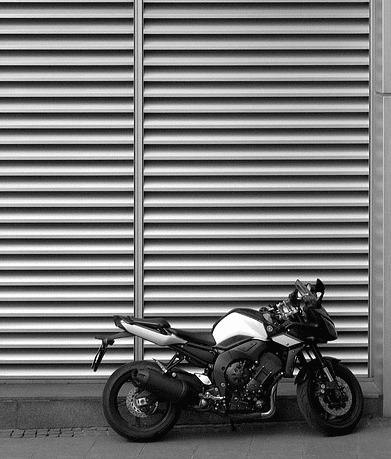
Lane splitting happens when a motorcycle drives between two lanes of stopped or slowly moving cars. Thus, many drivers will notice motorcyclists drive in between two lanes. Usually, we will notice many motorcyclists' split lanes during rush-hour traffic on interstate 5, i405, or 134 freeways. So what happens if an accident occurs while a motorcycle is lane splitting? Well, truth is, proving if the driver or rider was at fault can get a bit tricky. This may depend on a number of factors, such as if the driver or rider was speeding, driving recklessly, what the police officer determined or noted in the police report Is Lane Splitting Legal? Not all states allow lane splitting, but in California, motorcyclists are legally allowed to lane split. However, only if the rider acts in a reasonably safe and prudent manner.
Lane splitting can be the cause for accidents due to little amount of space to maneuver through. If an accident occurs while the motorcyclist is lane splitting, more times than not, the driver will blame the rider for the accident. Also, if the insurance adjuster or a police report finds the motorcyclist's carelessness or unsafe riding as the cause of the accident, the rider may find it difficult to recover damages. Thus, it is probably best for motorcyclists to immediately seek advice from an experienced motorcycle attorney. Hiring a may help preserve your claim. Also, one of the most detrimental things a motorcyclist can do is submit a recorded statement to the opposing insurance company. If you were involved in a motorcycle accident you call us directly and request a free consultation.
If you or a loved one has been involved in a motorcycle accident we invite you to contact our Los Angeles motorcycle accident attorney at (310) 943-1171 for a free consultation.