
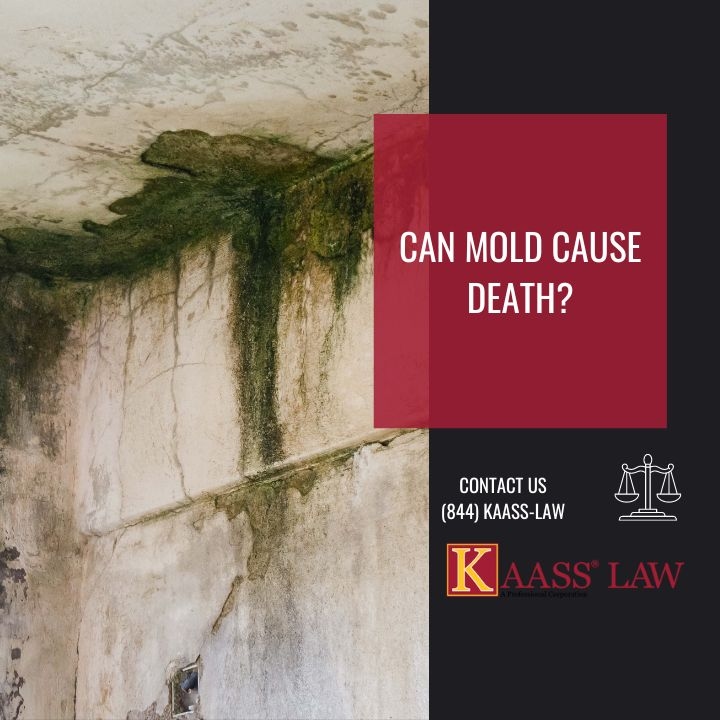
Mold poisoning is more common than you think! Mold is often not a concern inside until they locate a moist surface to grow on. Molds are one of the most serious hazards to healthy homes, especially when lethal black mold infestations emerge. However, all molds, hazardous or not, should be considered dangerous when they continue to develop and are present in significant concentrations inside. Molds are frightening because they are well-known for affecting the structural integrity of houses and workplaces, as well as having negative impacts on the health of individuals who live or work there. Furthermore, mold consumption or inhalation can result in mild to severe allergic responses, infections, and harmful (toxic) consequences. These conditions can lead to symptoms ranging from the flu and cold to neurological damage and even death. Black molds are disturbing for everyone, but they are especially terrifying for landlords and company owners. Molds are hazardous to our health. But consider this: it's the mycotoxins or spores that make you sick, not the mold itself.
One cannot tell for sure if one can die from mold poisoning, but certain molds may bring you to the verge of death by creating a variety of health problems. This is due to the fact that not every person is equally susceptible to getting any mold-related issues. Some people with mold poisoning might not even exhibit a single symptom, while others could struggle to manage their symptoms. More frightening than any other sort of mold is black mold. They have the capacity to emit deadly mycotoxins that can cause mortality in the most severe cases, immune system deterioration, skin rashes, brain damage, and skin collapse. It is preferable to avoid such illnesses and seek expert assistance for black mold eradication. Here, we'll provide you a thorough understanding of the dangerous nature of black molds by disclosing some fascinating facts about them that, in our opinion, will be helpful to you.
Mold is likely to be black in color with a strong, identifiable odor. It is likely to find mold in homes and in office settings where there is active moisture.
Children, the ill and young, and the elderly are especially vulnerable to black mold poisoning symptoms in people. However, in general, these molds can do harm to anyone and can change your valued belongings into something unworthy of your attention.
Mold, if one unnoticed, may cause long-terms issues to someone's health. They can deplete your immune system and negatively impact your brain. In such instances, black molds can be fatal.
It is crucial to often assess your environment in order to prevent problems with your health and immune system as well as maybe save a preventable death.
Black mold mycotoxins are hazardous to the nervous system. They stick to the neurons in the brain, affecting mental function. Tremors, mood changes, and neurological problems may result from this.
Mold poisoning can occur when too many black mold spores and toxins are consumed or inhaled. Eye and skin irritation, sneezing, coughing, fever, rashes, tremors, headaches, weariness, congestion, watery eyes, and pulmonary hemorrhage are all symptoms. After learning the basics concerning black molds, it's time to learn how to avoid them.
Mold poisoning is a serious issue that can go unnoticed until it becomes a major health threat. Mold often thrives in moist environments, making homes and workplaces vulnerable to infestations, especially when lethal black mold appears. While not all mold is fatal, exposure to certain strains, particularly black mold, can lead to severe health consequences.
The toxic mycotoxins released by black mold can damage the immune system, cause neurological issues, and in extreme cases, result in death. Understanding the risks of mold and taking preventive measures, such as removing contaminated materials and maintaining a dry environment, can help mitigate these dangerous effects.
The best course of action is to take immediate measures to combat the molds. You can benefit from putting a little effort into it. By carrying out the following, you can avoid shelling out a sizable sum for mold remediation:
Mold is only an unwanted visitor to your structures and residences. But being knowledgeable about black molds can keep you and your family safe. Take preventive action. If not, these molds may be deadly. If someone you know and love has died due to mold in a residence, contact our office at 310.943.1171. Click this link to view our other practices.
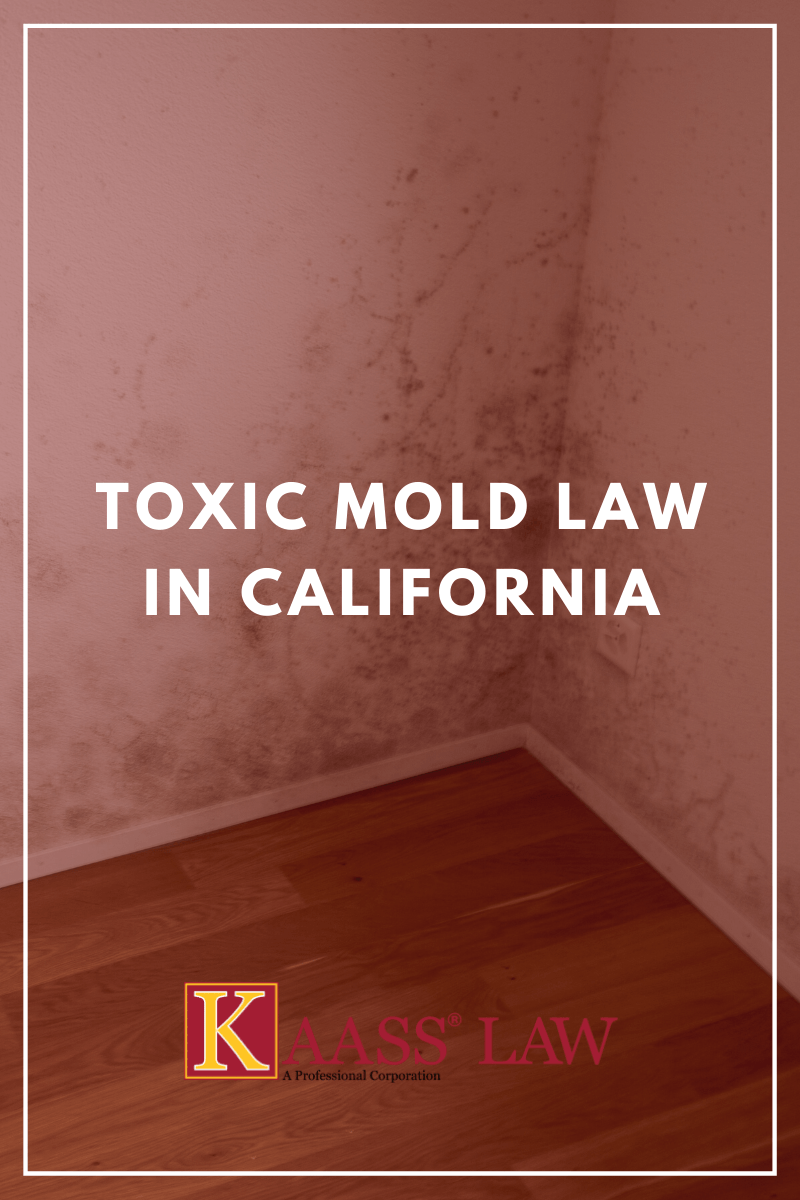
Toxic mold is a harmful fungus growing in homes, causing significant damage to property and health issues for residents. Mold tends to grow in places that have a buildup of moisture, where the fungi can live more easily. Properties that have poor air circulation, have a lack of ability to dry themselves, or those that are located in humid areas are most vulnerable to mold. Toxic mold can be visible to the human eye, but it also can accumulate inside walls or in hard-to-see areas. Some signs that your home contains mold include:
Letting mold accumulate, whether visible or invisible, will cause physical damage to your home. It can discolor surfaces, leave unpleasant odors, and most importantly, the existence of mold can allow for other types of fungi to live alongside it. This means your home will be vulnerable to structural damage and rotting of wood specifically.
In addition to being a risk to your property, toxic mold is also a serious health hazard to humans and animals. Less severe mold accumulation can cause flu or common cold-like symptoms, while severe cases can cause more dangerous health effects. Some of these include:
If toxic mold has been discovered in your home, it is important to act quickly. To minimize health risks and protect your rights. California law requires landlords to provide a safe and healthy environment for tenants. If mold is present and the landlord has not taken steps to remediate it, you have a legal right to compensation. First. You must notify the landlord of the presence of mold in your apartment. This should be done in writing, describing the problem and demanding that the damage be repaired. Second. If the landlord does not respond to your request within a reasonable time or ignores it altogether. You can begin the process of filing a lawsuit for breach of lease. In this case, you will need to prove that the presence of toxic mold makes your apartment uninhabitable. And point out that the landlord has failed to fulfill his or her obligation to maintain the living conditions of the apartment.
Also, if you were forced to leave because of toxic mold, this may be considered a "constructive eviction. This means that the landlord created conditions that forced you to leave. This entitles you to rent reimbursement for the months you were unable to use the apartment. Damages in a lawsuit may include:
If you decide to file a lawsuit against your landlord, it is important to gather all the evidence. Such as:
In order to take legal action against your landlord for the existence of toxic mold, you must prove that your landlord failed to address the issue and did not provide you with a reasonably habitable dwelling. For example, if your landlord knew of the mold and made a lease agreement with you anyway, or you told them about the mold and they did nothing about it for months, these could be legitimate reasons to sue them. If you decide to bring a lawsuit to the property owner, you can be compensated for all damages related to the existence of mold. These may include:
It may also be the case that because your landlord failed to address the toxic mold, you were forced to move out to avoid further suffering. This is a type of “constructive eviction,” meaning that your landlord indirectly made you leave the apartment by creating uninhabitable conditions. If this is the case, you may be able to recover rent that you paid during the months where mold was present. Landlord Tenant Attorney in Glendale The more evidence you have, the easier it will be to win your case. Do not delay in addressing this issue. The sooner you act, the less damage will be done to your health and property. If you or a loved one believes that their home contains toxic mold and or have suffered damages due to toxic mold in your home, we invite you to KAASS LAW. Contact our landlord tenant attorney at (310) 943-1171 for a free consultation.