

Proposition 64 has brought major changes in the state of California. However, it hasn't completely stopped all legal complexities, especially when it comes to driving. While anyone at the age of 21 and over can legally possess and use marijuana within certain limits, operating a vehicle while in possession of it still carries legal challenges. Understanding these layers of law is important for CA drivers so we may avoid any legal penalties. At KAASS LAW, we are committed to providing anything that requires clarifications on these evolving laws. Furthermore, we strive to protect your rights on the road.
Even if you're not actively under the influence while driving, just having it in your vehicle can lead to legal issues, given the circumstances. Here are a couple of violations worth mentioning:
Driving under the influence is a serious charge. You can have a citation for an open container violation even if you're dead sober. However, if law enforcement suspects you are driving impaired, they will conduct a DUI search. These can be stressful and, if convicted or arrested, financially costly, in addition to wasting a lot of your time.
A police officer can only search an individual's car if:
Should a police officer do an unlawful search and then find marijuana inside the car, that marijuana, which is deemed to be evidence, can be excluded for purposes of the case. Additionally, the case may also be dropped as a result of an unlawful search.
If you are pulled over and questioned about marijuana in your vehicle, it's essential to remain calm and exercise your rights:
Navigating California's marijuana laws, especially in the context of driving, can be complex. If you're in a legal dilemma for driving in possession of marijuana or a marijuana DUI, it's crucial to have experienced legal representation on your side. At KAASS LAW, we have a thorough understanding of these laws and can provide you with a strong defense. We will:
Don't think you can do this alone! Contact KAASS LAW today for a scheduled consultation service. Our office and its expert members can help and discuss your case so we may learn how we can help you navigate the legal complexities of driving in possession of marijuana in California.

California's position on marijuana has modernized and allowed the usage of the substance. What's more, this shows that CA is a lot more lax than its strict rules against it in the past. However, the laws surrounding driving under the influence (DUI) of cannabis are complex and carry serious legal problems if one were to break the law. Whereas recreational and medicinal use is legal for adults, yet on the other, operating a vehicle while impaired by marijuana is strictly prohibited and treated with the same severity as driving under the influence of alcohol. Understanding these laws, your rights, and the potential penalties is crucial for all California drivers. At KAASS LAW, we are dedicated to providing clarity on this critical issue and offering robust legal defense to those facing DUI or marijuana charges.
Vehicle Code section 23152(f) applies to driving under the influence of marijuana. Under VC Section 23152(f), "an individual is prohibited from driving under the influence of drugs." "Drugs" for purposes of this code section refers to any drugs (both illicit or prescribed) that can impair one's driving abilities. Examples of drugs that apply under this code section include marijuana, LSD, cocaine, and even sleeping pills. Without a doubt, this is a very serious matter.

The temptation of freedom and independence on the open road is powerful. This speaks very loud when it comes down to teenagers as they are slowly heading towards adulthood. Being a parent and or guardian for the littles, you do your best for your child to make them happy and see them smile. However, it's easier said than done. Sometimes, you want to make your kid happy by allowing them the freedom of the vehicle. As a result, the act of giving possession of a car to a minor in CA carries great legal problems and potential liability. Next time you're asked if they can take the family car for a ride, it is only fair for you to know the risk at hand. Here at KAASS LAW, we aim to enlighten our readers and clients on safety and avoiding any potential risks worth avoiding.
California law places specific restrictions and obligations on minor drivers and those who enable their driving privileges. As there are restrictions for minors when it comes to obtaining a driver's license, the legal responsibility usually falls under their parents and or guardian. Giving possession, in essence, of a car to a minor isn't something that should be done in a light-hearted fashion. There are legal consequences if things go from bad to worse.
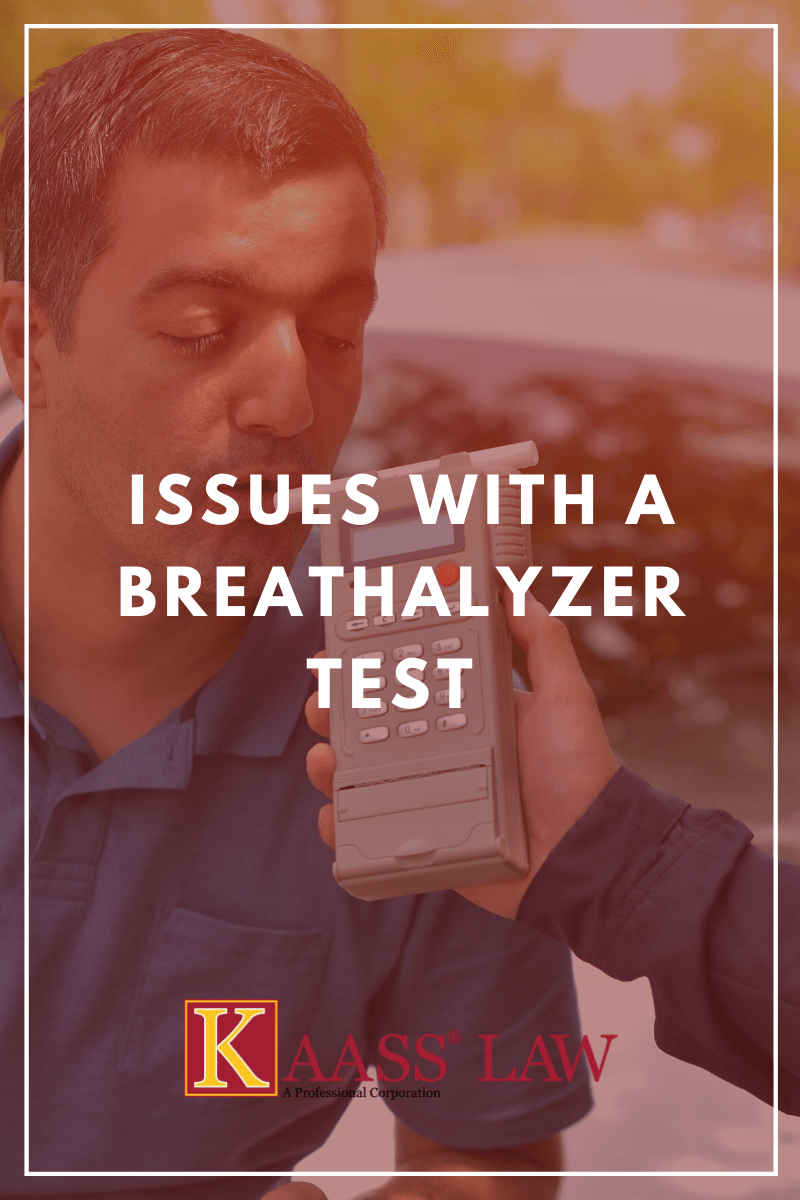
When police officers pull a driver over for suspicion of drunk driving, the breathalyzer is one of the most common tools used to determine whether the driver was in fact driving under the influence. A driver must blow into the breathalyzer test, which then determines the driver's blood alcohol content. Unfortunately, using a breathalyzer may result in false positives due to a number of factors that can throw the machine off. Below are some of the more common factors.
Your metabolism rate can also adversely affect a breathalyzer reading. For example, if your metabolism is slow, then your body may take longer to absorb the alcohol, and the breathalyzer reading may appear to be higher than the actual amount of alcohol in your blood stream.
The breathalyzer is made to detect alcohol in the mouth. Unfortunately, the machine cannot distinguish when the driver consumed the alcohol. Thus, traces of alcohol in the mouth, absorbed from food in between the teeth or even mouthwash may show a higher reading of blood alcohol content.
It is important to understand that there are strict rules regarding the use of a breathalyzer by law enforcement officers. Failure to follow these rules may be grounds for excluding the test results from evidence in court. For example, a police officer must observe a suspect for at least 15 minutes before administering the test. During this time, the driver may not:
California Vehicle Code forbids driving under the influence of drugs and alcohol. The law considers a driver intoxicated if drugs or alcohol impair their ability to drive. If you have a driving accident by the fault of the DUI driver, you are entitled to seek compensation for damages as well as filing a civil lawsuit against the at fault party.
Any driver has a duty of care towards other drivers and pedestrians. This duty is also the basis of all restrictions under California law regarding intoxicated driving. Thus, if this duty of care is violated and one is injured because of such violation, the driver can be held liable. Furthermore, the DUI driver may be liable under the "negligence per se" legal theroy. In other words, if the driver violates a statute, such as driving under the influence of alcohol or drugs or exceeding the BAC limit, and causes a car accident, the driver will be liable for the injuries to the victim. To seek compensation for damages for DUI accidents, you shall prove that the driver was drunk or under the influence of drugs at the time of the accident, and this fact acted as a direct reason for the accident to happen. You do not need to wait for the drunk driver’s conviction to file a civil lawsuit. If you can present evidence of damages caused by the DUI car accident, you can seek compensation without waiting for the driver’s conviction.
DUI means driving under the influence of alcohol or any substance that impairs one’s ability to drive.
A first time offender is someone who has never received a DUI in the past ten years. Should you face a first-time DUI charge in California, you likely face a misdemeanor charge punishable by 3 to 5 years of probation and up to $1,000 in fines. You will also likely have your driver’s license suspended and need to take rehabilitation classes, such as DUI school.
Once you are arrested for a DUI, you will face a criminal trial and/or a DMV hearing.
Here, the prosecutor has discretion as to whether to charge the defendant as well as on what and on how many counts. Keep in mind that a criminal charge is difference from a DMV hearing in that criminal court is mandatory. In other words, it is important that the defendant be present for the entirety of their criminal case.
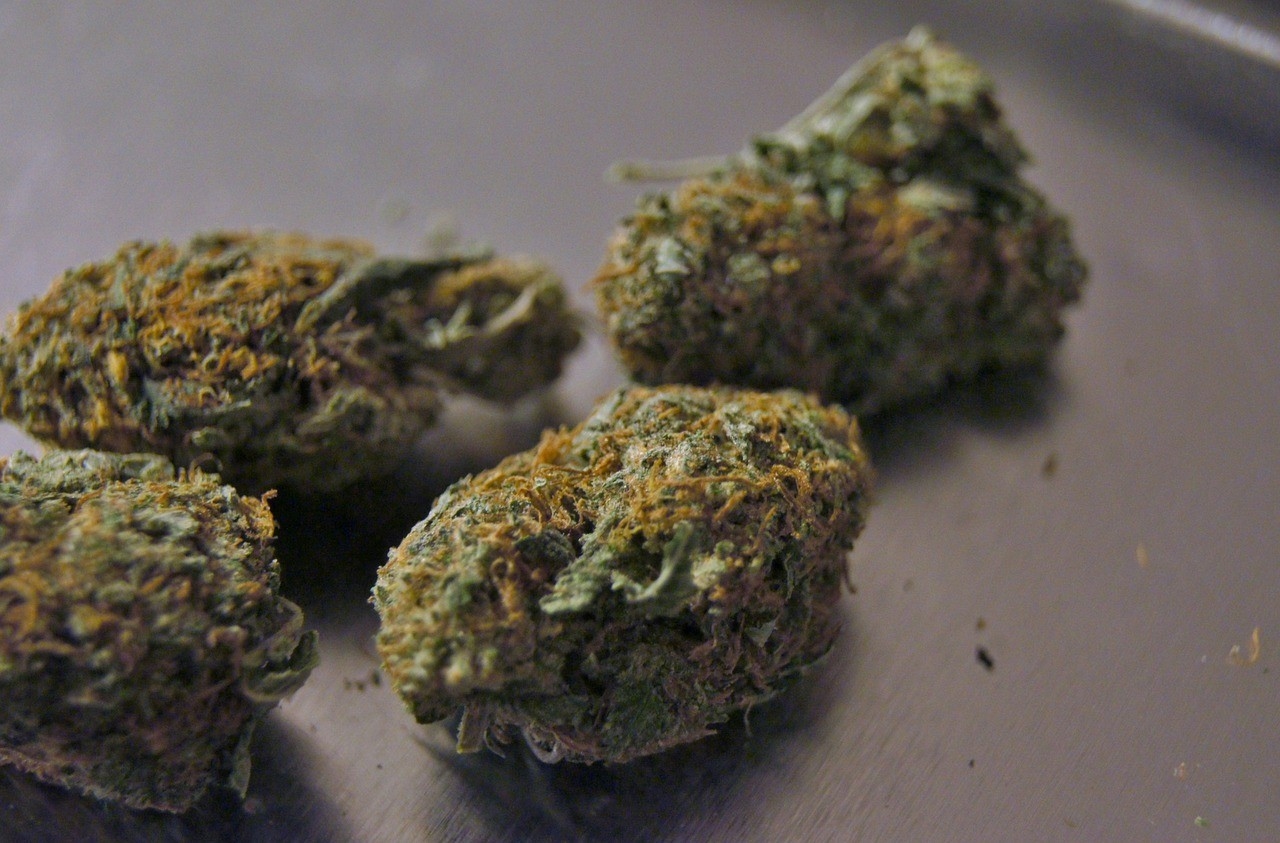
California VC 23222(b) driving in possession of marijuana only pertains to marijuana that is not in a concentrated form, such as, hash; nor does it pertain to large amounts of marijuana.
Unlike, California Health and Safety Code 11359 Possession of Marijuana for Sale, which pertains to being caught with a large amount of marijuana in your vehicle. California Vehicle Code 23222(b) punishes those who are found guilty of driving with up to 1 ounce of marijuana in their cars.
Evidence of driving under the influence of marijuana may include:
Charges associated with DUI of marijuana include:
A first DUI charge essentially means that it is the individual's first-time DUI charge (including either drug or alcohol). The possible penalties associated with this first DUI of marijuana include:
A Second DUI charge essentially means that it is the individual's second DUI charge (including drug or alcohol). The possible penalties for this second-time offender include:
If a Third DUI charge means an individual's third DUI charge (including either drug or alcohol). The possible penalties for this offense include:
The penalties for a misdemeanor DUI with injury include:
A felony DUI occurs if it is the individual's fourth DUI offense within the past 10 years. Additionally, the driver has a prior felony DUI conviction. Or if the driver causes an accident in which the other parties die or are injured as a result of the accident. Penalties for a Felony DUI include:
In this case of a felony DUI with injuries occurs when an individual drives under the influence and then causes bodily injury or death to another. Consequently, penalties for a felony DUI with Injury include:
In any case, given the situation if the case goes from bad, to worse, reckless driving can also potentially be a risk factor.
Driving under the influence of marijuana carries serious legal consequences in California. Additionally, don't navigate this complex legal landscape alone. In brief, please contact KAASS LAW today for a confidential consultation to discuss your case and learn how we can help protect your future across the state. Overall, we can help conduct, analyze, challenge, and negotiate for you so we may provide an aggressive and effective representation.
Negligent entrustment means that you can be liable and legally responsible if you lend your car to someone you knew or should have known potentially driving negligent and or recklessly. Usually, negligence falls under the person who caused the act. However, this will go against your negligent decision to entrust the vehicle to an unfit driver.
California Code, Penal Code - PEN § 193.8 states, "(a) An adult, who is the registered owner of a motor vehicle or in possession of a motor vehicle, shall not relinquish possession of the vehicle to a minor for the purpose of driving if the following conditions exist:
(1) The adult owner or person in possession of the vehicle knew or reasonably should have known that the minor was intoxicated at the time possession was relinquished.
(2) A petition was sustained or the minor was convicted of a violation of Section 23103 as specified in Section 23103.5, 23140, 23152, or 23153 of the Vehicle Code or a violation of Section 191.5 or subdivision (a) of Section 192.5.
(3) The minor does not otherwise have a lawful right to possession of the vehicle.
(b) The offense described in subdivision (a) shall not apply to commercial bailments, motor vehicle leases, or parking arrangements, whether or not for compensation, provided by hotels, motels, or food facilities for customers, guests, or other invitees thereof."
This is one of many forms of the act of negligence.
Several factors are considered when determining if negligent entrustment occurred:
Allowing a minor to drive your vehicle also has significant insurance implications. While your insurance policy may extend coverage to a licensed minor living in your household, it's crucial to:
While the desire to provide your child with a vehicle is understandable, taking steps to mitigate the associated risks is paramount:
Situations involving minors and vehicle possession can become legally complex, especially in the event of an accident. It's crucial to seek legal guidance from KAASS LAW if:
At KAASS LAW, we're here for you and your family. We understand why you want to help your child and give them their freedom as their growing up. However, this small things can lead to bigger problem if there aren't any proper supervision of the minor. If facing these types of legal problems, contact us right away.
Violation of this requirement may result in erroneous results as residual alcohol may distort the readings. In addition, the officer must be certified to use the device. And the device itself must be registered and tested for proper functioning. Otherwise, the defense attorney may question the validity of the data obtained.
In the event of a dispute over the accuracy of a breathalyzer reading, a second chemical blood test is available. This method is considered more accurate and can reveal discrepancies between the reading and the actual blood alcohol content. If the blood test shows a lower alcohol level, it can be used in court in the defendant's favor. An attorney may also request access to the maintenance records of a particular instrument. If you don’t calibrate the instrument on time, the court may rule the evidence inadmissible.
Although California adheres to the principle of implied consent to take a breathalyzer test, a driver has the right to refuse to take the test. However, doing so may result in administrative consequences. Including automatic license suspension for up to one year. At the same time, refusal can be used as an argument against the driver in court, although it is not direct evidence of guilt. If you suspect that the breathalyzer was defective, the presence of a refusal does not deprive you of the right to defend yourself. A qualified attorney will be able to present arguments on your behalf and minimize possible risks.
You should also consider whether your rights were respected during the stop. If the police did not have a reasonable basis for the stop, any evidence subsequently obtained may be considered inadmissible. For example, the lack of evidence of a traffic violation may be grounds to challenge the legality of the police action.
Certain health issues of a driver may throw a breathalyzer test off and show a false high blood alcohol content. For example, a driver with diabetes experiencing hyperglycemia, or high blood sugar, may trigger a false high blood alcohol content on the breathalyzer.
Authorities must properly maintain the breathalyzer to produce accurate results. This means that authorities must constantly recalibrate breathalyzers. Thus, should a police officer fail to calibrate the machine, false high blood alcohol content may result.
If the police accused you of driving under the influence based on a breathalyzer reading, don’t give up. There are numerous circumstances that can affect the validity of the test results and the course of a criminal case. The attorneys at KAASS LAW can help you analyze the legality of the test. call (310) 341-711 for a consultation. Our DUI attorneys will help determine your case and whether you have any feasible defenses.
You can seek compensation for the following damages caused to you as the result of a DUI accident:
To receive the compensation, you shall prove that you suffered from the mentioned damages and shall show the direct link between the negligence of the driver and your damages.
Most insurance policies cover compensatory damages if the policyholder injures someone while driving under the influence. In case the driver does not have insurance or the aggregate policy doesn't cover the damages, you shall sue the driver directly to receive compensation.
If you or a loved one has been in an accident with a DUI driver, contact KAASS LAW at (310) 943-1171 for a free consultation. Our attorneys will evaluate the details of your case and let you know what to expect and how you can proceed.
A DMV hearing is separate from a criminal trial and is not automatic. The defendant may choose to request this hearing within the first ten (10) days from their arrest date should the defendant choose to challenge the automatic driver license suspension.
Under this section, it is unlawful for a person under the influence of alcohol to drive. Prosecutors may charge the defendant for signs of intoxication, using circumstantial evidence like swerving, slurred speech, and failing the field sobriety test.
A defendant may be able to counter a Vehicle Code Section 23152(a) charge by showing that the accident occurred for non-alcoholic reasons. Consider health conditions as well. For instance, a person who suffers from type 1 diabetes may be able to show that they were in fact experiencing an insulin shock or hypoglycemia and therefore why they showed similar symptoms such as dizziness, shakiness, confusion, and poor coordination.
While a first DUI offense is generally classified as a misdemeanor, it can have serious and lasting consequences. In addition to:
The court may impose additional requirements on the defendant. For example, it may be mandatory to attend an alcohol abuse program. As well as participation in community service. In addition, even a first DUI conviction can affect employment. Especially if the job involves driving or requires a professional license. Some employers conduct periodic criminal background checks. A DUI may affect the hiring decision.
It is important to realize that a DUI has not only a criminal component, but also an administrative component. If you do not request a DMV hearing within 10 days, your license will be suspended. The length of this suspension can range from 4 to 10 months, depending on the specific circumstances. In certain cases, if the DUI resulted in an accident with injuries, it is possible to file a civil lawsuit. This may result in additional financial obligations, including compensation for damages and moral injury.
Although this is a first offense, the court may increase the sentence if there are aggravating factors. Such circumstances include:
The presence of one or more of these factors may result in more severe penalties. These include:
Many people believe that when it comes to a first offense, it is best to simply admit guilt and accept the punishment. However, this may be a mistake. There are several defenses available, including:
An experienced DUI lawyer can:
The attorneys at KAASS LAW carefully analyze the circumstances of each case and build a defense strategy to protect their client's rights. If you are facing a first-time DUI charge in California, contact KAASS LAW at (310) 943-1171 for a free consultation. Our attorneys can help you understand the legal details and offer the best solution for your situation.
A Los Angeles criminal defense attorney can help you with the sort of legal assistance that you require regarding drug crimes in the county. Our lawyers in Glendale, Los Angeles, CA are here to help understand your legal rights. Please call our office at (310) 943-1171 or contact us via email at [email protected]