

Penal Code 1203.4 outlines California laws which govern expungements of criminal records. An expungement, sometimes referred to as a "dismissal", discharges a person from the criminal conviction. Specifically, an expungement is a type of post-conviction relief which removes a person from the consequences of a conviction. It’s imperative to understand this penal code and the benefits that it may offer to those who have been accused and convicted of a crime, especially since it may potentially clear your criminal record. The word “expungement” is somewhat confusing as it infers that criminals records can be erased. Expungements are post-conviction, post-probation petitions for dismissals; the court substitutes a “Not Guilty” plea for the earlier finding of guilt, and dismisses the case. After this time, the guilty plead is no longer on the criminal record because technically you are no longer guilty of the charge. However, in most government application you may still need to disclose the prior conviction even after it has been expunged.
Under Penal Code § 1203.4, an expungement essentially discharges a person from whatever sentencing they were given due to being convicted of a crime. One powerful advantage that expungement offers is that an expunged conviction does not typically have to be disclosed to potential private employers or institutions. As it stands, California law prevents employers from inquiring about an applicant’s previous criminal record until such a time when the employer proposes a legitimate offer of employment. However, once a conviction gets expunged, it doesn't need to be revealed to an employer even after the employer makes a job offer. However, you may still be required to disclose the expunged conviction if filing any applications with government organizations such as for professional licensing with the Contractors State Licensing Board; State Bar of California; Medical Board of California; California Board of Pharmacy; California Department of Real Estate; California Board of Accountancy; or any such other licensing board that requires a Live Scan for California Department of Justice (DOJ) and Federal Bureau of Investigation (FBI) level criminal history record checks.
Someone who was sentenced for a crime in California is eligible for expungement provided that:
Individuals are not qualified for expungement in the event that they:
Expungement is a huge step forward for many individuals who have been accused of a crime. This crucial step allows for a much easier re-entry into society and we can help you to get there! If you or a loved one may benefit from an expungement, give us a call at (310) 943-1171 for a free criminal defense consultation with one of our Glendale criminal defense attorney today. Our lawyers in Glendale, Los Angeles, California, are dedicating to providing the highest quality legal services for all of our clients. Get Directions on Google Maps

Motorcycles are more likely to get into accidents than any other motor vehicle. According to the Insurance Information Institute, in 2015, there were 88,000 motorcycle accidents injuries. In motorcycle accidents, knowing your options as a passenger on a motorcycle involved in an accident is important. It is critical for the rider of a motorcycle to have proper motorcycle insurance. Most biker clubs have discounts for motorcycle insurance to avoid being denied damages under California Proposition 213.
Under California law, riders of motorcycles must have insurance with liability coverage. This means that the passengers in a motorcycle accident would have coverage for property damage and bodily injury caused by the rider. This coverage does not cover the damages of the rider unless it has comprehensive coverage, usually coverage for property damages only. Thus, if a rider is at-fault and has liability and comprehensive insurance coverage, then the rider's insurance will cover passengers' personal injuries and rider's property damages only. Coverage. This coverage applies when the rider is not-at-fault and the at-fault opposing driver's coverage is nonexistent or insufficient. In this scenario, the rider and the passenger can make a claim for injuries towards the rider's (in case of no coverage) or (in case of insufficient coverage) motorist coverage. Are you wondering about ? The rider's insurance company will cover for medical expenses irrespective of fault up to the Medical Payments coverage limit, which is usually anywhere from $1000-$10,000.
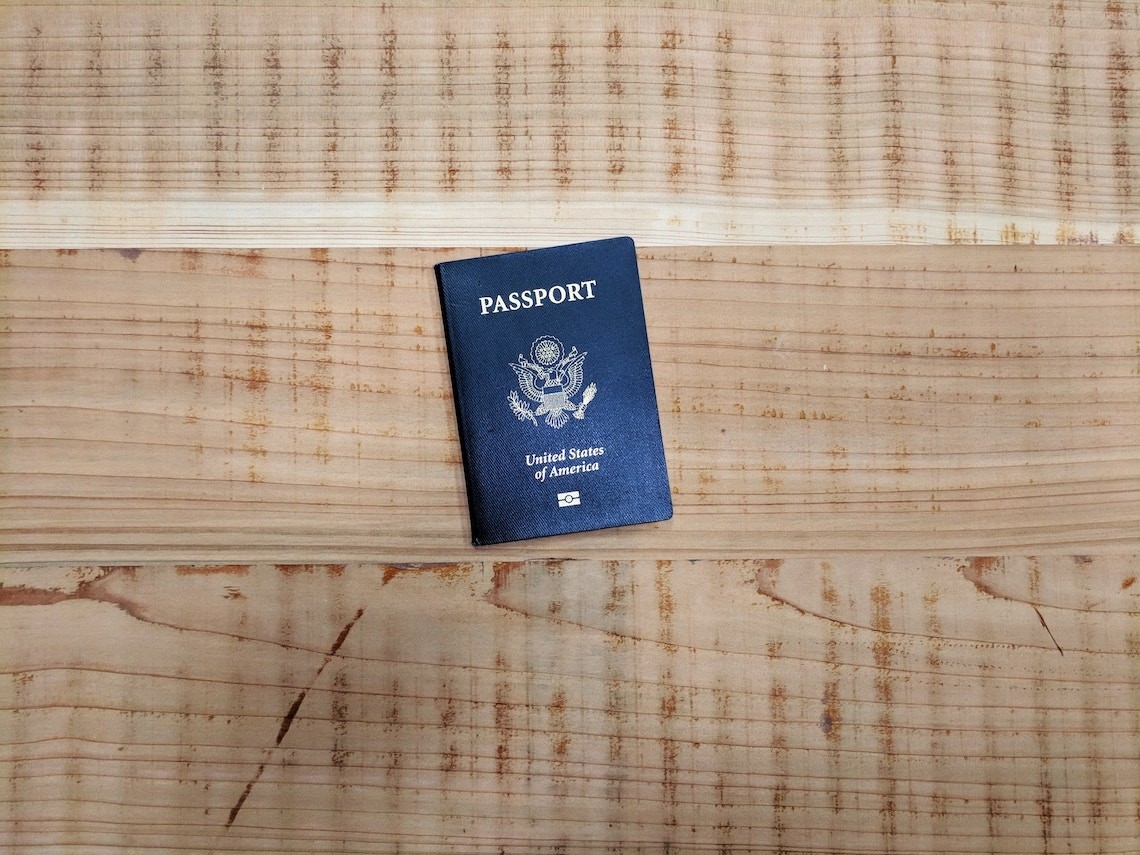
Starting from January 29, 2018, U.S. Citizenship and Immigration Services (“USCIS”) gives priority to most recent affirmative asylum applications when scheduling asylum interviews. This interview scheduling approach is known as “last in, first out” interview scheduling.
The “last in, first out” interview scheduling approach was introduced in 1995 and was in place until 2014 when USCIS switched to the “first in, first out” approach. Pursuant to the “first in, first out” approach, USCIS was giving priority to oldest asylum applications. This approach turned out to be not very efficient and resulted in an unprecedented backlog of asylum cases. In the majority of asylum offices new asylum applicants had to wait for years for their asylum interviews. As a result, many frivolous asylum applications were filed because the applicants were able to obtain employment authorization within six (6) months from filing their applications and to legally work for years until the scheduling of their asylum interviews.

The Immigration and Nationality Act (“INA”) gives an opportunity to US Citizens and lawful permanent residents to bring their children to the Unites States. US citizens can sponsor both their married and unmarried children. However, the unmarried children under twenty-one (21) fall under the category of immediate relatives who are exempt from numerical quotas applicable to other family based preference categories. The question whether the child falls under the category of immediate relatives is extremely important because if immediate relatives can obtain their green cards within less than a year, children of US citizens, falling under one of the preference categories, will have to wait at least seven (7) years depending on their country of citizenship and marital status. Lawful permanent residents can only sponsor their unmarried children who fall under the Second Preference – spouses and unmarried sons and daughters of permanent residents. However, children under twenty-one (21) of permanent residents have certain privileges compared to children who are twenty-one (21) or older. First of all, seventy-seven percent (77%) of available visas in the second preference category is allocated to spouses and unmarried sons and daughters under twenty-one (21) of permanent residents. INA § 203(a)(2). Additionally, seventy-five percent (75%) of visas issued to spouses and unmarried children under twenty-one (21) of permanent residents is not subject to the per country limitations. Id. § 202(a)(4)(A). As a result, if children under twenty-one (21) of permanent residents can obtain their green cards within less than two (2) years, children who are twenty-one (21) or older will have to wait at least seven (7) years depending on their country of citizenship. As it can be seen, the age of the child is crucial for both the petitions filed by US citizens and permanent residents. There is a possibility that although the petition is filed while the child beneficiary is under twenty-one (21) he will be twenty-one (21) or older at the time of adjudication of the petition.
The motorcycle passenger, or urban for "b&tch seat" or "riding b&tch" can claim for compensation for injuries sustained as a result of the motorcycle crash from any and all responsible parties by proving fault. This is why riders have a requirement to have an insurance policy that will cover the passengers' injuries. Although claiming injuries against someone you know, possibly a BFF or sweetheart, may or may not be ideal, it is important to understand that you are not going after their piggy bank, as their insurance company will "indemnify" and pay for the injuries up to the coverage limit and save the day! And hopefully, you never have to find out, but if you are reading this, we highly recommend speaking to a motorcycle accident attorney before speaking to anyone else. Whatever you say or do will be used against you and your sweetheart no matter what seat you're riding.
Would you like a free consultation from our personal injury lawyers at KAASS Law? Give us a call now (310) 943-1171 for more information on motorcycle accidents. You will not have to pay us upfront or out of pocket for our services! We get paid when you get paid. [embed]https://www.youtube.com/watch?v=cmYyFUF-XQg[/embed]
The major reason for returning to the “last in, first out” approach is to deter the filing of frivolous asylum applications just for obtaining employment authorization. According to the new policy, USCIS will give priority to the most recently filed affirmative asylum applications. This approach will allow USCIS to identify non-meritorious asylum applicants and to place them in removal proceedings. The risk of being placed in removal proceeding might discourage people from filing a frivolous asylum application.
According to the website of USCIS affirmative asylum interviews will be scheduled in the following order of priority:
If you or someone you know has questions with respects to seeking for asylum or filing for an asylum application, please feel free to give our office a call. Our Los Angeles immigration attorney provide a free no obligation immigration consultation. speak English, French, Spanish, Russian, Armenian, and Italian.
Recently arrived foreigners with fear to return to their home countries shall definitely be happy with the “last in, first out” policy as they will not have to wait for years in order to have their cases heard by an immigration officer. On the other side, applicants with already filed cases might have to wait for several years until their asylum interviews. Only time will show the effectiveness of the new policy for scheduling affirmative asylum interviews.
KAASS LAW is authorized to practice law in California. The above content is intended for California residents only. This content provides only general information which may or may not reflect current legal developments. KAASS LAW expressly disclaims all liability in respect to actions taken or not taken based on any of the contents of this website. The above content DOES NOT create an attorney-client relationship. KAASS LAW does not represent you unless you have expressly retained KAASS LAW in person at the KAASS LAW office. KAASS LAW helps clients in: Los Angeles, Burbank, Hollywood, Glendale, Van Nuys, North Hollywood, Studio City, Highland Park, Eagle Rock, Sunland, Tujunga, Sylmar, La Crescenta, La Canada, Beverly Hills, Westwood, Santa Monica, Brentwood. Pacoima, Montebello, Commerce, Alhambra, Downey, Bell, Maywood, Walnut Park, Vernon, Lynwood, Echo Park, Silverlake, Mission Hills, Northridge, Woodland Hills, Encino, Canoga Park, North Hills, Porter Ranch, Chatsworth, Reseda.
The Child Status Protection Act (CSPA) amended the Immigration Nationality Act (INA) qualifications for the term "child" for purposes of an immigrant. This allows beneficiaries to maintain classification as a “child,” even if you reached the age of 21.
The CSPA protect immigration classification as a "child" when the person aged out due to excessive processing times. “Child” is defined as an individual who is unmarried and under the age of 21.
Under the CSPA,“child” status is protected for:
Adjudicators must determine whether the beneficiary qualifies as an immediate relative child based on his age on the date of filing the immigrant visa petition on his behalf. Id. § 201(f)(1). As such, the date when the US citizen parent files the immigration petition for his child, the Form I-130, determines whether the child falls under the category of immediate relatives or not. This means that although the child may turn twenty-one (21) after filing the immigration petition on his behalf, he will always qualify as an immediate relative as long as he is not married. The date of filing the petition is the date when the Form I-130 is filed with the United States Citizenship and Immigration Services.
Immediate relatives qualify for age out protection if the I-130, Petition for Alien Relative was filed by a U.S. citizen parent for his or her child, the beneficiary’s age “freezes” on the date of filing. If the I-130 petition was filed by a parent that has permanent resident status and received his or her naturalization status before the child turns 21, the child's age “freezes” on the date the petitioner naturalized.
Adjudicators shall determine whether the beneficiary qualifies as a child under twenty-one (21) of a lawful permanent resident by using the following formula: the age of the child on the date on which an immigrant visa number becomes available minus the number of days during which the petition for the child was pending. Id. § 203(h)(1). If the child is under 21 after using this formula he will benefit from the age-out protection provision of INA. The immigration petition is considered to be pending from the date of filing the petition until the date of approval. It should be noted that the beneficiary may benefit from the age-out protection only if he seeks to acquire a status of a lawful permanent resident within one (1) year after the availability of an immigrant visa number. Id. The age-out protection provisions of the INA are intended to protect the children of US citizens and lawful permanent residents who turn twenty-one (21) after filing the immigration petition on their behalf. Hence, if the child of a US citizen or a lawful permanent resident will turn twenty-one (21) soon they should try to file the immigration petition before the child turns twenty-one (21) in order to benefit from the age-out protection provisions.
In order to be eligible for CSPA age out protection the "child":
FOR A FREE DETAILED REVIEW BY OUR AWARD WINNING LOS ANGELES IMMIGRATION ATTORNEYS FILL OUT THE FOLLOWING FORM: [contact-form to='[email protected]' subject='NEW CLIENT - Immigrationt'][contact-field label='Name' type='name' required='1'/][contact-field label='Email' type='email' required='1'/][contact-field label='Phone' type='url' required='1'/][contact-field label='Facts' type='textarea' required='1'/][/contact-form]